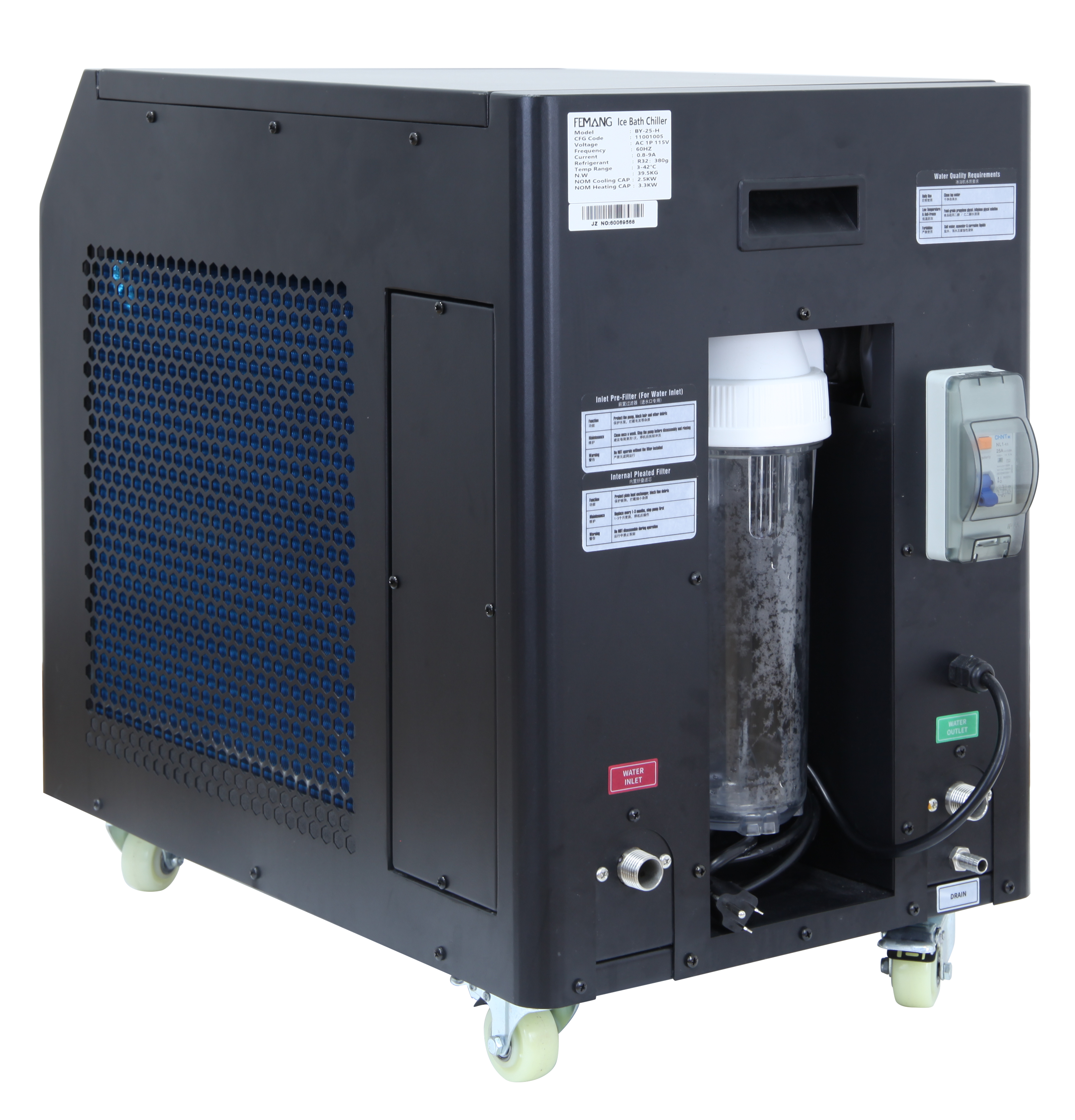
A cold plunge chiller represents a significant investment in recovery and wellness infrastructure. When your system fails to deliver consistent cooling or maintains temperatures inconsistently, the root causes often trace to preventable equipment issues, operational errors, or environmental factors. Understanding what degrades chiller performance helps you maintain peak functionality and extend equipment lifespan.

Troubleshooting a cold plunge chiller requires systematic diagnosis because performance degradation rarely stems from a single failure point. Common culprits range from refrigerant leaks and compressor wear to clogged filters, inadequate water circulation, and ambient temperature stress. This guide walks you through the primary causes of poor performance and explains how maintenance and operational adjustments restore optimal cooling capacity.
Refrigerant and Compressor Issues
Refrigerant Leaks and Low Charge
Refrigerant forms the core of your cold plunge chiller's cooling cycle. A slow leak reduces system charge over weeks or months, progressively weakening cooling ability without triggering immediate alarms. The compressor works harder to compensate, consuming more energy while delivering less effective temperature reduction. Low refrigerant causes the evaporator to lose heat absorption capacity, meaning water temperature climbs even though the system runs continuously.
Detecting refrigerant loss requires professional diagnostics because leaks often hide inside sealed components or connection points. Frost accumulation on refrigerant lines, unusual hissing sounds, or sudden performance drops signal possible leakage. Addressing refrigerant problems quickly prevents compressor damage and restores full chiller performance through proper recharge and leak sealing.
Compressor Wear and Mechanical Failure
The compressor is the mechanical heart driving your cold plunge chiller's refrigeration cycle. Extended runtime, inadequate maintenance, or operating beyond design limits accelerates internal wear. When compressor efficiency declines, the system struggles to reach target temperatures and maintains them unstably. Worn bearings, valve degradation, or internal refrigerant escape reduce compression force and cooling output.
Performance troubleshooting should include listening for compressor noise changes—grinding, rattling, or stuttering indicates mechanical distress. Vibration increases, discharge temperatures rise abnormally, and ambient temperature sensitivity becomes pronounced. Preventive maintenance intervals keep compressors healthy; ignoring early warning signs leads to complete failure and expensive replacement costs.
Water Circulation and Filtration Problems
Clogged Filters and Reduced Flow
Your cold plunge chiller depends on consistent water circulation through the evaporator to absorb heat efficiently. Clogged intake filters, debris-blocked pump screens, or mineral buildup inside water lines restrict flow dramatically. When circulation slows, the water spends less time in contact with cooling surfaces, reducing heat transfer and requiring longer cooling cycles to reach target temperatures. Performance degradation becomes especially noticeable after weeks of heavy use without filter maintenance.
Maintenance routines must include regular filter inspection and replacement according to manufacturer schedules. Dirty filters force the pump to work harder, increasing energy consumption while delivering mediocre cooling results. Clean filters restore optimal flow, improve heat exchange efficiency, and reduce strain on the pump motor. This simple maintenance step often resolves mysterious performance complaints without requiring service calls.
Pump Failure and Circulation Loss
The water pump circulates cold water through your plunge basin and back through the evaporator for continuous cooling. Pump cavitation, bearing wear, or impeller damage reduces flow rate below system design specifications. A failing pump delivers insufficient circulation, causing uneven water temperature distribution and sluggish overall cooling. Performance issues manifest as slower temperature setpoint achievement and inability to hold stable water temperature during use.
Troubleshooting pump performance involves checking flow rates and listening for abnormal noise—cavitation produces distinctive squealing or chattering sounds. A partially blocked pump inlet or worn impeller may cause the pump to run but deliver minimal volume. Replacing or servicing the pump restores proper circulation and immediately improves cold plunge chiller performance across the board.
Environmental and Operational Factors
Ambient Temperature Stress
Your cold plunge chiller operates within design temperature ranges that typically assume moderate ambient conditions. Installing equipment in hot outdoor environments, direct sunlight, or poorly ventilated indoor spaces forces the condenser to work excessively hard. High ambient temperatures reduce the temperature difference needed for efficient heat rejection, meaning the compressor runs longer with diminishing returns. Performance drops noticeably during summer months or in warm climates without proper equipment placement.
Maintenance and site preparation strategies combat ambient stress effectively. Positioning the condenser unit in shade, ensuring adequate airflow around the equipment, and using thermal barriers reduces ambient impact significantly. In extreme climates, supplemental cooling fans or shaded structures may be necessary to maintain manufacturer-rated performance. Acknowledging ambient limitations during operation prevents unrealistic temperature expectations and extends equipment lifespan.
System Configuration and Control Issues
Incorrect thermostat calibration, faulty temperature sensors, or misconfigured control settings can create perceived performance problems even when the equipment functions properly. A sensor drift of just a few degrees causes the system to overshoot or undershoot target temperatures continuously. Inadequate insulation on water lines allows heat loss between the chiller and plunge basin, requiring the system to compensate constantly. These operational factors compound when combined with other minor issues, amplifying apparent performance degradation.
Troubleshooting control systems involves verifying sensor accuracy against manual thermometer readings and checking control logic settings. System performance improves immediately once calibration corrections and insulation improvements take effect. Seasonal adjustments to settings and preventive temperature sensor inspection prevent recurring performance complaints throughout equipment service life.
FAQ
Why does my cold plunge chiller cool slowly even though the compressor runs constantly?
Slow cooling despite continuous operation typically indicates reduced refrigerant charge, clogged filters restricting water circulation, or compressor efficiency loss. Start troubleshooting by checking filter condition and cleaning or replacing as needed. If filters appear clean, the system likely needs professional evaluation for refrigerant levels and compressor function. Poor maintenance and high ambient temperatures accelerate this performance degradation significantly.
Can maintenance prevent most cold plunge chiller performance problems?
Yes—consistent maintenance prevents approximately seventy percent of common performance issues. Regular filter replacement, condenser coil cleaning, and refrigerant system inspection catch problems before they impact cooling delivery. Troubleshooting efforts become simpler and less expensive when preventive maintenance receives priority. Seasonal maintenance checks before peak-use periods ensure your cold plunge chiller operates at design specifications year-round.
How does ambient temperature affect cold plunge chiller performance outcomes?
High ambient temperatures force the condenser to reject heat into a warmer environment, reducing cooling efficiency and requiring extended compressor runtime. Equipment installed outdoors in direct sunlight or in hot indoor spaces experiences performance losses compared to shaded, well-ventilated locations. Understanding ambient limitations during initial installation and site selection prevents performance disappointment. In extreme climates, additional cooling infrastructure may be required to maintain manufacturer-rated cold plunge chiller performance.
 EN