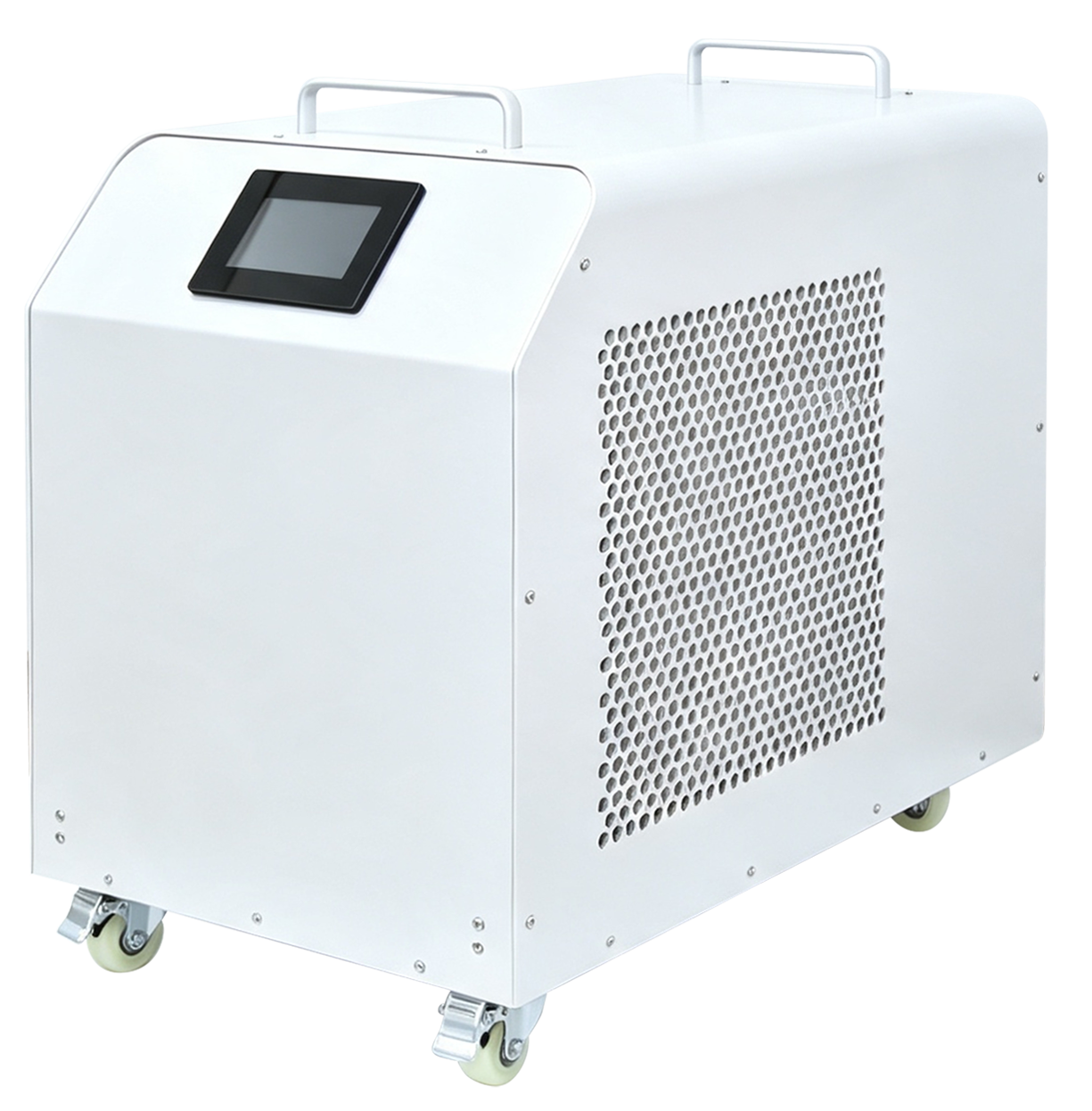
An ice bath chiller delivers targeted cold therapy through precise temperature control, but its cooling performance depends on multiple interconnected factors. Whether you operate a recovery facility, wellness center, or personal recovery space, understanding what influences your chiller's cooling performance directly affects treatment outcomes and operational costs. Many facility managers overlook critical variables that silently degrade performance, leading to inconsistent water temperatures, extended cooling cycles, and premature equipment wear. This guide explores the essential factors that shape cooling performance and explains how each element contributes to system efficiency and operation reliability.
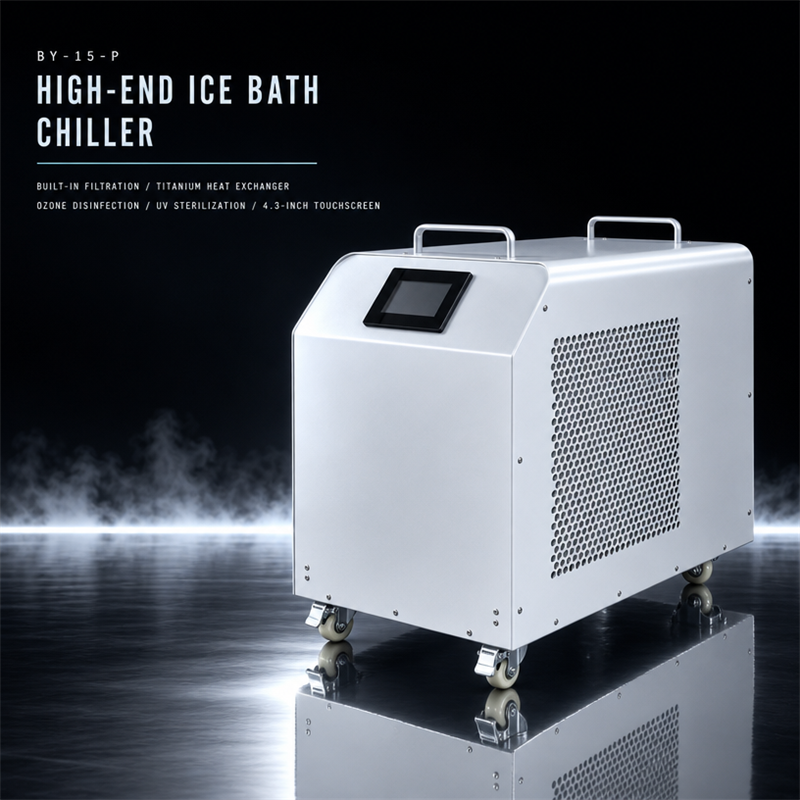
Cooling performance represents the chiller's ability to extract heat from water and maintain target temperatures under real-world conditions. This performance is never purely theoretical. It reflects how the unit actually operates within your specific facility environment, accounting for ambient temperature, water volume, usage patterns, and system maintenance. Every operational variable creates a ripple effect on cooling performance, from the compressor's workload to the heat exchanger's effectiveness. Recognizing these performance drivers enables you to optimize operation conditions, extend equipment lifespan, and ensure consistent ice bath experiences for users.
Ambient Temperature and Environmental Conditions
How External Heat Affects Cooling Capacity
The ambient environment surrounding your ice bath chiller directly impacts its cooling performance and efficiency. When surrounding air temperature rises, the chiller must work harder to reject heat from the refrigeration cycle, placing greater stress on the condenser coil. In warm climates or poorly ventilated spaces, this additional load can reduce cooling capacity by 10 to 20 percent compared to ideal conditions. Facility placement matters significantly: chillers installed in direct sunlight, near heat-generating equipment, or in confined spaces face elevated ambient temperatures that compromise efficiency and operation stability. Conversely, placing the unit in a cooler, well-ventilated area maximizes heat rejection and maintains peak cooling performance throughout the year.
Seasonal and Location-Based Performance Variations
Seasonal changes substantially alter how your ice bath chiller performs. Summer months present particular challenges because higher ambient temperatures force the cooling system to work continuously to maintain target water temperatures. Winter operation typically yields superior cooling performance because the chiller benefits from cooler surrounding air, reducing the cooling load. Geographic location introduces permanent performance considerations: facilities in tropical climates or hot regions must account for consistently elevated ambient temperatures when sizing equipment and planning operation schedules. Understanding your local climate patterns helps predict performance expectations and identify seasonal optimization strategies that maintain consistent cooling performance throughout the year.
Water Volume, Flow Rate, and Heat Load
Impact of Bath Volume on Temperature Stability
The volume of water in your ice bath directly influences cooling performance and the time required to reach target temperatures. Larger water volumes create greater thermal mass, meaning the chiller must extract more total heat energy to cool the entire bath to the desired temperature. A 500-liter bath requires significantly more cooling energy than a 200-liter bath, affecting both efficiency and operation duration. However, larger volumes provide superior temperature stability during user sessions because the substantial thermal mass resists rapid temperature changes when warmer users enter the water. Understanding your facility's volume requirements helps match chiller cooling capacity to actual operational needs, ensuring adequate cooling performance without oversizing equipment or wasting energy.
Circulation Flow Rate and Heat Exchange Effectiveness
Water circulation flow rate fundamentally shapes heat exchange effectiveness and overall cooling performance. Faster flow rates increase the contact time between cold refrigerant and circulating water, improving heat transfer and cooling speed. However, excessively high flow rates can introduce noise, reduce system efficiency, and place unnecessary strain on pump components. Optimal flow rate balances heat transfer efficiency with operation stability and energy consumption. Restricted circulation, caused by clogged filters or partially blocked pump lines, severely degrades cooling performance by reducing the effective surface area for heat exchange. Regular maintenance of circulation components ensures sustained cooling performance and prevents performance degradation that might otherwise escape notice until end-users report temperature inconsistencies.
System Maintenance, Cleanliness, and Component Condition
Heat Exchanger Fouling and Refrigerant Efficiency
The condition of internal heat exchange surfaces directly determines cooling performance efficiency. Over time, mineral deposits, algae growth, and biofilm accumulation on heat exchanger coils create insulating layers that block effective heat transfer. This fouling reduces cooling capacity by restricting refrigerant flow and diminishing the thermal connection between cold refrigerant and circulating water. Systems using untreated or poorly filtered water experience accelerated fouling, leading to progressive cooling performance degradation that compounds over months. Condenser coils also accumulate dust and debris, further reducing heat rejection capability and forcing the compressor to work harder. Implementing regular cleaning protocols and using appropriate water treatment maintains heat exchanger efficiency and preserves long-term cooling performance. Even modest fouling reduces performance noticeably, making preventive maintenance one of the most cost-effective performance optimization strategies.
Refrigerant Charge and Compressor Operation
Proper refrigerant charge level remains critical for sustained cooling performance and operation reliability. Undercharged systems cannot absorb sufficient heat, resulting in reduced cooling capacity and extended cycle times. Overcharged systems risk liquid slugging into the compressor, potentially causing mechanical damage and sudden performance loss. The refrigerant charge must remain within precise manufacturer specifications to achieve optimal cooling performance under varying load conditions. Compressor condition also influences performance: worn compressors deliver reduced displacement and lower cooling capacity, even if refrigerant levels remain correct. Annual professional maintenance inspects refrigerant charge, checks for leaks, and evaluates compressor function to ensure peak cooling performance. Addressing refrigerant issues immediately prevents cascading performance problems and costly emergency repairs.
Operational Settings and Control System Configuration
Temperature Setpoint Strategy and System Load Balance
The temperature setpoint you establish dramatically influences cooling performance and energy consumption patterns. Setting excessively low temperatures forces the chiller into continuous operation, reducing efficiency and accelerating component wear. Conversely, higher setpoints reduce cooling load and energy use but may not meet therapeutic requirements. Optimal setpoint selection balances user comfort, cooling performance requirements, and operation cost. Many facilities benefit from programmable schedules that adjust setpoints based on facility usage patterns, reducing unnecessary cooling load during off-hours while maintaining peak performance during peak-use periods. Understanding how your specific setpoint choices affect cooling performance enables strategic operation decisions that improve both performance and cost efficiency.
Alarm Settings, Safety Thresholds, and System Responsiveness
Properly configured alarm parameters ensure the system maintains consistent cooling performance while protecting equipment. Alarms set too tight may trigger unnecessarily and interrupt normal operation, while alarms set too loose may allow dangerous conditions to develop. Correct alarm configuration enables the chiller to respond appropriately to performance variations without unnecessary shutdowns. Safety thresholds for water temperature, refrigerant pressure, and compressor discharge temperature protect system integrity and ensure sustained cooling performance. When these parameters are carefully calibrated, the system operates smoothly with minimal intervention. Reviewing and optimizing control settings periodically helps the cooling system maintain reliable performance and catches emerging issues before they compromise ice bath quality.
FAQ
What temperature should an ice bath chiller maintain for optimal cooling performance?
Target temperature depends on your specific application and user requirements, but most ice bath chillers operate effectively between 2°C and 10°C. Lower temperatures increase cooling load and energy consumption, while higher temperatures reduce performance demands. Manufacturer specifications for your ice bath chiller provide recommended operating ranges that balance cooling performance with efficiency. Testing different setpoints with your specific facility conditions reveals the optimal temperature that delivers desired therapeutic benefits without excessive cooling load.
How does ambient temperature affect ice bath chiller cooling performance and efficiency?
Ambient temperature creates direct impact on cooling performance because the chiller must reject heat to the surrounding air. Each degree Celsius increase in ambient temperature reduces cooling capacity and efficiency by approximately 3 to 5 percent. Hot environments force the compressor to work harder, increasing energy consumption and cooling cycle time. Installing your ice bath chiller in a well-ventilated, temperature-controlled space maximizes cooling performance, reduces operational cost, and extends equipment lifespan compared to units placed in warm or poorly ventilated locations.
How often should I perform maintenance to maintain peak cooling performance?
Regular maintenance intervals ensure sustained cooling performance and prevent performance degradation. Monthly tasks include checking water filters and cleaning visible dust accumulation on exterior coils. Quarterly inspections assess refrigerant levels, evaluate compressor operation, and inspect circulation components. Annual professional maintenance by qualified technicians evaluates complete system condition, performs deep cleaning of internal heat exchanger surfaces, and confirms all performance parameters remain within specification. Following these maintenance schedules prevents incremental cooling performance loss and identifies emerging issues before they impact facility operations.
 EN