When exploring recovery methods in fitness and wellness, the distinction between an ice bath and a cold plunge often creates confusion. While both terms are frequently used interchangeably, the actual setup, equipment, and operational mechanisms behind each approach reveal meaningful differences that impact user experience, cost, and effectiveness. Understanding these distinctions helps athletes, fitness enthusiasts, and wellness professionals choose the right recovery tool for their specific needs.
The comparison between an ice bath and cold plunge setup involves examining how each system maintains temperature, the type of equipment required, and the practical logistics of deployment. Whether you're setting up a home recovery station or outfitting a professional training facility, knowing the setup differences ensures you invest in the right solution and understand the maintenance demands ahead.
Core Equipment and Container Differences
Traditional Ice Bath Setup
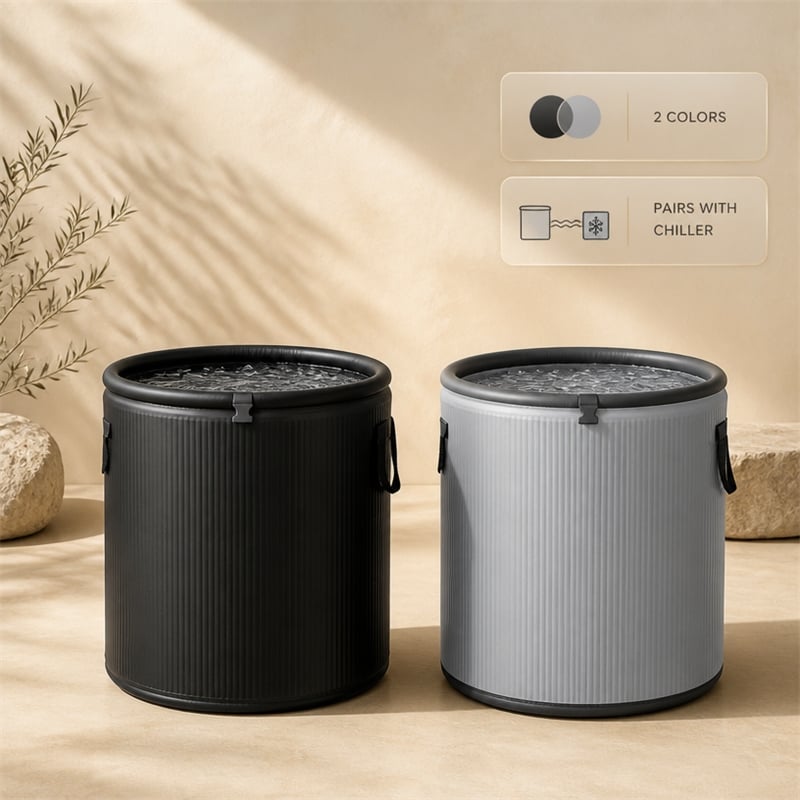
A traditional ice bath setup typically relies on a simple container—often a bathtub, large tub, or stock tank—filled with cold water and supplemented with ice. The ice bath method requires manual ice addition, usually several bags of ice per session, to achieve and maintain the target cold temperature. This setup minimizes equipment investment but demands consistent ice procurement and storage space. The ice bath experience depends heavily on how much ice is added and how frequently users replenish it during their immersion session.
Cold Plunge System Setup
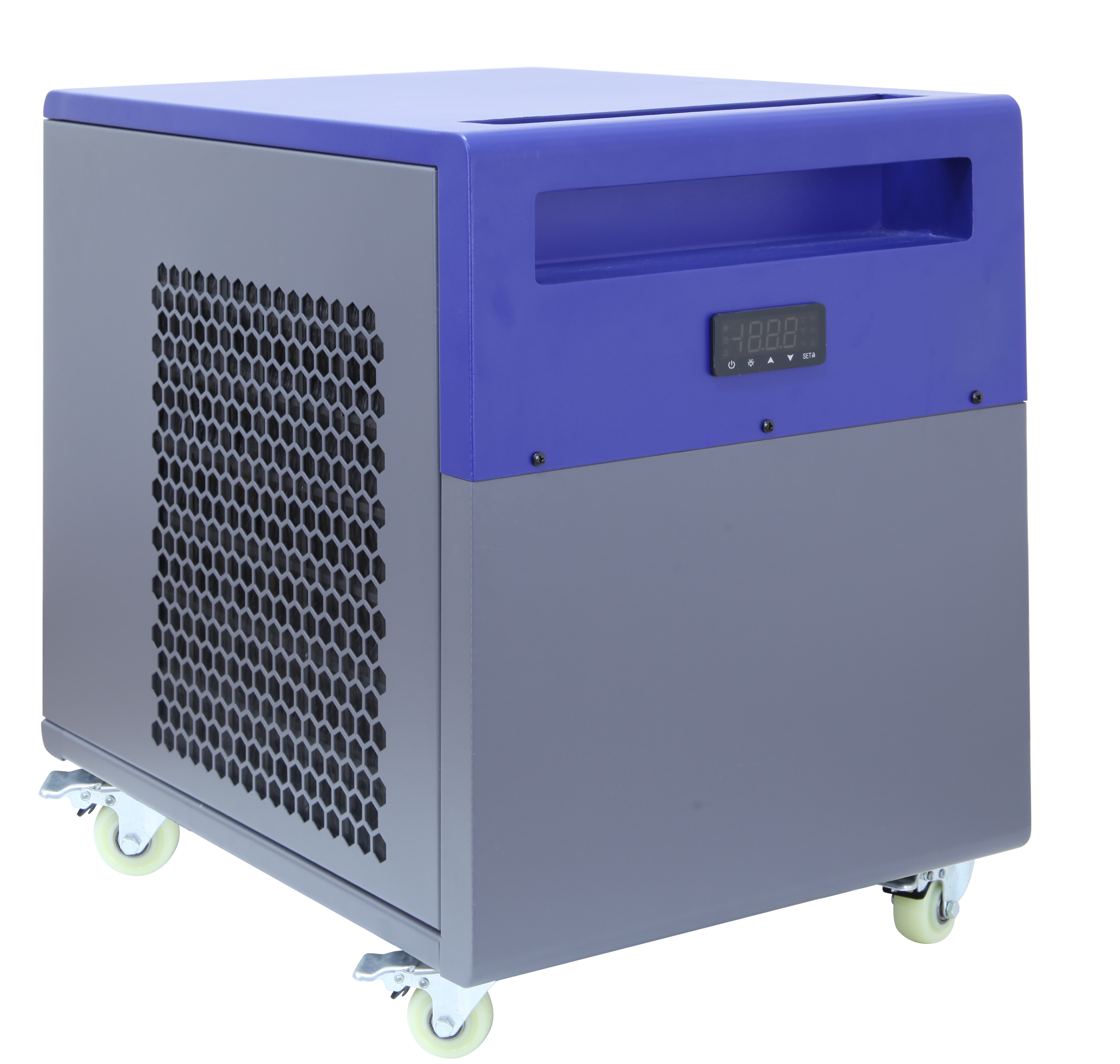
A cold plunge setup, by contrast, typically features a dedicated immersion tub paired with a temperature control unit or chiller system. Rather than relying on manual ice addition, a cold plunge uses an integrated chiller or cooling mechanism to maintain precise water temperatures electronically. This setup offers automated temperature regulation, eliminating the need for constant ice management. The cold plunge configuration generally includes a filtration system, pump circulation, and digital controls that allow users to set exact temperature targets and monitor them throughout their session.
Temperature Control Mechanisms
Ice Bath Temperature Management
The ice bath approach relies on passive cooling through ice melting into the water. Temperature fluctuates naturally as ice melts and users displace water during immersion. Maintaining consistent cold in an ice bath requires frequent ice replenishment, making temperature stability difficult during longer sessions. The ice bath temperature starts cold but gradually warms as ice melts, meaning users experience a shifting thermal environment rather than consistent conditions. This variability can affect the consistency of recovery outcomes and user comfort levels.
Cold Plunge Active Cooling
A cold plunge system uses an active chiller that removes heat from the water continuously, maintaining steady temperatures regardless of immersion duration. Users can program exact temperature settings, and the system automatically compensates as water warms. This comparison reveals that cold plunge technology delivers superior temperature precision and stability. The setup includes circulation pumps that distribute cooled water evenly throughout the tub, ensuring uniform thermal exposure and eliminating cold spots or warm zones that compromise the recovery experience.
Installation, Maintenance, and Operational Considerations
Ice Bath Logistics
An ice bath setup requires minimal installation effort—simply place a container and fill it with water and ice before each use. However, the operational demands are substantial. Users must purchase ice regularly, store it properly to prevent melting, and manage the logistics of ice delivery or production. Maintenance involves draining water after use and cleaning the container. The ice bath comparison shows lower upfront investment but higher ongoing labor and supply chain dependency. For users with irregular sessions or limited access to affordable ice, this setup becomes impractical and costly over time.
Cold Plunge Installation and Upkeep
A cold plunge system requires more sophisticated installation, including electrical connection, water supply setup, and proper drainage configuration. Initial setup is more complex but eliminates recurring supply chain issues. Maintenance involves occasional filter cleaning, water chemistry monitoring, and system descaling to prevent mineral buildup. The cold plunge setup offers consistent, hands-off operation once installed. While the upfront investment is higher, the comparison shows reduced long-term operational burden. Professional facilities and dedicated recovery spaces increasingly favor cold plunge systems because they require minimal daily intervention and deliver predictable results.
FAQ
Is an ice bath the same as a cold plunge?
While the terms are often used interchangeably, the setup differences are significant. An ice bath uses manual ice supplementation, while a cold plunge features an integrated cooling system. The ice bath approach is simpler but labor-intensive; the cold plunge setup provides automation and temperature precision. For recovery purposes, both expose users to cold water, but the cold plunge offers superior consistency and control.
Which setup is more cost-effective long-term?
An ice bath has lower initial costs but higher recurring expenses due to ice procurement and storage. A cold plunge requires substantial upfront investment but offers lower operational costs over time. The comparison favors cold plunge systems for frequent users or facilities expecting regular sessions. For occasional personal use, an ice bath may prove more economical despite ongoing ice expenses.
Can I convert an ice bath to a cold plunge system?
Yes, many users upgrade from ice bath containers by adding portable chiller units designed for immersion tubs. This hybrid approach combines the ice bath simplicity with improved temperature control. A retrofitted cold plunge setup can transform an existing container into a more effective recovery tool without complete replacement, offering a middle ground between traditional ice bath and full cold plunge systems.
 EN