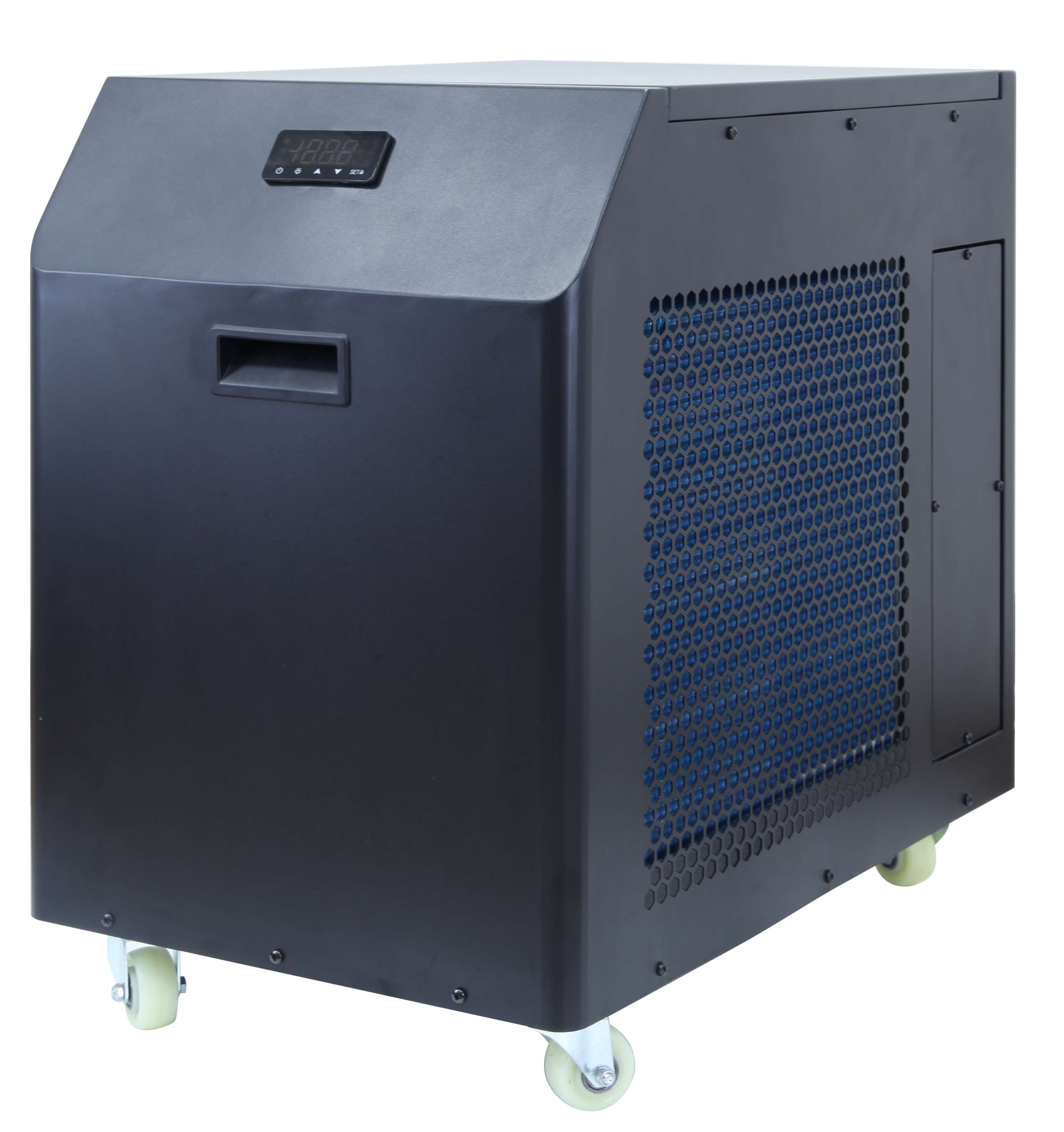
Choosing between an ice bath chiller and traditional ice for daily cold water immersion requires understanding the practical differences in setup, maintenance, and long-term value. Many people assume traditional ice is the simpler choice, but modern ice bath chiller technology offers distinct advantages for consistent, daily use that traditional methods cannot match. The decision depends on your commitment level, budget, available space, and how frequently you plan to use cold water therapy.
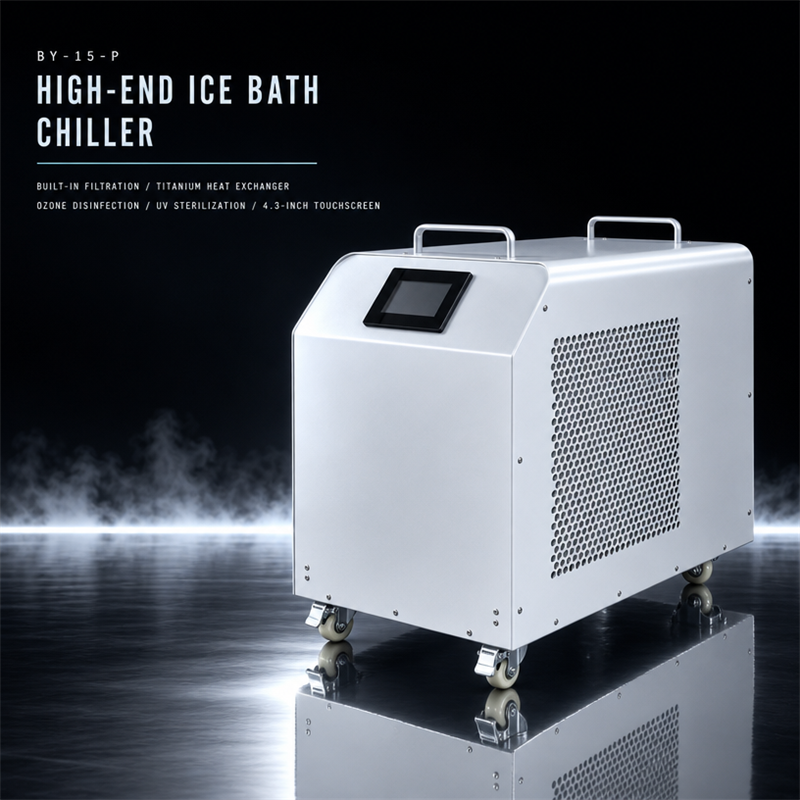
An ice bath chiller delivers precise temperature control and eliminates the repetitive purchasing and storing of large quantities of ice. Traditional ice requires constant restocking, takes up freezer space, and dilutes as it melts, creating water quality inconsistency. For anyone serious about daily wellness routines, understanding these operational differences helps clarify which cooling method aligns with your lifestyle and budget constraints.
Understanding Ice Bath Chiller Technology and Traditional Ice Methods
An ice bath chiller uses a refrigeration system to cool water to your desired temperature, maintaining it automatically. Most chillers feature digital controls allowing you to set exact temperatures between 40°F and 60°F, ensuring consistent cold exposure without guesswork. The cooling system continuously circulates water through the tub, preventing temperature fluctuations that occur with traditional ice melting. This precision makes daily use predictable and safe.
Traditional ice relies on purchasing bagged ice from stores, storing it in your freezer or coolers, and manually adding it to your tub throughout each session. As ice melts, water temperature rises gradually, water dilutes with meltwater, and you must monitor conditions manually. This method works for occasional use but becomes labor-intensive and inconsistent for daily wellness routines where temperature stability matters.
Temperature Control and Consistency in Daily Use
For daily use, ice bath chiller systems maintain exact temperatures throughout your entire session, eliminating the need to add more ice mid-session. Traditional ice methods cause temperature to rise as ice melts, reducing the effectiveness of your cold exposure time. If you commit to daily cold water immersion, the consistent cooling from a chiller ensures you receive uniform treatment every single day, whereas traditional ice introduces variability that undermines fitness and wellness goals.
Maintenance Requirements and Long-Term Commitment
Traditional ice demands ongoing purchasing expense, storage space in your freezer, and time spent restocking supplies. An ice bath chiller requires initial capital investment but eliminates recurring ice purchases, reducing long-term operational costs for daily use over 2–3 years. Chiller maintenance involves periodic filter changes and occasional descaling, far less demanding than constantly buying and storing ice for daily immersion sessions.
Cost Analysis: Upfront Investment Versus Ongoing Expenses
Initial Setup Costs and Budget Fit
Traditional ice setup requires only a tub or cooler and access to ice supplies, making it initially inexpensive. An ice bath chiller involves upfront purchase ranging from $1,500 to $4,000 or more depending on capacity and cooling features. For casual weekly immersion, traditional ice remains budget-friendly, but for daily use committed to wellness, the chiller investment amortizes quickly when you calculate ice costs over months and years.
Operating Costs and Seasonal Variations
Daily ice purchases for traditional methods cost $15–$40 monthly depending on consumption and local pricing. Over a full year, this adds $180–$480 in recurring ice expense alone, not including water, travel time, and freezer space dedicated to storage. A chiller uses electricity for cooling, typically $20–$50 monthly depending on usage and climate. This comparison reveals that ice bath chiller systems become cost-competitive within 3–4 years of daily use, while traditional ice locks you into permanent recurring expense.
Space, Convenience, and Lifestyle Fit for Daily Wellness
Physical Space and Storage Demands
Traditional ice requires dedicated freezer space, coolers for transport, and storage area for daily supplies, creating clutter in home and garage environments. An ice bath chiller occupies only the footprint of your immersion tub itself, often 48–60 inches long and 30 inches wide, fitting into dedicated wellness areas or home gyms. For anyone with limited freezer capacity or space constraints, a chiller eliminates the daily ice storage challenge that disrupts household organization.
Convenience and Routine Sustainability
Daily use sustainability depends heavily on removing friction from your wellness routine. With traditional ice, you must plan ice purchases, manage storage, monitor melting rates, and adjust temperature manually. A chiller eliminates these steps—fill the tub, set your target temperature, and return daily to perfectly chilled water ready for use. This simplicity increases adherence to daily cold therapy routines because the setup requires minimal thought or preparation.
Seasonal Cooling and Year-Round Readiness
During warm months, ice becomes scarce, expensive, and melts faster, making daily consistency difficult. Winter ice availability improves but freezer space remains contested. An ice bath chiller maintains your target temperature regardless of outdoor temperature or season, ensuring daily use remains possible year-round without planning around ice availability. This reliability makes chiller systems ideal for those treating cold water immersion as a permanent daily wellness practice rather than seasonal experimentation.
FAQ
Is an ice bath chiller worth the investment for daily use?
Yes, if you commit to daily cold water immersion over 18 months or longer. An ice bath chiller eliminates recurring ice purchases, provides temperature consistency, reduces maintenance time, and frees freezer space. Traditional ice costs compound over time, and daily inconsistency undermines wellness results. For serious daily users, the chiller investment pays itself through cost savings and improved routine adherence within 3–4 years.
Can I use traditional ice occasionally while testing daily cold water immersion?
Absolutely. Traditional ice comparison methods work perfectly for testing whether daily cold water immersion fits your wellness goals before committing to a chiller purchase. Use ice for 2–4 weeks, observe daily use patterns, assess time commitment, and track consistency challenges. This trial period helps you decide confidently whether a chiller investment aligns with your long-term wellness plans. Many people gain clarity about daily use commitment through this testing phase.
What cooling capacity should I choose if starting daily cold water immersion?
For daily use, select a chiller sized to reach and maintain your target temperature within 2–3 hours of startup. A 0.5 horsepower to 1.0 horsepower system typically handles single-user daily immersion in 300–500 gallon tubs, cooling water 15–20 degrees Fahrenheit below ambient temperature. Consult cooling specifications for your tub volume and desired temperature range. Undersizing creates frustration; oversizing wastes electricity. Proper sizing ensures smooth daily use without waiting extended periods for temperature targets.
 EN