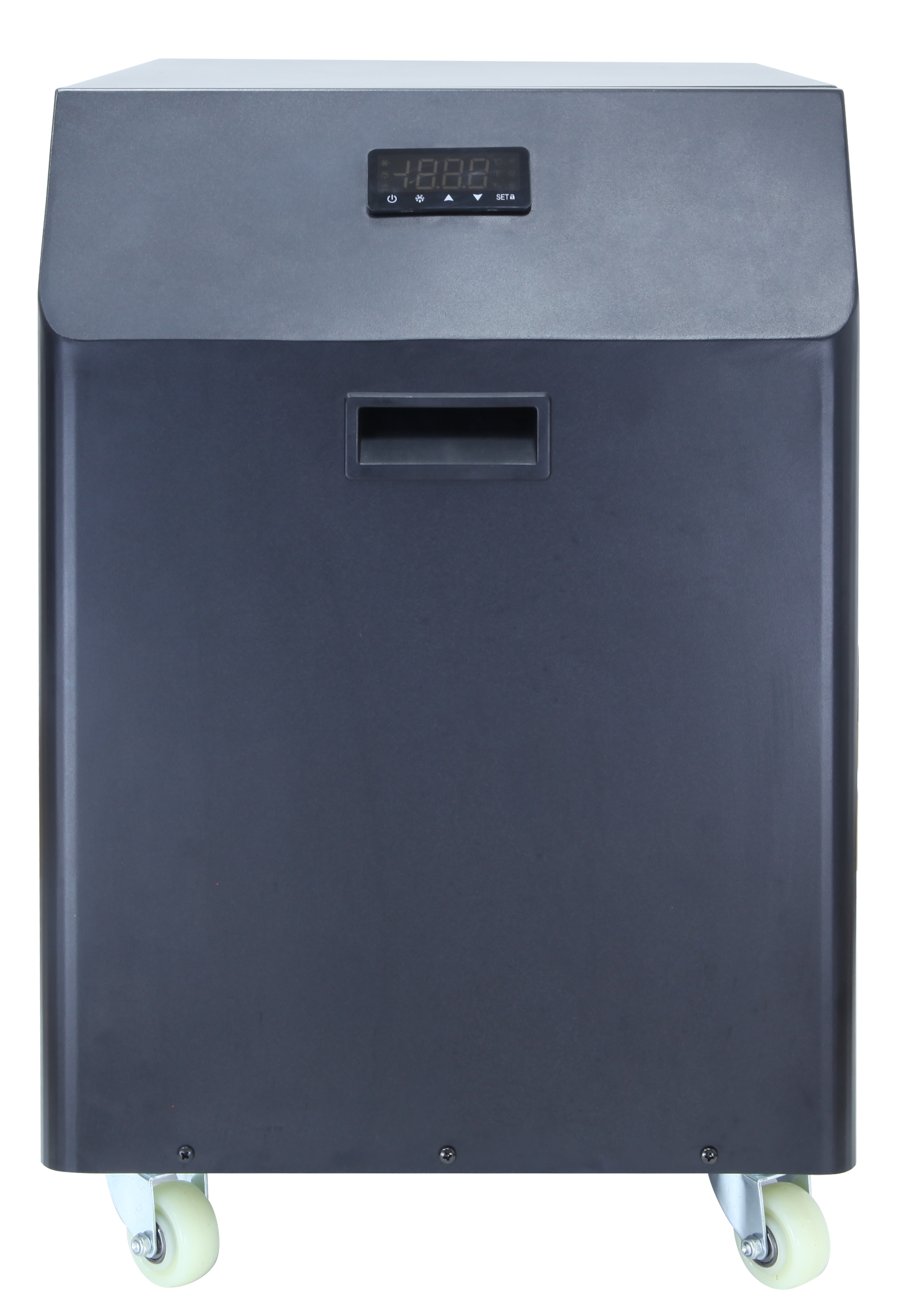
Water circulation stands as one of the most critical factors determining how effectively a cold plunge chiller operates. Without proper water circulation, even the most advanced cooling system will struggle to maintain consistent temperature, distribute cooling evenly, and deliver the performance you expect from your wellness investment. Understanding this relationship helps facility managers, spa operators, and home wellness enthusiasts optimize their ice bath systems for peak results.

The relationship between water circulation and cooling performance is fundamental to thermal management. When water circulation flows inadequately through your chiller's heat exchange system, the cooling process becomes inefficient, temperature gradients form within the plunge basin, and energy consumption rises without delivering better results. Conversely, optimized water circulation ensures uniform cooling distribution, faster temperature recovery, and reliable performance across every plunge session.
Understanding Water Circulation Dynamics
How Water Circulation Impacts Cooling Efficiency
Water circulation directly influences how effectively heat transfers from the plunge basin to your chiller's cooling components. The faster and more uniformly water circulates, the more thermal energy your system can remove per cycle. Low circulation rates mean the same water recirculates without adequate heat exchange, forcing the compressor to work longer and harder to achieve target temperatures. High-velocity circulation, when properly designed, maximizes contact between cold refrigerant lines and circulating water, accelerating the cooling cycle.
Temperature uniformity depends entirely on consistent water circulation patterns. Dead zones or stagnant areas in the plunge basin create hot spots where water remains warmer than other regions. Users experience uncomfortable temperature variations when entering different sections of the basin. Optimized water circulation eliminates these zones by maintaining steady flow throughout the basin volume, ensuring every user encounters the same temperature regardless of position within the pool.
Pump Specifications and Flow Rate Requirements
The pump determines your cold plunge chiller's circulation capacity and system reliability. Undersized pumps cannot deliver sufficient flow velocity to maximize cooling performance. Oversized pumps waste energy and create unnecessary turbulence without proportional cooling gains. Most professional-grade ice bath systems operate optimally within specific flow rate ranges, typically between 15 and 40 gallons per minute depending on basin volume and chiller capacity.
Pump durability directly correlates with cooling performance consistency. Variable-speed pumps offer better efficiency by adjusting circulation rates based on temperature demands. During heating recovery phases, reduced circulation still maintains adequate heat exchange while consuming less electricity. Premium pumps feature thermal protection, corrosion-resistant materials, and sealed bearings designed to operate continuously in humid spa environments without degradation affecting water circulation quality.
Temperature Stability and Circulation Patterns
Achieving Consistent Temperature Distribution
Temperature stability represents the primary benefit of optimized water circulation in any cold plunge chiller system. Inconsistent circulation allows temperature stratification, where cooler water sinks and warmer water rises, creating uncomfortable pockets. Strategic circulation design prevents this layering by moving water vertically and horizontally throughout the basin. Multiple inlet and outlet ports positioned strategically force the entire water volume through the cooling circuit before returning to the basin.
Users perceive performance quality through temperature consistency rather than the absolute low temperature achieved. A chiller maintaining 52 degrees Fahrenheit uniformly throughout the basin outperforms a system reaching 48 degrees with 10-degree variations between different areas. Consistent performance depends on circulation that prevents short-circuiting, where incoming cold water travels directly to the outlet without properly mixing with basin water. Professional circulation design eliminates this phenomenon through baffle systems and strategic port placement.
Recovery Time Between Sessions
Water circulation speed directly determines how quickly your cold plunge chiller recovers temperature after user sessions. When multiple users plunge consecutively, body heat and thermal displacement warm the water. Rapid water circulation through the chiller's cooling circuit restores target temperature faster, enabling higher facility throughput and better user satisfaction. Systems with slow circulation require longer intervals between sessions, reducing revenue potential at commercial facilities and limiting accessibility for home users.
Recovery performance also reflects energy efficiency. A chiller that recovers temperature in 45 minutes with fast circulation performs better than one requiring 90 minutes with slow circulation, even if both reach identical temperatures eventually. The slower system runs compressors longer, consuming more electricity and generating greater wear on mechanical components. Commercial facilities calculating operational costs discover that superior water circulation reduces total energy consumption despite higher initial pump investments.
Optimization Strategies for Maximum Performance
Circulation System Design Considerations
Professional cold plunge chiller installations prioritize circulation system design from initial planning stages. Pipe diameter directly affects flow velocity and pressure drop across the cooling circuit. Undersized pipes create excessive friction, reducing actual flow rates below pump capacity. Oversized pipes allow sediment settlement and require more energy to pressurize. Experienced installers calculate optimal pipe sizing based on specific chiller models and facility requirements, ensuring water circulation matches design specifications.
Filtration systems require integration into circulation loops to maintain water quality and system reliability. Filters prevent algae growth, mineral deposits, and particulate accumulation that restrict water circulation and reduce cooling performance. Many advanced ice bath chillers incorporate multi-stage filtration with automatic cleaning cycles. Regular filter maintenance becomes critical because clogged filters dramatically reduce water circulation velocity, degrading performance while increasing energy consumption and equipment strain.
Maintenance Practices Preserving Circulation Quality
Routine maintenance directly impacts long-term water circulation performance and cooling reliability. Sediment and mineral buildup accumulate within pipes and heat exchangers over months of operation, gradually restricting flow rates. Annual system flushing removes deposits before they significantly impair circulation. Professional technicians use specialized flushing equipment that circulates cleaning solutions through the entire system, restoring water circulation to near-original specifications and recovering lost performance without expensive component replacements.
Pump maintenance preserves the consistent water circulation that defines reliable chiller performance. Seals and bearings require inspection annually to detect wear before complete failure occurs. Clogged pump intake filters reduce suction pressure and actual flow rates despite full pump operation. Checking and cleaning intake screens before each season ensures maximum water circulation throughout your system's operational lifetime. Preventive maintenance costs significantly less than emergency replacements that disable your chiller during peak-use periods.
FAQ
Why does water circulation affect cooling performance more than chiller capacity?
Water circulation determines how effectively your cold plunge chiller transfers thermal energy from the plunge water to the cooling system. Even the most powerful chiller cannot achieve optimal performance with inadequate circulation because the cooling components cannot access enough thermal energy to exchange. Optimal circulation allows the chiller to operate at maximum efficiency, transferring heat rapidly and consistently, which results in better temperature stability and faster recovery between sessions than systems with poor circulation regardless of raw cooling capacity.
What circulation flow rate should I expect from a quality ice bath chiller system?
Professional cold plunge chiller systems typically maintain circulation rates between 15 and 40 gallons per minute depending on basin volume and cooling capacity. Smaller residential systems operate at the lower end of this range, while commercial installations often reach 40 or higher. Your specific chiller's documentation should specify optimal flow rates for that model. If your system operates significantly below the manufacturer's recommended water circulation specifications, you may experience degraded cooling performance, uneven temperature distribution, and reduced recovery speed between plunges.
Can I improve my chiller's performance by upgrading the pump for better water circulation?
Upgrading to a higher-capacity pump can improve water circulation if your current system operates below design specifications due to pump limitations. However, increasing circulation beyond the original design parameters may create unnecessary turbulence, noise, and energy consumption without proportional performance gains. Before upgrading, verify that reduced circulation actually stems from pump capacity rather than filter clogging, pipe restrictions, or system design issues. Consulting your cold plunge chiller manufacturer ensures you select pump upgrades compatible with your specific system and calibrated to operate within the designed circulation parameters.
 EN