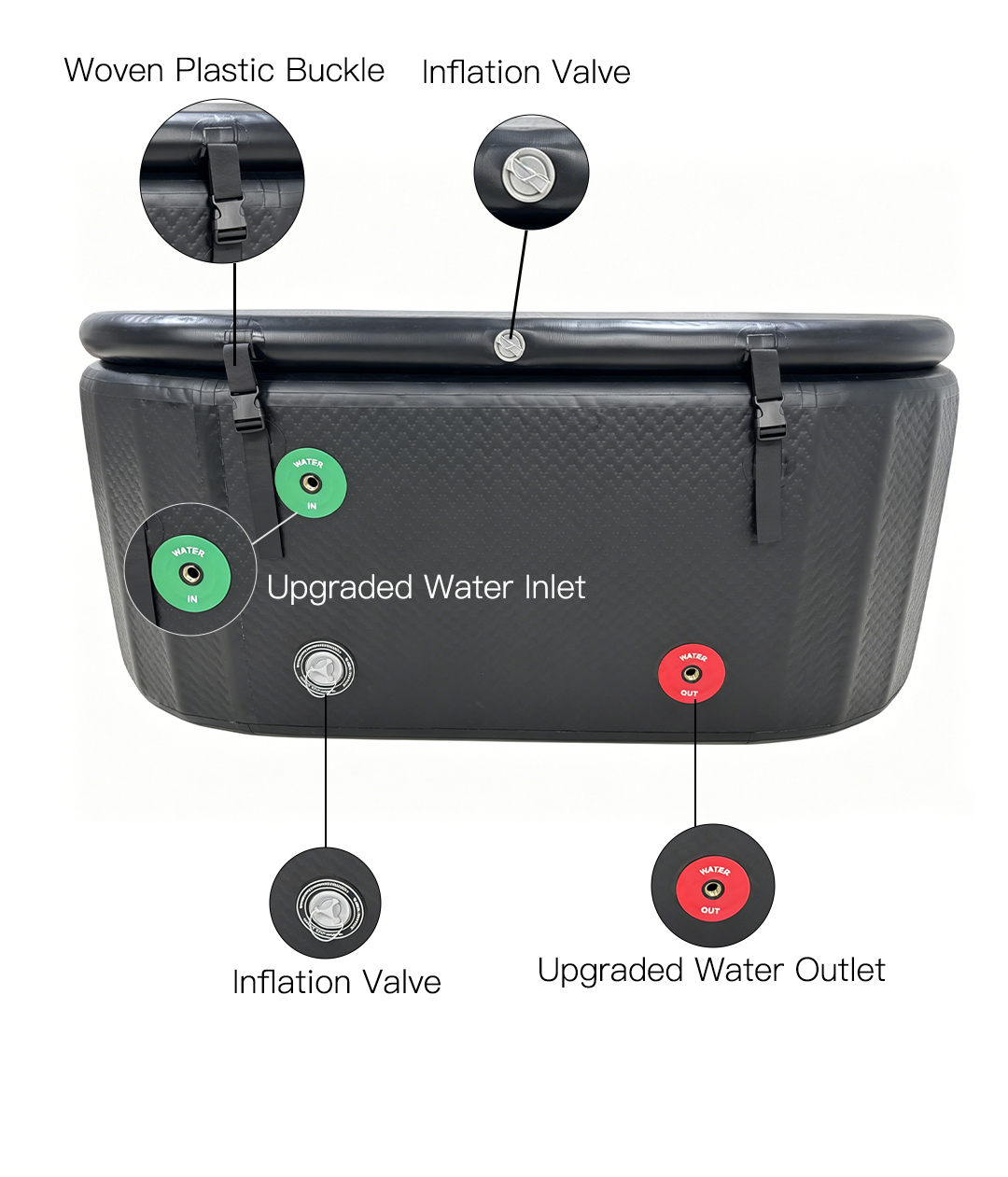
Managing multiple facilities presents unique operational challenges, and selecting the right ice bath tub across different locations requires careful planning and consistency. When organizations operate resorts, spas, athletic centers, or wellness facilities in various regions, equipment decisions become increasingly complex. Without a coordinated approach, facilities often end up purchasing different models, experiencing inconsistent performance, facing maintenance headaches, and incurring unnecessary costs. The key to success lies in developing a comprehensive standardization framework that addresses your unique operational needs while maintaining flexibility for site-specific conditions.
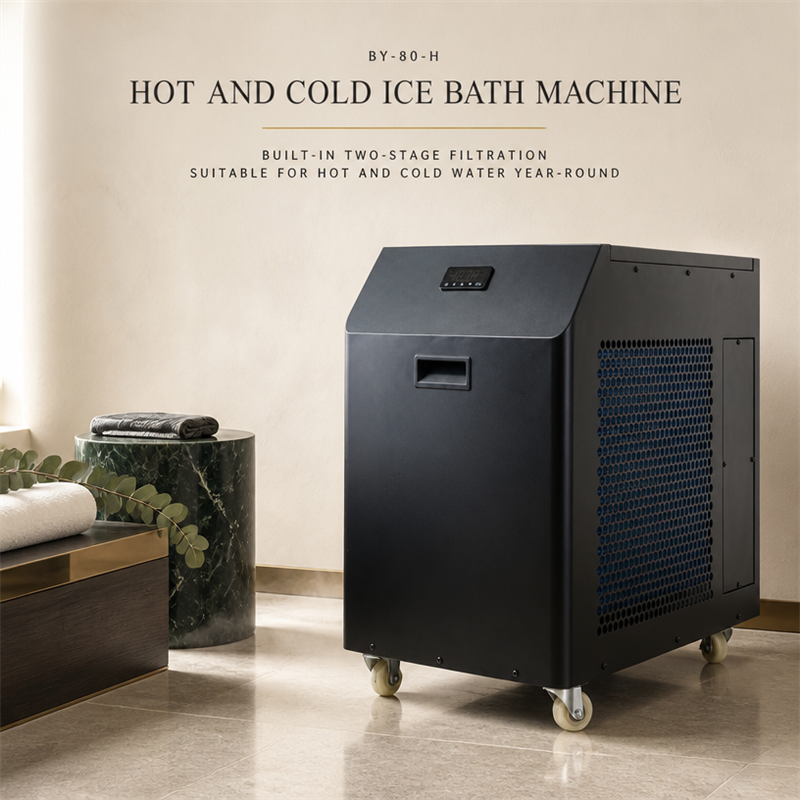
Effective standardization of ice bath equipment across your multi-site portfolio delivers measurable benefits beyond simple consistency. When all facilities operate the same ice bath tub models with identical specifications, your technical teams develop deeper expertise, inventory management becomes streamlined, staff training becomes more efficient, and emergency support becomes faster. Your facilities also benefit from volume purchasing power, simplified warranty management, and predictable operational costs. Moreover, guests and athletes experience the same high-quality cold therapy experience regardless of which location they visit, strengthening your brand reputation and customer loyalty across your entire network.
Assessing Your Multi-Site Requirements
Evaluating Facility-Specific Needs
The foundation of successful standardization begins with honest assessment of how each facility operates. Multi-site facility planning requires understanding usage patterns, capacity demands, user demographics, and climate conditions at each location. Some facilities may serve high-volume athletic programs requiring industrial-capacity ice bath equipment, while others may operate boutique wellness centers with modest daily usage. Geographic location matters significantly—facilities in warmer climates may require different cooling specifications than those in colder regions. Document current usage metrics, peak times, daily user volumes, and any special requirements unique to each site before making standardization decisions.
Identifying Common Ground Across Locations
Despite operational differences, most multi-site facilities share core commonalities that enable meaningful standardization. All locations need reliable temperature control, consistent water quality management, durable construction, and user safety features. When you identify these universal requirements, you create the baseline specifications for your standardized ice bath tub selection. Facilities benefit most when this standardization applies to primary equipment while allowing minor customization for installation specifics. This balanced approach maintains the efficiency gains of standardization while respecting legitimate facility differences without fragmenting your equipment portfolio.
Developing Your Standardization Framework
Creating Equipment Specifications
Building a robust standardization framework starts with developing detailed equipment specifications that your organization will adopt across all facilities. These specifications should define tub capacity, temperature range, cooling power, circulation system requirements, material standards, and safety features. Commercial-grade specifications typically address higher durability demands than consumer equipment. Your framework should specify performance metrics, not just model numbers, allowing flexibility in supplier selection while ensuring consistent quality. Include maintenance requirements, cleaning protocols, and operational procedures within your specifications so every facility operates equipment identically, reducing confusion and minimizing performance variation.
Establishing Implementation Phases
Implementing standardization across multiple sites requires phased planning rather than sudden wholesale replacement. Begin with your highest-priority facilities or those with the oldest equipment, then systematically upgrade remaining locations. This phased approach spreads capital expenditure across budget cycles, allows your teams to refine processes before full rollout, and reduces operational disruption. During implementation, run parallel systems at transitioning sites so staff become comfortable with new equipment before decommissioning older units. Document every step of your implementation, capturing lessons learned that improve subsequent facility upgrades. This methodical process transforms standardization from theoretical policy into operational reality.
Managing Vendor Relationships and Procurement
Negotiating Volume Agreements
Multi-site standardization gives your organization substantial negotiating leverage with equipment vendors. When you commit to purchasing identical ice bath tub equipment across multiple facilities, you become an attractive high-volume customer eligible for volume discounts, priority service, and favorable warranty terms. Prepare detailed procurement specifications outlining your facility planning requirements, expected purchase quantities, implementation timeline, and long-term support needs. Leverage this information to negotiate pricing, demonstrate commitment, and establish partnerships with vendors capable of supporting your entire facility network. Strong vendor relationships also ensure better technical support, faster parts availability, and priority response during emergencies.
Building Maintenance and Support Networks
Standardized equipment enables efficient maintenance planning and support coordination across your multi-site network. Develop centralized maintenance protocols applicable to all facilities while training local technicians to handle routine service independently. Coordinate with your vendor to establish regional support centers, training programs, and parts distribution channels that serve your entire portfolio efficiently. When all facilities operate identical ice bath tub models, your organization can maintain smaller centralized spare parts inventory while reducing stockouts. Create documentation databases accessible to all facility managers, allowing knowledge sharing across locations and accelerating problem resolution when issues arise at any site.
FAQ
What factors should guide ice bath tub standardization across multiple facilities?
Prioritize capacity requirements, temperature control specifications, durability standards, and total cost of ownership across your facility network. Consider usage patterns at each location, climate conditions, user demographics, and maintenance capabilities. Balance standardization benefits like cost efficiency and simplified training against legitimate facility differences. Involve facility managers in evaluation so standardization decisions reflect practical operational needs rather than top-down mandates disconnected from daily realities.
How can multi-site facility planning reduce operational costs through standardization?
Volume purchasing of identical ice bath tub equipment generates significant bulk discounts from vendors. Standardization reduces training costs since staff learn one system rather than multiple models. Maintenance becomes more efficient when technicians understand single equipment type across all locations. Spare parts inventory shrinks because you stock components for fewer models. Support staffing becomes more flexible since technicians can troubleshoot identical systems regardless of facility location.
What implementation timeline should organizations expect for complete standardization?
Implementation timelines vary based on facility count, current equipment age, and capital availability. Most organizations complete standardization across their entire multi-site portfolio within twelve to thirty-six months using phased implementation. Start with highest-priority or oldest-equipment facilities, then systematically progress through remaining locations. Allow three to six months at each facility for installation, staff training, and system optimization before moving to the next site. Document and refine processes continuously throughout implementation to improve efficiency at subsequent locations.
 EN