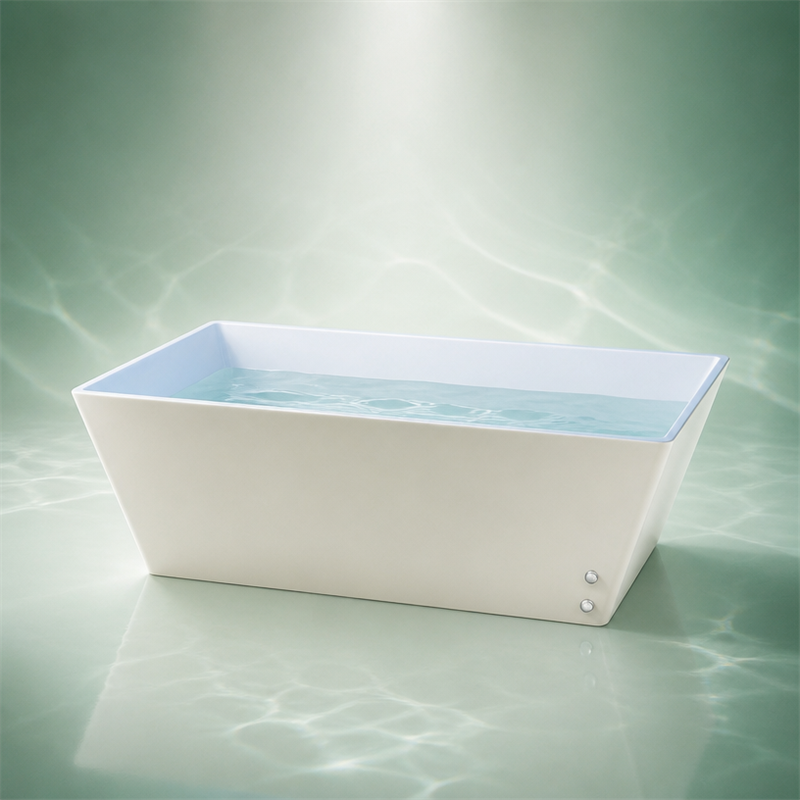
Building a private label program around wellness equipment requires strategic planning, reliable manufacturing partnerships, and deep market understanding. Sourcing a cold plunge tub for your brand demands more than finding the lowest price—it demands alignment with your quality standards, target market expectations, and long-term business objectives. Whether you are launching your first private label product or expanding an existing catalog, understanding the sourcing landscape will position your business for sustainable growth in the rapidly expanding cold water immersion market.
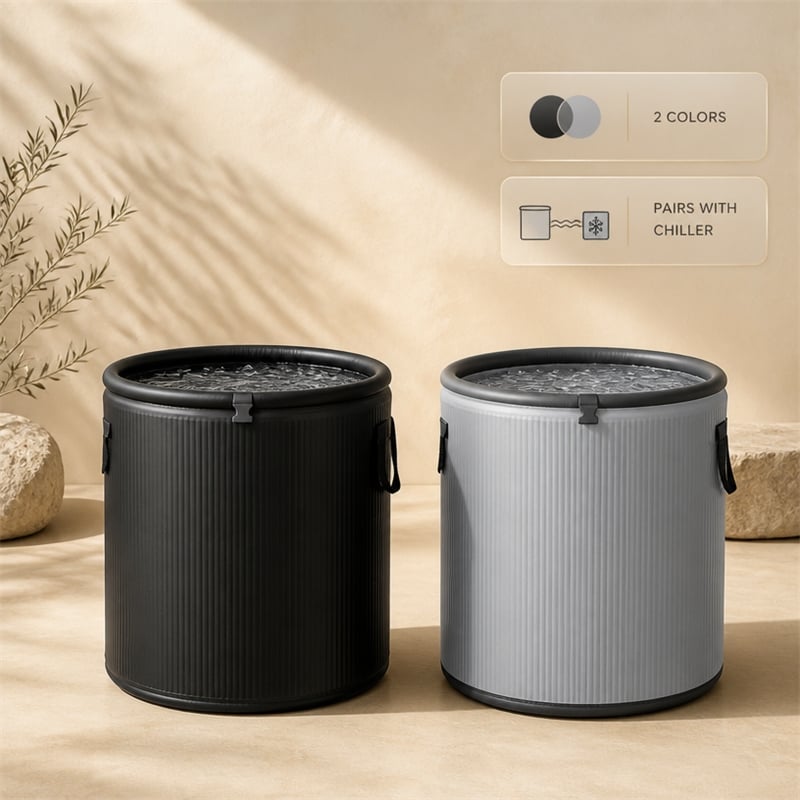
The cold plunge tub market has matured significantly, with manufacturers now offering diverse designs, materials, and feature sets tailored to different customer segments. Private label sourcing unlocks competitive advantages: lower per-unit costs through volume commitments, exclusive design options that differentiate your brand, and direct relationships with OEM partners who understand your vision. This guide walks you through the complete sourcing process, from identifying qualified manufacturers to negotiating terms and managing quality control throughout your private label program lifecycle.
Understanding Private Label and OEM Sourcing Fundamentals
Private Label vs. OEM Models in the Cold Plunge Tub Industry
Private label sourcing involves partnering with manufacturers who produce cold plunge tub units under your brand name, typically with some level of customization in branding, packaging, and specifications. OEM relationships go deeper, allowing you to influence product design, materials, and engineering specifications from initial development stages. Both models offer distinct advantages: private label programs accelerate time-to-market and reduce upfront investment, while OEM partnerships provide technical control and proprietary innovation opportunities. Understanding your business goals—whether rapid market entry or long-term differentiation—determines which sourcing model aligns with your strategy.
Market Positioning and Competitive Landscape
The cold plunge tub market includes entry-level consumer products, mid-range professional installations, and premium luxury segments. Sourcing decisions must reflect where your private label brand will compete. Entry-level products prioritize affordability and basic functionality, while professional-grade units emphasize durability, temperature precision, and integration capabilities. Understanding competitor positioning, customer pain points in your target segment, and emerging features like smart controls and eco-friendly materials guides your sourcing specifications and partner selection criteria. A clear market positioning statement ensures your sourcing team identifies manufacturers capable of delivering your intended brand promise.
Identifying and Evaluating Cold Plunge Tub Manufacturers
Sourcing Channels and Manufacturer Discovery
Locating qualified cold plunge tub manufacturers requires multi-channel research strategies. Industry trade shows, manufacturing directories, online B2B platforms, and direct outreach to established OEM partners reveal potential suppliers. When evaluating sourcing options, prioritize manufacturers with proven experience in private label programs, documented quality certifications, and production capacity aligned with your volume projections. Request samples, detailed product specifications, and references from existing private label clients. Visiting manufacturing facilities when feasible provides direct insight into production capabilities, quality control processes, and operational maturity—critical factors determining whether a sourcing partner can reliably support your private label program growth.
Technical Specifications and Quality Standards
Sourcing cold plunge tub solutions requires defining precise technical specifications that balance performance, cost, and manufacturability. Key specifications include water capacity, temperature control range, material composition, insulation standards, power requirements, and safety certifications. Communicate your quality expectations through detailed documentation: material certifications, dimensional tolerances, performance testing protocols, and compliance requirements for your target market. Leading OEM partners maintain ISO certifications, conduct third-party testing, and implement rigorous quality control gates throughout production. Sourcing partnerships thrive when manufacturers understand your non-negotiable quality thresholds and view specification details as collaboration tools rather than constraints.
Managing Sourcing Relationships and Production Agreements
Negotiating Private Label Terms and Volume Commitments
Sourcing negotiations balance unit pricing, minimum order quantities (MOQs), lead times, and payment terms with your business realities. Most OEM manufacturers establish MOQs to justify setup costs and production efficiency; typical private label minimums range from 50 to 500 units depending on product complexity and customization scope. Negotiate volume-tiered pricing that rewards growth while protecting your initial margins as you scale. Private label programs benefit from transparent cost breakdowns: raw materials, labor, packaging, branding, and margin structure. Clear contractual terms addressing intellectual property ownership, design exclusivity periods, and warranty obligations prevent disputes and establish mutual accountability. Strong sourcing agreements include provisions for quality disputes, return policies, and logistics responsibilities—critical details often overlooked in early negotiations.
Production Timeline and Quality Checkpoints
Effective sourcing requires establishing realistic production timelines with built-in quality checkpoints. Most cold plunge tub OEM manufacturers require 8–16 weeks for initial orders, including mold setup, production runs, and quality inspections. Request detailed production schedules that specify component procurement, assembly phases, testing protocols, and final packaging stages. Implement pre-shipment quality inspections, whether conducted by your team or through third-party quality assurance services. Sourcing agreements should specify acceptable defect rates, testing methodologies, and corrective action procedures when quality issues arise. Regular communication with your OEM partner throughout production cycles prevents surprises and ensures your private label products meet customer expectations at launch and beyond.
Building Sustainable Private Label Growth Strategies
Scaling Production and Managing Supplier Relationships
Successful private label programs grow through consistent demand and reliable supplier partnerships. As your cold plunge tub sales increase, work with OEM manufacturers on production capacity forecasting and supply chain resilience. Communicate sales projections and seasonal demand patterns to enable better inventory planning and raw material sourcing on your manufacturer's end. Private label growth often requires transitioning from single-source to multi-source manufacturing to mitigate supply risk, or expanding partnership depth through OEM collaboration on next-generation products. Maintaining strong sourcing relationships means recognizing manufacturer constraints, paying reliably, and providing honest market feedback that helps them anticipate your evolving needs.
Differentiation and Innovation Through Sourcing Partnerships
Long-term competitive advantage in private label businesses emerges through continuous innovation and differentiation. Engage OEM partners in product development conversations: emerging materials that reduce weight, digital connectivity features that enhance user experience, or sustainability improvements that align with customer values. Private label sourcing becomes strategic when manufacturers contribute technical expertise and market insights that elevate your products beyond commodity offerings. Discuss intellectual property arrangements upfront—many OEM partners will develop innovations specifically for your private label program if exclusivity periods and compensation are clearly defined. This collaborative sourcing approach transforms supplier relationships into innovation partnerships that sustain your private label brand's market leadership.
FAQ
What minimum order quantities should I expect when sourcing a cold plunge tub for private label?
Minimum order quantities for private label cold plunge tub programs typically range from 50 to 500 units, depending on the manufacturer's production capabilities and the complexity of your customization requirements. Entry-level manufacturers may accept smaller MOQs to establish relationships, while established OEM partners with advanced capabilities often require larger commitments to justify setup costs and production scheduling. Negotiate MOQs based on your market entry strategy and initial inventory projections; some suppliers offer volume-tiered pricing that rewards larger commitments with unit cost reductions.
How long does the sourcing and production process typically take for a private label cold plunge tub?
The complete timeline from initial sourcing conversations to product delivery usually spans 12–24 weeks for first orders. This includes 2–4 weeks for manufacturer evaluation and sample requests, 2–3 weeks for specification refinement and quote negotiation, 8–16 weeks for production and quality control, and 1–2 weeks for logistics and customs clearance. Subsequent orders move faster once production setup is complete, typically delivering in 6–10 weeks. Communicating clear timelines and deadlines to OEM partners during sourcing stages helps align expectations and prevent delays that impact your market launch plans.
What quality certifications and safety standards should I require from OEM manufacturers when sourcing cold plunge tubs?
Require OEM manufacturers to hold ISO 9001 certification for quality management and ISO 14001 for environmental standards, demonstrating mature sourcing and production processes. Verify that cold plunge tub designs comply with electrical safety standards (UL, CE) relevant to your target markets, water quality standards, and any medical device regulations if your private label program targets therapeutic applications. Request third-party test reports validating temperature control accuracy, material safety, and structural integrity. Include specific certification requirements in sourcing agreements to ensure compliance before production begins, protecting both your private label brand reputation and customer safety.
 EN