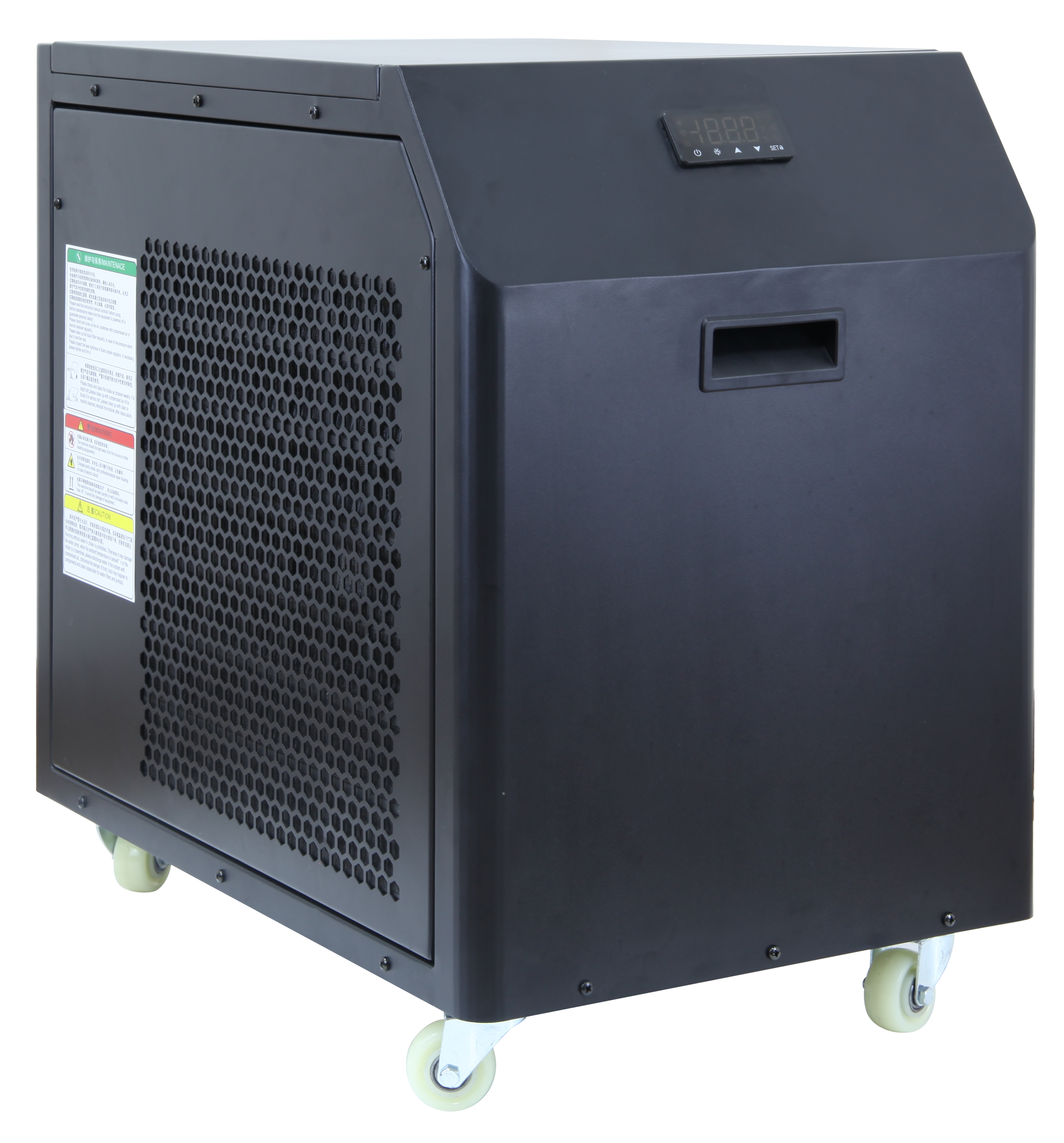
Selecting the right cold plunge chiller represents one of the most critical decisions a recovery center operator will make. The equipment you choose directly impacts your facility's operational efficiency, client satisfaction, and long-term profitability. Whether you operate a high-end spa, athletic training facility, or wellness center, understanding the nuances of cold plunge chiller selection ensures you invest in a system that meets your specific operational demands.
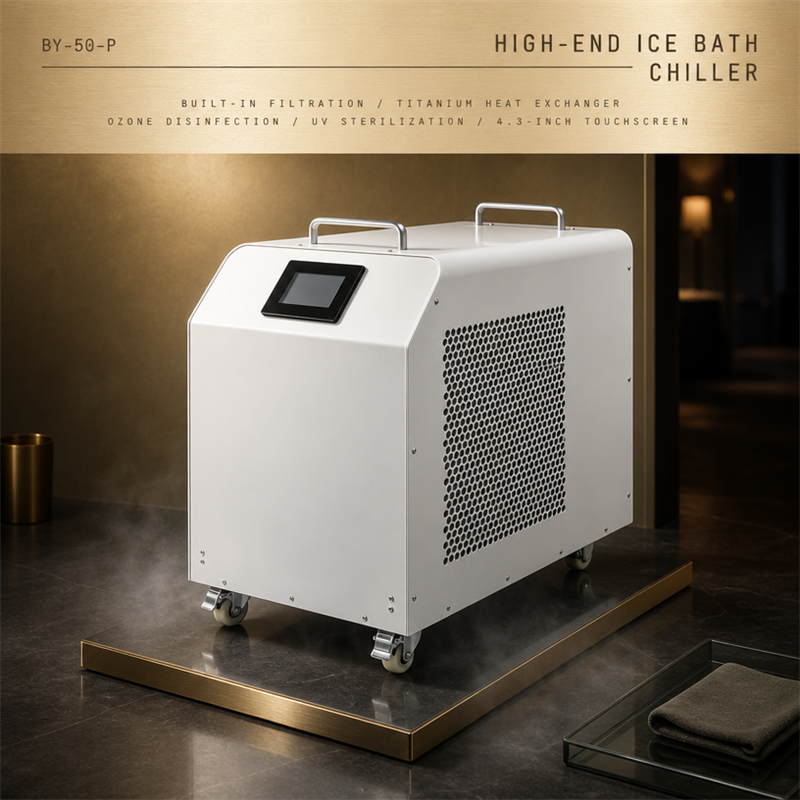
Recovery centers need chillers designed for continuous commercial use. Compare cooling capacity, durability, maintenance, water treatment, and ownership costs to identify equipment suited to your facility.
Understanding Your Facility's Cooling Capacity Needs
Assessing Daily Client Volume and Usage Patterns
Assess daily client numbers and average session duration before selecting a chiller. Facilities serving twenty or more clients daily generally need greater cooling capacity than smaller wellness centers. Match equipment to usage patterns to maintain stable temperatures.
Most commercial cold plunge systems require the water to remain between 45 and 59 degrees Fahrenheit for optimal therapeutic benefit. Your recovery center's ambient conditions, water volume in the plunge tank, and frequency of use all influence how quickly a chiller must remove heat from the water. During peak hours, inadequate cooling capacity forces water temperature to rise, compromising the quality of each client's cold plunge experience and necessitating longer recovery times between sessions.
Matching Chiller Specifications to Tank Volume
Tank volume directly dictates the cooling power required for your recovery center. A 500-liter tank demands different equipment specifications than a 1000-liter installation. The selection process requires calculating the total thermal load, which combines the water volume, target temperature differential, and heat dissipation from ambient conditions and client use. Most commercial-grade cold plunge chiller systems are rated by their cooling capacity in kilowatts, allowing straightforward comparison across product offerings.
For commercial use in a recovery center, oversizing the chiller provides operational flexibility and ensures rapid temperature recovery between client sessions. A system with excess capacity handles unexpected demand spikes gracefully and maintains stable water conditions even during the hottest months. However, selecting a chiller significantly larger than necessary increases capital costs and energy consumption without proportional benefits to your recovery center.
Evaluating Commercial Durability and Maintenance Requirements
Materials, Corrosion Resistance, and Component Quality
Professional recovery centers operate equipment continuously, sometimes twenty-four hours daily during peak seasons. Your cold plunge chiller selection must prioritize materials engineered to withstand constant cycling and prolonged exposure to water, chemicals, and temperature fluctuations. Stainless steel components resist corrosion far better than standard steel, particularly in humid spa and wellness environments. The selection of a chiller with titanium or copper heat exchangers dramatically extends equipment lifespan compared to systems using lower-grade materials.
Commercial-use applications demand compressors rated for extended operation and capable of delivering consistent cooling performance over years of service. Rotary scroll compressors represent the industry standard for recovery center cold plunge chiller systems because they tolerate continuous duty cycles and maintain efficiency better than reciprocating alternatives. When evaluating selection options, inspect warranty terms closely—premium equipment typically includes longer coverage periods reflecting manufacturer confidence in durability and performance reliability.
Maintenance Access and Service Intervals
A cold plunge chiller's design significantly impacts your recovery center's operational continuity and maintenance costs. Systems featuring easily accessible filter housings, drain valves, and component mounting simplify routine maintenance tasks. The selection of equipment with modular components reduces downtime if service becomes necessary. Some commercial-grade chillers incorporate self-diagnostic systems that alert your staff to developing issues before they cause equipment failure or water quality degradation.
Your recovery center should budget for professional service at least annually, with quarterly inspections during heavy-use seasons. The selection of a cold plunge chiller from manufacturers who maintain authorized service networks in your region ensures rapid support when needed. Extended service intervals and simplified maintenance procedures reduce operational disruptions and lower your facility's total cost of ownership significantly over the equipment's lifespan.
Water Quality Management and Sanitization Features
Filtration, Ozone, and UV Sterilization Integration
A recovery center's reputation depends on maintaining pristine water conditions in every cold plunge installation. Your selection should prioritize chillers incorporating advanced water treatment capabilities. Systems combining mechanical filtration with ozone generation and UV sterilization eliminate bacteria, viruses, and algae growth far more effectively than chemical chlorination alone. These integrated sanitization features reduce chemical consumption and create a safer environment for your clients while lowering operational costs.
Commercial-use cold plunge chiller systems equipped with multiple-stage filtration trap particulate matter before water enters the cooling circuit, protecting sensitive components from debris accumulation. Ozone generation creates powerful oxidation that destroys pathogens and organic compounds without chemical residues. UV sterilization provides supplementary pathogen control with zero toxic byproducts. When evaluating cold plunge chiller selection for your recovery center, systems offering integrated water management reduce complexity and ensure consistent water quality that exceeds health department standards.
Monitoring Systems and Automation
Digital monitoring provides temperature, flow, and filter alerts. Some chillers support smartphone connectivity for remote monitoring. Automation reduces manual adjustments and helps staff maintain water quality and equipment performance.
Automated sanitization cycles ensure consistent water treatment without requiring staff intervention. Many commercial-use systems can be programmed to run maintenance routines during off-peak hours, maintaining water conditions while minimizing operational disruption. The selection of equipment with comprehensive monitoring capabilities provides your recovery center with data-driven insights into usage patterns, enabling informed decisions about capacity expansion or maintenance scheduling.
Financial Considerations and Total Cost of Ownership
Initial Capital Investment Versus Long-Term Operational Expenses
Your cold plunge chiller selection decision extends far beyond the purchase price. A recovery center must evaluate the complete financial picture, including energy consumption, maintenance costs, water treatment expenses, and eventual replacement. Premium commercial-use systems often cost significantly more upfront but consume less electricity and require less frequent servicing, yielding superior long-term value. Budget-oriented equipment may seem attractive initially but frequently generates higher operating costs that accumulate over years of operation.
Energy efficiency ratings directly impact your recovery center's monthly utility expenses. A cold plunge chiller operating continuously throughout the year can represent your facility's single largest energy consumer. Selection of equipment with superior insulation, efficient compressors, and smart controls reduces electricity consumption substantially. Calculate your facility's potential energy savings when comparing cold plunge chiller options—a system using 30 percent less energy pays for its premium price difference within two to three years for most commercial recovery centers.
Warranty Coverage and Parts Availability
Check warranty coverage for compressors, heat exchangers, and controls. Confirm local replacement part availability to reduce repair delays and facility downtime. Some manufacturers also offer loaner equipment or expedited warranty shipping.
Consider lifecycle costs when making your final selection decision. A cold plunge chiller representing a significant capital investment for your recovery center should deliver reliable service throughout its operational lifespan. Equipment selection based purely on lowest price frequently results in higher total costs when accounting for reliability issues, frequent repairs, and earlier replacement requirements. Premium commercial-use systems from established manufacturers consistently deliver superior return on investment for professional recovery centers prioritizing reliability and client experience.
FAQ
What size cold plunge chiller does my recovery center need?
Your recovery center's required cold plunge chiller size depends on tank volume, daily client volume, and target water temperature. Most facilities use the rule of approximately 1 kilowatt of cooling capacity per 300 liters of water for continuous commercial use. Calculate your specific needs by multiplying tank volume by the temperature differential required, then consult with equipment specialists who can recommend appropriately sized systems. Selecting oversized equipment provides operational flexibility but increases costs, while undersized equipment compromises client experience during peak usage periods.
How often should a commercial cold plunge chiller require maintenance?
Commercial-use cold plunge chiller systems benefit from quarterly inspections and annual professional servicing to maintain peak performance and extend equipment lifespan. Your recovery center should perform basic maintenance monthly, including filter inspections and sanitization system checks. Most manufacturers recommend refrigerant charge verification, compressor performance testing, and component cleaning during annual service appointments. Proper maintenance reduces the likelihood of unexpected failures that could disrupt your recovery center's operations and compromise water quality.
Can a cold plunge chiller handle continuous 24-hour operation for my recovery center?
Professional-grade cold plunge chiller equipment specifically designed for commercial use can operate continuously around the clock with appropriate maintenance intervals. Your recovery center's selection should focus on systems rated for continuous duty cycles rather than occasional-use equipment that cannot tolerate extended runtime. Verify compressor specifications, cooling capacity ratings, and component durability before selecting a chiller intended for twenty-four-hour operation. Many modern commercial systems include automatic shutdown features during maintenance cycles while maintaining water temperature within acceptable ranges for brief periods.
 EN