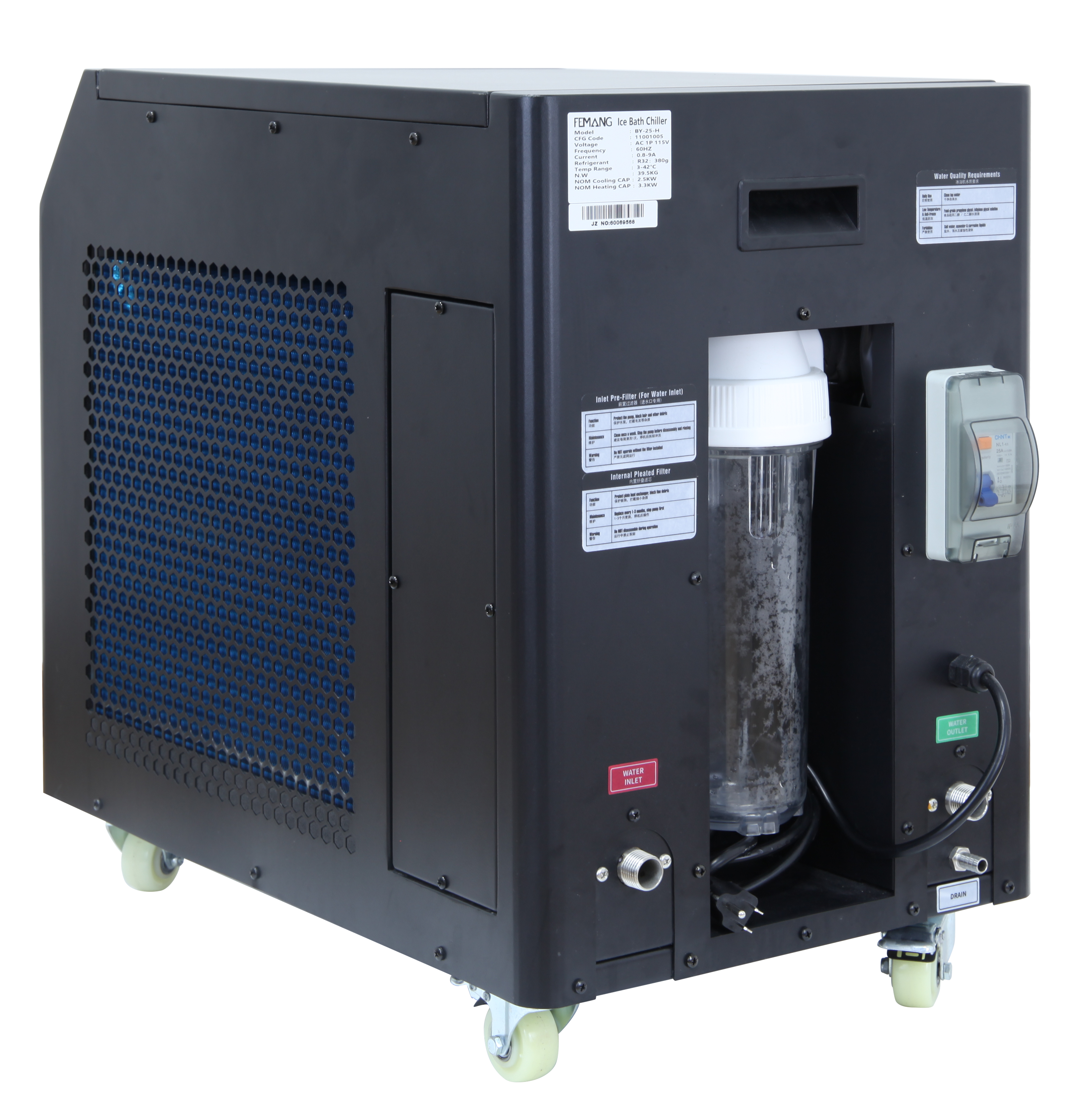
Purchasing an ice bath chiller from international suppliers presents significant operational and financial challenges that many procurement teams underestimate. When you source equipment overseas, you expose your organization to currency fluctuations, extended lead times, compliance complexities, and quality inconsistencies that can derail your facility operations and budget forecasts. Understanding how to navigate these procurement risks is essential for any facility manager, hotel operator, spa director, or wellness center looking to invest in reliable temperature control equipment from distant suppliers.
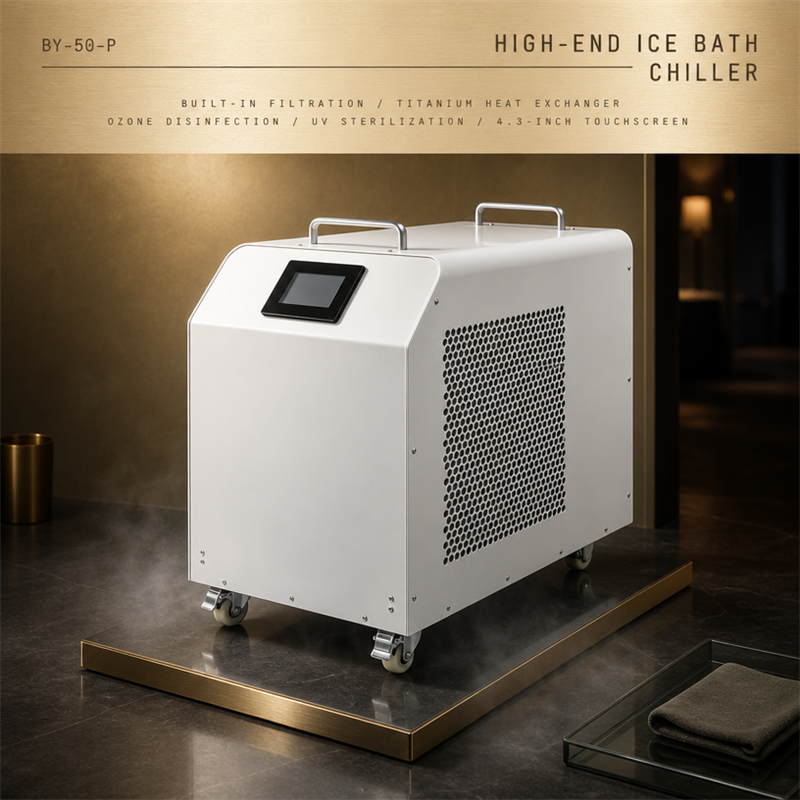
Effective procurement strategies for overseas sourcing require careful planning, vendor evaluation, and contractual clarity from the start. This article explores proven approaches to mitigate risks when purchasing an ice bath chiller internationally, ensuring your organization receives quality equipment on schedule while protecting your capital investment and operational continuity.
Assessing Supplier Credibility and Quality Standards
Verify Certifications and Manufacturing Credentials
Before committing to any overseas sourcing arrangement, conduct thorough due diligence on potential suppliers of your ice bath chiller. Request ISO certifications, CE markings for European compliance, and industry-specific quality approvals that demonstrate the manufacturer maintains consistent production standards. Many reputable overseas suppliers maintain third-party audits and quality management systems; ask for documentation and references from existing customers in your region.
Verify that the manufacturer's facility has been independently assessed and that their production processes align with international standards. A legitimate supplier will provide transparent access to quality records, manufacturing timelines, and technical specifications without hesitation. If a vendor resists documentation requests or offers vague assurances about their ice bath chiller quality, this signals elevated risk.
Conduct Pre-Purchase Technical Audits
Request detailed technical specifications, performance data, and design documentation for the ice bath chiller model you intend to purchase. Have your engineering or operations team review drawings, electrical schematics, refrigeration specifications, and material compositions to confirm the equipment meets your facility requirements and local electrical codes. Many overseas manufacturers provide comprehensive technical files; thorough review prevents costly mismatches after shipment.
Consider hiring an independent engineering consultant to assess the ice bath chiller design and confirm compatibility with your facility's infrastructure, water supply quality, electrical capacity, and drainage systems. This upfront investment in risk management typically costs far less than replacing unsuitable equipment or managing operational failures after installation.
Structuring Contracts and Payment Terms for Risk Management
Define Clear Performance and Delivery Conditions
Your procurement agreement must specify exact delivery dates, shipping responsibility, insurance coverage, and consequences for delays when purchasing an ice bath chiller overseas. Include contractual language that clearly defines who bears the risk during transit, what happens if the equipment arrives damaged, and how disputes are resolved. Many overseas sourcing agreements fail because parties have different expectations about delivery timelines and responsibility for loss or damage.
Establish performance acceptance criteria in writing: temperature control accuracy, cooling capacity, noise levels, energy efficiency targets, and functional testing protocols. Require the supplier to provide factory test reports before shipment and arrange for independent third-party inspection at the port of origin. This protects your organization by documenting equipment condition at the point of transfer and reducing dispute potential after arrival.
Negotiate Staged Payment and Warranty Structure
Rather than paying the full ice bath chiller purchase price upfront, structure payments in stages aligned to risk milestones: deposit upon order, partial payment upon factory completion and inspection, and final payment upon successful delivery and commissioning testing. This payment approach protects your capital while incentivizing the supplier to meet quality and timeline commitments. Overseas sourcing requires this disciplined approach because distance limits your ability to inspect work-in-progress.
Require a comprehensive warranty that covers parts, labor, and performance for at least twelve to twenty-four months after installation. Establish clear warranty claim procedures, response time requirements, and remedies for non-compliance. Document all warranty terms in the purchase contract to avoid confusion or disputes later. Strong warranty protection becomes even more critical with overseas sourcing because addressing problems requires coordination across time zones and international shipping logistics.
Mitigating Operational and Regulatory Risk During Implementation
Conduct Thorough Inspection and Testing Before Acceptance
When your ice bath chiller arrives, perform comprehensive functional testing before final payment or acceptance. Verify temperature control accuracy, cycle times, alarm functionality, safety features, and all electrical systems according to the supplier's specifications. Document test results and photograph the equipment condition immediately upon receipt. This inspection protects your procurement process by creating evidence if defects emerge and establishing a clear acceptance baseline.
Arrange for a qualified technician familiar with the ice bath chiller model to oversee installation, commission the system, and verify performance in your actual facility environment. Overseas sourcing often means limited direct manufacturer support, so having local technical expertise available ensures proper setup and troubleshooting capability. Request training for your staff on routine maintenance, emergency procedures, and alarm response to maximize reliability and lifespan.
Ensure Compliance and Build Supplier Relationships
Verify that your ice bath chiller meets all local electrical codes, plumbing standards, refrigeration regulations, and facility safety requirements before placing it in service. Contact your local building inspector or compliance officer if you have any uncertainty; non-compliance creates liability and operational closure risk. Overseas suppliers may not be familiar with your region's specific standards, so this verification falls on your procurement team.
Maintain ongoing communication with your overseas supplier even after installation and acceptance. Establish a contact relationship for warranty claims, technical questions, and spare parts ordering. Good supplier relationships facilitate smoother problem resolution and potential future procurement advantages. Document all communications and maintain clear records of agreements, specifications, and support arrangements to support future risk management efforts.
FAQ
What are the primary risks when sourcing an ice bath chiller overseas?
The main risks include extended lead times that disrupt operational schedules, currency fluctuations that affect final cost, quality inconsistencies due to manufacturing differences, compliance mismatches with local electrical and safety codes, limited manufacturer support due to distance and time zones, and difficulty managing warranty claims or resolving defects. Overseas sourcing also exposes you to shipping damage, customs delays, and communication barriers that can complicate procurement. These risks require systematic risk management and careful vendor selection.
How can I verify the quality of an ice bath chiller before placing a large order?
Request a sample unit or factory demonstration, conduct third-party technical inspection, review ISO certifications and quality audits, examine customer references in your region, and demand factory test reports before shipment. Have your engineering team assess design documentation and compatibility with your facility systems. Request independent port-of-origin inspection to document condition at transfer. These verification steps are essential elements of effective risk management in overseas sourcing, particularly for equipment that directly affects guest comfort and facility reputation.
What payment structure protects my organization when buying an ice bath chiller internationally?
Structure payments in stages: deposit at order placement, payment upon factory completion and inspection, and final payment after successful delivery and commissioning testing in your facility. This staged approach aligns payment to risk milestones and incentivizes supplier compliance with quality and timeline commitments. Include contractual terms specifying payment consequences for delays or quality failures. Combine staged payments with comprehensive warranty coverage and clear acceptance criteria to maximize procurement protection when engaging in overseas sourcing.
 EN