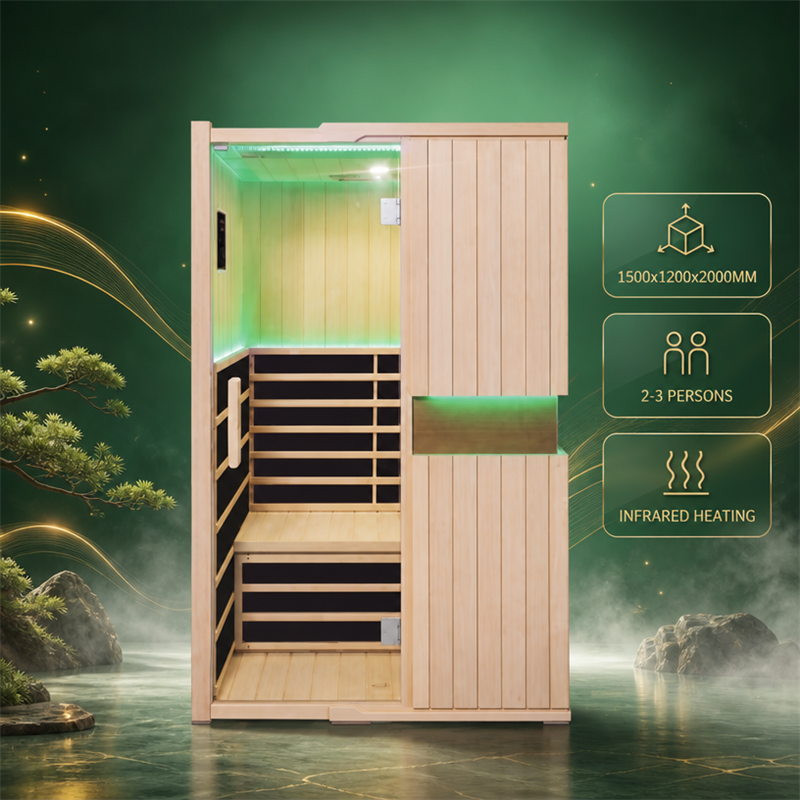
Planning sauna rooms strategically is one of the most overlooked yet powerful ways to minimize operational problems in facility management. Many operators struggle with unexpected breakdowns, poor user experiences, and rising maintenance costs because they fail to align their sauna rooms design with long-term operational realities. The difference between a well-planned facility and a poorly managed one often comes down to how thoroughly operational planning was conducted during the design phase.

Proper sauna rooms operational planning requires integrating facility design, maintenance protocols, and user workflow into a cohesive strategy. When these elements work together, your facility operates efficiently, equipment lasts longer, and operational costs remain predictable. This comprehensive approach transforms sauna room management from reactive troubleshooting into proactive asset stewardship.
Understanding Operational Planning in Facility Design
Core Principles of Strategic Facility Design
Operational planning begins during facility design, not after installation. The layout of your sauna rooms should facilitate regular cleaning, equipment access, and preventive maintenance without disrupting user experience. When facility design accounts for operational realities, maintenance staff can perform their duties efficiently, and downtime is minimized. Poor design forces staff to work around obstacles, increasing labor time and creating conditions where maintenance gets deferred or rushed.
Strategic facility design also anticipates growth and seasonal demand. A well-planned sauna facility includes adequate ventilation pathways, accessible filtration systems, and electrical infrastructure sized appropriately for current and future expansion. These considerations reduce the need for costly retrofits and emergency repairs that interrupt service. The initial investment in thoughtful facility design pays dividends through years of stable operations.
Connecting Design Decisions to Long-Term Operations
Every design choice carries operational consequences. Material selection, equipment placement, and spatial layout all influence how easily maintenance can be performed and how quickly problems can be resolved. Stainless steel finishes, for example, reduce corrosion and cleaning labor compared to standard materials. Modular equipment that can be serviced without removing surrounding components reduces downtime significantly. These decisions made during facility design phase directly impact your maintenance workload for years ahead.
Operational planning during design also establishes the foundation for data tracking and continuous improvement. When facility design includes designated spaces for monitoring equipment, sensor placement, and diagnostic access points, your maintenance team gains visibility into system performance. This visibility enables predictive maintenance strategies that catch problems before they escalate into operational crises.
Maintenance Protocols and Preventive Systems
Building Maintenance Into Your Operational Framework
Maintenance is not a reaction to failures; it is a core operational strategy that must be embedded into your sauna rooms management from day one. Preventive maintenance schedules reduce emergency repairs, extend equipment lifespan, and provide staff with predictable work routines. When operational planning includes documented maintenance protocols, every team member understands their responsibilities and nothing falls through gaps.
Effective maintenance programs balance frequency with practicality. Filter changes, water treatment checks, electrical inspections, and structural assessments should be scheduled based on manufacturer recommendations and actual usage patterns. Your operational planning must account for the labor cost of maintenance against the cost of equipment failure. Under-maintaining a sauna facility creates risk; over-maintaining wastes resources. The optimal balance emerges when maintenance frequency is data-driven and aligned with operational goals.
Documentation and Accountability Systems
Operational planning requires systematic documentation of maintenance activities, equipment condition, and repair history. When maintenance logs are kept consistently, patterns emerge that reveal which components fail most often and which facility areas require extra attention. This historical data becomes invaluable for refining your maintenance schedules and budgeting accurately for replacements. Without documentation, operational decisions become guesswork rather than informed strategy.
Accountability systems also ensure that maintenance tasks actually occur on schedule. Assigning clear ownership, setting deadlines, and tracking completion transforms maintenance from an abstract concept into concrete operations reality. Staff members understand that their role is essential to facility success, and management has visibility into operational health. This transparency eliminates the surprise failures that disrupt service and frustrate users.
Optimizing User Experience Through Strategic Planning
How Operational Planning Enhances User Satisfaction
Sauna rooms that operate reliably and feel well-maintained deliver superior user experiences. When your operational planning prioritizes cleanliness, equipment reliability, and comfortable environments, users return consistently and recommend the facility to others. Conversely, facilities that experience frequent closures, maintenance disruptions, or poor upkeep damage their reputation and reduce revenue. User satisfaction directly correlates with how thoroughly operational planning has been implemented.
Strategic operational planning also protects your facility from liability issues. Properly maintained equipment operates safely, regular inspections catch potential hazards early, and documented procedures demonstrate due diligence to regulators and insurance providers. The cost of proactive operational planning is far lower than the cost of accidents, regulatory fines, or litigation resulting from neglected facility management.
Capacity Planning and Resource Allocation
Sauna rooms operational planning must match facility capacity with available resources and staffing levels. If your facility design creates bottlenecks during peak usage times, operational problems multiply. Strategic planning identifies user flow patterns, peak demand periods, and resource constraints. With this information, you can adjust schedules, train additional staff, or modify facility layout to prevent congestion and maintain service quality consistently.
Resource allocation extends beyond physical space to include budget planning. Operational planning that forecasts maintenance costs, equipment replacement schedules, and staffing needs enables you to request accurate budget allocations from management. When operational leaders present data-backed resource requirements rather than guesses, they secure funding needed to maintain facility quality and prevent crisis-driven emergency spending.
FAQ
How does facility design impact sauna rooms operational costs?
Facility design directly determines maintenance accessibility, equipment longevity, and labor efficiency. A well-designed facility allows maintenance staff to perform tasks quickly and safely, reducing labor costs and preventing premature equipment failure. Poor facility design forces staff to work inefficiently, leading to deferred maintenance and escalating operational problems. Strategic facility design is an investment that reduces operational costs throughout the facility's lifespan.
What maintenance frequency should sauna rooms require?
Maintenance frequency depends on manufacturer specifications, usage intensity, and water quality factors specific to your facility. Typical sauna rooms require weekly cleaning, monthly filter assessments, quarterly deep maintenance, and annual comprehensive inspections. Operational planning should establish schedules based on your facility's actual usage patterns and environmental conditions. Documentation of maintenance history helps you refine frequencies based on equipment performance data rather than guesswork.
Can operational planning reduce emergency repairs?
Yes, systematic operational planning substantially reduces emergency repairs. Preventive maintenance catches problems early, documentation identifies recurring issues before they become critical, and proper facility design prevents premature wear. When sauna rooms operational planning includes regular inspections, trending analysis, and proactive component replacement, emergency situations become rare. This shift from reactive to proactive management improves reliability and provides budget predictability that facility managers and operators greatly value.
 EN