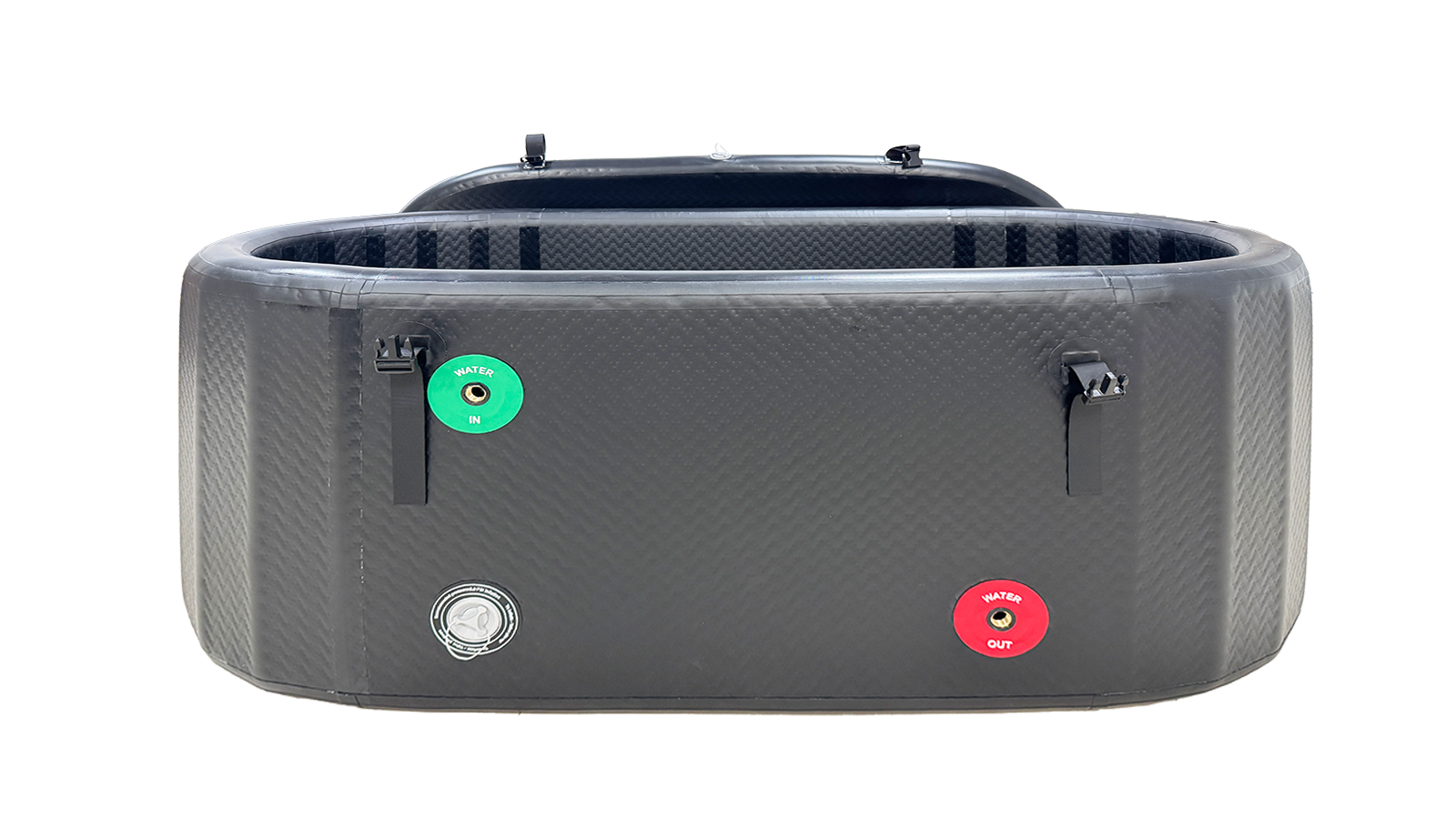
Effective ice bath tub planning is essential for facilities that depend on cold therapy infrastructure, whether for athletic recovery, wellness centers, or commercial spa operations. Without proper operational planning, businesses face downtime, unexpected maintenance costs, and compromised user experience. Strategic ice bath tub design and deployment directly impact long-term operational efficiency and financial performance.
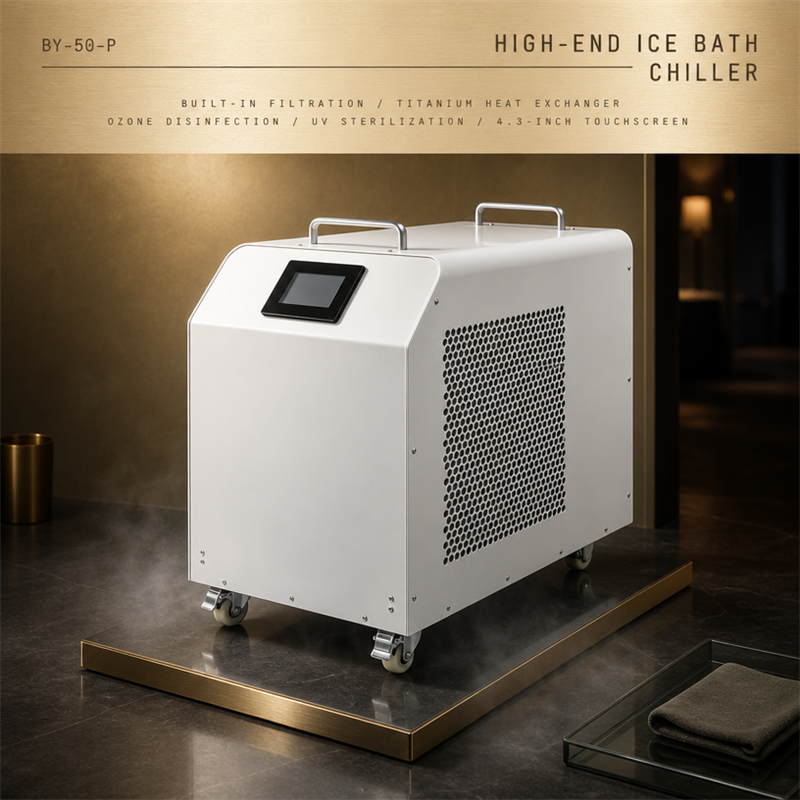
Organizations that invest time in comprehensive operational planning for their ice bath tub systems experience significantly fewer operational issues. This includes selecting equipment suited to commercial use demands, establishing robust maintenance protocols, and understanding the facility's capacity requirements. A well-planned approach eliminates reactive problem-solving and positions businesses for sustainable growth.
A practical planning process should also define responsibilities, operating procedures, and performance targets before the system enters service. Managers can assign staff to monitor water temperature, inspect equipment, record maintenance activities, and review operating expenses. Establishing clear procedures helps identify problems early and keeps daily operations consistent. Facilities should also consider future demand, allowing enough flexibility for increased user numbers or expanded services without requiring major infrastructure changes. These preparations support reliable performance and make long-term operational planning easier to manage.
Understanding Operational Planning for Ice Bath Systems
Core Elements of Effective Planning
Operational planning for an ice bath tub begins with a clear understanding of facility usage patterns and capacity demands. Organizations must assess daily user volume, peak usage times, and facility layout constraints before selecting equipment. This foundational analysis prevents oversizing or undersizing, which leads to operational inefficiency and unnecessary expenses. Proper operational planning also requires documenting expected service intervals and identifying potential failure points in the system.
Commercial Use Requirements and Specifications
Commercial use environments demand robust, reliable equipment engineered for continuous operation. Unlike personal or residential settings, commercial ice bath systems must maintain consistent water temperatures, handle frequent user turnover, and comply with health and safety regulations. Operational planning must account for these elevated demands by selecting systems with commercial-grade components, redundant safety features, and proven durability metrics. Equipment designed for commercial use typically includes advanced filtration, temperature stabilization, and automated monitoring systems.
Strategic Maintenance and Operational Longevity
Developing Preventive Maintenance Schedules
Proactive maintenance is the cornerstone of reducing operational issues with any ice bath tub system. Facilities should establish written maintenance schedules that address water quality testing, filter replacement, compressor servicing, and system component inspection. Regular maintenance prevents catastrophic failures and extends equipment lifespan significantly. Documentation of all maintenance activities creates a valuable historical record that supports troubleshooting and warranty claims when issues arise.
Operational Readiness and System Monitoring
Modern ice bath systems benefit from integrated monitoring and alert capabilities that enable teams to address operational concerns before they escalate. Real-time temperature tracking, pressure monitoring, and water quality sensors provide immediate visibility into system health. Facilities implementing comprehensive operational planning establish alert thresholds and response protocols so teams can respond quickly to anomalies. This proactive approach significantly reduces unplanned downtime and operational disruptions.
Implementation and Facility Integration
Installation Best Practices for Commercial Settings
Proper installation is critical to long-term success and reduced operational issues. During the planning phase, facilities must consider plumbing infrastructure, electrical requirements, ventilation, and physical space allocation. Installation mistakes often create maintenance complications and operational inefficiencies that persist for years. Engaging experienced technicians familiar with commercial use installations ensures the system integrates seamlessly with facility infrastructure and operates within designed parameters.
Training and Operational Protocols
Staff training directly influences operational planning success and system longevity. Teams managing the ice bath tub daily must understand normal operating procedures, basic troubleshooting steps, and when to contact technical support. Clear operational protocols reduce user errors, prevent misuse, and ensure consistent system performance. Organizations that invest in staff education experience fewer operational issues and longer equipment lifecycles, making training a valuable component of comprehensive operational planning.
FAQ
What maintenance intervals should facilities establish for commercial ice bath tub systems?
Most commercial systems require weekly water quality testing, monthly filter inspections, quarterly deep cleaning, and annual compressor servicing. Specific intervals depend on usage volume and equipment manufacturer recommendations. Facilities should document all maintenance activities and adjust schedules based on actual system performance and operational data. Adhering to these maintenance routines significantly reduces unexpected operational issues and extends equipment lifespan.
How does proper operational planning improve commercial use performance?
Strategic operational planning ensures equipment specifications match facility demands, reducing stress on components and improving reliability. When facilities establish clear maintenance schedules and staff protocols as part of their operational planning, they prevent common failures that cause downtime. Planning also enables facilities to budget accurately for maintenance costs and plan equipment replacement before systems fail unexpectedly during critical operational periods.
What factors should inform ice bath tub selection during the planning phase?
Selection should consider daily user capacity, facility space constraints, electrical infrastructure, water quality requirements, and local regulations. Understanding how the ice bath tub will be used for commercial use helps determine necessary cooling capacity, filtration sophistication, and safety features. Facilities should evaluate equipment durability, manufacturer support, and long-term maintenance accessibility. These decisions made during operational planning directly impact operational efficiency and total cost of ownership throughout the system lifecycle.
 EN