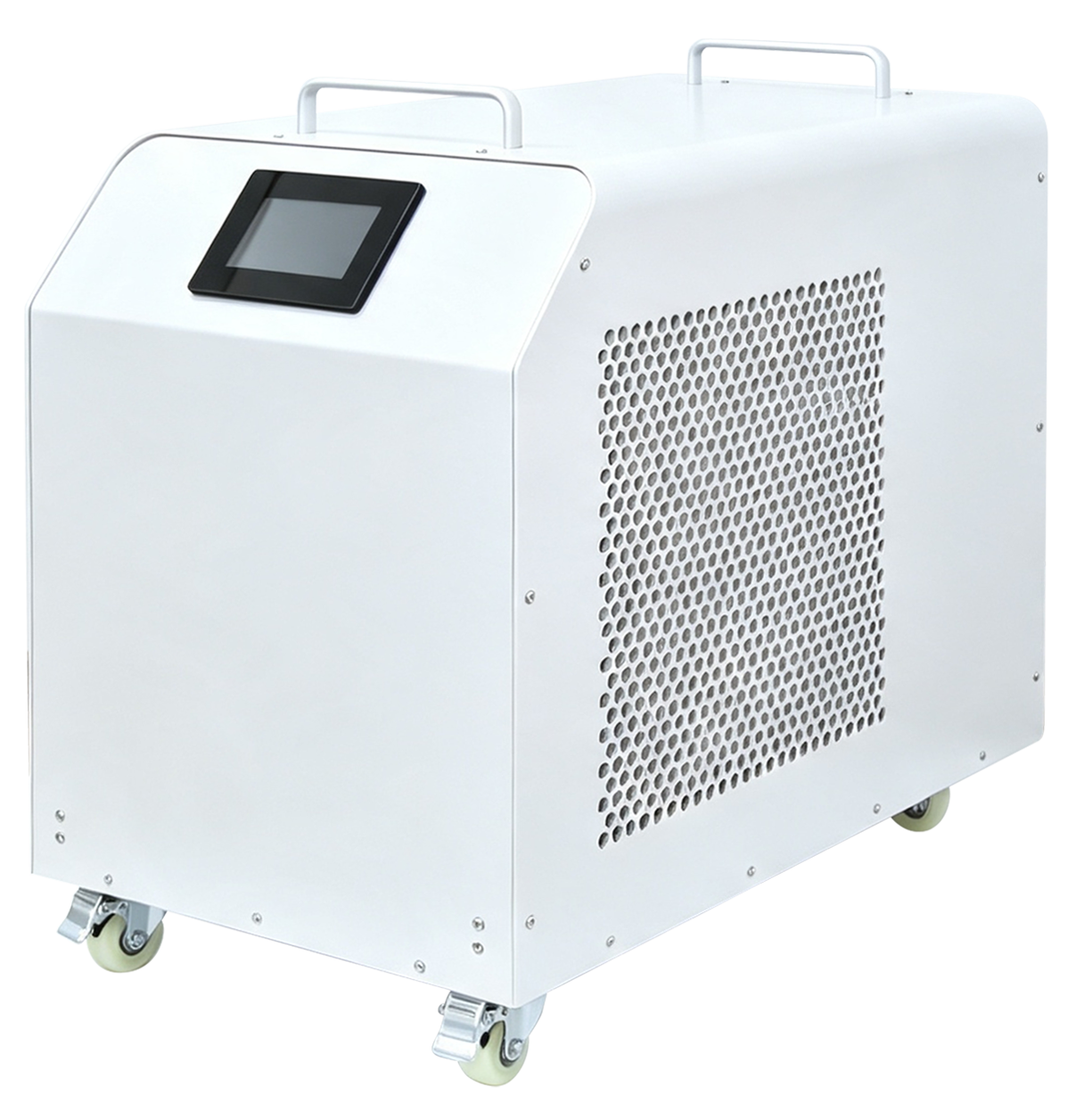
Unplanned downtime in wellness facilities costs money, frustrates clients, and damages reputation. A cold plunge chiller is only valuable when it operates reliably. Many facility managers overlook the connection between regular maintenance and system uptime, treating repairs as reactive emergencies rather than preventive investments. This approach leads to unexpected failures during peak business hours, guest dissatisfaction, and costly emergency service calls. By understanding how maintenance directly impacts reliability and downtime prevention, you can protect your investment and guarantee consistent performance.

The relationship between maintenance discipline and operational reliability is direct and measurable. A cold plunge chiller that receives consistent attention operates with fewer interruptions, delivers stable water temperatures, and requires significantly fewer unscheduled repairs. Downtime isn't inevitable—it's a symptom of deferred maintenance. This guide walks you through the essential maintenance practices that reduce downtime, extend equipment lifespan, and keep your facility running smoothly throughout the year.
Understanding Maintenance's Role in Preventing Downtime
How Preventive Maintenance Reduces Unexpected Failures
Preventive maintenance is the most effective strategy for reducing downtime in any facility. Instead of waiting for a cold plunge chiller to malfunction, you address small issues before they escalate into major problems. Water filtration systems clog gradually; if ignored, they force the compressor to work harder, increasing wear and energy consumption until eventually the system fails completely. Regular inspection catches this problem early, preventing catastrophic downtime.
The reliability of your cold plunge chiller depends on how consistently you follow maintenance schedules. A facility that cleans filters monthly, checks refrigerant levels quarterly, and inspects electrical connections twice yearly experiences far fewer unexpected shutdowns. Downtime becomes rare rather than routine. The initial time investment in preventive maintenance pays back rapidly through continuous uptime and reduced emergency repair expenses.
Common Maintenance Gaps That Trigger Downtime
Many facilities experience avoidable downtime because they skip fundamental maintenance steps. Ignoring water quality can lead to bacterial growth, scale buildup, and corrosion inside the chiller—problems that compromise reliability and force shutdowns for deep cleaning. Neglecting refrigerant system inspections allows small leaks to worsen, reducing cooling capacity until the system cannot maintain target temperatures. These are preventable failures caused by maintenance gaps, not equipment defects.
Downtime also occurs when facilities lack documented maintenance records. Without tracking what maintenance has been completed and when, technicians repeat work or miss critical tasks, creating inconsistency. A cold plunge chiller without clear maintenance history is essentially managed blind. Establishing a maintenance log transforms how you track reliability and identify patterns that predict future problems.
Essential Maintenance Tasks That Maximize Reliability
Water System Maintenance for Continuous Operation
Water quality is fundamental to cold plunge chiller reliability. Clean, properly balanced water prevents bacterial growth, reduces corrosion, and keeps the cooling system efficient. Monthly filter replacement or cleaning removes sediment, organic matter, and contaminants that accumulate during normal operation. Skipping this step causes filter saturation, which forces the chiller to work harder and increases downtime risk significantly.
Chemical balance requires regular testing and adjustment. Water pH levels, alkalinity, and sanitizer concentrations must stay within manufacturer specifications to prevent biological fouling and mineral scaling. A cold plunge chiller operating with unbalanced water develops biofilm inside pipes and heat exchangers—invisible problems that eventually trigger reliability failures and extended downtime. Weekly water testing and monthly professional analysis prevent these hidden threats, ensuring consistent performance.
Refrigerant and Cooling System Checks
The refrigerant system is the heart of your cold plunge chiller's cooling capability. Low refrigerant levels reduce cooling power and force the compressor to work overtime, accelerating wear and increasing downtime probability. Quarterly pressure and temperature tests detect refrigerant leaks early, before they impact performance severely. Many technicians recommend using infrared thermography to identify temperature anomalies that signal refrigerant problems before system failure occurs.
Compressor efficiency directly affects your chiller's reliability. Oil levels, bearing condition, and electrical connections must be inspected regularly to prevent compressor failure—the most expensive repair in a cold plunge chiller. A failed compressor means extended downtime of weeks or months while replacement parts arrive and installation is completed. Preventive compressor maintenance, including oil changes and vibration analysis, dramatically reduces this catastrophic downtime risk.
Creating a Maintenance Schedule That Prevents Downtime
Daily, Weekly, and Monthly Maintenance Routines
Effective maintenance requires consistent execution across multiple time intervals. Daily checks include visual inspection of the cold plunge chiller for leaks, unusual noises, or temperature display anomalies. These quick observations catch emerging problems before they worsen. Weekly responsibilities include water quality testing and filter inspection to confirm they are not approaching saturation. Monthly maintenance encompasses deeper tasks: filter replacement, sanitizer adjustment, and equipment exterior cleaning.
This layered approach to maintenance minimizes downtime by creating multiple opportunities to identify and address issues. A problem detected during daily inspection can be scheduled for repair before it causes system shutdown. Without this regular cadence, problems go unnoticed until they trigger unexpected failure. Staff training ensures that daily and weekly tasks are executed consistently, maintaining reliability that your guests depend on.
Quarterly and Annual Professional Maintenance
Beyond routine facility staff maintenance, your cold plunge chiller needs professional service twice yearly or more. Quarterly refrigerant system analysis requires specialized tools and certification. Technicians measure pressure differentials, check for leaks using nitrogen detection, and verify compressor oil levels. These tasks cannot be performed accurately by untrained personnel, yet they are critical for identifying reliability problems before they cause significant downtime.
Annual professional maintenance includes complete system inspection, electrical testing, and performance benchmarking. Technicians verify that cooling capacity meets specifications and that all safety features function properly. They document findings in your maintenance log, creating a historical record that guides future repairs and predicts when components might need replacement. This comprehensive approach ensures your cold plunge chiller operates at peak reliability throughout its lifespan, dramatically reducing the frequency and duration of downtime events.
FAQ
How often should I perform maintenance on a cold plunge chiller to minimize downtime?
Daily visual inspections, weekly water quality testing, and monthly filter maintenance form the foundation of downtime prevention. Professional refrigerant system checks should occur quarterly, with comprehensive annual inspections. This schedule maintains reliability and catches problems early before they escalate into extended downtime. Facilities that follow this routine rarely experience unplanned shutdowns.
What are the most common maintenance failures that cause downtime in cold plunge chillers?
Neglected water filtration allows sediment buildup that forces system shutdown for cleaning. Ignored refrigerant leaks reduce cooling capacity until the chiller cannot maintain target temperatures. Skipped electrical inspections lead to connection failures and unexpected outages. Deferred compressor maintenance causes catastrophic failure requiring weeks of downtime. These are all preventable when maintenance discipline is maintained consistently.
Can proper maintenance extend the lifespan of a cold plunge chiller and reduce total downtime costs?
Yes, preventive maintenance adds years to a chiller's operational life while simultaneously reducing downtime events. Equipment that receives consistent care operates more efficiently, requires fewer emergency repairs, and maintains reliability that clients expect. The upfront investment in maintenance discipline pays back through avoided emergency service calls, reduced energy consumption, and extended equipment lifespan that delays expensive replacement purchases significantly.
 EN