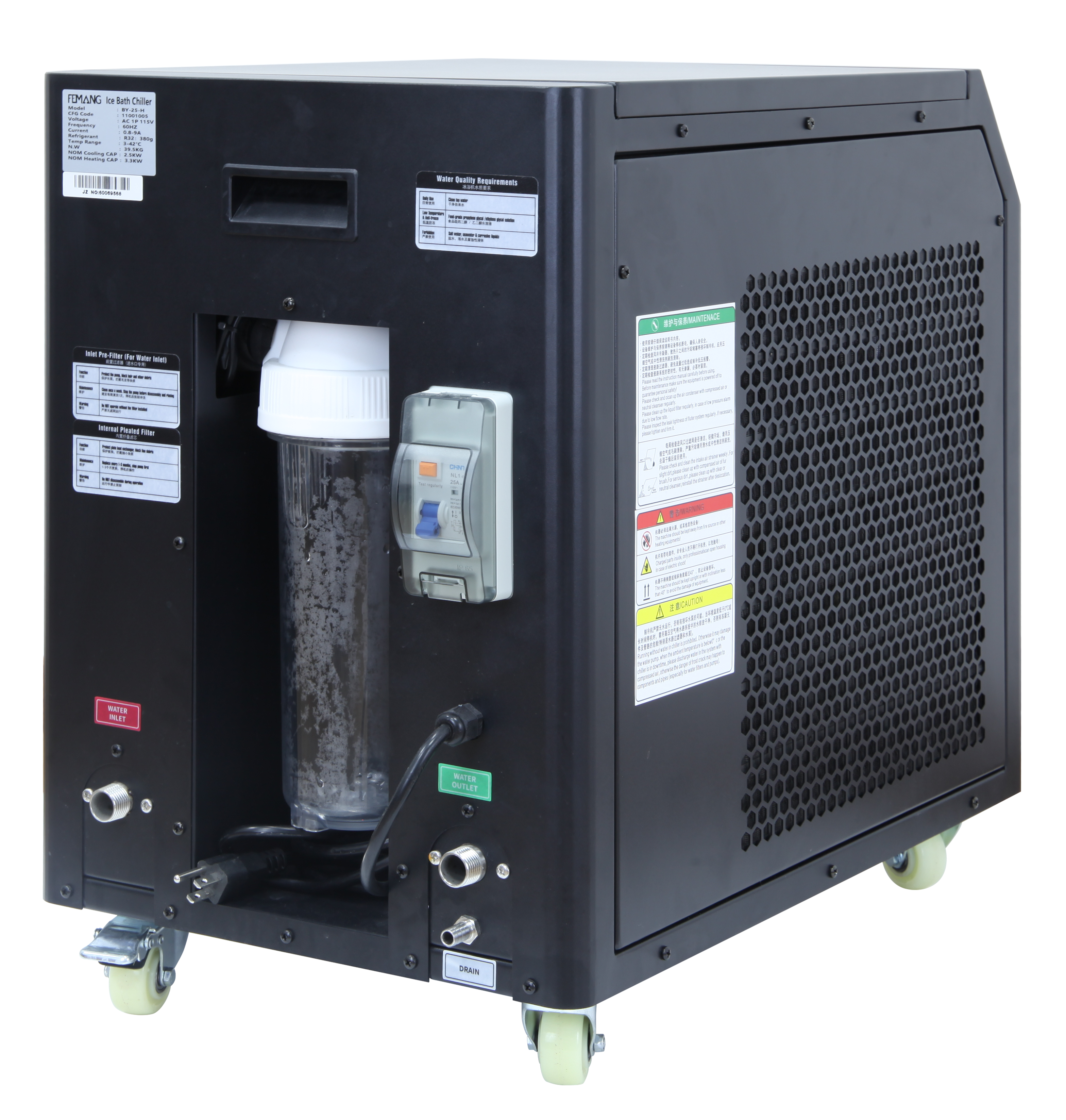
Commercial cold plunge facilities have become essential amenities in resorts, spas, athletic recovery centers, and wellness facilities worldwide. However, operating a cold plunge system requires careful attention to maintenance schedules, equipment reliability, and operational protocols to minimize downtime. When a cold plunge unit fails or requires repairs, facility revenue drops, guest satisfaction declines, and staff productivity suffers. Understanding how to reduce downtime in commercial cold plunge operations is critical for any facility manager or wellness business owner looking to protect their investment and maintain consistent service delivery.
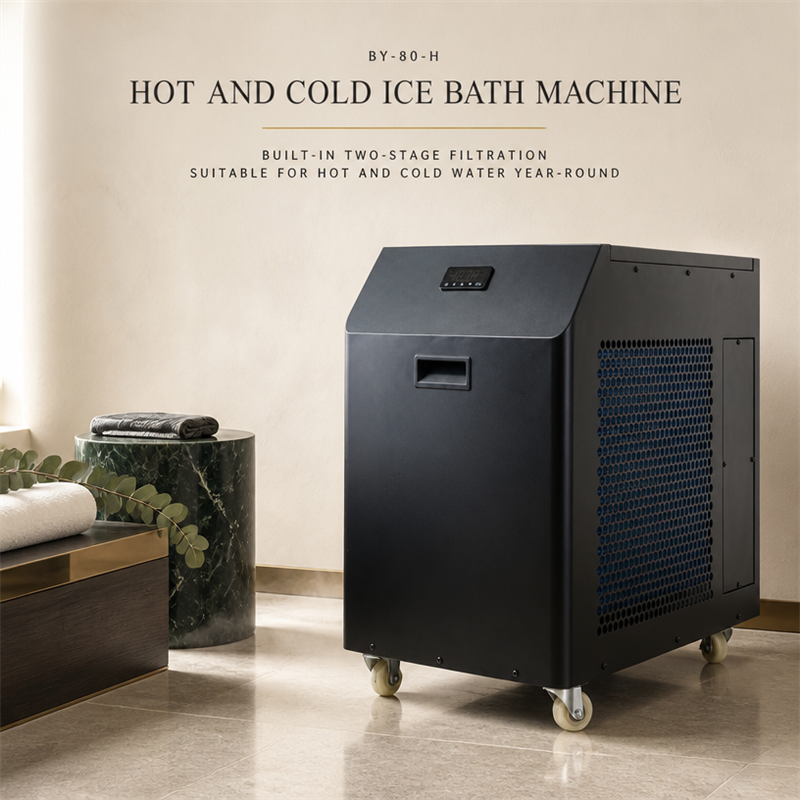
The costs associated with cold plunge downtime extend far beyond simple repair expenses. Facility operators lose revenue during outage periods, face potential refunds or compensation claims from guests, and risk reputational damage if wellness services become unreliable. A strategic approach to minimizing downtime involves proactive maintenance, proper equipment selection, staff training, and emergency response protocols. By implementing these strategies, commercial facilities can maintain operational reliability, protect their bottom line, and ensure guests receive the consistent service they expect.
Establishing Preventive Maintenance Protocols for Cold Plunge Systems
Creating a Structured Maintenance Schedule
Preventive maintenance helps reduce downtime in commercial cold plunge facilities. Establish a schedule covering inspections, filter changes, coolant checks, and component assessments. Daily water monitoring, weekly inspections, monthly cleaning, and quarterly professional servicing help identify problems before they cause shutdowns.
Daily maintenance tasks form the first line of defense against unexpected downtime. Staff members should check water temperature accuracy, verify circulation system function, inspect visible components for leaks or damage, and monitor chemical balancing indicators. Weekly inspections should include filter condition assessments, pump performance verification, and electrical connection checks. Monthly maintenance cycles might involve complete filter replacements, coolant system flushing, and comprehensive equipment diagnostics. By distributing maintenance responsibilities across multiple time intervals, commercial operations ensure consistent equipment health while avoiding the rush of emergency repairs.
Documentation and Record-Keeping
Maintenance records help identify recurring problems and predict future issues. Track service dates, repairs, replacement parts, labor hours, and performance anomalies. These records support troubleshooting and help determine when equipment may need replacement.
Digital maintenance management systems have become increasingly valuable for commercial operations seeking to reduce downtime and improve accountability. Modern facility management software allows managers to set maintenance reminders, assign tasks to specific staff members, generate compliance reports, and access historical performance data from any location. By transitioning from paper-based systems to digital platforms, commercial cold plunge facilities gain real-time visibility into maintenance status, can quickly identify overdue service tasks, and can make data-driven decisions about equipment replacement or upgrade timing.
Selecting Reliable Equipment and Backup Systems
Choosing Commercial-Grade Cold Plunge Equipment
Purpose-built commercial equipment generally offers greater reliability than consumer models. Robust cooling components, industrial pumps, and durable construction support continuous operation. Although initial costs are higher, reduced maintenance, emergency repairs, and interruptions can justify the investment over time.
When evaluating commercial cold plunge equipment, facility managers should prioritize manufacturers with strong service track records, readily available replacement parts, and responsive technical support. Equipment reliability depends not only on initial build quality but also on the manufacturer's ability to provide timely support when issues arise. Reading customer reviews, consulting with other facility operators, and requesting equipment performance data from vendors provides critical insight into real-world reliability. Systems specifically designed for high-volume commercial operation typically include features like reinforced cooling systems, advanced temperature control electronics, and simplified maintenance access that collectively reduce unexpected downtime.
Implementing Redundancy and Backup Systems
Strategic redundancy represents an advanced downtime reduction approach for larger commercial facilities or operations where guest experience is mission-critical. Some wellness facilities install backup cooling systems, dual temperature control units, or secondary circulation pumps that automatically activate if primary equipment fails. While implementing full redundancy requires significant capital investment, partial redundancy strategies can prove cost-effective for high-traffic facilities. For example, maintaining a backup chiller unit stored on-site or establishing rapid-response relationships with equipment rental companies ensures that unexpected equipment failures need not result in extended facility closures.
Emergency equipment protocols should be documented and tested regularly to ensure they function properly when needed. Staff members should understand how to activate backup systems, maintain bypass operation procedures, and communicate equipment status clearly to guests and management. Facilities with multiple cold plunge units can implement staged maintenance scheduling, ensuring that not all equipment requires service simultaneously. By strategically managing maintenance timing across multiple installations, commercial operations can maintain at least partial service availability even during routine equipment servicing or unexpected repairs.
Training Staff and Optimizing Operational Procedures
Building Staff Expertise in Cold Plunge System Operation
Trained staff can identify problems early, respond to alerts, and follow manufacturer instructions. Training should cover equipment operation, maintenance, troubleshooting, water chemistry, and safety. Regular refreshers and new-staff orientation help maintain consistent operating practices.
Technical certification programs specific to commercial cold plunge maintenance have become increasingly available through equipment manufacturers and professional wellness organizations. Certifying at least one staff member as a qualified technician ensures your facility has internal expertise for diagnosing problems, performing permitted repairs, and coordinating with external service providers more effectively. This designated technician can also mentor other staff members, maintain institutional knowledge about equipment quirks or history, and serve as the primary point of contact for equipment vendors or repair professionals. Investing in staff expertise reduces reliance on external service providers and enables faster response to operational issues.
Optimizing Daily Operating Procedures
Standardized operating procedures represent another critical component of reducing downtime in commercial cold plunge facilities. When consistent protocols govern how equipment operates, how water quality is monitored, and how staff responds to alerts, equipment receives predictable treatment that minimizes stress and extends operational lifespan. Written procedures should address startup routines, temperature management, shutdown sequences, emergency response steps, and communication protocols. These procedures become especially valuable during staff transitions or high-volume periods when operational focus might otherwise drift from established best practices.
Water quality management deserves particular attention in commercial operations, as improper chemistry can damage equipment components and force extended downtime. Staff should conduct daily pH testing, chlorine or alternative sanitizer level checks, and alkalinity assessments. Maintaining proper water chemistry prevents scale buildup in cooling systems, protects pump components from corrosion, and ensures the cold plunge experience meets guest expectations. When water quality degradation is detected early through consistent monitoring protocols, corrective adjustments can typically be implemented without equipment shutdown, whereas severe chemistry problems may necessitate complete system flushing or component replacement.
FAQ
What is the most common cause of cold plunge downtime in commercial operations?
Temperature control system failures represent the most frequent cause of cold plunge downtime, typically resulting from inadequate maintenance of cooling components, refrigerant leaks, or thermostat malfunction. Circulation pump failures rank second, often caused by debris accumulation, water chemistry imbalances, or inadequate routine servicing. Water chemistry problems, while technically not equipment failures, frequently force temporary service suspension until proper balance is restored. By implementing rigorous preventive maintenance focused on these three areas, commercial operations can eliminate the majority of unexpected downtime incidents.
How often should commercial cold plunge equipment receive professional servicing?
Professional servicing intervals for commercial equipment typically range from quarterly to semi-annually, depending on usage intensity, water chemistry stability, and equipment manufacturer specifications. High-traffic facilities experiencing heavy guest utilization may require quarterly professional service visits, whereas lower-volume operations might achieve adequate reliability with semi-annual professional assessments. Between professional service appointments, daily and weekly staff-conducted maintenance routines handle routine monitoring and minor adjustments. Professional technicians possess specialized tools, manufacturer training, and diagnostic capabilities that enable identification of developing problems before they manifest as operational downtime.
Can commercial cold plunge downtime be completely eliminated?
While complete elimination of downtime is unrealistic for any mechanical system, strategic implementation of preventive maintenance, redundancy, staff training, and operational optimization can reduce downtime to minimal levels in commercial cold plunge operations. Most well-managed commercial facilities achieve operational availability exceeding 98 percent when proper protocols are followed consistently. Occasional maintenance-related brief interruptions remain necessary, and genuine component failures can still occur despite excellent preventive practices. However, by prioritizing maintenance discipline and operational excellence, commercial facilities can ensure that downtime becomes rare and planned rather than frequent and unexpected.
 EN