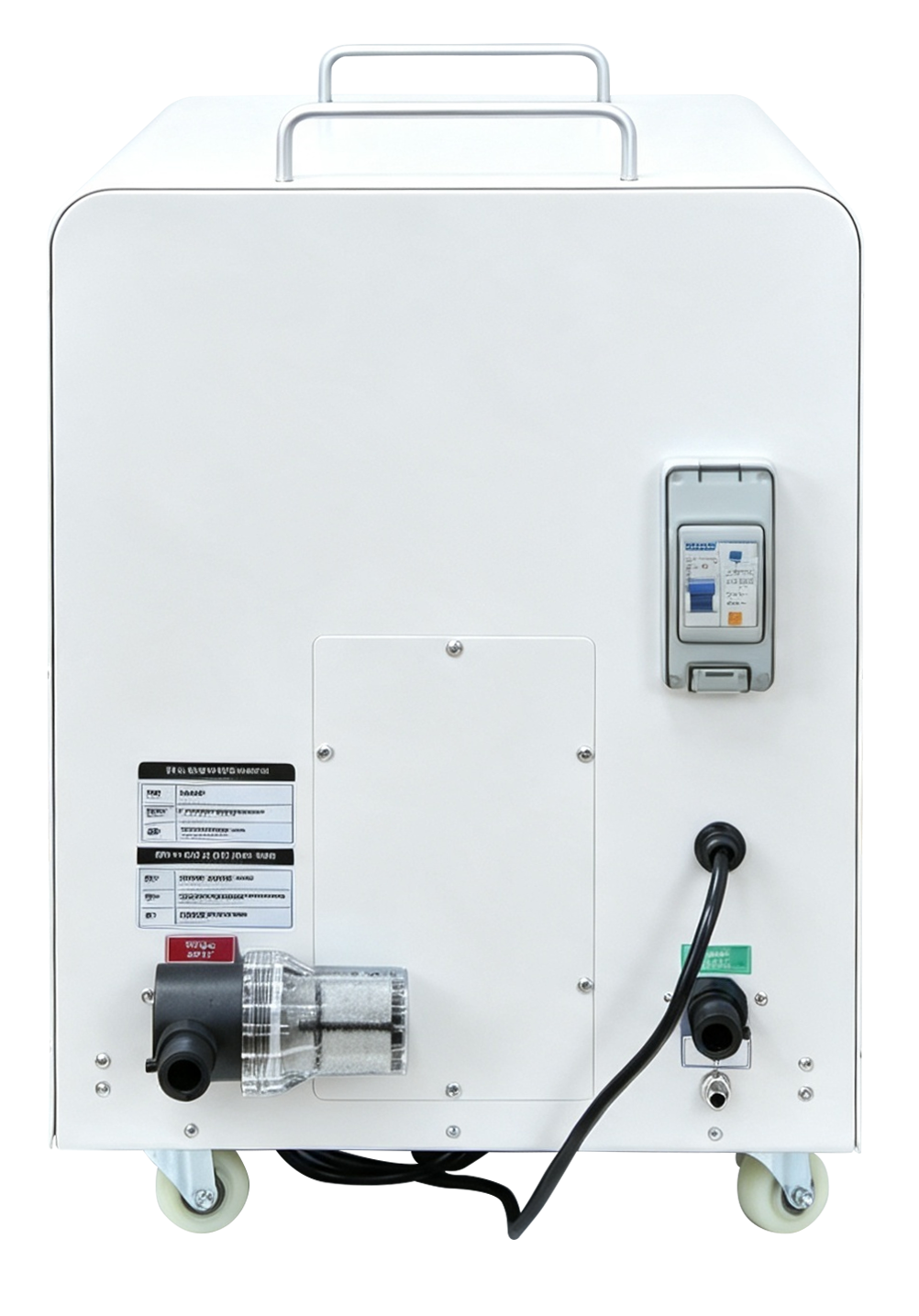
Proper site preparation is essential before installing an ice bath chiller at your facility. Many operators overlook the critical groundwork required for successful installation, which often leads to costly delays, suboptimal performance, or equipment damage. Understanding the prerequisites for ice bath chiller installation ensures your system operates at peak efficiency from day one. This guide walks through every step of site preparation to help you avoid common pitfalls and ensure a smooth installation process.

The ice bath chiller represents a significant investment in your wellness or athletic recovery infrastructure. Before bringing this equipment to your site, you need to evaluate electrical capacity, environmental conditions, space requirements, and drainage logistics. Taking time for proper site planning prevents installation complications and maximizes the lifespan of your chiller system. This article provides a comprehensive framework for assessing and preparing your installation location.
Electrical System Requirements and Assessment
Power Supply Capacity
Your facility's electrical system must support the operational demands of an ice bath chiller without causing voltage fluctuations or circuit overload. Most commercial and residential ice bath chiller units require either 208V, 230V, or 480V three-phase power depending on the model capacity. Before installation, conduct a thorough electrical audit to determine your current supply capacity and available amperage at the main panel. Consulting with a qualified electrician ensures your existing infrastructure can handle the ice bath chiller's peak demand without requiring expensive upgrades or compromising other equipment operation.
Undersized electrical service leads to inadequate chiller performance, nuisance breaker trips, and potential component failure. Your setup should include a dedicated circuit exclusively for the ice bath chiller, preventing interference from other high-draw appliances. Proper installation also requires correctly sized breakers, wiring gauge, and grounding components matched to the chiller's specifications. This foundational electrical preparation directly impacts your ability to maintain stable ice bath temperatures and reliable operation year-round.
Installation of Dedicated Circuits and Grounding
A dedicated electrical circuit is non-negotiable for proper ice bath chiller installation and performance. This circuit must run from your main electrical panel directly to the chiller location with appropriate gauge copper wire and breaker sizing. National electrical codes mandate grounding provisions that protect equipment and personnel from electrical faults. Your electrician should verify that all site planning includes proper conduit routing, secure wire management, and compliance with local building codes before final installation of the chiller commences.
Physical Space and Environmental Conditions
Location Selection and Clearance Requirements
Selecting the right location is a critical component of site planning that directly affects installation success and operational efficiency. Your ice bath chiller requires adequate floor space with level, stable flooring capable of supporting the equipment weight plus water load. The installation area should provide minimum clearance on all sides as specified by the manufacturer, typically 24 inches for maintenance access and proper air circulation. Avoid locations near direct sunlight, high-traffic areas, or environments subject to extreme temperature swings, as these conditions stress the chiller and degrade its performance during extended setup and operation phases.
Environmental factors during installation directly influence chiller reliability and longevity. The room temperature should remain between 60°F and 85°F for optimal operational conditions and to prevent refrigerant pressure anomalies. Humidity levels should be controlled to prevent condensation on electrical components, which can trigger malfunctions or safety shutdowns. Protected, climate-controlled environments provide the best conditions for reliable ice bath chiller performance and reduce strain on the cooling and heating systems throughout the installation process.
Ventilation and Heat Dissipation Planning
Proper air circulation around the condenser unit prevents heat buildup and maintains efficient ice bath chiller operation throughout its lifecycle. Most chillers expel heat through the condenser section, requiring unobstructed airflow patterns during setup and continuous use. Your site planning should include provisions for intake air and exhaust pathways, typically achieved through dedicated ventilation openings or HVAC integration. Blocked or restricted airflow forces the compressor to work harder, reducing efficiency, increasing energy consumption, and shortening component lifespan.
Plumbing, Drainage, and Water Supply Preparation
Water Supply Lines and Connection Points
Prepare water supply lines before installation begins to ensure the ice bath chiller connects efficiently to your facility's water system. The chiller requires a cold water input line with adequate pressure and flow rate, typically 15–40 PSI depending on model specifications and setup requirements. Your site planning must account for pipe sizing, material compatibility, and shutoff valve placement for maintenance accessibility. Installation of quality isolation valves near the chiller connection points allows you to service the equipment without draining the entire facility's water system, reducing downtime and preventing damage to connected components.
Water quality affects ice bath chiller performance and longevity significantly. Install sediment filters or water treatment systems if your source water contains minerals, chlorine, or particulates that could damage internal tubing or refrigerant exchangers. Pre-filtration during setup protects the chiller's heat exchange surfaces and maintains its cooling capacity over time. These preparation steps are especially important in regions with hard water or chemically treated municipal supplies, where mineral deposits can accumulate and reduce efficiency.
Drainage System and Overflow Management
Effective drainage planning is essential during site preparation to handle routine maintenance water discharge and emergency overflow scenarios. Your ice bath chiller installation area requires proximity to a floor drain or an engineered sump pit with adequate capacity for controlled water release. Drainage lines should slope downward with no low points where water could collect and stagnate, preventing bacterial growth and odor issues. Proper drainage setup also prevents water from pooling around electrical components or creating slip hazards, which are critical safety considerations during both installation and routine operation.
Consider the volume of water that may need drainage during maintenance cycles, seasonal shutdown, or emergency situations. Your site planning should include drainage capacity assessments and confirmation that local environmental codes are satisfied before installation proceeds. Installing a sediment trap or secondary containment basin adds another layer of protection, especially in facilities concerned about water quality compliance or environmental regulations that apply to chiller system water discharge.
FAQ
What electrical specifications should I verify before ice bath chiller installation?
Verify your facility's available voltage, phase configuration, and total amperage capacity at the main electrical panel. Consult the chiller's technical documentation for exact power requirements, then have a licensed electrician confirm that your electrical service can support these demands with a dedicated circuit. Undersized service will compromise performance and create safety risks, so professional verification is essential before installation scheduling.
How much space is needed for proper ice bath chiller setup?
Most ice bath chiller models require a level floor space of 30–50 square feet with an additional 24 inches of clearance on all accessible sides for maintenance access and air circulation. Check your specific chiller's installation manual for exact dimensions and clearance specifications. The room should remain between 60–85°F with controlled humidity to optimize performance and protect electrical components during setup and continuous operation.
Can I install an ice bath chiller in an outdoor location?
Outdoor ice bath chiller installation is possible but requires weatherproofing measures including protective canopies, electrical enclosures, and drainage provisions compliant with your climate conditions. Site planning for outdoor setup must account for extreme temperature swings, moisture exposure, and seasonal maintenance challenges. Most manufacturers recommend indoor installation in climate-controlled environments to maximize equipment lifespan and ensure consistent performance, so consult your chiller's specifications and local codes before committing to an outdoor site.
 EN