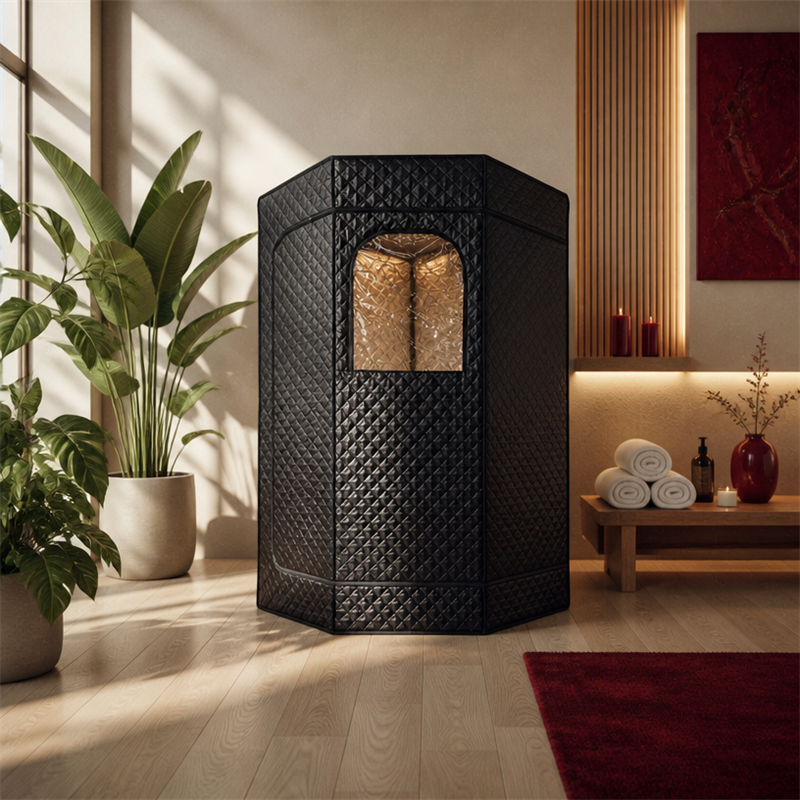
Commercial sauna rooms require a structured approach to maintenance planning to ensure they operate safely and deliver consistent performance for patrons. When sauna rooms serve high volumes of users daily, the stakes for proper upkeep become significantly higher than residential applications. Developing a comprehensive maintenance strategy protects your investment, extends equipment lifespan, and most importantly, safeguards user health and satisfaction.

Planning effective maintenance for sauna rooms in a commercial setting involves understanding the unique demands of daily use environments. A commercial facility housing sauna rooms experiences constant wear and thermal cycling that residential units never face. This article guides facility managers through creating actionable maintenance protocols tailored to heavy-use sauna rooms, covering everything from daily cleaning procedures to seasonal deep maintenance tasks.
Understanding Daily Maintenance Demands for Commercial Sauna Rooms
The Impact of Continuous Operation on Sauna Rooms
Daily use in commercial settings creates predictable yet demanding maintenance cycles. Each session exposes wooden components, heating systems, and ventilation elements to thermal stress and moisture accumulation. When sauna rooms operate multiple times per day, wood swelling and contraction happen more frequently, increasing the risk of structural issues if not properly managed. Metal components corrode faster in high-humidity environments, and traditional stone benches require regular inspection for cracks that could pose safety risks.
The maintenance burden in commercial facilities differs fundamentally from occasional-use environments. Commercial sauna rooms must balance energy efficiency with user comfort, manage sanitization protocols that exceed residential standards, and maintain aesthetic appeal despite constant traffic. Planning for this reality means allocating time, budget, and trained staff specifically for sauna room maintenance routines.
Setting Maintenance Priorities for Daily Use Environments
Effective maintenance planning begins with categorizing tasks by frequency and urgency. Daily use sauna rooms need immediate attention to cleanliness, safety checks, and minor component monitoring. Weekly maintenance addresses deeper cleaning, wood conditioning, and system performance verification. Monthly and seasonal maintenance tackles major repairs, component replacement, and comprehensive inspections that prevent catastrophic failures during peak operating periods.
Prioritization ensures that maintenance efforts focus on areas where failures cause the greatest disruption or safety risk. Heating element inspection ranks higher than cosmetic wood polishing because system failure directly impacts user experience and facility revenue. Similarly, ventilation system checks prevent moisture buildup that could damage structural integrity over time, making this a critical maintenance priority for sauna rooms in daily use.
Creating Your Daily and Weekly Maintenance Schedule
Establishing Daily Cleaning and Safety Protocols
Every morning before opening, sauna rooms require a thorough walkthrough inspection and surface cleaning. Staff should check the room temperature calibration, verify heating elements are functioning, inspect wooden benches for visible damage, and ensure all ventilation dampers operate freely. Daily cleaning involves wiping down all wooden surfaces with moisture-appropriate solutions, emptying trash containers, and checking that essential safety features like emergency exits and thermometer readings remain visible and accessible.
Daily maintenance for commercial sauna rooms also includes monitoring user-reported issues such as temperature inconsistencies, unusual odors, or equipment malfunctions. Maintaining a logbook where staff document these observations creates a valuable historical record. This practice helps identify emerging patterns—for example, if temperature drops consistently after the third session, this signals potential heating system degradation that requires technician investigation.
Weekly Deep Maintenance Tasks
Once per week, schedule a more thorough maintenance session that extends beyond surface cleaning. Wood conditioning treatments help restore protective finishes that daily moisture exposure gradually wears away. Weekly maintenance should include checking all fasteners for tightness, inspecting seals around doors and vents for gaps or deterioration, and testing safety features like emergency stops and lighting systems.
Weekly assessment of sauna rooms also covers system performance metrics that daily checks might miss. Measure actual versus set temperature to confirm heating accuracy, listen for unusual noises indicating bearing wear or loose components, and verify that humidity levels stay within manufacturer specifications. Commercial facility managers should document these weekly findings alongside daily logs to establish baseline performance patterns.
Planning Seasonal and Preventative Maintenance
Monthly System Inspections and Component Testing
Monthly maintenance planning for sauna rooms incorporates deeper technical assessment. This includes inspecting heating elements for mineral buildup or corrosion, checking electrical connections for signs of degradation, and testing temperature sensors for accuracy. Many heating system failures begin subtly and accelerate rapidly once initiated, making monthly electrical and thermal systems review essential for commercial facilities that depend on reliability.
During monthly sauna rooms maintenance cycles, examine wooden components more closely for cracks, splinters, or areas where finish has worn completely. Early detection of wood damage prevents safety hazards and avoids expensive structural repairs later. Similarly, check that drainage systems function properly, as standing water creates ideal conditions for mold growth and wood rot in the warm, humid environment of active sauna rooms.
Seasonal Deep Maintenance and Component Replacement
Seasonal maintenance planning ensures that sauna rooms enter heavy-use periods in peak condition. Quarterly scheduling should include complete interior inspections by trained technicians, thorough ventilation system cleaning to remove accumulated dust and debris, and replacement of worn components before they fail during peak operating times. Many facilities plan seasonal deep maintenance during slower periods to minimize disruption to commercial operations.
Commercial sauna rooms benefit from annual professional maintenance performed by specialists familiar with high-use commercial systems. This might include complete heating system servicing, replacement of worn electrical components, professional wood restoration and sealing, and thorough ductwork cleaning to maintain ventilation efficiency. Budgeting for annual professional service prevents small issues from becoming costly emergency repairs that disrupt facility operations.
Implementing Preventative Maintenance Strategies
Moisture Management and Ventilation Control
Moisture control represents perhaps the most critical maintenance factor for sauna rooms in daily use. Inadequate ventilation allows humidity to accumulate, promoting mold growth, accelerating wood deterioration, and creating uncomfortable conditions for users. Maintenance planning must include regular ventilation system inspections, air duct cleaning, and verification that exhaust systems function at full capacity. Many commercial facilities schedule quarterly ventilation maintenance specifically to address moisture accumulation in sauna rooms.
Daily use environments require proactive sauna rooms dehumidification between sessions. Allowing doors to remain open during cooling periods, operating ventilation systems for adequate duration after each session, and using absorbent materials in areas prone to moisture pooling all contribute to moisture management. Maintenance schedules should explicitly include time for post-session ventilation protocols that prevent humidity from exceeding manufacturer-recommended levels.
Material Preservation and Longevity Planning
Wood used in commercial sauna rooms requires specific maintenance attention to maintain durability and appearance. Applying protective finishes on a quarterly basis preserves wood grain and provides a moisture barrier against constant humidity exposure. Maintenance planning should identify which wood components receive priority for finishing treatments, as budget constraints often mean staged application across multiple maintenance cycles.
Stone and ceramic surfaces in sauna rooms need different maintenance approaches than wood. While these materials resist moisture damage better than wood, they still require regular inspection and cleaning to prevent mold colonization in porous areas. Monthly maintenance for stone surfaces includes appropriate cleaning solutions, thorough drying to prevent mineral deposit accumulation, and inspection for cracks that could present slip hazards or structural concerns in commercial sauna rooms.
FAQ
What maintenance frequency is appropriate for high-volume commercial sauna rooms?
High-volume commercial sauna rooms require daily basic cleaning and safety checks, weekly deep cleaning and component inspections, monthly technical system assessments, and seasonal professional servicing. The specific frequency depends on facility size, daily usage volume, and local health codes, but establishing daily maintenance routines as the foundation prevents most common failures and safety issues.
How should facility managers budget for commercial sauna room maintenance?
Budget planning should allocate funds for ongoing staff training in maintenance procedures, regular replacement of consumable items like cleaning supplies and minor components, and annual professional maintenance contracts. Most commercial facilities find that investing in preventative maintenance costs substantially less than emergency repairs caused by deferred maintenance. A reasonable allocation is 3-5% of the sauna rooms equipment value annually for maintenance and component replacement.
Which maintenance tasks require professional technician expertise versus staff training?
Facility staff can handle daily cleaning, basic safety inspections, and simple component checks after appropriate training. Professional technicians should perform electrical system diagnostics, heating element servicing, complex ventilation repairs, and wood restoration treatments. Monthly planning should include scheduling professional visits for technical tasks while reserving staff time for routine daily maintenance of sauna rooms and daily use facilities.
 EN