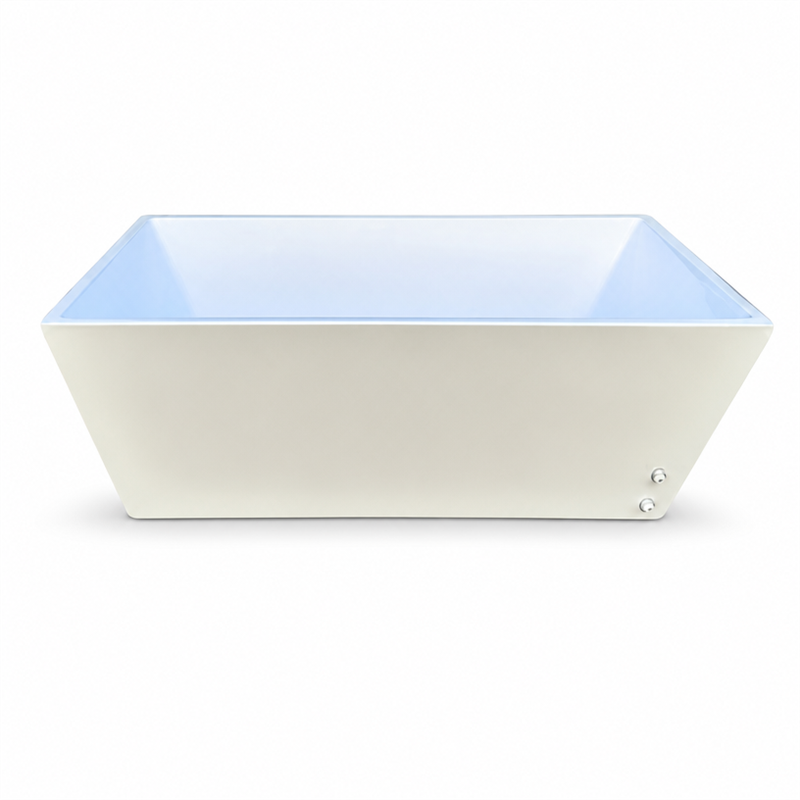
Planning inventory for an ice bath tub distribution business requires a strategic approach that balances customer demand, storage capacity, and capital efficiency. Unlike consumer-focused retail, B2B distribution demands precise forecasting and operational discipline. The stakes are higher because overstock ties up significant working capital, while understock results in lost sales and damaged relationships with gyms, recovery centers, and corporate wellness programs. Understanding the nuances of ice bath tub inventory management sets successful distributors apart from competitors who rely on guesswork.
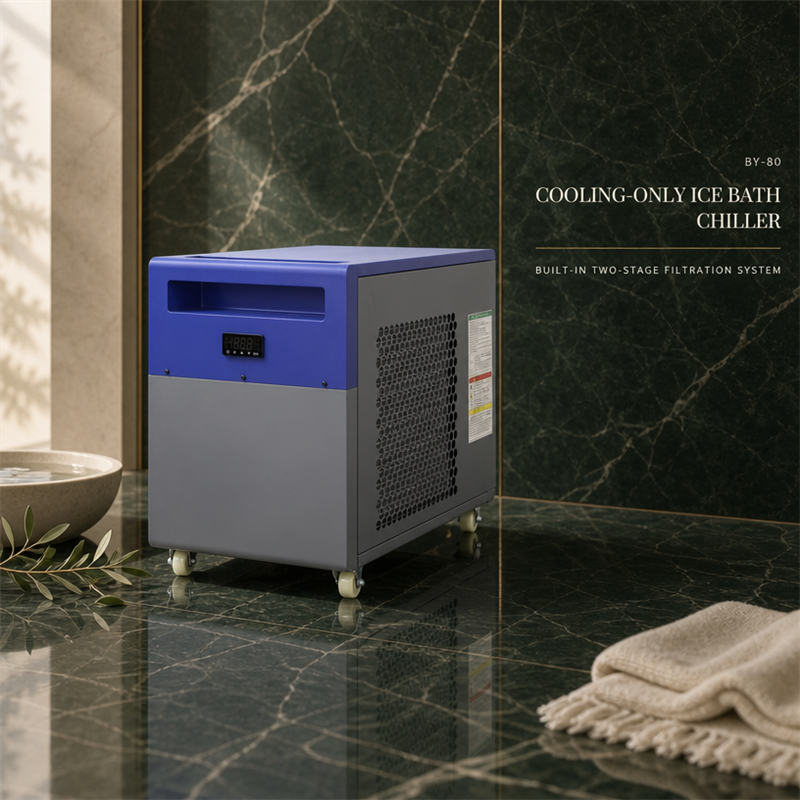
The cold plunge and recovery equipment market has experienced rapid growth, driven by increased awareness of performance recovery and wellness benefits. This expansion creates both opportunity and complexity for distributors managing inventory across multiple product SKUs and customer segments. Effective inventory planning directly impacts profitability, customer satisfaction, and operational efficiency in your distribution network.
Understanding Demand Patterns and Market Segmentation
Identifying Your Customer Base
Your distribution strategy must begin by segmenting customers into distinct categories, each with unique buying patterns and volume requirements. Commercial gyms and fitness centers typically order in bulk, seeking reliable supply relationships with favorable terms. Recovery centers and athletic facilities operate with seasonal intensity, often increasing purchases before competitive seasons or major events. Corporate wellness programs represent steady, predictable demand but often require longer sales cycles and customized configurations. Understanding these B2B customer profiles allows you to tailor your inventory strategy accordingly. A distributor serving primarily corporate accounts will stock different quantities and product variations than one focused on boutique recovery studios.
Seasonal and Cyclical Demand Factors
The ice bath tub market exhibits pronounced seasonality influenced by athletic cycles, fitness industry trends, and weather patterns. Winter months typically see increased demand as athletes pursue recovery optimization during competitive seasons. Summer brings renewed interest as universities and sports teams prepare for fall competitions. Understanding these cycles prevents the costly mistakes of overstocking during demand troughs or running short during peak periods. Your inventory planning must incorporate historical sales data, industry benchmarks, and forward indicators from your customer base. B2B distributors who anticipate demand shifts maintain competitive advantages through consistent availability and improved delivery timelines.
Inventory Forecasting and Stock Level Optimization
Applying Forecasting Methods to Ice Bath Tub Distribution
Accurate forecasting forms the foundation of intelligent inventory management for ice bath tub distribution operations. Begin by analyzing your historical sales data to identify baseline demand patterns and growth trends. Time-series forecasting models work well when you have consistent historical data across multiple seasons. For newer distribution operations, qualitative methods like expert judgment combined with customer surveys provide valuable input. The most effective approach combines quantitative analysis with qualitative market intelligence from your sales team. Your distribution network will benefit from regular forecast updates as new customer relationships develop and market conditions evolve.
Calculating Optimal Stock Levels
Determining the right stock level requires balancing service objectives against holding costs and capital constraints. Safety stock calculations protect your inventory against unexpected demand spikes or supply disruptions from manufacturers. The Economic Order Quantity (EOQ) model helps identify the optimal order size that minimizes total inventory costs. For B2B distribution, consider that ice bath tub orders arrive in full container quantities, which may exceed traditional EOQ calculations. Your reorder points should reflect your supplier lead times plus the safety margin needed for customer service reliability. Many successful distributors implement automated reorder systems that trigger purchases when inventory reaches predetermined thresholds, ensuring consistent stock availability without manual intervention.
Warehouse Operations and Storage Strategy
Space Planning and Facility Requirements
Ice bath tub equipment requires specialized storage considerations due to size, weight, and material sensitivity. Commercial units occupy significant warehouse floor space, necessitating careful layout planning to maximize throughput and minimize handling damage. Your distribution facility should include climate-controlled areas to protect materials and electrical components from environmental degradation. Organize inventory using logical zoning principles that accelerate order picking and reduce processing time. Consider investing in inventory management software that tracks real-time stock positions across your facility, improving visibility and reducing errors in fulfillment operations. Proper warehouse design reduces operational costs and improves order accuracy for your B2B customers.
Inventory Turnover and Working Capital Management
Inventory turnover directly measures how efficiently your distribution business converts stock into sales revenue. Calculating inventory turnover involves dividing your annual cost of goods sold by average inventory value. For ice bath tub distributors, healthy turnover ratios typically range from 4 to 8 times annually, depending on market conditions and customer concentration. Slow-moving inventory ties up working capital that could be deployed for growth or operational improvements. Implement regular inventory audits to identify obsolete or damaged units that should be written off or repositioned. Strategic promotional activities and customer outreach can accelerate movement of excess stock without sacrificing profitability or customer relationships in your B2B network.
Technology and Data Management for Distribution Success
Implementing Inventory Management Systems
Modern inventory management software transforms distribution operations by providing real-time visibility across your entire network. Cloud-based systems allow multiple warehouses or distribution centers to coordinate seamlessly while maintaining central oversight. Integration with your sales platform enables automatic inventory updates when orders are placed, reducing manual reconciliation work. Most systems provide forecasting tools that analyze historical patterns to suggest optimal stock levels based on your specific parameters. The investment in proper technology infrastructure pays dividends through reduced stockouts, fewer overstock situations, and improved customer service metrics for your distribution business.
Reporting and Performance Metrics
Establishing clear performance metrics enables continuous improvement in your ice bath tub distribution operations. Track key indicators including fill rate, which measures the percentage of customer orders fulfilled from existing inventory. Monitor inventory aging to identify products spending excessive time in storage. Review customer satisfaction scores to ensure your inventory levels support promised delivery windows. These metrics reveal operational weaknesses and guide strategic adjustments to your distribution strategy. Regular analysis of performance data helps distributors optimize their inventory approach while maintaining strong B2B customer relationships and competitive positioning.
FAQ
How much safety stock should an ice bath tub distributor maintain?
Safety stock calculations depend on several factors including supplier lead time variability, demand volatility, and your target service level. Most B2B distributors maintain safety stock equal to 2 to 4 weeks of average demand, which provides adequate protection without excessive overstock. Higher safety stock may be justified for slow-moving SKUs or suppliers with inconsistent delivery performance. Your specific formula should reflect your supplier reliability, customer expectations, and industry service standards for distribution operations.
What inventory turnover rate is healthy for ice bath tub distribution businesses?
Inventory turnover between 4 and 8 times annually is generally considered healthy for ice bath tub distribution, meaning stock is completely replaced that many times per year. Lower turnover indicates excess inventory, while excessively high turnover may indicate insufficient stock for customer service. Your target should balance capital efficiency against avoiding stockouts that disappoint B2B customers and damage distribution relationships. Benchmarking against industry peers helps you establish realistic targets for your specific market position.
How can technology improve ice bath tub inventory management?
Technology platforms enable real-time tracking, automated reordering, accurate forecasting, and integrated reporting that reduce manual errors and improve decision-making. Systems that connect your sales processes with inventory databases eliminate the lag time between customer orders and stock updates. Predictive analytics help identify demand trends before they become obvious, allowing proactive inventory adjustments. These capabilities transform distribution businesses by freeing management time for strategic planning while improving operational efficiency and customer service reliability.
 EN