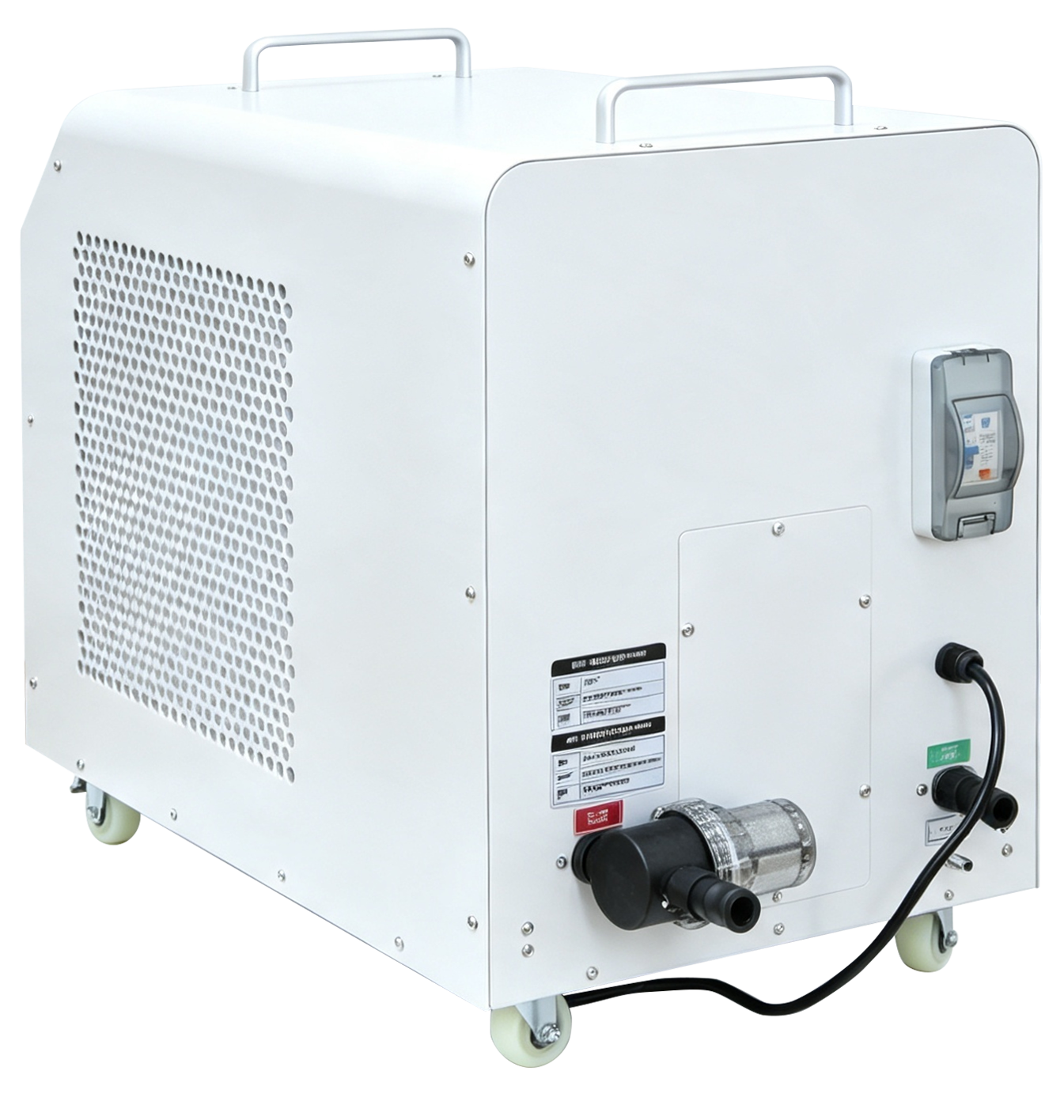
Planning a cold plunge chiller procurement for a new project requires strategic foresight and methodical execution. Whether you're establishing a wellness facility, sports recovery center, or therapeutic spa, the procurement process demands careful consideration of technical specifications, budget constraints, facility infrastructure, and long-term operational goals. A well-planned procurement strategy ensures you select equipment that aligns with your facility's capacity requirements, regulatory compliance needs, and performance expectations.
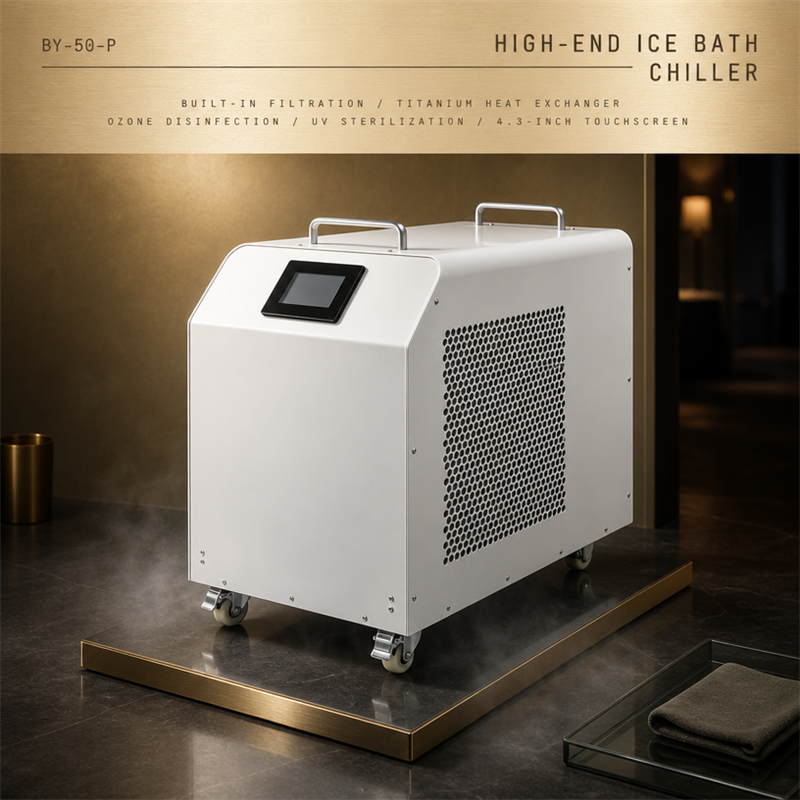
The procurement journey for cold plunge chiller systems involves multiple interconnected phases, from initial assessment through vendor evaluation and final installation. Understanding each stage of planning helps you avoid costly mistakes, negotiate better terms, and ensure your new project launches with reliable, purpose-built equipment. This guide walks through the essential procurement steps, decision frameworks, and practical considerations that drive successful implementation in new projects.
Assessing Your Project Requirements and Capacity Needs
Defining Performance and Usage Specifications
Before initiating procurement, your new project must establish clear performance targets and expected usage patterns. Determine the desired water temperature range, cooling capacity in BTUs or kilowatts, and recovery time between sessions. Calculate the number of simultaneous users, session duration, frequency of use, and annual operating hours. These usage metrics directly inform the chiller size and cooling power required, preventing undersizing that compromises user experience or oversizing that wastes capital and energy resources.
Your facility's client demographics and service model drive these specifications. A premium wellness facility may require faster temperature recovery and tighter temperature control than a basic recovery studio. Sports teams need robust systems supporting multiple daily sessions with consistent performance. Spa integrations demand aesthetic design and seamless water circulation. Document these functional requirements early to guide your planning process and supplier conversations during procurement.
Evaluating Physical Space and Infrastructure Compatibility
Physical site assessment determines whether your facility can accommodate the cold plunge chiller equipment and supporting infrastructure. Measure available floor space, ceiling height, electrical service capacity, plumbing access points, and drainage specifications. Identify dedicated mechanical rooms or installation areas away from high-traffic zones. Assess water supply quality and availability, as some systems require pre-filtration or conditioning to operate optimally. Your new project's facility layout directly constrains equipment dimensions, connection methods, and installation complexity.
Infrastructure compatibility extends beyond basic measurements. Verify electrical supply matches the chiller's power requirements, including any necessary upgrades to service panels or circuits. Evaluate HVAC considerations if the installation space is climate-controlled. Assess noise levels and vibration isolation needs relative to adjacent areas. Consult with facility engineers or contractors early in your planning to identify potential constraints, required modifications, and realistic installation timelines before procurement commitments.
Budget Planning and Total Cost of Ownership Analysis
Establishing Capital and Operating Budget Frameworks
Capital procurement budgets for cold plunge chillers span wide ranges based on system size, cooling capacity, and feature sophistication. Entry-level commercial units start around mid-range investments, while premium systems with advanced controls, sterilization features, or integrated wellness technology command higher prices. Your new project must balance initial capital availability against long-term operational value. Establish realistic budget parameters by researching typical market pricing for systems matching your performance specifications and capacity requirements.
Operating costs significantly impact total cost of ownership over the equipment's service life. Cold plunge chiller energy consumption varies dramatically based on ambient temperature, target water temperature, system efficiency, and usage patterns. Budget for regular maintenance, replacement filters, repair contingencies, and potential component upgrades. Calculate annual operating expenses, then project five to ten-year total costs. This comprehensive analysis helps your new project justify procurement decisions to stakeholders and identify long-term financial implications beyond the initial purchase price.
Developing Procurement and Financing Strategies
Multiple procurement pathways exist for acquiring cold plunge chiller systems. Direct purchase from manufacturers or authorized distributors provides equipment ownership and full control over specifications. Lease or rental arrangements reduce upfront capital requirements, ideal for new projects with limited budgets or uncertain demand. Equipment financing through specialized lenders spreads costs across operating periods, improving cash flow management. Evaluate each option's impact on your facility's financial planning, tax implications, and flexibility for future upgrades or replacements.
Strategic vendor selection during procurement affects pricing, support quality, and long-term partnership value. Solicit competitive quotes from multiple suppliers, comparing base equipment costs, installation services, warranty coverage, and ongoing support terms. Negotiate payment schedules, delivery timelines, and performance guarantees aligned with your new project's operational launch date. Consider total partnership value beyond lowest unit price, including technical support responsiveness, spare parts availability, and service network reliability.
Vendor Selection and Implementation Planning
Evaluating Supplier Capabilities and Equipment Quality
Vendor evaluation during cold plunge chiller procurement determines whether suppliers can deliver reliable equipment and dependable service. Assess manufacturer credentials, years in business, technical expertise, and track record with similar-scale projects. Request references from existing facilities operating comparable systems, inquiring about reliability, performance consistency, and customer service quality. Verify warranty coverage details, including compressor guarantees, component replacements, and labor coverage periods. Your new project's long-term satisfaction depends heavily on selecting suppliers demonstrating genuine technical competence and commitment to customer success.
Equipment quality directly impacts performance, longevity, and operational efficiency. Request detailed product specifications, efficiency ratings, construction materials, and component sourcing. Compare advanced features like temperature precision, automated cycling, integrated filtration, or sterilization systems. Understand maintenance requirements, filter replacement intervals, and accessibility for routine servicing. Higher-quality systems often justify premium procurement costs through superior reliability, extended service life, and lower operational disruptions that could compromise your new project's guest experience or revenue stability.
Planning Installation, Testing, and Operational Launch
Implementation planning bridges procurement completion and facility operation readiness. Establish detailed installation timelines accounting for equipment delivery, site preparation, connection work, system commissioning, and performance validation. Coordinate with facility contractors, mechanical engineers, and utility providers to ensure smooth execution. Schedule installation during low-occupancy periods if possible, minimizing operational disruption. Your new project's launch timeline depends critically on accurate planning and sequential coordination of procurement, delivery, and installation milestones.
Pre-operational testing validates that cold plunge chiller systems meet performance specifications and operate safely. Require suppliers to conduct comprehensive commissioning, including temperature calibration, control system verification, safety feature validation, and water quality testing. Develop staff training protocols covering equipment operation, maintenance responsibilities, safety procedures, and troubleshooting basics. Document all warranty information, maintenance schedules, emergency contacts, and system specifications for ongoing reference. Thorough preparation ensures your new project achieves reliable, consistent performance from day one of operations.
FAQ
What size cold plunge chiller does a new project facility typically need?
Size requirements depend on your facility's usage patterns, client capacity, and performance goals. A new project with ten to fifteen simultaneous users typically requires systems in the fifteen to twenty-five kilowatt range. High-volume facilities supporting forty-plus users may need fifty kilowatts or greater. Your procurement planning should calculate actual demand based on session frequency, duration, and recovery time requirements rather than assuming standard sizes. Consulting with experienced suppliers during your planning process helps match equipment capacity to your specific new project parameters.
How long does the procurement process typically take for cold plunge chiller installations?
Complete procurement timelines span three to six months from planning initiation through operational readiness. Initial assessment and requirements definition take two to four weeks. Vendor selection and quote comparison require two to three weeks. Equipment manufacture and delivery typically require four to eight weeks depending on system complexity and current supplier backlogs. Installation and commissioning require one to three weeks. Your new project should build these timelines into master project schedules with contingency buffers for unexpected delays in procurement approvals, equipment delivery, or installation complications.
What ongoing costs should new projects budget after cold plunge chiller procurement?
Annual operating expenses include electricity costs, water usage and treatment chemicals, maintenance labor, filter replacements, and preventive service visits. Energy consumption typically represents the largest operational expense, especially in facilities running systems year-round. Budget for annual preventive maintenance contracts, typically one to two thousand dollars depending on system size. Reserve funds for potential component repairs or replacements beyond warranty coverage. Your new project's financial planning should allocate five to ten percent of equipment procurement costs annually for comprehensive operational and maintenance budgeting throughout the system's expected service life.
 EN