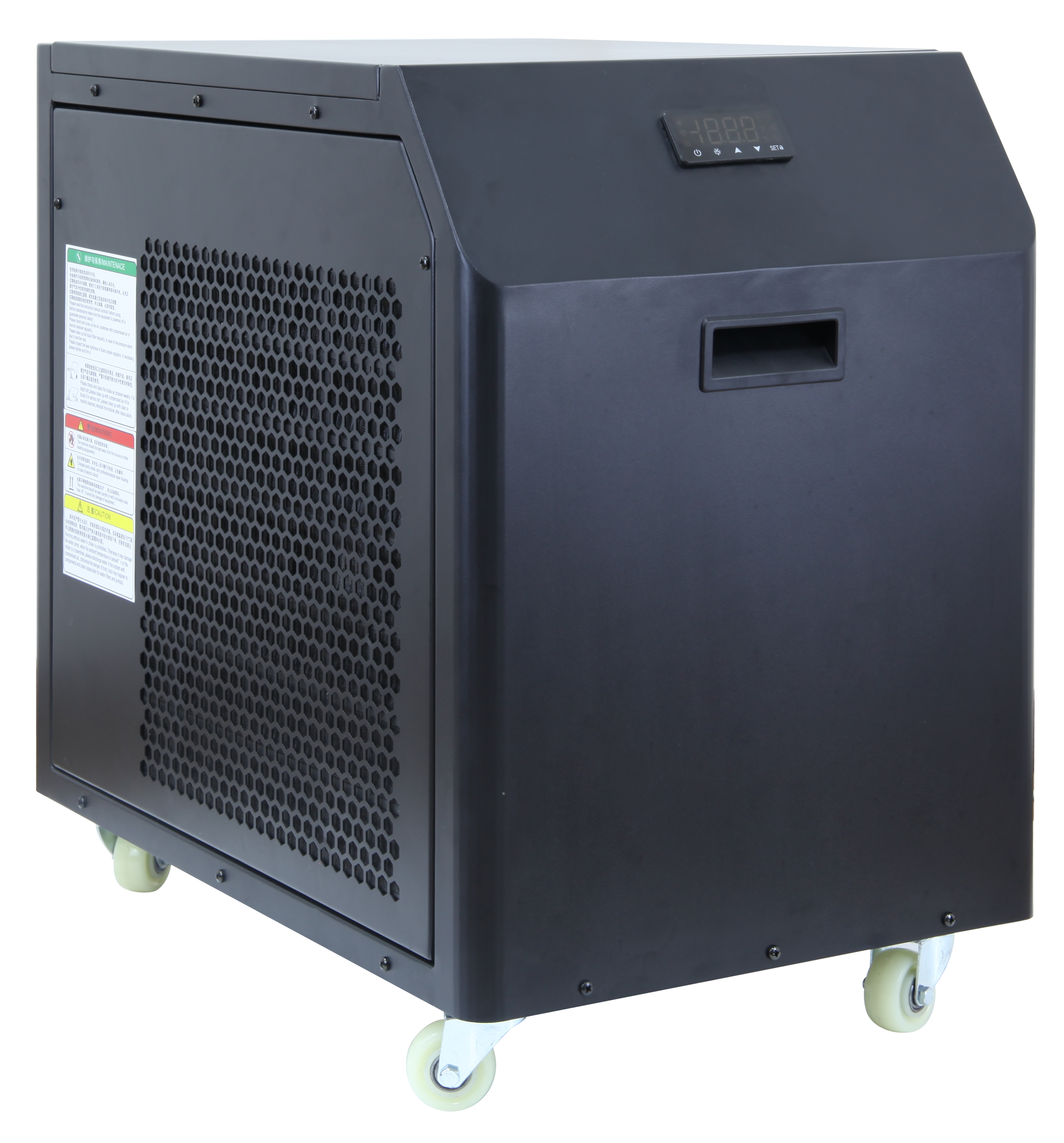
Effective inventory planning for cold plunge chiller distribution requires a strategic approach that balances supply chain efficiency with customer demand patterns. Whether you operate a wholesale distributor, retail outlet, or facility management service, understanding how to forecast, stock, and rotate your cold plunge chiller inventory directly impacts profitability, customer satisfaction, and operational costs. This guide walks you through proven methods to optimize your cold plunge chiller inventory strategy for B2B distribution channels.
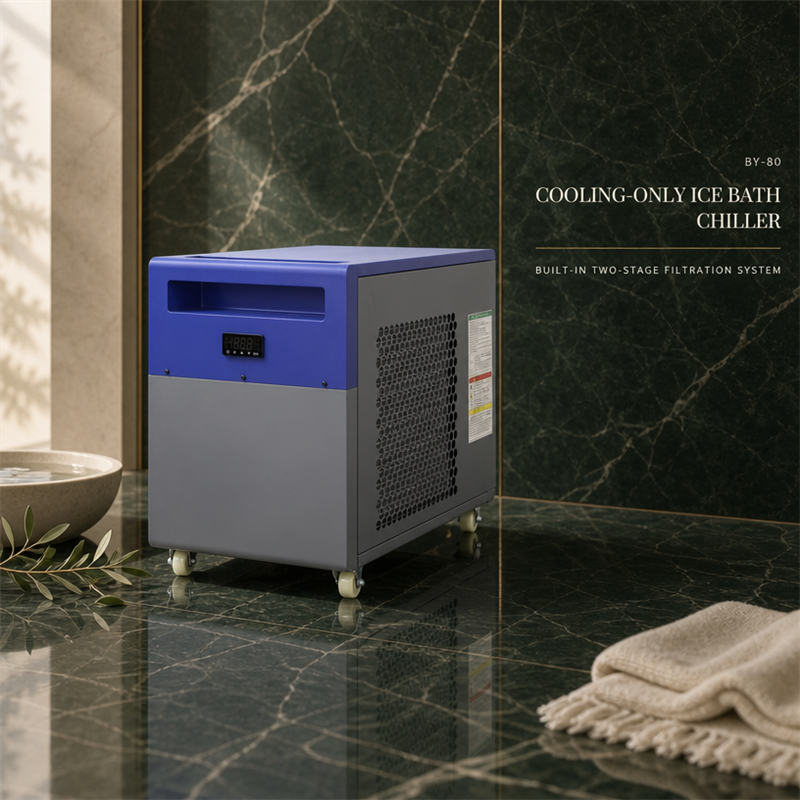
Managing B2B inventory for cold plunge chiller products involves more than simply stocking units on a shelf. You must consider lead times from manufacturers, seasonal demand fluctuations, storage space constraints, and cash flow implications. Distributors who master these elements gain competitive advantages through faster fulfillment, reduced markdowns, and stronger customer retention. The following sections outline the key frameworks and tactics you need to implement a robust cold plunge chiller inventory system.
Understanding Demand Forecasting for Cold Plunge Chiller Distribution
Analyzing Historical Sales Data and Seasonal Trends
Begin your cold plunge chiller inventory planning by analyzing at least two years of historical sales data. Look for seasonal peaks, typically occurring in spring and summer when wellness facilities and gym owners expand their cold therapy offerings. Identify which customer segments drive the highest volume and frequency. B2B distribution data often reveals that corporate wellness programs, physical therapy clinics, and athletic training centers purchase in clusters rather than steady increments. By mapping these patterns, you can align your inventory levels with predictable demand windows.
Segment your customer base by vertical market. Fitness centers may order larger quantities quarterly, while boutique wellness studios purchase smaller units more frequently. Understanding these behavioral differences allows you to stock appropriate model sizes and quantities. For distribution networks, this segmentation directly influences warehouse layout, safety stock levels, and reorder points for your cold plunge chiller product line.
Incorporating Market Growth and Category Trends
The cold plunge chiller market has experienced sustained growth due to increased awareness of cold water immersion benefits among fitness professionals and health-conscious consumers. Monitor industry reports, trade show activity, and competitor movements to forecast whether demand in your region will accelerate, stabilize, or decline. If you're serving a growing wellness market, you may need to increase inventory allocation for cold plunge chiller units by 15–25% annually to capture new business opportunities.
Work closely with your sales and customer service teams to identify emerging demand signals. Growing inquiry rates, repeat purchase frequency, and customer questions about lead times all indicate that current inventory levels may be insufficient for your distribution channel. Conversely, declining order frequency or longer sales cycles suggest that you should reduce holding costs and focus on faster inventory turnover.
Calculating Safety Stock and Reorder Points
Setting Optimal Safety Stock Levels
Safety stock serves as a buffer against forecast errors and unexpected demand spikes in your cold plunge chiller distribution operation. Calculate safety stock using your average demand, demand variability, and acceptable service level. For B2B distribution, a 95% service level is typically appropriate—meaning you want to fulfill 95% of customer orders from existing inventory. Higher service levels require larger safety stock but reduce backorders and improve customer satisfaction.
The formula for safety stock considers how many units you need on hand to cover the lead time between when demand exceeds forecasts and when your next shipment of cold plunge chiller units arrives. If your manufacturer lead time is four weeks and average demand is ten units per week, your safety stock should typically cover one to two weeks of additional demand to prevent stockouts while maintaining reasonable inventory investment.
Establishing Reorder Point Triggers
Your reorder point is the inventory level at which you must place a new purchase order to replenish cold plunge chiller stock before it runs out. Calculate this by multiplying your average weekly demand by the lead time in weeks, then add your safety stock. For example, if demand is eight units weekly, lead time is three weeks, and safety stock is two weeks of inventory, your reorder point would be 26 units. When cold plunge chiller inventory drops to this threshold, trigger a purchase order immediately.
Automate reorder point monitoring through your inventory management system. Most B2B distribution software sends alerts when stock levels hit predetermined thresholds, reducing the risk of human error and ensuring consistent replenishment of your cold plunge chiller product line. This automation is critical for maintaining reliable service in distribution networks serving multiple retail or institutional customers.
Optimizing Warehouse Space and Inventory Turnover
Balancing Storage Capacity with Product Variety
Cold plunge chiller units demand significant warehouse space due to their size and weight. Evaluate your available square footage and calculate how many units—by model and capacity—you can reasonably store without incurring excessive overhead costs. For B2B distribution, this often means maintaining a range of models: compact units for small clinics, mid-sized systems for gym chains, and large-capacity chillers for resort and spa operations. Allocate warehouse space proportionally to each segment's demand volume.
Use the ABC inventory classification method to prioritize space allocation. Class A items (highest-value, highest-volume cold plunge chiller models) should occupy easily accessible, high-traffic warehouse zones. Class C items (slower-moving specialty models) can be stored in less accessible areas, reducing picking time and labor costs. This approach maintains service speed while controlling the total footprint your cold plunge chiller inventory consumes.
Measuring and Improving Inventory Turnover Metrics
Inventory turnover for cold plunge chiller products is calculated as annual cost of goods sold divided by average inventory value. Most successful B2B distributors target turnover ratios of four to six times annually, depending on market dynamics and capital availability. Higher turnover reduces storage costs, minimizes obsolescence risk, and frees up cash for other operations. Lower turnover ties up capital and increases the risk that product specifications may become outdated in a rapidly evolving market.
Monitor turnover by product model and customer segment. If certain cold plunge chiller configurations turn over slowly, consider reducing order quantities or discontinuing those models. Conversely, fast-moving items warrant larger safety stock to prevent lost sales. Quarterly turnover reviews help you continuously refine your cold plunge chiller distribution strategy, ensuring your inventory composition matches actual market demand rather than outdated assumptions.
FAQ
How frequently should I review and adjust my cold plunge chiller inventory plan?
Review your cold plunge chiller inventory plan quarterly at minimum, and monthly during peak season. Monitor actual sales against forecasts, check inventory turnover metrics, and adjust safety stock and reorder points based on observed trends. This cadence allows you to respond quickly to market shifts without overreacting to short-term fluctuations.
What is the typical lead time for ordering cold plunge chiller units from manufacturers?
Lead times vary by manufacturer and order volume, typically ranging from 3–8 weeks for standard cold plunge chiller units in B2B distribution. Custom configurations or large orders may extend to 10–12 weeks. Always confirm lead times with your suppliers and build them into your reorder point calculations to avoid unexpected stockouts.
How can I reduce excess inventory of slow-moving cold plunge chiller models?
Implement targeted promotional campaigns to existing customers, consider bundle offerings with other products, or negotiate longer payment terms to improve cash flow while reducing holding costs. For older models, offering educational content about specific use cases or use cases can refresh interest. If inventory remains stagnant, ultimately you may need to clear it through discount channels or wholesale liquidators to free up warehouse space and capital.
 EN