Planning an ice bath chiller setup for a wellness center requires careful consideration of multiple technical, operational, and financial factors. Whether you are opening a new facility or upgrading existing recovery infrastructure, the decisions you make during the planning phase directly impact long-term performance, member satisfaction, and operational efficiency. Cold water immersion therapy has become a cornerstone service in modern wellness centers, driving demand for reliable chilling systems that deliver consistent temperature control and user safety.
A successful ice bath chiller installation begins with understanding your wellness center's operational scope, member volume, and service frequency. This foundation shapes every subsequent decision, from equipment capacity and filtration systems to electrical infrastructure and maintenance protocols. By working through a structured planning process, you can avoid costly mistakes, ensure regulatory compliance, and build a system that scales with your business.
Assessing Your Wellness Center Requirements
Determining Capacity and Usage Patterns
Before selecting an ice bath chiller system, quantify the expected daily usage, peak demand times, and member turnover rates at your wellness center. A facility targeting high-volume sports recovery will have dramatically different capacity needs than a boutique spa offering occasional immersion sessions. Calculate the number of simultaneous users, average session duration, and how frequently the system must cool fresh water between sessions. These metrics directly influence the chiller size, cooling power, and filtration throughput required for uninterrupted service delivery.
Peak usage hours typically occur early morning, post-workout periods, and specific recovery days at most wellness centers. Understanding these patterns helps you right-size the ice bath chiller to avoid system strain during busy periods. Undersized equipment leads to temperature drift, member complaints, and reduced effectiveness of recovery protocols. Conversely, oversizing increases capital expense and energy consumption without proportional benefit.
Space and Infrastructure Assessment
Your wellness center layout determines where the ice bath chiller can be positioned, which affects installation complexity and cost. Evaluate available floor space, proximity to water supply and drainage, electrical service capacity, and ambient temperature control. The installation location should balance accessibility for maintenance, noise containment, and integration with existing facility systems. Many wellness centers house chillers in mechanical rooms or dedicated equipment areas away from member spaces to minimize operational disruption.
Existing electrical infrastructure at your wellness center must support the power requirements of commercial-grade cooling equipment. High-capacity chillers demand substantial electrical service; inadequate panel capacity may require costly upgrades before installation can proceed. Additionally, consider water supply quality, as mineral content and contaminants affect filtration needs and long-term chiller performance. Professional site assessment during the planning phase prevents expensive retrofit work later.
Selecting and Configuring the Ice Bath Chiller System
Chiller Specifications and Temperature Control
An effective ice bath chiller maintains precise water temperature within the therapeutic range, typically 50–60 degrees Fahrenheit for recovery applications. Commercial-grade systems offer programmable temperature settings, real-time monitoring, and automated adjustments that respond to user volume and ambient conditions. The planning phase should establish target temperature ranges aligned with your wellness center's recovery protocols and member preferences. Advanced controllers reduce manual oversight and ensure consistent therapeutic outcomes.
Redundancy and fail-safe features become critical in professional wellness settings where downtime disrupts member experience and revenue. Modern ice bath chiller systems include backup cooling circuits, temperature alarms, and emergency shutdown protocols. Planning for system reliability means selecting equipment with proven track records in high-demand environments and understanding backup procedures. Consider how your wellness center will maintain service if the primary chiller requires maintenance or repair.
Filtration, Sanitization, and Water Quality
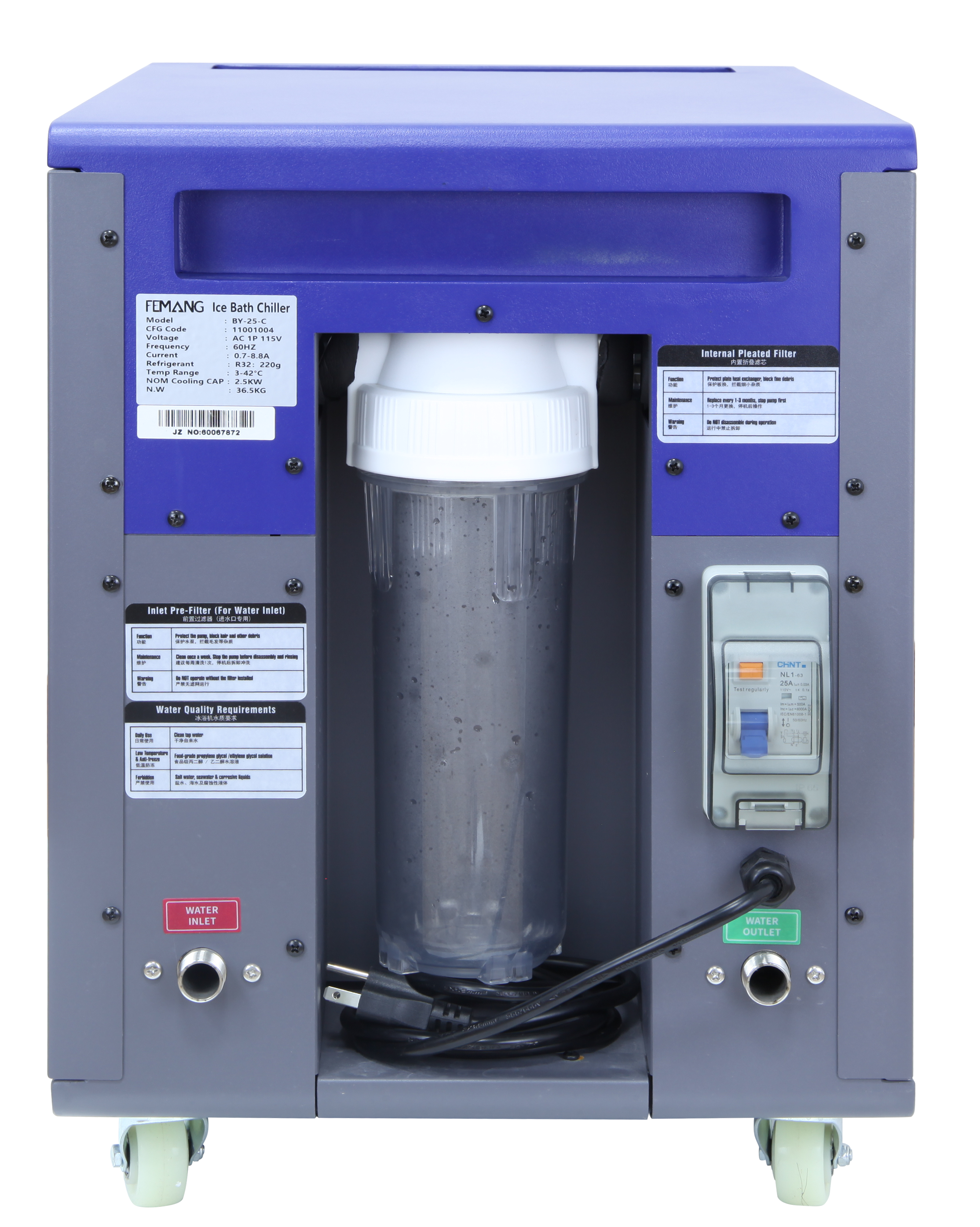
Water quality directly impacts member safety, equipment longevity, and the wellness center's reputation. Comprehensive filtration removes suspended particles, while UV or ozone sanitization minimizes bacterial growth and chemical dependency. During planning, evaluate sanitization technologies available in different ice bath chiller models and choose systems that align with your facility's health and safety standards. Regular filter maintenance and water testing become operational requirements that must be budgeted and scheduled.
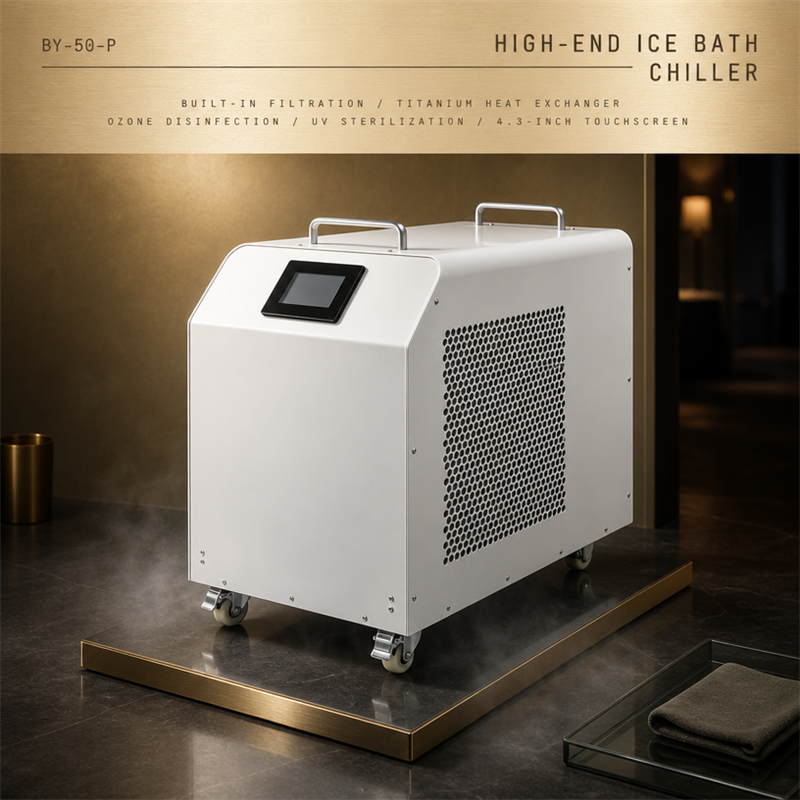
An integrated ice bath chiller with built-in filtration and sterilization simplifies wellness center management and reduces total system complexity. These all-in-one solutions streamline installation and reduce the need for auxiliary equipment. Planning the filtration strategy early allows you to design drainage systems, water supply connections, and maintenance access points efficiently. Many wellness centers underestimate the importance of water management until operational issues arise.
Installation Planning and Operational Implementation
Electrical, Plumbing, and Structural Considerations
A comprehensive installation plan for your ice bath chiller must address electrical connections, water supply and drainage lines, and structural support requirements. Engage licensed contractors to assess whether your wellness center's existing infrastructure can support the equipment or if upgrades are necessary. Plan dedicated electrical circuits with appropriate breaker capacity, consider grounding requirements, and evaluate whether separate water supply lines or modifications to existing systems are needed. Drainage capacity must accommodate the volume of water cycled through the chiller during peak usage periods.
Structural considerations include floor loading capacity, vibration isolation, and noise reduction measures. Commercial chillers can generate vibration during operation; planning sound dampening or equipment placement away from member areas reduces disturbance. Your wellness center should incorporate these infrastructure details into facility blueprints before equipment delivery. Early coordination between the chiller vendor, facility engineers, and contractors prevents conflicts and construction delays during the actual installation phase.
Staff Training and Operational Protocols
Proper training ensures your wellness center staff operates the ice bath chiller safely and maintains optimal performance. Establish protocols for daily startup and shutdown procedures, temperature monitoring, filter changes, water testing, and emergency response. Schedule initial training with the equipment vendor and create written operational manuals specific to your facility's setup. Staff should understand member safety guidelines, temperature adjustment procedures, and how to identify performance issues that warrant technician attention.
Your wellness center's operational plan should include predictive maintenance schedules to keep the ice bath chiller running reliably. Regular inspections, filter replacements, and seasonal servicing extend equipment life and prevent unexpected failures. Budget for annual maintenance contracts or parts inventory, and identify backup service providers in your area. A well-planned operational framework protects your investment and delivers consistent member experience.
FAQ
What size ice bath chiller does my wellness center need?
The appropriate size depends on your expected daily user volume, session frequency, and water volume in your immersion tubs. A wellness center serving 20–30 daily ice bath users typically requires a chiller with sufficient cooling capacity to maintain target temperatures during peak usage. Professional capacity assessment considers water volume, desired temperature, ambient conditions, and turnover rates. Undersizing compromises effectiveness; oversizing wastes energy. Consult with chiller suppliers to calculate the right capacity for your specific wellness center operational profile.
How much installation and planning typically costs?
Total costs for ice bath chiller planning and installation include the equipment itself, site preparation, electrical upgrades, plumbing modifications, labor, and contingencies. Site assessment, design consultation, and structural modifications may add 15–30 percent to equipment cost depending on your wellness center's existing infrastructure. Facilities with modern electrical service and appropriate drainage typically face lower installation costs than those requiring significant upgrades. Obtain detailed quotes from multiple vendors that itemize all planning and installation components.
How do I ensure long-term reliability of my ice bath chiller?
Establish preventive maintenance schedules that include filter changes, water quality testing, equipment inspections, and seasonal servicing. Your wellness center should document all maintenance activities and monitor performance metrics like temperature stability and cooling speed. Train staff on proper operation and early warning signs of problems. Partner with service providers who understand commercial ice bath chiller systems and can respond quickly to issues. Planning for maintenance from the outset protects your wellness center investment and ensures consistent member satisfaction.
 EN