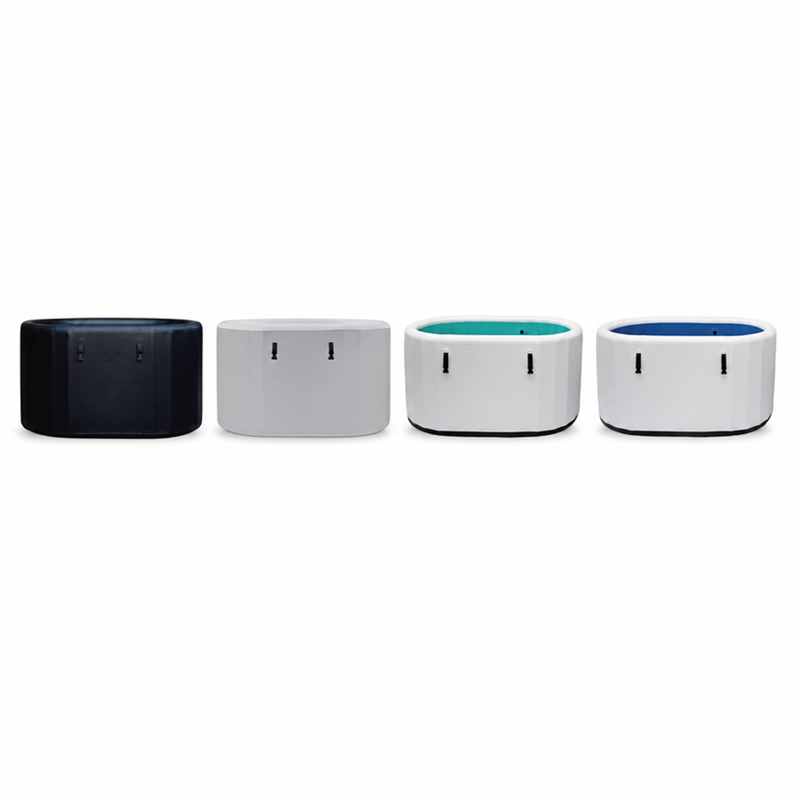
Creating an effective wellness facility requires strategic planning and understanding how complementary recovery modalities work together. When designing a recovery space, pairing a cold plunge tub with a sauna area establishes the foundation for contrast therapy, a practice that has gained significant traction in athletic facilities, spas, and wellness centers. This combination leverages the physiological benefits of temperature extremes to enhance recovery, reduce inflammation, and improve circulation patterns that static recovery methods cannot achieve alone.
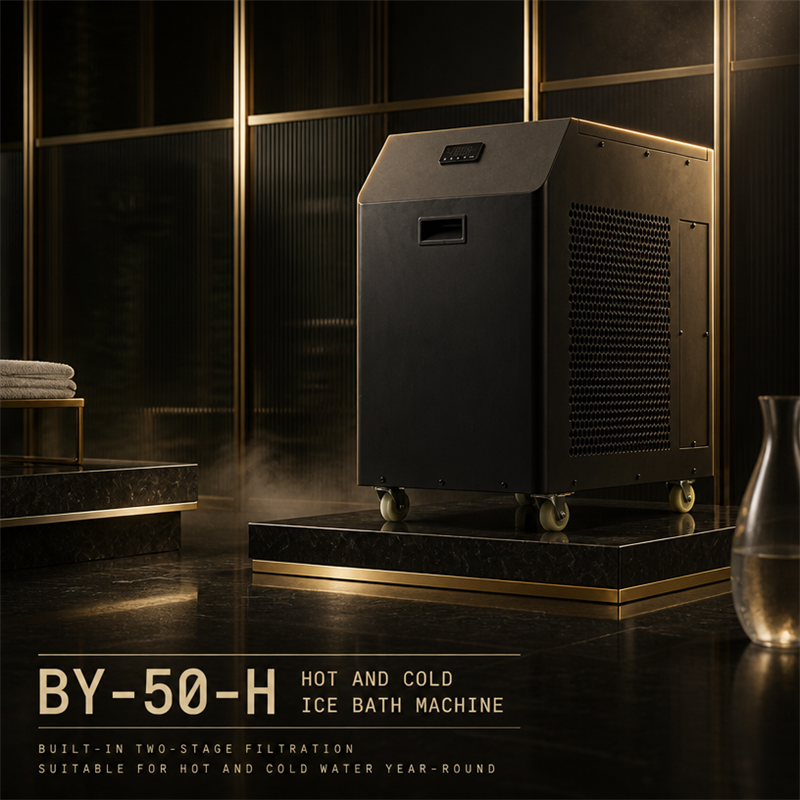
The synergy between a cold plunge tub and sauna extends beyond simple user preference. Contrast therapy, the practice of alternating between hot and cold exposure, maximizes cardiovascular adaptation, activates parasympathetic responses, and supports detoxification processes. Facility planning that integrates these two modalities creates an experience that standalone equipment cannot deliver. Understanding the spatial, technical, and operational requirements ensures your investment generates maximum member satisfaction and operational efficiency.
Understanding Contrast Therapy Fundamentals
How Temperature Contrast Enhances Recovery
Contrast therapy operates on a straightforward physiological principle: alternating between heat and cold triggers adaptive responses throughout the body. When users move from a sauna's high heat exposure to a cold plunge tub, blood vessels constrict rapidly, then dilate as the body warms again. This vascular exercise strengthens circulatory function and increases oxygen delivery to muscle tissues. The repeated cycle generates metabolic benefits that single-temperature recovery cannot match, making contrast therapy particularly valuable for athletic populations and those seeking enhanced wellness outcomes.
Physiological Benefits of Paired Modalities
Research indicates that contrast therapy reduces delayed-onset muscle soreness more effectively than isolated cold or heat exposure alone. The combination decreases inflammation markers, enhances immune function through repeated hormetic stress, and promotes faster recovery timelines. A cold plunge tub paired with sauna access also supports mental resilience through controlled stress exposure, which translates to improved stress management capacity. These benefits make the pairing particularly attractive to facilities seeking competitive differentiation and member retention advantages.
Facility Planning and Spatial Layout
Optimal Design Configuration for User Flow
Effective facility planning requires positioning the sauna and cold plunge tub to create intuitive user flow while maintaining safety and comfort. The ideal layout places these units within close proximity, typically in a dedicated recovery zone separated from general workout areas. Most facilities position the sauna as the initial station, allowing users to warm deeply, followed by immediate access to the cold plunge tub for contrast cycling. Pathways should include non-slip surfaces, adequate spacing for towel preparation, and clear directional signage. Facility planning must also account for changing areas, cooling zones, and seating for recovery intervals between contrast cycles.
Technical Infrastructure Requirements
A cold plunge tub demands specialized infrastructure beyond standard facility utilities. Dedicated electrical circuits, proper drainage systems, and chiller equipment maintenance access are non-negotiable. The sauna requires separate ventilation systems and humidity management to prevent moisture migration to adjacent areas. Facility planning should allocate sufficient space for mechanical equipment, including chiller units, circulation pumps, and temperature control systems that operate independently from the cold plunge tub's main chamber. Water quality management systems, including filtration and sanitization infrastructure, must be integrated during initial construction phases rather than retrofitted later, which increases costs substantially.
Operational Considerations and Member Experience
Temperature Protocol and Session Structure
Successful integration of a cold plunge tub with sauna operations requires clear protocols that prioritize member safety and enjoyment. Typical contrast therapy sessions involve three to five cycles, with users spending five to fifteen minutes in the sauna followed by one to three minutes in the cold plunge tub. Facility staff must educate members on proper sequencing, appropriate temperature ranges, and individual tolerance guidelines. A cold plunge tub typically operates at 50-60 degrees Fahrenheit for optimal contrast effect, while sauna temperatures remain in the 160-200 degree range. Clear posted guidelines, staff training, and waiver systems protect facilities from liability while enabling users to achieve maximum therapeutic benefit from contrast therapy.
Maintenance and Water Quality Management
A cold plunge tub requires consistent maintenance protocols that exceed typical pool standards due to its high-intensity use environment. Daily temperature monitoring, circulation system checks, and sanitization testing ensure safety and performance. Facility planning should designate staff responsibilities for equipment monitoring, water chemistry balance, and chiller performance verification. Many facilities employ automated monitoring systems that alert staff to temperature fluctuations, chemical imbalances, or equipment malfunctions before they impact operations. The sauna requires separate ventilation checks and humidity management to prevent degradation of wooden surfaces and internal components. Coordinating maintenance schedules for both modalities ensures neither recovery tool experiences unexpected downtime.
Design Integration and Member Communication
Creating Cohesive Recovery Zones
Aesthetic and functional integration elevates the member experience significantly. Facility planning should ensure the cold plunge tub and sauna share complementary finishes, lighting schemes, and privacy considerations. Private changing areas, individualized temperature displays, and comfortable seating between contrast cycles enhance perceived value. Successful facilities treat the pairing as a unified recovery ecosystem rather than isolated equipment placements. This approach to facility planning improves member satisfaction scores and encourages longer session durations, thereby increasing equipment utilization and revenue per user engagement.
Educational Signage and Guidance Systems
Members new to contrast therapy benefit from clear guidance on methodology and safety considerations. Signage positioned near the cold plunge tub and sauna should outline proper sequencing, temperature expectations, timing recommendations, and contraindications for certain populations. QR codes linking to instructional videos or staff availability for real-time guidance can reduce confusion and anxiety, particularly among first-time users experiencing a cold plunge tub. Facilities that invest in member education typically see higher utilization rates and fewer safety incidents. The combination of physical signage, digital resources, and knowledgeable staff creates confidence that drives consistent engagement with contrast therapy protocols.
FAQ
What temperature should a cold plunge tub maintain for contrast therapy effectiveness?
A cold plunge tub typically operates between 50 and 60 degrees Fahrenheit for optimal contrast therapy results. This temperature range provides sufficient cold stress to trigger cardiovascular adaptation without causing excessive discomfort or safety concerns. Some users tolerate lower temperatures, but facilities generally recommend starting new members at the warmer end of this range to build tolerance gradually before exploring deeper cold exposure.
How much space does facility planning need to allocate for a sauna and cold plunge tub combination?
Facility planning should reserve approximately 200 to 300 square feet for a comprehensive contrast therapy zone, including the sauna chamber, cold plunge tub, changing areas, and recovery seating. A traditional sauna requires 40 to 80 square feet, while a cold plunge tub occupies 15 to 25 square feet. The remaining space supports traffic flow, equipment maintenance access, and the comfort amenities that enhance the overall member experience around these core recovery modalities.
Can members with certain health conditions safely use contrast therapy with a cold plunge tub and sauna together?
Individuals with cardiovascular conditions, uncontrolled hypertension, or recent injuries should consult healthcare providers before attempting contrast therapy. The rapid temperature changes and vascular stress can pose risks for certain populations. Facilities should require health screening forms and maintain clear contraindication lists near the cold plunge tub and sauna areas. Staff training should emphasize the importance of respecting individual health limitations and recognizing warning signs that require immediate session cessation and medical evaluation.
 EN