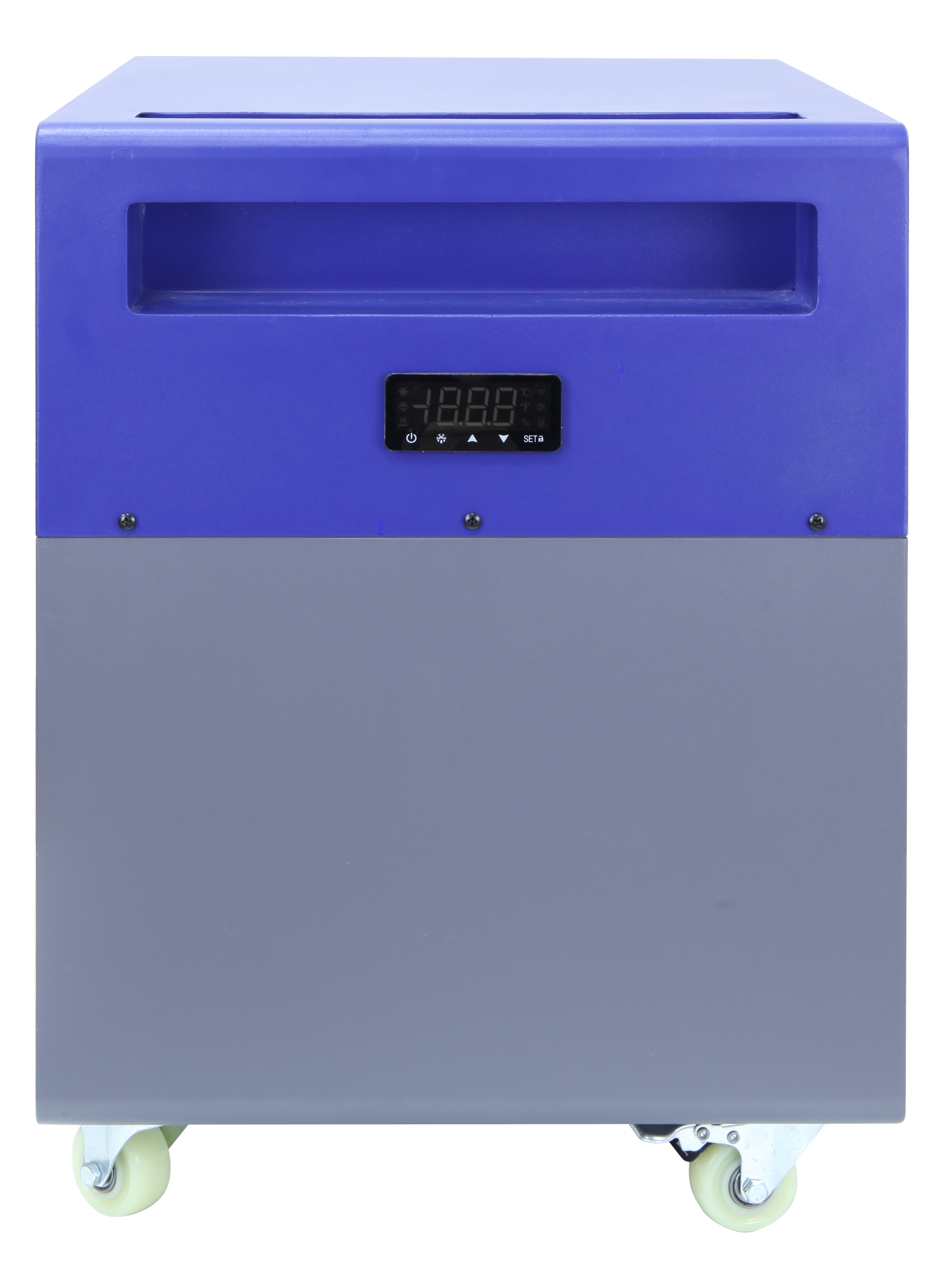
A cold plunge chiller is a critical investment for commercial facilities such as spas, resorts, and recovery centers. Proper maintenance of your cold plunge chiller directly impacts its performance, lifespan, and the quality of experience you deliver to clients. Without consistent attention, even premium equipment can develop inefficiencies, leading to higher energy costs and unexpected breakdowns during peak season.
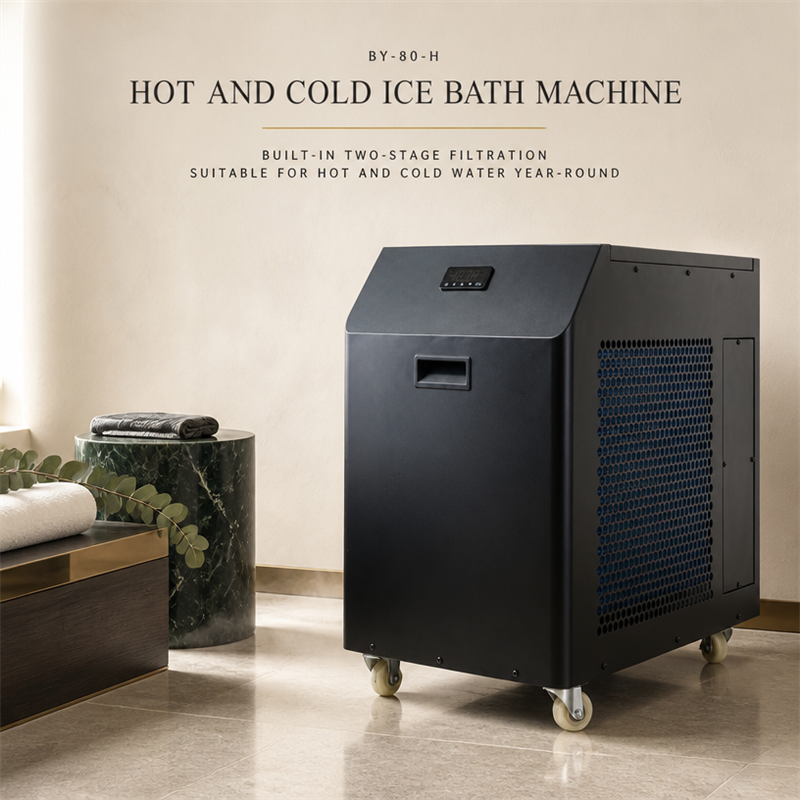
Whether you operate a single installation or multiple commercial use setups, understanding the fundamentals of routine care ensures your equipment operates reliably year-round. This guide covers the essential maintenance protocols, inspection schedules, and troubleshooting strategies that keep your system running at optimal efficiency while protecting your investment.
Understanding Your Cold Plunge Chiller System
Core Components and Their Functions
A commercial cold plunge chiller consists of several interdependent components that work together to maintain precise water temperature. The compressor drives the refrigeration cycle, while the condenser removes heat from the refrigerant. The evaporator transfers cold energy to your plunge water, and the circulation pump ensures consistent temperature distribution throughout the basin. Understanding these parts is fundamental to effective maintenance and knowing when professional service is needed.
The control system monitors water temperature and initiates cooling cycles automatically. Filters trap sediment and debris that could damage internal components. Each element requires specific attention during routine care routines. For commercial use environments with high throughput, these components experience greater stress than residential systems, making proactive maintenance even more critical to avoid service interruptions.
Performance Metrics and Baseline Documentation
Before implementing any maintenance schedule, establish baseline performance metrics for your cold plunge chiller. Record the time required to reach target temperature, daily energy consumption, refrigerant pressure readings, and water clarity observations. This baseline data becomes your reference point for detecting performance degradation over time. Commercial use facilities should maintain detailed logs for each system, especially if managing multiple installations.
Regular documentation reveals trends that indicate developing problems. If your chiller suddenly takes longer to cool or runs continuously without reaching target temperature, your baseline data helps you communicate the issue precisely to technicians. This proactive approach minimizes downtime and prevents catastrophic failures that disrupt your business operations.
Essential Routine Care Procedures
Water Quality and Filtration Management
Water quality directly affects the longevity of your cold plunge chiller components. Minerals, bacteria, and organic matter accumulate in the system, creating biofilm that reduces efficiency and corrodes internal surfaces. Implement a weekly water testing protocol to monitor pH, chlorine or alternative sanitizer levels, and total dissolved solids. Commercial use operations with high-volume client traffic should test more frequently, ideally twice weekly during peak seasons.
Filter replacement represents one of the most important routine care tasks. Check your filter status weekly and replace it whenever water flow decreases noticeably or the filter appears visibly saturated. The replacement frequency depends on water quality, usage volume, and your facility's environmental factors. For commercial use facilities, expect to replace filters every two to four weeks during active seasons. Always use filters specified by your equipment manufacturer to ensure proper fit and efficiency.
System Inspection and Pressure Monitoring
Monthly inspections of your cold plunge chiller catch developing issues before they escalate into expensive repairs. Check for refrigerant leaks by visually inspecting all connection points and looking for oily residue around fittings. Listen for unusual noises during operation that might indicate compressor strain or fan problems. Inspect hoses for cracks, brittleness, or bulging, which signal imminent failure. During commercial use periods, increased operational stress makes these inspections especially valuable.
Refrigerant pressure readings tell a detailed story about your system's health. Normal operating pressure ranges vary by refrigerant type and ambient conditions, so consult your equipment specifications. Abnormal pressures indicate compressor problems, refrigerant leaks, condenser blockages, or thermostat malfunctions. Most commercial use facilities benefit from scheduling professional pressure checks quarterly, allowing technicians to document trends and identify gradual efficiency losses before performance noticeably declines.
Condenser and Evaporator Cleaning
The condenser removes heat from the refrigeration system and directly impacts your chiller's efficiency. Dust, pollen, and debris accumulate on condenser coils, forcing your compressor to work harder and use more energy. Clean the condenser externally every three months during normal operation, or monthly if your facility operates in dusty environments or during high pollen seasons. Use soft brushes and compressed air rather than pressure washers, which can damage delicate fins.
The evaporator exchanges cold energy with your plunge water and requires internal cleaning through your maintenance routine care program. Specialized cleaning solutions designed for evaporator maintenance remove mineral deposits and biofilm that reduce heat transfer efficiency. For commercial use systems running continuously, perform evaporator cleaning every six months or according to your manufacturer's recommendations. Professional technicians can perform this task more thoroughly than on-site staff.
Maintenance Scheduling and Professional Support
Developing Your Maintenance Calendar
Create a comprehensive maintenance calendar aligned with your facility's operational patterns. Commercial use environments demand different schedules than seasonal facilities. Year-round operations might prioritize monthly inspections and quarterly professional service, while seasonal facilities might schedule intensive maintenance before opening and after closing. Your calendar should specify daily visual checks, weekly water testing, monthly component inspections, and quarterly professional evaluations.
Digital maintenance tracking systems help commercial use managers coordinate service across multiple chillers and ensure nothing gets overlooked. These systems generate reminders, track completed tasks, and create historical records valuable for warranty claims and troubleshooting. Whether using spreadsheets, dedicated maintenance software, or simple notebooks, consistent documentation transforms routine care from an afterthought into a strategic asset preservation program.
Professional Service Intervals and Expertise
While routine care can be managed internally, professional technicians provide expertise that prevents costly mistakes. Schedule comprehensive service at least twice yearly for commercial use cold plunge chiller systems, ideally before your busiest seasons. Technicians perform refrigerant analysis, pressure testing, electrical system evaluation, and component replacement if needed. They identify maintenance patterns specific to your equipment model and operational environment.
Building relationships with qualified service providers creates continuity in your maintenance program. Professional technicians familiar with your specific commercial use facility understand its unique challenges and maintenance history. They can advise on component upgrades, efficiency improvements, and optimal operating procedures tailored to your business model. Emergency service agreements ensure rapid response if unexpected problems occur during peak client volume periods.
FAQ
How often should I replace the filter in my commercial cold plunge chiller?
Filter replacement frequency depends on your facility's water quality, usage volume, and the specific filter type. For commercial use operations with high client traffic, expect to replace filters every two to four weeks during active seasons. Check filter status weekly by observing water flow and visual inspection. Replace immediately if flow decreases noticeably or the filter appears saturated. Some facilities with excellent water quality might extend intervals to six weeks, while high-traffic commercial use environments may need replacements every two weeks.
What are the signs that my cold plunge chiller needs professional maintenance?
Several warning signs indicate your cold plunge chiller requires professional attention beyond routine care. If the system takes longer than usual to reach target temperature, displays abnormal refrigerant pressure readings, produces unusual noises like grinding or clicking, or shows visible refrigerant leaks around connection points, contact a technician immediately. Commercial use facilities should also seek professional service if electricity consumption suddenly increases or water quality deteriorates despite normal routine care practices. Regular professional inspections prevent these emergency situations.
Can I perform maintenance on my commercial cold plunge chiller myself?
You can perform basic routine care tasks like filter replacement, visual inspections, water testing, and external condenser cleaning yourself. However, tasks involving refrigerant handling, electrical system work, or internal component repair require licensed technicians due to safety and warranty considerations. For commercial use facilities, the risk of incorrect maintenance often exceeds the cost savings of DIY approaches. Professional technicians ensure work meets industry standards, maintains warranty coverage, and provides liability protection for your business operations.
 EN