A cold plunge has become a centerpiece amenity in spas, wellness facilities, and hospitality environments. When guests use your facility frequently, maintaining peak performance becomes critical to both their safety and satisfaction. The difference between a well-maintained cold plunge and a neglected one directly impacts your reputation, guest retention, and operational efficiency. This guide explores the essential practices required to keep your cold plunge in optimal condition for continuous guest use.
Managing a cold plunge for frequent use requires a structured approach to maintenance that addresses water chemistry, equipment performance, hygiene standards, and guest comfort. Facilities that prioritize consistent maintenance routines experience fewer equipment failures, better guest feedback, and longer asset lifespan. Understanding the key maintenance principles will help you deliver a reliable and premium guest experience while protecting your investment.
Water Quality Management for Frequent Use
Daily Water Chemistry Monitoring
Maintaining proper water chemistry is fundamental to operating a cold plunge safely during frequent use. Temperature control must stay consistent between 50–60°F to deliver the intended therapeutic benefits while minimizing discomfort and shock risk. Test pH levels daily, aiming for a range of 7.2–7.6 to prevent corrosion and ensure sanitizer effectiveness. Alkalinity should be maintained between 80–120 ppm to stabilize pH and support balanced water conditions. Chlorine or bromine levels must stay within 2–4 ppm to eliminate bacteria and pathogens while remaining gentle on skin and equipment.
Filtration and Circulation Systems
A high-quality filtration system is essential for maintaining water clarity and removing contaminants introduced during frequent use. Most premium cold plunge systems include multi-stage filtration that traps particles, oils, and dead skin cells before they accumulate. Run circulation pumps continuously or on a preset schedule to ensure even water distribution and prevent stagnant zones. Check filter pressure gauges weekly and backwash or replace filter media when pressure rises above manufacturer specifications. Proper circulation not only keeps water clean but also helps maintain uniform temperature throughout the basin.
Equipment Performance and System Health
Chiller Unit Maintenance
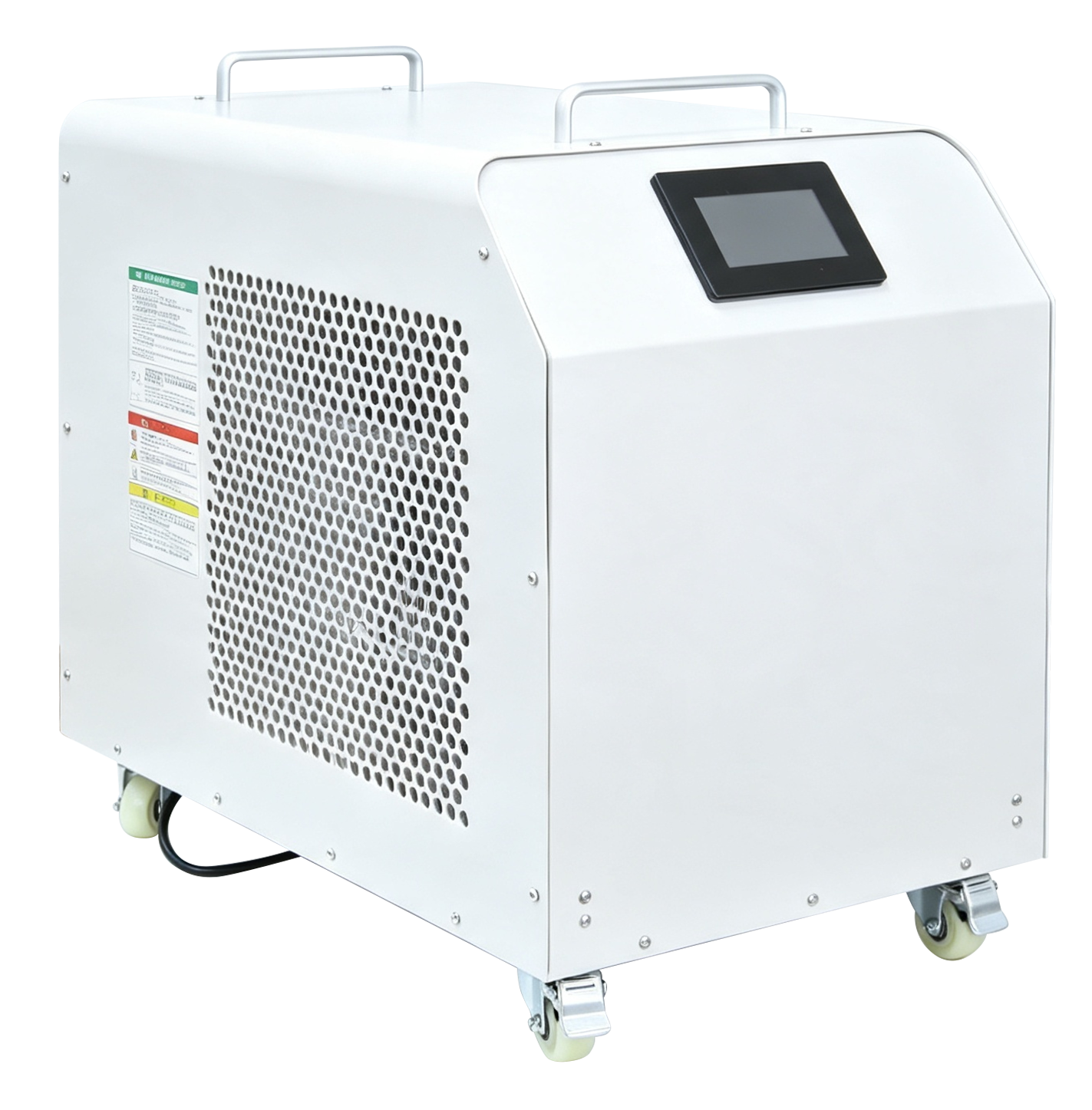
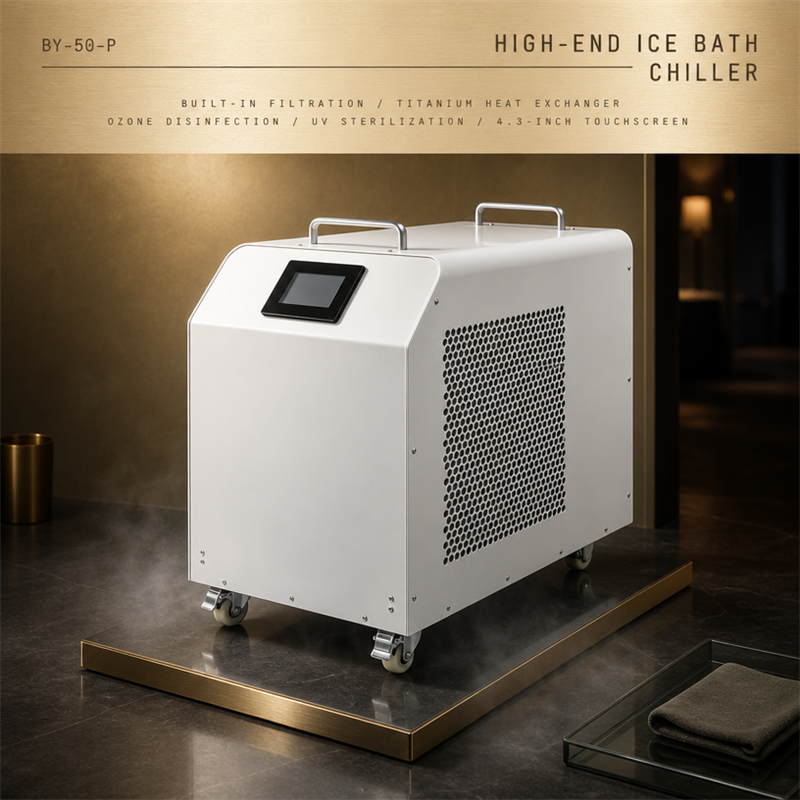
The chiller is the heart of your cold plunge system, and its performance directly determines guest satisfaction. Inspect the compressor, condenser coils, and refrigerant lines monthly for leaks, corrosion, or unusual noise. Keep condenser coils clean by gently rinsing with water to remove dust and debris that reduces cooling efficiency. Check refrigerant levels annually with a certified technician, as low refrigerant compromises temperature control and increases energy consumption. For frequent use environments, consider scheduling preventive maintenance twice yearly to catch issues before they escalate into costly repairs or downtime.
Pump and Plumbing System Checks
Pumps and plumbing components experience constant stress during frequent use cycles. Inspect all visible pipes and connections monthly for leaks, corrosion, or mineral buildup. Listen for unusual vibrations or grinding sounds from pump motors, which may indicate bearing wear or cavitation issues. Drain and flush the entire system seasonally to remove sediment and mineral deposits that accumulate over time. Check valve operation to ensure water flows correctly through filtration and chilling stages without backflow or blockages.
Guest Experience and Hygiene Standards
Sanitation Protocols
For a frequent use environment, comprehensive sanitation goes beyond basic water chemistry. Implement a daily cleaning routine that includes scrubbing the basin interior, jets, and waterline with appropriate non-abrasive cleaners to prevent algae and biofilm growth. Drain and deep clean the entire system monthly, using UV or ozone sterilization methods if your equipment includes them to eliminate resistant microorganisms. Replace towels, robes, and accessories provided to guests after each use, and maintain separate hygiene stations with hand sanitizers and skin care products. Educate staff on proper sanitation timing so maintenance occurs between guest sessions without disrupting service.
Guest Communication and Comfort
Transparent communication about maintenance builds guest confidence and manages expectations during frequent use schedules. Display water temperature and quality status where guests can see it, reinforcing that the facility maintains rigorous standards. Post pre-plunge recommendations such as showering beforehand and limiting immersion time, which reduce contaminant load on the system. During maintenance windows, clearly inform guests about temporary unavailability and provide alternative amenities when possible. Collect guest feedback regularly regarding water temperature consistency, cleanliness, and overall experience to identify areas for improvement and demonstrate your commitment to quality.
FAQ
How often should I test water chemistry in a cold plunge used frequently?
Daily testing is essential for frequent use environments. Check pH, alkalinity, and sanitizer levels every morning before guest access begins. Some advanced facilities test twice daily during peak seasons to ensure consistent water quality throughout operating hours. Portable test kits or digital monitoring systems provide quick, accurate readings that guide immediate adjustments when needed.
What maintenance schedule is best for a cold plunge with high guest traffic?
Implement a tiered maintenance approach combining daily, weekly, and monthly tasks. Daily checks include water chemistry and basic cleaning. Weekly tasks involve inspecting pumps, checking for leaks, and testing filtration pressure. Monthly deep cleaning and equipment inspections catch problems early, while professional servicing twice yearly ensures chiller and mechanical systems remain reliable during frequent use periods.
Can UV or ozone sterilization improve cold plunge maintenance during frequent use?
Yes, UV and ozone sterilization systems significantly enhance water purity in high-use scenarios. These technologies eliminate chlorine-resistant pathogens and reduce reliance on chemical sanitizers, which can irritate skin during frequent immersion. Many commercial cold plunge systems now integrate these advanced sterilization methods to maintain guest experience quality while lowering long-term chemical costs and environmental impact.
 EN