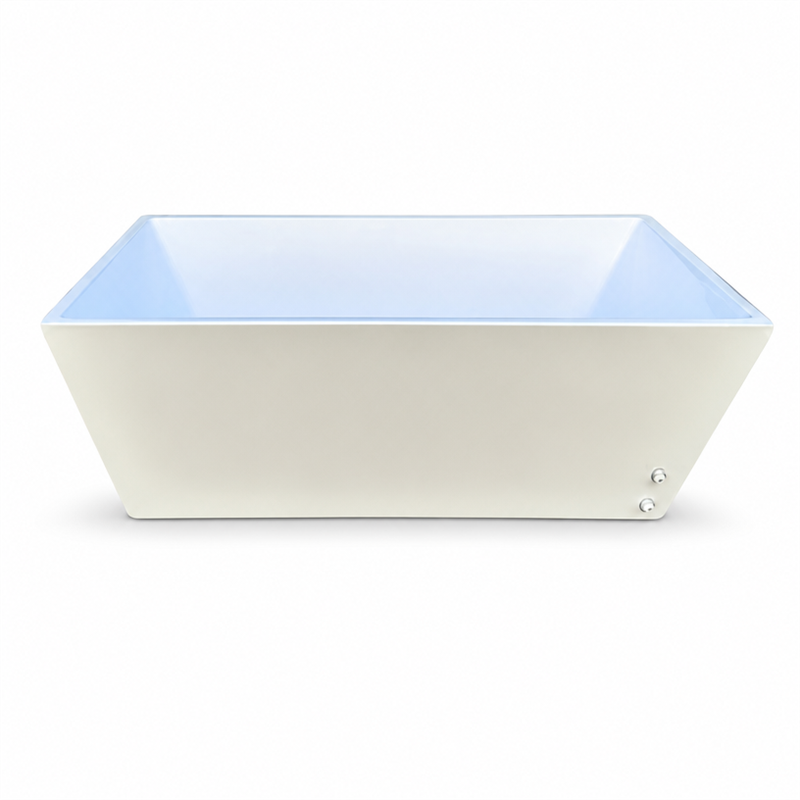
Purchasing an ice bath tub is a significant investment, and ensuring product quality before it leaves the factory is critical to your satisfaction. An ice bath tub undergoes considerable stress during manufacturing, handling, and transport, making a thorough pre-shipment inspection non-negotiable. This guide walks you through the essential checks that protect your investment and guarantee your cold plunge equipment arrives in pristine condition.
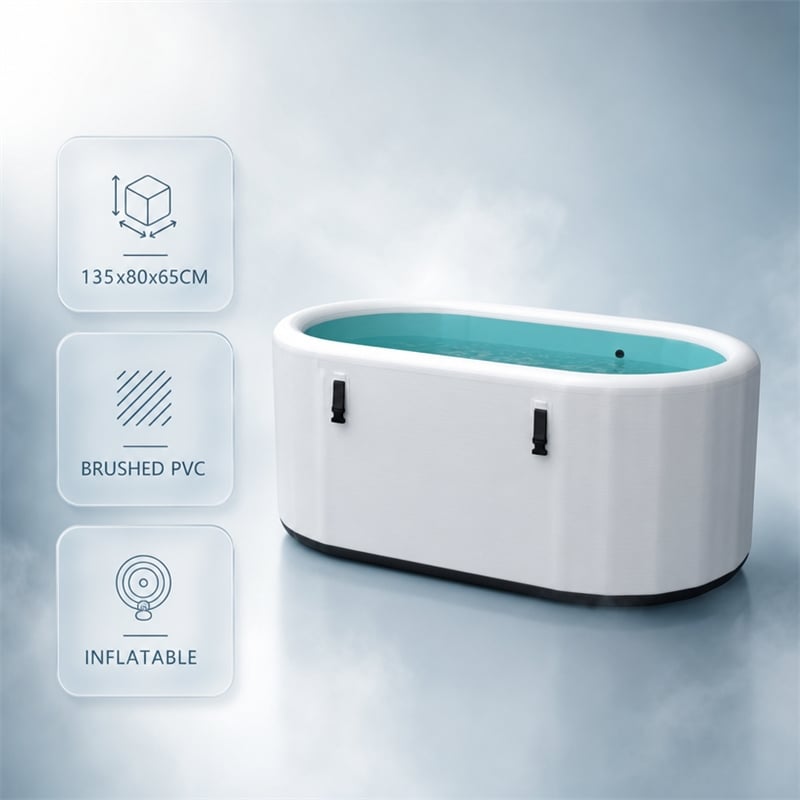
Pre-shipment quality control protects both buyer and seller. When you inspect an ice bath tub before shipment, you document its condition at the moment it leaves production, establishing clear accountability. This proactive approach eliminates disputes over damage responsibility and ensures the product meets your specifications. Understanding what to check and how to document findings transforms a routine process into a powerful risk management tool.
Physical Structure and Material Integrity
Examining Shell Construction and Seams
The shell of an ice bath tub forms the foundation of its durability and performance. Begin your inspection by visually scanning the entire outer surface for cracks, warping, or discoloration. Run your hand along all seams and joints, feeling for rough spots, gaps, or areas where materials may have separated. Pay special attention to corners and edges, where stress concentrations often appear first. Minor surface imperfections may be acceptable, but any structural compromise requires detailed documentation and potential rejection before shipment proceeds.
Assessing Insulation Quality
Insulation thickness and uniformity are critical for maintaining cold water temperatures. Measure the insulation thickness at multiple points—top edges, side walls, bottom, and near any access ports. An ice bath tub with inadequate insulation fails its core function, so inconsistencies warrant immediate attention. Press gently on insulated walls to confirm they feel firm and uniform; soft spots or areas that compress unevenly suggest manufacturing defects. Request production documentation that confirms insulation density and material specifications match your purchase agreement before shipment occurs.
Seals, Valves, and Functional Components
Testing Drain and Circulation Systems
Drain valves, filtration ports, and circulation connections must operate smoothly without leaks. Run a low-pressure water test through each drain valve and circulation port to verify proper function. Look for water droplets or seepage around valve stems and connection points; even minor weeping indicates seal degradation that will worsen after shipment and use. Check that valve handles turn smoothly without sticking or grinding sensations. An ice bath tub with compromised valve systems becomes problematic immediately upon delivery, making this inspection step essential before shipment authorization.
Inspecting Seal Integrity
Seals around the rim, access panels, and internal fittings prevent water leakage and maintain structural integrity. Press the seal material with your finger to confirm it feels pliable but firm; brittle or cracked seals indicate poor quality or storage damage. Examine the seal surface for tears, compression marks, or areas where material appears to have begun separating from the tub wall. Run your hand along the entire seal perimeter to detect any gaps or misalignment. Poor seal quality discovered during shipment inspection can be corrected before the ice bath tub leaves the warehouse, avoiding customer complaints and returns.
Documentation, Color, and Final Verification
Confirming Specifications and Color Accuracy
Compare the ice bath tub in front of you against purchase specifications, verifying size, color, material type, and all ordered features match exactly. Color consistency matters not just for aesthetics but as an indicator of manufacturing quality; patches of different shading suggest inconsistent material batching or processing. Check that all accessories included in your order—pumps, filters, covers, or control systems—are present and functional. Photograph or video-record the color and finish under consistent lighting conditions to document baseline appearance before shipment.
Creating Pre-Shipment Inspection Records
Maintain detailed written and photographic records of your inspection findings. Document every test performed, every measurement taken, and every visual observation made. Take high-resolution photos of the complete ice bath tub from multiple angles, plus close-ups of any areas of concern. Record the date, time, inspector name, and location of inspection. This documentation serves as proof of condition at shipment time and becomes invaluable if damage claims arise later. Include serial numbers, batch codes, and any manufacturer markings in your records for complete traceability throughout the supply chain.
FAQ
What should I measure when inspecting an ice bath tub before shipment?
Key measurements include insulation thickness at multiple locations, drain valve opening and closing torque, water pressure tolerance during valve tests, and overall dimensions. Record internal water capacity if applicable, temperature retention capability if testing protocols allow, and any specifications listed in your purchase contract. These measurements create a baseline that documents the ice bath tub met quality standards at the moment of shipment inspection.
How can I verify quality without damaging the ice bath tub during inspection?
Use non-destructive testing methods such as visual scanning, hand palpation for structural integrity, and low-pressure water circulation tests. Avoid applying excessive force or sharp tools that could create new damage. Measure insulation with calibrated thickness gauges rather than drilling holes. Document all findings photographically so the ice bath tub remains suitable for immediate shipment if it passes all quality checks satisfactorily.
What happens if I discover defects during my pre-shipment inspection?
Contact the manufacturer or supplier immediately with detailed documentation of defects found. Discuss whether the ice bath tub can be repaired, replaced, or whether shipment should be halted pending corrections. Having photographic evidence and written records strengthens your position in resolving quality issues. Most manufacturers prefer addressing problems before shipment rather than managing complaints and returns after delivery, making early detection mutually beneficial.
 EN