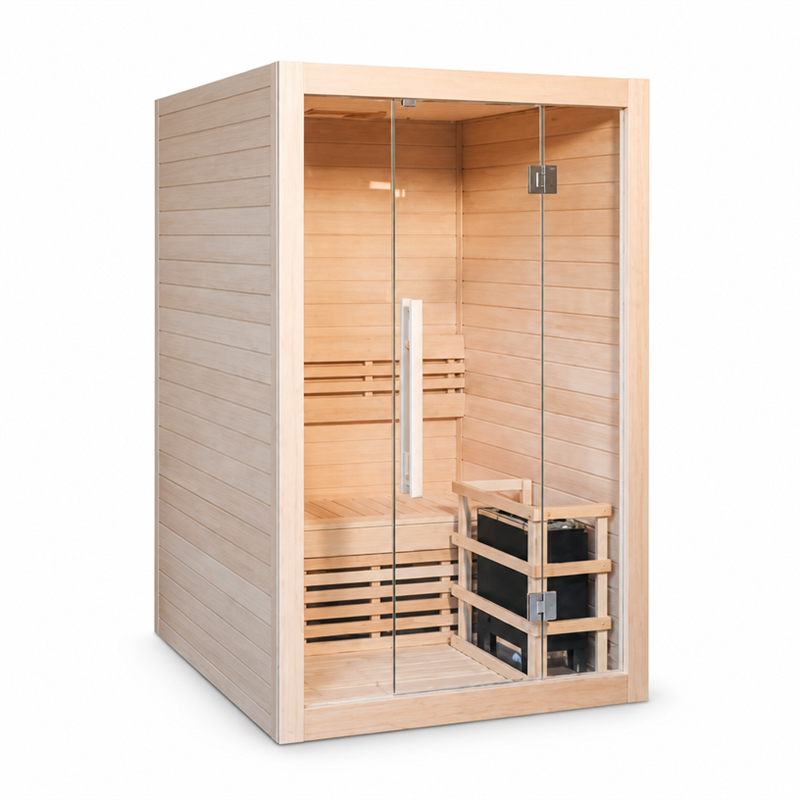
Ordering sauna rooms represents a significant investment for any business or residential property, making thorough evaluation essential before committing to purchase. Many buyers rush through the selection process without understanding what distinguishes premium sauna rooms from lower-quality alternatives. A comprehensive quality inspection process protects your investment and ensures long-term satisfaction with your sauna room installation.
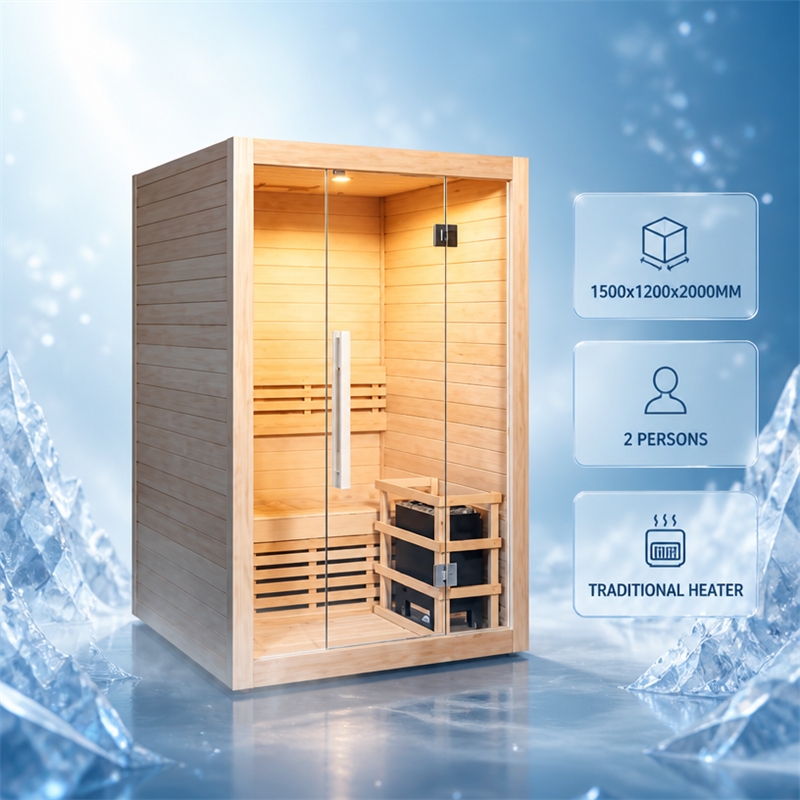
As a buyer evaluating sauna rooms for ordering, you need to understand the specific metrics and standards that define quality in this specialized market. This guide walks you through the critical evaluation steps that professional buyers and facility managers use when assessing sauna room options. By following this structured approach to quality inspection, you can make an informed decision that aligns with your needs and budget.
Understanding Sauna Room Construction Quality
Wood Selection and Material Standards
The foundation of premium sauna rooms lies in proper material selection. High-quality sauna rooms utilize kiln-dried wood from appropriate species such as hemlock, cedar, or spruce. These woods offer superior heat resistance and minimal warping over time. When ordering sauna rooms, examine the wood grain carefully—look for consistency and absence of knots or defects that could compromise structural integrity. Premium sauna rooms feature thick, uniform wood panels that feel solid when tapped lightly.
Moisture content matters significantly in quality inspection of sauna rooms. Wood used in sauna rooms should have moisture content between 12 and 15 percent. Boards that are too wet will shrink excessively during curing, creating gaps and reducing thermal efficiency. Conversely, overly dry wood becomes brittle and prone to cracking. Ask suppliers for moisture testing certificates when ordering sauna rooms to verify this critical specification.
Joinery and Assembly Methods
A buyer evaluating sauna rooms must inspect joinery techniques closely, as these joints determine durability. Look for mortise-and-tenon joints or dovetail construction rather than simple butt joints. Quality inspection of sauna rooms should include checking whether joints are reinforced with wooden dowels or metal fasteners designed for high-temperature environments. Premium sauna rooms feature seamless corners with minimal gaps that could allow heat escape or water infiltration.
When ordering sauna rooms, ask about assembly methods during manufacturing. Factory assembly typically ensures higher precision than site assembly. Quality sauna rooms undergo stress testing during assembly to identify weak points before delivery. A buyer should request documentation of assembly quality checks and warranty terms specific to joint integrity before finalizing the ordering process.
Evaluating Heating System Performance
Heater Type and Specifications
The heating system directly impacts sauna room functionality and user satisfaction. Quality inspection of sauna rooms requires understanding heater types: electric heaters offer precise temperature control, while wood-burning heaters provide traditional ambiance but require more maintenance. When ordering sauna rooms, verify that heaters are properly sized for the room volume. Undersized heaters struggle to reach desired temperatures, while oversized units waste energy and overheat spaces unnecessarily. Premium sauna rooms include heater specifications that match room dimensions and insulation levels.
A buyer evaluating sauna rooms should inspect temperature control capabilities. Quality inspection includes testing whether the thermostat maintains consistent temperature within 5 degrees Fahrenheit of settings. Premium sauna rooms feature intuitive controls with clear display panels. When ordering sauna rooms, ask about safety features such as automatic shutoff timers, overheat protection, and emergency temperature monitoring. These features distinguish reliable sauna rooms from potentially hazardous alternatives.
Insulation and Heat Retention
Heat retention directly affects operating costs and user experience in sauna rooms. During quality inspection, evaluate insulation thickness and material. Premium sauna rooms utilize mineral wool or fiberglass insulation rated for high temperatures. When ordering sauna rooms, ask for insulation R-values and verify these meet industry standards. Buyers should understand that proper insulation reduces heating time and energy consumption significantly. Quality sauna rooms achieve comfortable operating temperatures within 15 to 20 minutes.
A comprehensive buyer assessment includes checking ventilation systems within sauna rooms. Proper air circulation prevents moisture accumulation and extends equipment lifespan. Quality inspection of sauna rooms should confirm ventilation opening sizes and placement. Premium sauna rooms feature balanced ventilation systems designed to maintain humidity levels without compromising heat retention. When ordering sauna rooms, verify that ventilation components are compatible with local building codes and safety regulations.
Structural Integrity and Safety Assessment
Durability Testing and Certifications
Quality sauna rooms undergo rigorous durability testing before reaching the market. A buyer evaluating sauna rooms should request certification documents from recognized testing laboratories. Premium sauna rooms typically carry certifications indicating compliance with safety standards and performance benchmarks. When ordering sauna rooms, verify that products have been tested for structural integrity under typical operating conditions. Quality inspection should include asking about thermal stress testing, which confirms the sauna room withstands repeated heating cycles without degradation.
Safety certifications become crucial when ordering sauna rooms for commercial applications. Premium sauna rooms meet electrical safety standards, fire codes, and accessibility requirements. A buyer conducting quality inspection should verify that materials used in sauna rooms meet fire safety ratings appropriate for indoor installations. Documentation of third-party testing provides confidence that sauna rooms have undergone independent evaluation and passed rigorous standards.
Water Management and Moisture Protection
Effective moisture management separates quality sauna rooms from poorly designed alternatives. During quality inspection, examine waterproofing systems protecting structural elements and electrical components. Premium sauna rooms feature sealed baseboards, protected wiring conduits, and drainage systems that direct water away from vulnerable areas. When ordering sauna rooms, ask about the warranty coverage for water damage and mold resistance treatments applied to materials. Buyers should understand that inadequate moisture management leads to mold growth and component failure.
A buyer evaluating sauna rooms must inspect benchwork and flooring drainage systems. Quality sauna rooms include sloped flooring that directs water to drain points efficiently. Premium sauna rooms feature treated benches resistant to water damage and mold. When ordering sauna rooms, verify that all wood surfaces have been treated with appropriate sealants designed for high-moisture environments. Quality inspection includes checking that drainage systems are properly installed and accessible for maintenance.
FAQ
What specifications should a buyer prioritize when inspecting sauna rooms quality?
When conducting quality inspection of sauna rooms, prioritize wood species and moisture content, heater sizing and type, insulation R-values, temperature control accuracy, and safety certifications. A buyer evaluating sauna rooms should request documentation for moisture testing, heating system specifications, and third-party safety certifications. These core specifications directly impact performance, longevity, and user satisfaction. Many buyers focus heavily on aesthetic features while overlooking these critical performance metrics that determine whether sauna rooms deliver value over their operational lifespan.
How can a buyer verify authenticity of quality claims before ordering sauna rooms?
Request independent testing documentation, manufacturer certifications, and third-party inspection reports when ordering sauna rooms. A quality buyer should ask for references from previous customers and request on-site facility visits if possible. Premium sauna rooms vendors typically provide detailed specifications, performance data, and comprehensive warranties. Ask specifically about the quality inspection processes used during manufacturing. Reputable suppliers welcome detailed questions and provide transparent documentation that supports their quality claims about sauna rooms.
What warranty considerations matter when ordering sauna rooms?
When ordering sauna rooms, review warranty coverage for structural components, heater systems, insulation integrity, and water damage. A buyer evaluating sauna rooms should understand the difference between limited warranties covering specific components and comprehensive warranties protecting overall functionality. Premium sauna rooms often include extended warranties reflecting manufacturer confidence in quality. The warranty should specify coverage duration, what constitutes a valid claim, and whether on-site repairs are included. Quality inspection includes reviewing warranty terms alongside product specifications to understand the manufacturer's commitment to long-term performance.
 EN