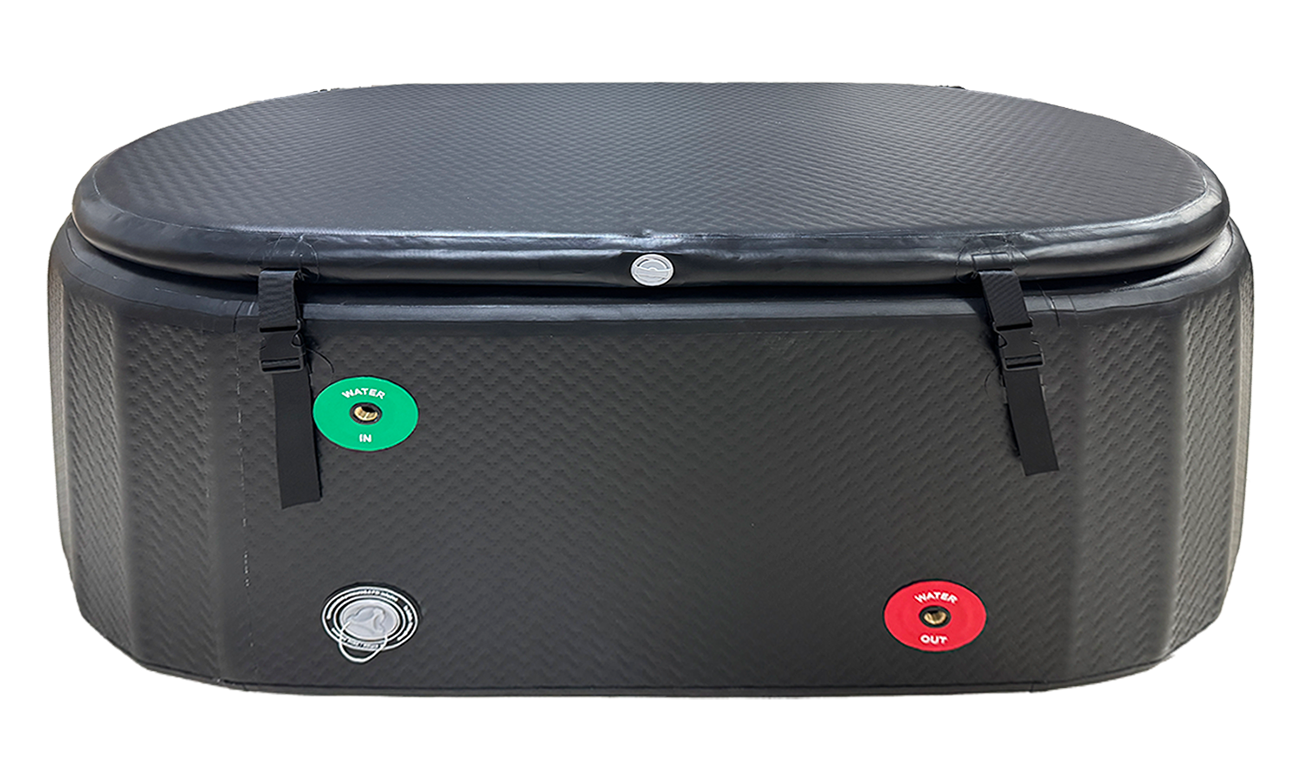
Purchasing an ice bath tub represents a significant investment in recovery equipment, whether for personal wellness, athletic training, or commercial spa operations. Before placing an order, understanding how to evaluate ice bath tub quality is essential to ensure you receive a product that delivers durability, safety, and consistent cold therapy performance. Many buyers focus solely on price or brand reputation, overlooking critical structural and material factors that directly impact longevity and user satisfaction. This buyer guide walks you through the essential inspection and sourcing considerations that distinguish premium cold plunge tubs from mediocre alternatives.
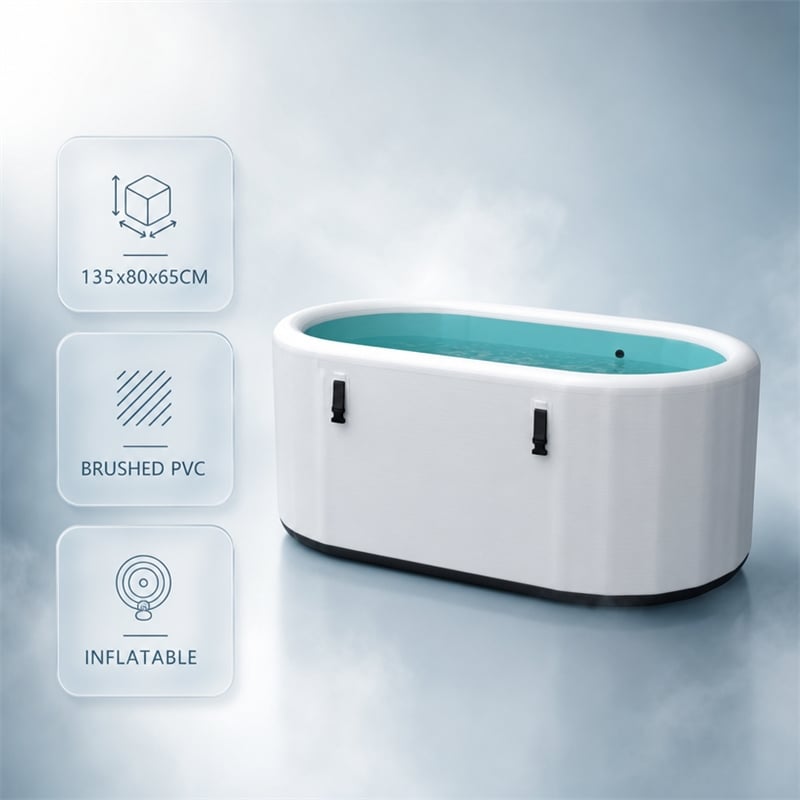
An effective quality inspection process combines visual assessment, material verification, and technical specification review. By adopting a structured quality inspection methodology, you can confidently identify which ice bath tub options meet your performance and durability requirements. This article covers the critical evaluation points that professional sourcing teams and experienced buyers use to make informed decisions.
Material and Construction Quality Standards
Evaluating Insulation and Durability
The insulation system forms the foundation of ice bath tub performance and longevity. High-quality cold plunge tubs feature multi-layer insulation designs that minimize heat transfer, maintain stable water temperatures, and reduce chiller workload. During your quality inspection, examine the wall thickness and insulation composition carefully. Premium models typically include rigid foam insulation, thermal barriers, or specialized insulating materials that resist degradation over time. Check for uniform insulation density throughout the entire tub structure, as thin or inconsistent areas create thermal weak points. When sourcing ice bath tub options, request technical specifications that detail insulation R-values and material certifications to verify thermal performance claims.
Examining Material Durability and Chemical Resistance
The outer and inner surfaces of your ice bath tub must withstand constant moisture exposure, temperature fluctuations, and chemical sanitization protocols. Quality inspection should focus on material composition such as reinforced PVC, acrylic, or composite materials that resist cracking, fading, and brittleness. Ask your supplier about UV resistance ratings and chemical compatibility with chlorine, salt, or mineral-based sanitizers. High-grade materials maintain structural integrity across thousands of therapy sessions without warping or developing stress fractures. During the buyer guide evaluation phase, request material safety data sheets and durability testing reports. Confirm that all seams and joints use marine-grade adhesives or heat-welded connections rather than simple gluing, as these construction methods directly impact long-term reliability and water retention.
Structural Integrity and Sealing Performance
Assessing Seam and Joint Quality
Seams represent critical failure points in any ice bath tub design. Quality inspection requires examining every visible joint, weld line, and corner connection for uniformity, cleanliness, and structural consistency. Premium cold plunge tubs employ professional welding or heat-fusion techniques that create airtight, permanent bonds. Run your fingers along seams to detect rough edges, gaps, or inconsistencies that signal poor manufacturing control. When sourcing from manufacturers, request before-delivery documentation showing seam testing results and pressure testing validation. Double-check that drain connections, return line penetrations, and any port openings feature reinforced collars and certified leak-resistant seals. This level of detail during quality inspection prevents costly water loss, electrical hazards, and structural failures after installation.
Verifying Water Tightness and Pressure Ratings
An ice bath tub must maintain complete water integrity under normal operating pressures. Quality inspection includes verifying that the manufacturer conducts pressure testing before shipment and provides test documentation as part of the buyer guide verification. Ask whether the product has been hydrostatically tested and what pressure ratings it carries. Premium models include safety margins that exceed typical operating pressures by 25–50 percent, ensuring reliability under peak conditions. Request information about the warranty coverage related to water retention and structural integrity. When evaluating sourcing options, prioritize manufacturers who openly document their testing protocols and stand behind their products with transparent guarantees.
Performance Features and Technical Specifications
Reviewing Temperature Control and Chiller Compatibility
Effective cold therapy depends on consistent temperature maintenance and rapid recovery capabilities. During quality inspection, verify that your ice bath tub connects seamlessly with standard chiller units and includes properly sized return lines, drain fittings, and circulation ports. Request specifications detailing minimum water temperature capability, temperature stability variance, and heat-up recovery time after use sessions. Premium cold plunge tubs feature oversized circulation channels and optimized internal flow patterns that promote even temperature distribution throughout the water volume. When sourcing equipment, confirm that internal baffles or circulation features prevent dead zones where water stagnates or maintains inconsistent temperatures. Ask about compatibility with variable-speed pumps and smart temperature controllers that enhance user experience and reduce energy consumption.
Evaluating User Safety and Accessibility Features
A quality inspection must include assessment of safety systems and user convenience elements that protect occupants and operators. Check for slip-resistant interior surfaces, rounded edges, and adequate entry-exit step design that reduce fall risks. Premium ice bath tub models include drainage overflow systems, emergency drain valves, and secure handrails or grab handles positioned at ergonomic points. When following a buyer guide for sourcing, verify that electrical components are properly grounded, sealed against moisture, and certified to relevant safety standards. Confirm that any control panels or displays feature waterproof construction and emergency shut-off mechanisms. Ask about child-safety features if the installation location includes access by minors. These considerations demonstrate whether a manufacturer prioritizes user welfare alongside performance specifications.
Sourcing Best Practices and Supplier Verification
Conducting Vendor Due Diligence
Selecting the right supplier forms the foundation of a successful ice bath tub purchase experience. During your buyer guide research, verify that potential manufacturers maintain third-party certifications, industry compliance documentation, and transparent quality control processes. Request references from commercial clients or facilities that have used their cold plunge tubs in high-volume environments. Quality inspection should include reviewing any available product performance data, customer testimonials, and documented case studies. When sourcing globally, confirm that suppliers maintain consistent manufacturing standards across production batches and can provide traceability documentation for critical components. Ask about their warranty terms, customer support responsiveness, and return policies in case initial products fail inspection criteria.
Negotiating Quality Assurance and Pre-Delivery Testing
Effective sourcing includes negotiating specific quality assurance protocols before purchase and delivery. Request written commitments that all ice bath tub units will undergo factory testing, documentation review, and third-party inspection verification before shipment. When using a buyer guide approach, specify that delivery shipments should include photographs of quality inspection seals, testing reports, and material certifications. Negotiate the right to perform comprehensive inspection immediately upon arrival, with provisions for replacement or refund if products fail agreed quality standards. Ask whether the manufacturer offers expedited replacement parts access for any components that require service during the warranty period. These practices ensure that your sourcing investment aligns with your performance expectations and minimize costly delays or operational disruptions after installation.
FAQ
What are the most critical quality inspection points when evaluating an ice bath tub?
The most critical inspection areas include insulation thickness and composition, seam and joint construction quality, water-tightness verification, material durability against chemicals and temperature cycles, and compatibility with standard chiller systems. Request documentation of pressure testing, thermal performance ratings, and material certifications. Examine visible seams carefully and confirm that the manufacturer conducts before-delivery inspections with documented results provided as part of your buyer guide materials.
How do I ensure an ice bath tub supplier maintains consistent quality across multiple orders?
Implement a structured sourcing process that includes written quality agreements specifying inspection standards, testing protocols, and acceptable variance ranges. Request samples from different production batches before committing to large orders. Establish regular quality audits with your supplier and maintain detailed records comparing delivered products against agreed specifications. Include contractual provisions that allow return or replacement of units failing agreed quality inspection criteria, ensuring accountability and continuous improvement.
What buyer guide questions should I ask when sourcing ice bath tub options internationally?
Request certification documentation proving compliance with relevant safety standards in your jurisdiction, material safety data sheets for all construction materials, and evidence of pressure and thermal testing. Ask about their quality control processes, production facility certifications, and whether they maintain consistency across all batch runs. Verify warranty terms, parts availability, and support logistics for international shipments. Request references from other buyers in similar industries or regions to confirm their track record with quality inspection standards and customer satisfaction.
 EN