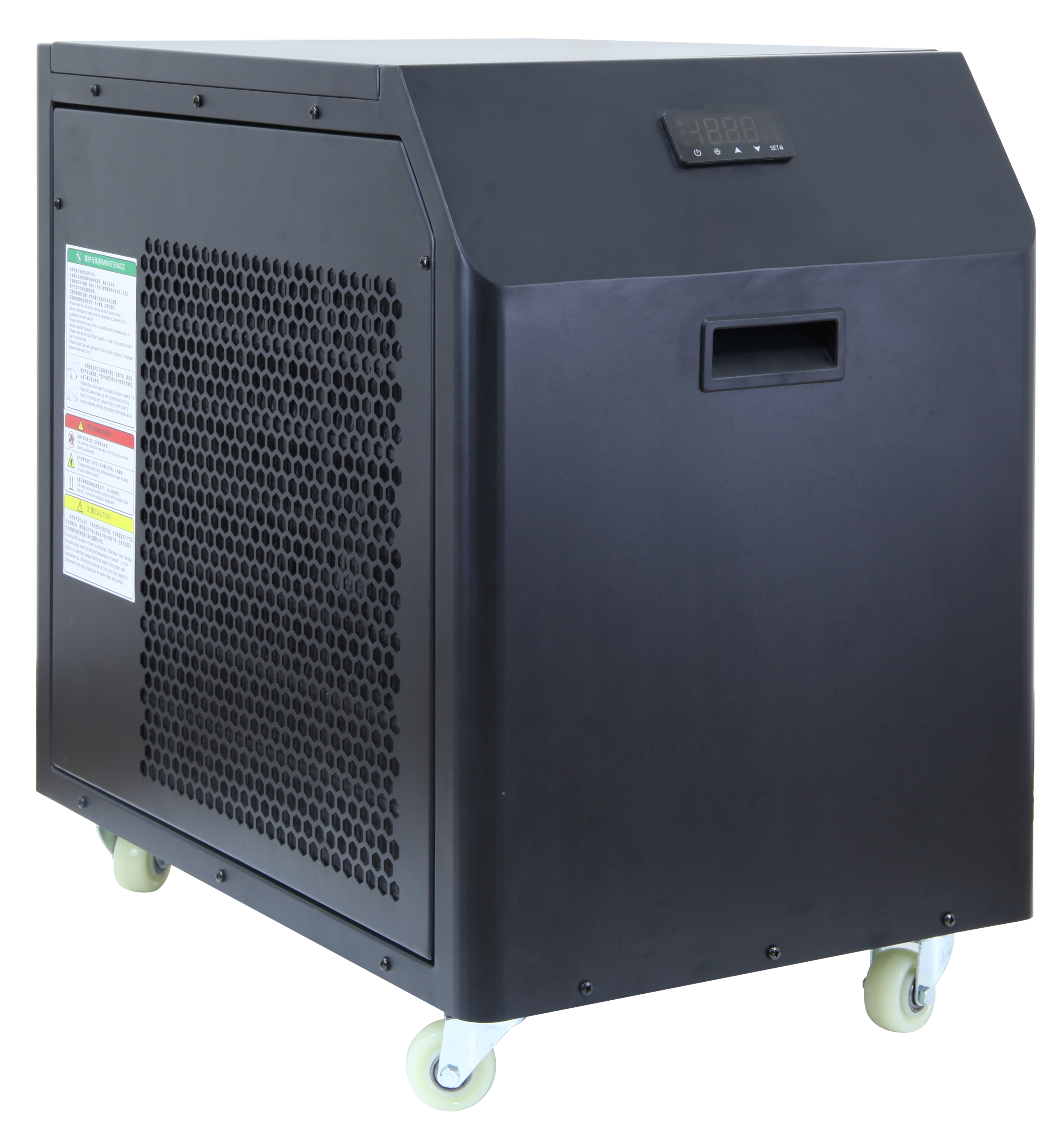
Installing a cold plunge in a commercial facility requires careful planning beyond equipment selection. Understanding your customer flow patterns and facility layout is essential to ensure the installation will serve your business objectives effectively. Many facility owners underestimate how much traffic and usage patterns impact the success of a cold plunge installation, leading to operational challenges and poor member experience.
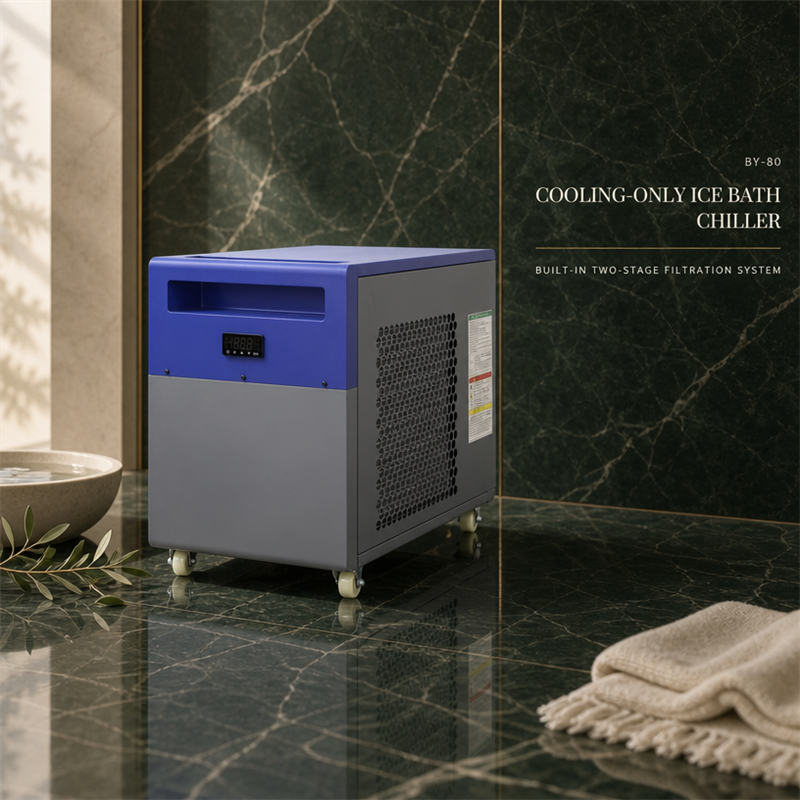
Before committing to a cold plunge installation, you must evaluate how members will access, use, and move through the space. Proper facility planning ensures the installation enhances rather than disrupts your current operations. This assessment determines placement, sizing, support infrastructure, and overall customer satisfaction with the amenity.
Understanding Customer Flow Patterns
Analyzing Peak Usage Times and Traffic Density
Customer flow refers to how members move through your facility during different times of day and week. Tracking peak usage hours helps you understand when your cold plunge will receive the most demand. For commercial facilities, customer flow typically concentrates around early morning, lunch hours, and evening periods when fitness activity peaks. Understanding these patterns prevents bottlenecks where multiple users queue for access simultaneously.
To analyze your customer flow effectively, document member arrival times, duration of stays, and which amenities they use most frequently. This data reveals whether your facility experiences consistent traffic or if it has distinct peak windows. Facilities with predictable customer flow can better manage cold plunge reservations and scheduling. If your customer flow is sporadic or highly variable, you may need to invest in additional supporting infrastructure to maintain smooth operations.
Integrating Cold Plunge Access into Existing Layouts
Your existing facility layout directly impacts how customers will incorporate cold plunge use into their routines. If the cold plunge location requires members to walk through workout areas or cross traffic pathways, it may disrupt customer flow in those zones. Commercial use facilities benefit from placing the cold plunge in locations that complement existing circulation patterns rather than creating obstacles. The ideal placement allows customers to access the cold plunge without interfering with other premium amenities or congesting main pathways.
Evaluate whether your current customer flow patterns support dedicated recovery areas. Many modern commercial use facilities designate separate zones for recovery amenities like cold plunges to minimize interference with primary workout traffic. This approach enhances the overall experience and encourages higher usage rates because members can access the cold plunge during natural transition points in their routines.
Facility Planning Considerations for Installation
Space Requirements and Physical Placement
Facility planning for a cold plunge installation requires assessing both the equipment footprint and surrounding access space. A commercial cold plunge typically requires adequate clearance for safe entry, exit, and emergency access. Beyond the unit itself, you need space for changing areas, towel management, and circulation where multiple customers can move without congestion. Poor facility planning in this stage often leads to safety concerns and reduced usage because members feel cramped or uncomfortable accessing the equipment.
Consider drainage, water supply, and electrical infrastructure when evaluating potential installation sites. Commercial use settings often require reinforced flooring and specialized plumbing to support the equipment and accommodate frequent use. Inadequate facility planning regarding utilities can result in costly retrofitting or relocation later. Verify that your facility has sufficient water pressure, proper drainage systems, and electrical capacity before finalizing the installation location. These technical factors directly influence whether the cold plunge operates reliably under your actual customer flow volume.
Supporting Infrastructure and Amenities
The customer flow impact of your cold plunge extends to the supporting facilities you provide. Members using a cold plunge need accessible lockers, changing areas, and shower facilities nearby. If these amenities are distant or require customers to navigate complex routes, it discourages cold plunge usage and disrupts your overall customer flow efficiency. Facility planning should include proximity analysis to ensure complementary amenities support rather than hinder the cold plunge experience.
Staff accessibility is another critical facility planning element for commercial use operations. Your team needs clear sightlines and easy access to monitor the cold plunge area, perform maintenance, and assist customers if needed. Poor facility planning that isolates the cold plunge from staff areas increases safety risks and complicates management of customer flow during peak times. Design the space so staff can efficiently supervise usage, manage wait times, and maintain equipment without creating congestion in high-traffic zones.
Capacity Planning and Operational Readiness
Determining Usage Capacity and Scheduling Systems
Once you understand your customer flow patterns and facility layout, determine realistic usage capacity for your cold plunge. Commercial use installations typically operate with time-limited sessions to maximize capacity while ensuring safe usage. Assess whether your current customer flow volume justifies a dedicated time-slot system or if open-access usage fits your operational model better. If customer flow is dense, scheduled sessions prevent overcrowding and queue frustration while protecting the cold plunge equipment from excessive demand stress.
Capacity planning requires honest assessment of your facility's current member engagement and growth projections. A cold plunge that sits underutilized reflects poor capacity planning, while one that generates excessive wait times indicates you underestimated customer flow demand. Commercial use facilities should monitor usage data during the first 3–6 months post-installation and adjust scheduling systems accordingly. This iterative approach ensures your cold plunge operates efficiently within your facility's unique customer flow constraints.
Staffing and Maintenance During Peak Customer Flow
Customer flow management extends to your operational team and maintenance protocols. Ensure you have adequate staff trained to manage cold plunge operations, especially during peak usage times. Commercial use settings often benefit from dedicated cold plunge attendants who monitor safety, guide users, and manage scheduling during high-flow periods. Without sufficient staffing, customer flow bottlenecks quickly accumulate and the cold plunge experience deteriorates.
Maintenance scheduling also affects how well your cold plunge integrates into customer flow. Routine cleaning, water testing, and equipment checks must occur during low-traffic windows to avoid disrupting customer flow or limiting access. Facility planning should designate specific maintenance windows and ensure your team has quick-access protocols for urgent issues. A well-maintained cold plunge experiences better member adoption and supports sustainable commercial use operations without impacting overall facility customer flow.
FAQ
What customer flow metrics should I track before installing a cold plunge?
Track peak usage hours, average member session duration, and facility-wide traffic patterns by time of day and day of week. Document which amenities drive the most traffic and identify transition points where members naturally move between areas. Measure current spacing efficiency and identify existing bottlenecks in your customer flow that might worsen if you add a new attraction like a cold plunge.
How does facility planning ensure the cold plunge doesn't disrupt existing customer flow?
Proper facility planning places the cold plunge in zones with natural transition traffic, not across primary workout pathways. Adequate changing, storage, and circulation space around the cold plunge prevents congestion. Infrastructure like drainage and utilities must support the equipment without requiring members to navigate obstacle courses. When facility planning is thorough, the cold plunge becomes an organic part of your customer flow rather than an interruption to it.
What commercial use facilities benefit most from cold plunge installation?
Facilities with consistent customer flow, dedicated recovery areas, and member demand for premium amenities see the strongest return on cold plunge investment. Gyms, wellness centers, spas, and athletic clubs with strong customer flow patterns and facility planning resources typically integrate cold plunges most successfully. Facilities must demonstrate sufficient space, infrastructure capacity, and operational readiness before committing to installation to ensure the cold plunge enhances rather than strains your commercial use operations.
 EN