Purchasing a cold plunge system for commercial or therapeutic purposes represents a significant investment, particularly when committing to a bulk order. The decision to buy multiple units without thorough evaluation can lead to costly mistakes, performance disappointments, and damage to your facility's reputation. Establishing a rigorous quality inspection protocol before finalizing any bulk order is essential to protect your business interests and ensure customer satisfaction.
For B2B buyers in the wellness, fitness, and recovery sectors, quality inspection becomes a critical step in the procurement process. Whether you operate a spa facility, sports recovery center, or health club, the reliability and build quality of your cold plunge equipment directly impacts operational uptime and client outcomes. Understanding how to evaluate construction standards, material durability, temperature control precision, and safety features before committing to a bulk order separates experienced purchasing teams from those who face unexpected failures and costly returns.
Understanding Core Quality Indicators for Cold Plunge Systems
Material Composition and Structural Integrity
The foundation of any reliable cold plunge begins with material selection and construction quality. Premium systems typically feature high-grade stainless steel or marine-grade thermoplastic components that resist corrosion, chemical degradation, and temperature cycling stress. When evaluating a cold plunge before bulk ordering, examine the gauge thickness of metal components, weld quality, and seam consistency. Poor welds create weak points prone to leaks and structural failure under operational pressure.
Request detailed material specifications from the manufacturer and cross-reference industry standards for immersion equipment. The insulation quality directly affects energy efficiency and temperature maintenance, so inspect the density and composition of thermal barriers. For quality inspection purposes, demand photographic documentation of internal construction, assembly procedures, and quality control checkpoints that the manufacturer implements during production.
Chiller System Performance and Reliability
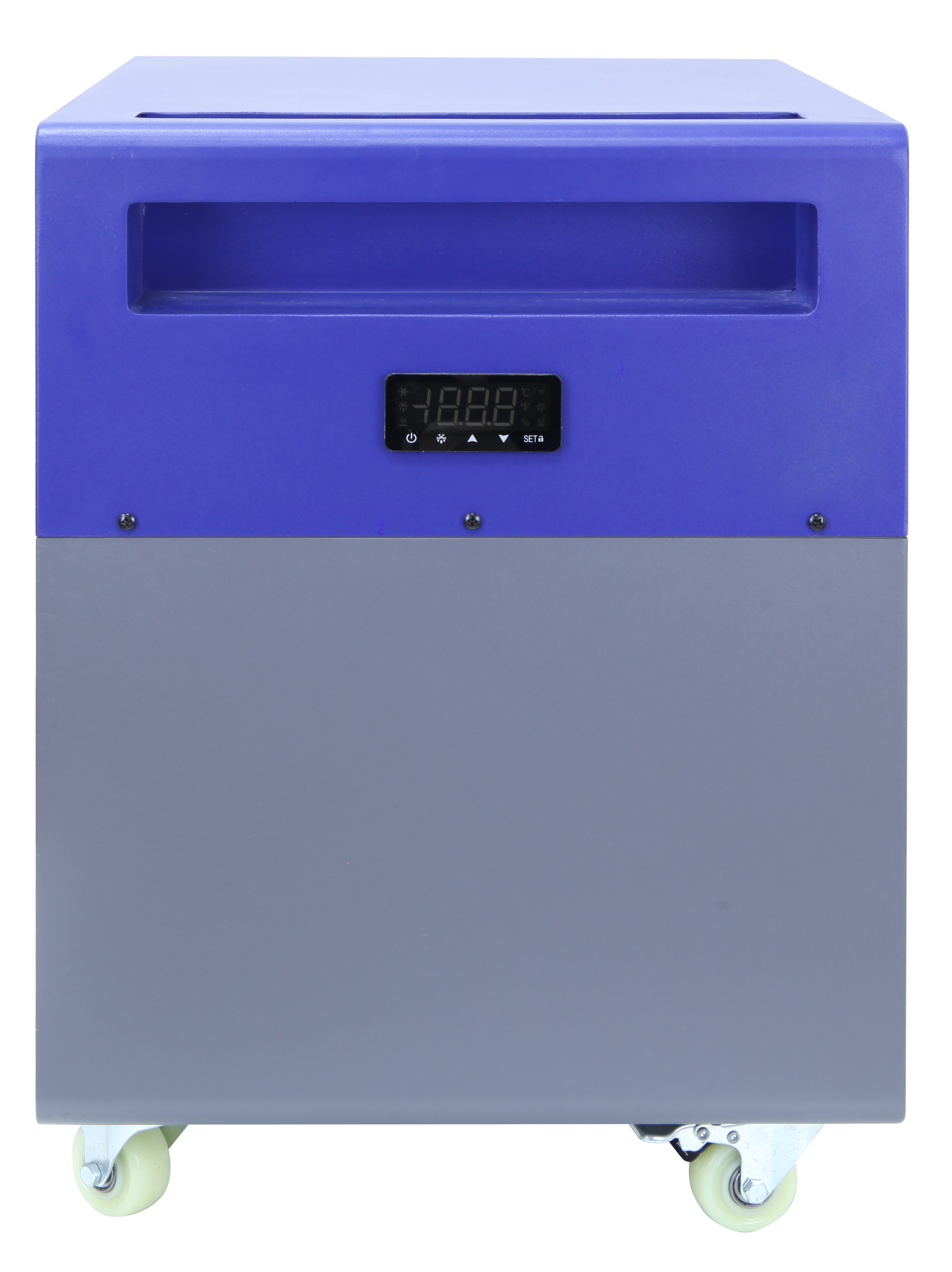
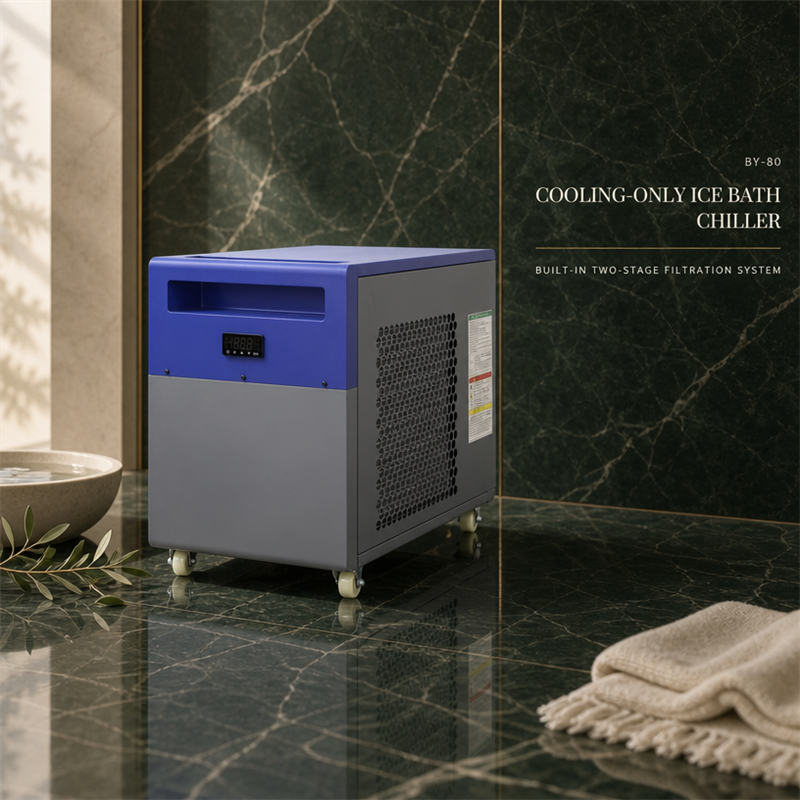
The refrigeration system represents the operational heart of any cold plunge unit. Before bulk ordering, verify that the chiller uses reliable, environmentally compliant refrigerants and employs robust compressor technology rated for continuous commercial operation. Request specification sheets detailing cooling capacity, temperature range, accuracy tolerance, and energy consumption metrics. A quality cold plunge system should maintain stable water temperature within plus-or-minus 0.5 degrees Celsius, which requires precision engineering and quality components throughout the cooling circuit.
Evaluate the compressor brand reputation and warranty coverage, as this component typically represents the largest maintenance cost over the system's lifespan. Check whether the chiller system includes redundant safety features such as low-pressure switches, high-pressure relief valves, and thermal overload protection. These quality indicators demonstrate manufacturer commitment to preventing equipment damage and user injury.
B2B Quality Inspection Protocols and Testing Methods
Pre-Purchase Inspection and Sampling Strategy
Establish a systematic quality inspection approach before committing to large bulk order quantities. Order sample units first and subject them to accelerated testing protocols that simulate several months of normal operation. Run the cold plunge system continuously for 72 hours, checking for performance drift, unusual noise generation, and any visible leaks or component degradation. Document temperature stability, power consumption patterns, and any maintenance issues that emerge during this testing window.
For B2B purchases, negotiate inspection privileges that allow your team or a third-party quality auditor to visit the manufacturer facility and witness production processes. This on-site quality inspection provides transparency into manufacturing standards, component sourcing, and quality control procedures. Evaluate whether the production environment maintains clean conditions, whether workers follow standardized assembly protocols, and whether the facility implements documented quality checkpoints between manufacturing stages.
Documentation and Certification Review
Before finalizing your bulk order, compile and verify all relevant quality documentation. Request current certifications for electrical safety (ETL, UL, or equivalent standards), environmental compliance (ROHS, REACH regulations), and water quality standards if applicable. Check manufacturing dates on sample units to confirm you are not receiving old inventory that may have degraded during storage. Verify serial number tracking systems that tie each unit to specific production batches, enabling rapid identification if quality issues emerge post-delivery.
Examine warranty terms carefully, noting coverage duration, what components are excluded, and whether the bulk order qualifies for extended warranty options. Quality manufacturers typically offer robust warranties for critical components like chillers and pumps, while lesser companies restrict coverage to manufacturing defects only. Request copies of actual warranty claims data from previous bulk order clients if possible, as this reveals which components fail most frequently and indicates potential quality concerns you should investigate further.
Performance Verification and Long-Term Viability Assessment
Temperature Control Accuracy and Consistency Testing
Precision temperature control distinguishes quality cold plunge systems from mediocre alternatives. Before bulk ordering, conduct independent temperature monitoring tests using calibrated digital thermometers or data-logging equipment. Measure actual water temperature at multiple locations within the tank simultaneously, as poorly designed circulation patterns create temperature variations that compromise user experience and therapeutic benefit. A quality system maintains uniform temperature throughout the reservoir, with minimal temperature swing during user entry and exit cycles.
Test response time when the system must recover temperature after users enter the water. A high-quality cold plunge should return to target temperature within 15-20 minutes of user activity. Slow recovery times indicate undersized chiller systems or design inefficiencies that will frustrate users and increase operational costs through excessive energy consumption. This quality assessment directly impacts whether your bulk order meets customer expectations and generates positive facility reviews.
Durability Predictors and Long-Term Maintenance Outlook
Quality inspection must extend beyond initial functionality to assess long-term durability and maintenance burden. Examine the ease of accessing filter housings, pump components, and electrical connections. Systems designed for service accessibility indicate manufacturer confidence in product quality and genuine commitment to operational support. Request maintenance schedules and parts availability information, confirming that replacement components can be sourced quickly and affordably throughout the equipment's operational life.
Evaluate corrosion resistance in areas prone to mineral buildup and chemical exposure. Request information about descaling procedures, filter replacement intervals, and whether the system design prevents common failure points like pump cavitation or heat exchanger fouling. These details reveal whether the manufacturer anticipates real-world operational challenges and designs robust solutions, or whether the system reflects minimal real-world testing.
FAQ
What specific quality metrics should I prioritize when evaluating cold plunge equipment for bulk ordering?
Prioritize temperature control accuracy within plus-or-minus 0.5 degrees, reliable compressor brand reputation with comprehensive warranties, stainless steel construction with verified weld quality, and energy efficiency ratings that indicate proper insulation and system design. For B2B bulk orders, require documentation of quality control procedures, request on-site facility inspections, and test sample units for 72 continuous hours before committing to large quantities. Verify that the cold plunge manufacturer provides detailed specifications, current safety certifications, and references from previous B2B customers who can confirm long-term reliability.
How can quality inspection protect my business when bulk ordering?
Thorough quality inspection before bulk ordering prevents costly equipment failures, protects your facility reputation, reduces maintenance downtime, and ensures customer satisfaction with cold plunge performance. By identifying construction defects, chiller reliability issues, and design flaws through sample testing and on-site manufacturer audits, you avoid purchasing defective units and facing warranty disputes later. Quality inspection also establishes baseline expectations that hold manufacturers accountable for performance claims and provides documentation to support warranty claims if problems emerge after bulk order delivery.
What role does B2B supplier verification play in cold plunge quality assessment?
B2B supplier verification encompasses reviewing manufacturing certifications, audit records, customer references, and warranty claim history that collectively reveal whether the manufacturer maintains consistent quality standards. Visiting production facilities allows you to assess manufacturing discipline, component sourcing practices, and quality control rigor that written specifications alone cannot convey. Requesting references from other bulk order customers provides direct insight into long-term reliability, maintenance experience, and manufacturer responsiveness when issues require resolution after your cold plunge purchase.
 EN