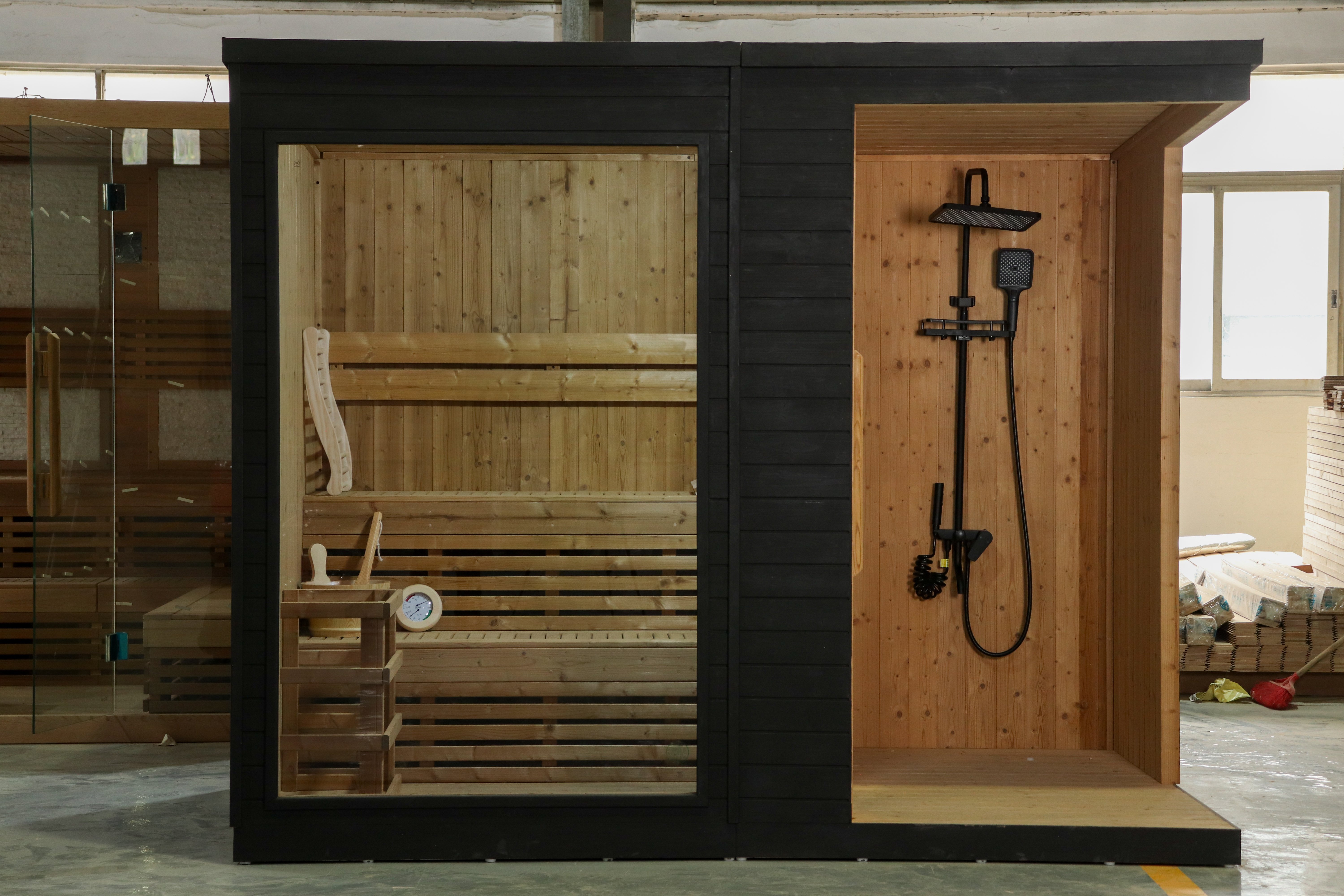
Commercial sauna rooms represent a significant investment for hospitality venues, wellness centers, and resort properties. Understanding the complete financial picture—from installation through decades of operation—requires careful analysis of multiple cost components that extend far beyond the initial purchase price. This guide walks you through the key financial factors that determine whether sauna rooms deliver sustainable value for your business.
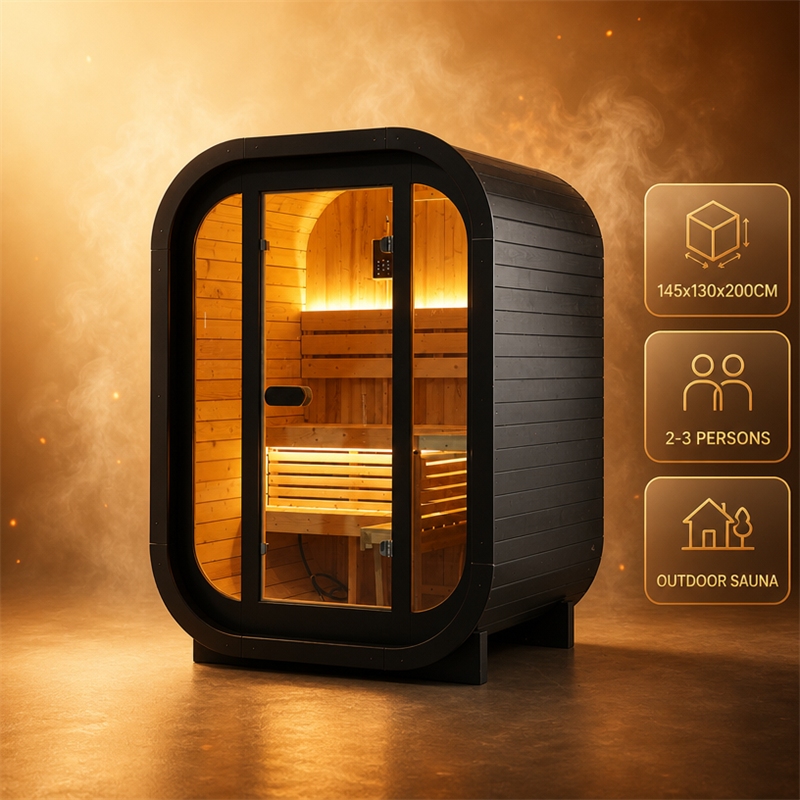
The long term cost of commercial sauna rooms involves several interconnected expenses that accumulate over time. Smart facility managers recognize that the upfront capital investment represents only the beginning of a multi-decade financial commitment. By systematically evaluating each cost driver, you can create accurate budget projections and make informed decisions about capacity, materials, and operational models.
Understanding the Initial Capital Investment
Equipment and Installation Expenses
The purchase price for sauna rooms varies significantly based on size, materials, and heating technology. A standard commercial unit ranges from $8,000 to $50,000 depending on capacity and construction quality. Installation labor, electrical upgrades, ventilation systems, and site preparation typically add 30–50% to the equipment cost. For a mid-range commercial sauna, expect total installation expenses between $15,000 and $30,000. This initial outlay sets the baseline for your long term cost calculations and affects financing decisions.
Infrastructure and Compliance Requirements
Beyond the sauna unit itself, commercial installations require compliant electrical systems, proper drainage, ventilation ductwork, and safety features mandated by local building codes. Water supply lines, waste management systems, and humidity control infrastructure add substantially to setup costs. Many venues must also install separate locker areas, cooling stations, and shower facilities, which compound the initial budget. These infrastructure investments form part of the capital base that drives long term cost projections.
Evaluating Ongoing Operational and Maintenance Costs
Energy Consumption and Utility Expenses
Energy represents one of the largest recurring expenses in sauna room operations. A commercial sauna typically consumes 3–6 kilowatts during operation, and daily usage at wellness facilities can easily exceed 4–6 hours. At average electricity rates of $0.12–$0.18 per kilowatt-hour, monthly energy costs range from $400 to $800 for moderately active facilities. Over a 15-year lifespan, energy expenses alone can total $72,000–$144,000. This component of long term cost grows with utility rate inflation and increased occupancy, making energy efficiency a critical design consideration.
Routine Maintenance and Parts Replacement
Professional maintenance schedules protect equipment longevity and guest safety. Annual maintenance contracts typically cost $1,500–$3,000 and should include heater inspections, electrical safety checks, wood treatment, and seal replacements. Beyond routine maintenance, budget and maintenance reserves for component replacements: heater elements ($2,000–$4,000), control systems ($1,500–$3,000), and wooden bench refinishing ($3,000–$6,000). Over 15 years, cumulative maintenance costs commonly reach $30,000–$60,000. Facilities that defer maintenance face accelerated deterioration and higher emergency repair bills, significantly increasing long term cost.
Staffing and Operational Labor
Depending on your model, sauna rooms require attendant supervision, cleaning, and facility management. If operated with dedicated staff, labor costs typically range from $25,000–$45,000 annually. Even venues using existing staff must allocate time for daily sanitation, water quality management, and guest assistance. Over a 15-year operational period, labor-related expenses can accumulate to $375,000–$675,000. Budget and maintenance planning must account for wage inflation and potential staffing model adjustments as your facility evolves.
Calculating Total Long-Term Financial Impact
Depreciation and Capital Recovery Models
Most commercial sauna rooms depreciate over 10–15 years under standard accounting methods. However, operational lifespan can extend 20+ years with proper maintenance. Understanding your depreciation schedule affects tax planning and replacement budgeting. If you invested $25,000 total capital, straight-line depreciation spreads costs across your timeline. For accurate long term cost projection, model multiple scenarios: a conservative 10-year recovery cycle assumes aggressive replacement, while a 20-year model assumes superior maintenance. This flexibility helps you plan budget and maintenance reserves appropriately.
Revenue and Payback Scenarios
The long term cost burden eases when sauna rooms generate consistent revenue. Hotels charging $30–$50 per session can recover capital within 4–8 years with 3–4 daily bookings. Wellness centers offering membership packages ($50–$100 monthly) achieve faster payback through volume. Resorts integrating saunas into premium packages distribute costs across multiple revenue streams. Realistic revenue modeling against your full long term cost estimate reveals breakeven timing and profit margins. Venues underestimating operational complexity may face cost overruns that extend payback periods significantly.
Inflation and Rate Escalation Adjustments
Long term cost forecasting must account for inflation in utilities, labor, and replacement parts. Historical utility rate increases average 2–3% annually, meaning energy costs could double over 20 years without conservation measures. Labor wages typically inflate 2.5–3% yearly in hospitality sectors. Maintenance costs also rise with material and service inflation. A comprehensive budget and maintenance reserve should assume 3% annual escalation across all recurring expense categories. This disciplined approach prevents surprise budget overruns and ensures sustainable operations.
FAQ
What is the average long term cost of operating a commercial sauna room over 15 years?
A typical mid-range commercial sauna room totals $80,000–$200,000 in comprehensive long term cost over 15 years when combining capital investment ($20,000–$40,000), energy expenses ($60,000–$120,000), maintenance ($30,000–$50,000), and labor ($40,000–$80,000). The exact figure depends on facility size, usage patterns, local utility rates, labor costs, and maintenance discipline. More expensive initial investments may offer energy efficiency that reduces long term cost significantly.
How does maintenance impact the total long term cost of sauna rooms?
Deferred maintenance dramatically increases long term cost by accelerating component failure and shortening equipment lifespan. Facilities spending $2,000–$3,000 annually on professional maintenance typically avoid $5,000–$15,000 emergency repairs later. Neglected sauna rooms may require complete heater replacement ($3,000–$6,000) within 8–10 years rather than 15–20 years with proper care. Budget and maintenance planning with preventive programs reduces total ownership cost by 15–25% compared to reactive repair approaches.
Can energy-efficient sauna room designs reduce long term cost?
Yes, energy-efficient sauna rooms with advanced insulation, LED lighting, and modern heating systems can reduce utility expenses by 20–35%. Over 15 years, this efficiency saving translates to $15,000–$40,000 in reduced energy costs, often offsetting the higher upfront investment in premium equipment. Venues prioritizing long term cost reduction should calculate the payback period for efficiency upgrades and factor energy performance into initial purchase decisions.
 EN