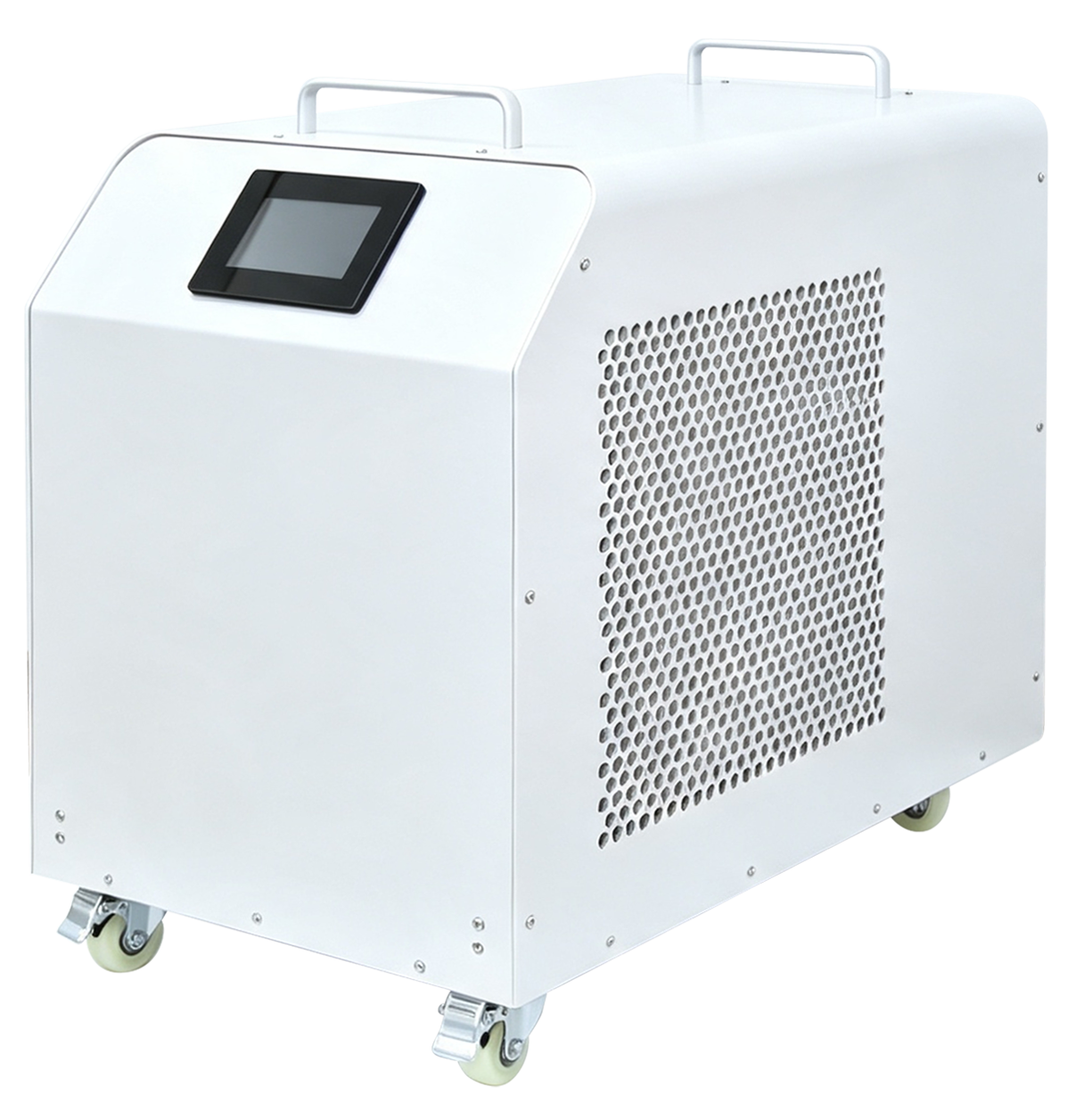
Investing in a cold plunge chiller for your facility requires more than just evaluating the upfront purchase price. Understanding the full scope of ownership cost over time is essential for making a sound business decision. Many facility managers underestimate the true financial commitment involved, focusing only on initial capital expenditure while overlooking operational expenses, maintenance requirements, and energy consumption that accumulate over months and years. This comprehensive guide walks you through calculating the realistic long-term ownership cost of cold plunge chiller systems and helps you budget accurately for sustained operation.
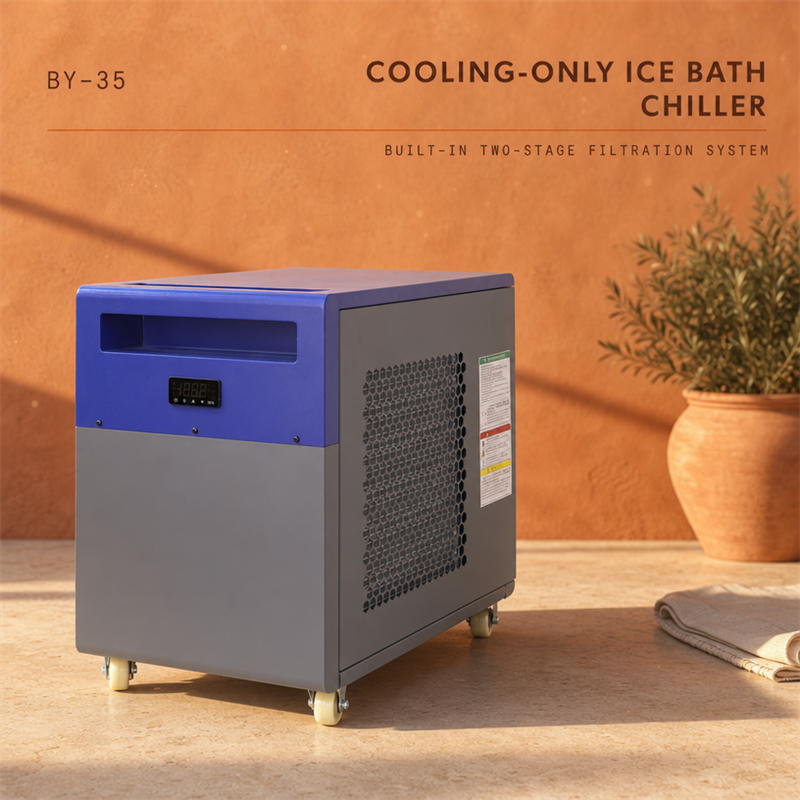
Chiller ownership costs extend beyond the purchase price. Major expenses include electricity, maintenance, refrigerant, repairs, water treatment, and component replacement. Comparing these costs over five to ten years helps facilities evaluate models and identify better long-term value, even when initial prices differ.
Capital Expenditure and Equipment Selection
Initial Purchase Price and Installation
A cold plunge chiller's initial cost depends on cooling capacity, refrigerant, materials, and brand. Entry-level units cost several thousand dollars, while commercial models may exceed ten thousand. Include electrical work, plumbing, drainage, and site preparation in the budget. Correct sizing helps avoid unnecessary expenses and premature component wear.
Financing and Depreciation
Whether you purchase the equipment outright or finance it through a payment plan affects your total budget allocation. Interest-bearing loans increase the true ownership cost compared to outright purchases, making capital planning a critical step. Equipment depreciation over five to ten years also impacts financial planning, especially if you eventually resell the chiller or need to replace it. Understanding your facility's depreciation timeline and residual value helps justify the initial investment to stakeholders and influences decisions about upgrading versus repairing aging equipment. Businesses often structure equipment budgets around three to five-year replacement cycles, so accurate cost estimation allows realistic reserve account planning.
Energy Consumption and Operational Expenses
Monthly Electricity and Usage Patterns
Electricity is the largest recurring expense. A mid-sized chiller may consume two to five kilowatts during daily operation. Monthly bills often range from $150 to $400, or $2,000 to $5,000 annually. Actual costs depend on usage, climate, utility rates, and cooling capacity. Compare energy ratings when selecting a model to estimate long-term ownership expenses.
Seasonal Variations and Climate Impact
The external environment significantly influences chiller energy consumption and operational budget requirements. Facilities in warm climates or those operating during summer months experience higher electricity demands because the chiller must work harder to maintain target water temperatures against ambient heat. Conversely, facilities in cooler regions benefit from naturally lower operating expenses during winter, which can offset summer peak costs. Understanding your local climate patterns and how they affect your cold plunge chiller's performance allows more accurate annual budget forecasting. Some facilities implement seasonal shutdown schedules or reduced operating hours during off-peak seasons to optimize ownership cost and energy consumption profiles. Quarterly energy audits help identify operational trends and alert management to equipment efficiency changes that might signal maintenance needs.
Maintenance, Repairs, and Component Replacement
Preventive Maintenance Requirements
Regular preventive maintenance is essential for protecting your investment and controlling long-term ownership cost. Cold plunge chiller systems require monthly filter cleaning or replacement, quarterly coolant level checks, annual refrigerant inspections, and periodic compressor servicing to maintain optimal performance. Budget allocation for maintenance typically ranges from three hundred to eight hundred dollars annually for routine care, depending on equipment age and usage intensity. Neglecting preventive maintenance dramatically increases the risk of unexpected breakdowns, emergency repair costs, and extended downtime that disrupts facility operations and member satisfaction. Establishing a documented maintenance schedule and working with qualified technicians ensures your chiller operates reliably and preserves warranty coverage, which directly protects your long-term ownership cost and asset value.
Repairs, Replacements, and Unexpected Failures
Beyond scheduled maintenance, unplanned repairs represent a significant variable in ownership cost estimation. Compressor failures, refrigerant leaks, water pump malfunctions, and electrical component issues can each demand repair bills ranging from five hundred to three thousand dollars depending on severity and parts availability. Setting aside an annual maintenance reserve of five to ten percent of the equipment's purchase price provides a financial buffer for these unexpected expenses and prevents operational disruptions. Component replacement, such as water pumps or thermostats, typically costs between two hundred and one thousand dollars per part plus labor. Over a five-year ownership horizon, most facilities encounter at least one significant repair that consumes a meaningful portion of their maintenance budget. Understanding that repair costs escalate with equipment age helps justify strategic replacement timing and prevents throwing good money after bad into aging, increasingly expensive-to-maintain units.
Water Treatment, Chemicals, and Environmental Compliance
Coolant and Refrigerant Costs
Cold plunge chiller systems require specific coolant types and refrigerant charges to operate safely and effectively. Annual refrigerant top-ups or occasional system recharges after repairs typically cost one hundred to three hundred dollars per service, depending on the refrigerant type and system size. Environmental regulations increasingly favor high-efficiency, environmentally safe refrigerants, which may cost more than older alternatives but provide regulatory compliance and lower long-term liability risk. Coolant maintenance products and additives that protect system components add another fifty to one hundred fifty dollars annually to the ownership cost budget. Tracking refrigerant inventory and scheduling proactive recharge services before performance degradation occurs prevents emergency situations and associated premium labor charges. Some facilities outsource coolant management to specialized service providers, shifting this ownership cost component to a predictable subscription-based expense.
Water Treatment and System Cleanliness
Maintaining water quality within the cold plunge chiller circuit prevents microbial growth, mineral scale buildup, and corrosion that damage internal components and increase ownership cost. Monthly water treatment chemicals, filtration cartridge replacements, and periodic system flushing typically cost seventy-five to two hundred dollars monthly, adding nine hundred to twenty-four hundred dollars annually to operational expenses. Poor water treatment dramatically accelerates component degradation, leading to costly repairs and premature equipment replacement. Facilities that prioritize water quality management consistently report lower overall ownership cost and longer equipment service life. Consulting with water treatment specialists and implementing appropriate chemical programs specific to your local water hardness profile ensures optimal system performance and protects your long-term investment in the cold plunge chiller equipment.
FAQ
What is the typical five-year ownership cost for a cold plunge chiller system?
A typical mid-sized cold plunge chiller system with a purchase price between five and eight thousand dollars incurs total five-year ownership costs ranging from fifteen to twenty-five thousand dollars when accounting for energy consumption, maintenance, repairs, and water treatment. Energy expenses alone contribute six to twelve thousand dollars over five years, while maintenance and repairs add another four to eight thousand dollars depending on equipment reliability and usage intensity. The specific ownership cost varies based on your facility's usage patterns, regional electricity rates, climate conditions, and preventive maintenance discipline. Facilities that invest proactively in maintenance typically experience lower total ownership cost and reduced equipment replacement frequency compared to those that defer maintenance until failures occur.
How can facility managers reduce the total ownership cost of their chiller equipment?
Several strategies effectively reduce total ownership cost and improve return on investment for cold plunge chiller systems. Selecting energy-efficient models with high seasonal performance ratings decreases monthly electricity expenses significantly over the equipment's lifespan. Implementing rigorous preventive maintenance schedules and water treatment protocols prevents costly component failures and extends equipment service life, directly lowering maintenance and budget requirements. Optimizing usage patterns, such as scheduling chiller operation during peak facility hours rather than continuous operation, reduces energy consumption without compromising member experience. Working with qualified service technicians who understand your specific chiller model ensures repairs are completed efficiently and warranty protections are preserved. Monitoring performance metrics monthly and conducting energy audits quarterly helps identify efficiency trends and address issues before they escalate into expensive problems affecting your ownership cost.
Should facility owners budget for equipment replacement costs within their ownership cost planning?
Yes, establishing a strategic equipment replacement reserve is essential for comprehensive ownership cost planning. Most cold plunge chiller systems have a realistic operational lifespan of seven to ten years before major repairs become economically unjustified compared to purchasing new equipment. Creating an annual equipment replacement reserve equal to ten to fifteen percent of the equipment's original purchase price ensures your facility has accumulated sufficient funds for replacement without disrupting operations or emergency capital expenditures. This disciplined approach to ownership cost management prevents situations where aging equipment failures force immediate expensive purchases at unfavorable market conditions. Facilities that plan strategically often upgrade to newer, more efficient models during scheduled replacement windows, which reduces long-term energy expenses and maintenance requirements compared to operating aging equipment beyond its optimal service life. Understanding your facility's equipment replacement timeline helps stabilize annual budgets and supports confident capital planning conversations with stakeholders and financial decision-makers.
 EN