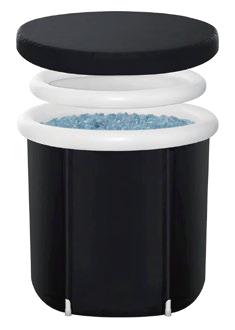
Developing an ice bath tub line for commercial customers requires a strategic approach that balances technical excellence with market demand. The commercial wellness industry has seen explosive growth, with spas, resorts, athletic facilities, and recovery centers seeking reliable cold therapy solutions. An ice bath tub designed for commercial applications must meet rigorous durability standards, consistent performance expectations, and the operational demands of high-volume usage environments.
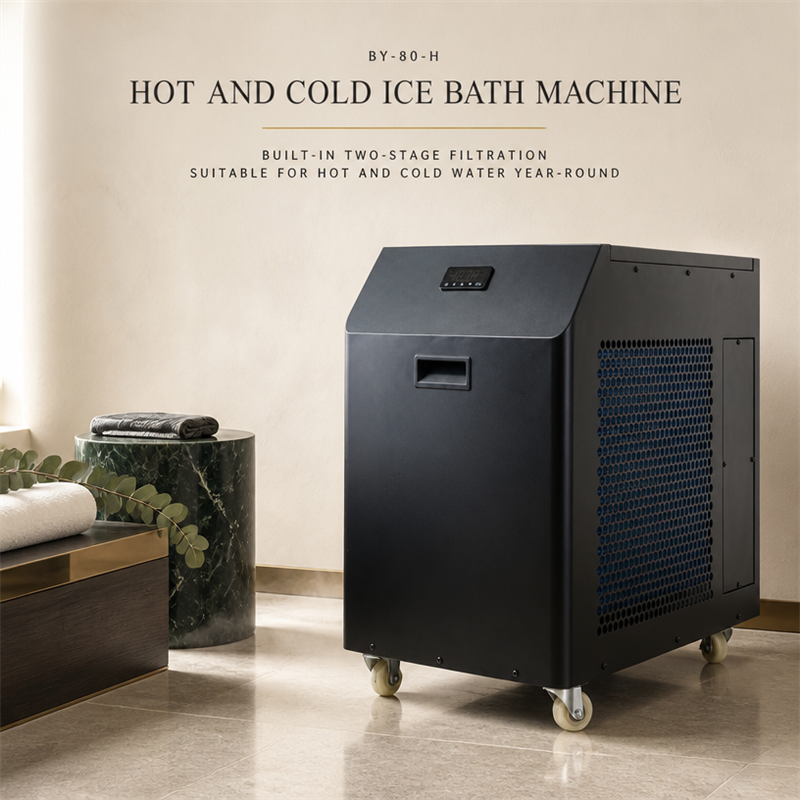
Creating a successful product line in this space means understanding what commercial customers truly need. Unlike consumer models, commercial-grade ice bath tubs must offer scalability, energy efficiency, and minimal maintenance overhead. Building a B2B product line requires deep insights into installation logistics, customer support infrastructure, and competitive positioning that resonates with facility managers and wellness directors.
Understanding Commercial Customer Requirements
Commercial customers evaluating an ice bath tub solution prioritize uptime and performance consistency above all else. A facility operating multiple recovery stations cannot tolerate frequent breakdowns or temperature fluctuations that compromise the user experience. The commercial customer base includes sports facilities, luxury resorts, medical recovery centers, and wellness spas, each with distinct operational patterns and budget constraints.
Operational Demands and Facility Integration
Commercial customers expect seamless product line integration into existing facility infrastructure. Your ice bath tub design must accommodate standard plumbing connections, electrical specifications matching facility standards, and ergonomic dimensions that fit professional treatment rooms. Space efficiency becomes critical when a commercial customer operates multiple units or retrofits existing facilities with new equipment.
Reliability directly impacts a commercial customer's return on investment. Extended downtime translates to lost revenue and disappointed clients. Building redundancy into your product line, offering rapid diagnostics, and providing rapid replacement parts create competitive advantages that commercial customers will value. Support infrastructure becomes as important as the physical ice bath tub specifications themselves.
Regulatory Compliance and Safety Standards
Commercial facilities operate under stricter regulatory oversight than consumer environments. Your ice bath tub product line must meet health department standards, electrical safety certifications, and sanitation requirements specific to each market region. Documentation, compliance reporting, and certification management become ongoing B2B service offerings that support commercial customer operations.
Safety features gain heightened importance in commercial settings where untrained users may interact with equipment. Emergency shutdown systems, temperature cutoff safeguards, and user-friendly controls protect both end clients and facility operators. Commercial customers require comprehensive training programs and safety documentation to meet their duty-of-care obligations.
Building a Scalable Product Line Architecture
A successful ice bath tub product line requires modular design thinking that accommodates different commercial customer scenarios. Rather than designing a single model, develop tiered offerings that address small facilities, mid-size operations, and large multi-station installations. This scaling strategy allows commercial customers at different growth stages to adopt your solutions without overinvestment.
Modular Design and Feature Differentiation
Your product line gains competitive strength through thoughtful feature differentiation across tiers. Entry-level ice bath tub models might emphasize simplicity and cost efficiency for smaller spas and studios. Mid-tier offerings add advanced temperature management, larger capacity, and networked monitoring capabilities. Premium commercial models integrate with facility management systems, enable multi-unit coordination, and offer white-label customization for resort brands.
Standardizing components across your product line reduces manufacturing complexity and improves supply chain efficiency. Shared compressors, refrigeration modules, and control systems lower production costs while allowing commercial customers to benefit from economies of scale. This B2B approach strengthens margins while delivering value to commercial customers through competitive pricing.
Manufacturing and Quality Control Integration
Commercial customers demand consistent quality across every unit shipped. Establishing rigorous manufacturing protocols, quality testing checkpoints, and third-party certification ensures your ice bath tub meets specifications reliably. A commercial customer placing orders for multiple facilities expects identical performance across all units.
Building manufacturing flexibility into your product line strategy allows adaptation to regional preferences and evolving commercial customer feedback. Direct manufacturer partnerships, supply chain diversification, and predictive maintenance capabilities strengthen your B2B offerings. Quality control becomes a visible competitive differentiator in a market where facility downtime carries real financial consequences.
Developing B2B Go-to-Market Strategy
Successfully launching your ice bath tub product line into the commercial market requires coordinated B2B marketing and sales infrastructure. Commercial customers do not impulse-purchase wellness equipment; they conduct thorough evaluation processes involving multiple stakeholders and budget cycles. Your product line strategy must address these decision-making realities through targeted content, case studies, and performance demonstrations.
Channel Development and Partner Ecosystem
Direct sales to commercial customers works well for large accounts, but a robust product line reaches wider market penetration through channels. Wellness equipment distributors, spa consultants, and facility design firms become critical B2B partners who recommend your ice bath tub to commercial customers. Develop partner programs that provide margin incentives, technical training, and marketing support that encourages channel partners to actively promote your solutions.
Vertical integration with complementary products strengthens your commercial customer value proposition. An ice bath tub integrated with infrared saunas, massage equipment, or recovery monitoring systems creates comprehensive wellness solutions that commercial customers prefer to sourcing separately. Building modular integration capabilities into your product line architecture enables future expansion without fundamental redesign.
Customer Support and Service Infrastructure
Commercial customers expect professional after-sale support that commercial vendors provide. Establishing regional service centers, technical support hotlines, and preventive maintenance programs differentiates your ice bath tub offering from competitors. A commercial customer choosing your product line wants confidence that support remains accessible when issues arise.
Training programs for facility staff enhance customer satisfaction and reduce operational errors that might compromise equipment longevity. Creating tiered support packages where commercial customers select service levels matching their operational needs builds recurring revenue while addressing specific commercial customer concerns. Documentation, video tutorials, and diagnostic tools empower commercial customers to troubleshoot minor issues independently.
FAQ
What water quality standards must an ice bath tub meet for commercial use?
Commercial ice bath tub systems must meet drinking water standards or equivalent sanitation requirements depending on facility jurisdiction. Filtration systems must remove particulates, pathogens, and chemical contaminants while maintaining proper pH and chlorine levels. Many commercial customers prefer integrated filtration that operates automatically, eliminating manual water management and ensuring consistent hygiene for end users visiting the facility.
How can a commercial ice bath tub product line address installation complexity across different facilities?
Modular design with standardized electrical and plumbing interfaces simplifies installation for commercial customers with diverse infrastructure. Developing installation templates, providing comprehensive setup documentation, and offering professional installation services through qualified partners reduces commercial customer friction. Remote monitoring capabilities allow technicians to diagnose issues and provide support without on-site visits, improving responsiveness for commercial accounts.
What pricing strategy works best for B2B ice bath tub sales to commercial customers?
Value-based pricing reflecting total cost of ownership rather than simple unit cost appeals to commercial customers who evaluate long-term operational expenses. Offering volume discounts for commercial customers purchasing multiple units, tiered pricing based on feature complexity, and flexible payment terms accommodates diverse commercial customer budget structures. Transparent pricing that breaks down equipment, installation, training, and support costs builds trust with commercial decision-makers evaluating your ice bath tub investment.
 EN