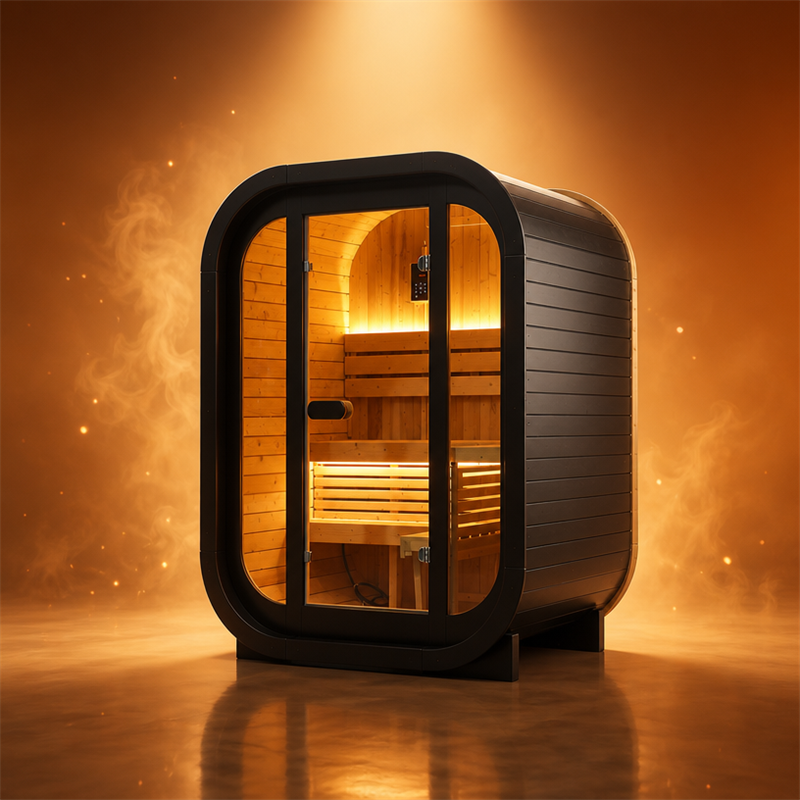
Creating exceptional sauna rooms requires a strategic approach centered entirely on the guest experience. Every element—from temperature control to seating comfort—shapes how visitors perceive and enjoy their time. When you prioritize guest experience in your design process, you transform a simple room into a destination that guests actively anticipate and recommend to others.
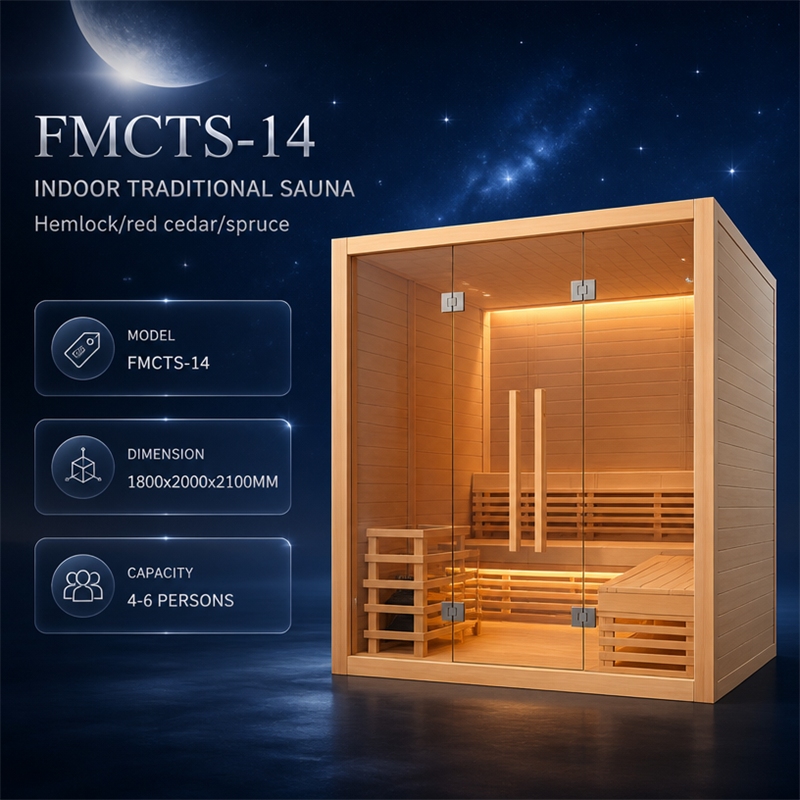
The foundation of guest-centered design lies in understanding what visitors seek during their wellness journey. Guests come to sauna facilities looking for relaxation, health benefits, and an escape from daily pressures. This core motivation should inform every design choice, from the layout and lighting to material selection and ambient elements. By aligning your design philosophy with genuine guest needs, you create spaces that deliver measurable satisfaction and encourage repeat visits.
Understanding Guest Needs and Wellness Expectations
Comfort as the Primary Design Driver
Guest experience starts with physical comfort. Sauna rooms must maintain consistent temperature distribution, ensuring no cold spots or excessive heat zones that create discomfort. Adequate bench space allows guests to recline fully, while ergonomic seating angles reduce muscle strain. Ventilation systems that operate quietly preserve the peaceful atmosphere guests expect, and humidity controls that respond smoothly prevent the overwhelming sensation of excessive steam that drives visitors away prematurely.
Wellness Benefits Through Thoughtful Design
Modern guests increasingly understand the wellness value of sauna use—improved circulation, stress relief, and detoxification. Your design should amplify these benefits visibly and tangibly. High-quality wood materials like cedar emit natural aromatics that enhance the experience, while proper insulation ensures temperature stability that maximizes physiological effects. When guests notice these design choices contributing to their wellness outcomes, their satisfaction deepens and their loyalty strengthens. The guest experience improves dramatically when visitors feel the health benefits they came seeking.
Structural and Environmental Design Elements
Optimal Layout and Space Planning
The physical arrangement of sauna rooms directly impacts guest comfort and satisfaction. Multiple bench levels allow different temperature preferences—guests seeking intense heat sit higher while those preferring gentler warmth use lower benches. Adequate footrest areas prevent guests from positioning themselves awkwardly, which reduces satisfaction and encourages shorter visits. Entry vestibules that create temperature gradients protect guests from thermal shock, making transitions smooth and preventing the disorienting sensation that diminishes their overall experience. Thoughtful spacing prevents guests from feeling crowded, which is critical to maintaining the peaceful atmosphere that defines exceptional wellness facilities.
Material Selection for Durability and Aesthetics
Materials chosen for sauna rooms communicate quality directly to guests. Premium cedar and hemlock woods resist decay and maintain their natural beauty for years, reinforcing the perception of a well-maintained, professional facility. Non-slip flooring materials prevent accidents that would permanently damage guest confidence. Transparent glass doors and windows create an inviting visual presentation while allowing natural light that guests find psychologically beneficial. Stones selected for heat retention and safety characteristics demonstrate your commitment to a superior guest experience. Every material choice either builds or undermines guest trust in your facility's quality.
Sensory Experience and Atmospheric Design
Lighting, Aromatics, and Sound Control
The guest experience extends well beyond temperature and humidity. Soft, warm lighting creates a meditative atmosphere while avoiding harsh brightness that triggers stress responses. Natural wood elements and earth-tone finishes promote psychological relaxation that guests recognize as intentional design rather than accident. Sound insulation that eliminates outside noise and muffles adjacent activity creates the tranquil environment that visitors specifically seek during their wellness time. Some facilities incorporate subtle aromatherapy elements or essential oil diffusion that enhance the sensory journey without overwhelming sensitive guests.
Personalization and Guest Preferences
Advanced sauna rooms now include design features that allow guests to customize their experience. Adjustable lighting options, personalized temperature controls, and timer displays empower visitors to optimize conditions for their specific needs and preferences. When guests can shape their environment rather than accepting fixed conditions, their satisfaction and sense of control increase significantly. Some designs incorporate music systems or silence settings that guests can select, recognizing that wellness needs vary widely. This flexibility transforms standard sauna rooms into personalized wellness spaces that adapt to diverse guest populations and preferences.
Practical Implementation and Operational Considerations
Maintenance Accessibility and Guest Perception
Design choices must balance aesthetic appeal with operational reality. Guest experience suffers dramatically when sauna rooms show signs of neglect, so your design should facilitate regular cleaning and maintenance without visible disruption. Materials that resist mildew and staining maintain their pristine appearance longer, supporting consistent guest perception of quality. Accessible heating elements and ventilation systems enable efficient maintenance that prevents the operational failures that would compromise guest safety and satisfaction. When guests observe that your facility prioritizes ongoing maintenance, they develop confidence in the facility's professionalism.
Safety Integration Without Compromising Comfort
Regulatory compliance and guest safety form the foundation of any sauna room design. Emergency cooling systems, temperature monitoring devices, and safety railings must integrate seamlessly into the aesthetic rather than appearing as bulky additions. Clear signage about recommended session duration and health guidelines educates guests while protecting facility liability. Proper ventilation prevents carbon dioxide accumulation that would endanger guests while maintaining the enclosed atmosphere they value. When safety features integrate invisibly into overall design, guests feel protected without feeling restricted, which strengthens their positive experience and willingness to return.
FAQ
What temperature and humidity levels create the best guest experience in sauna rooms?
Most guests prefer sauna rooms operating between 160–180°F with humidity levels around 10–20%, though preferences vary widely. The key to exceptional guest experience is providing multiple bench levels where guests can self-select their preferred microclimate. Lower benches offer milder conditions around 140°F, while upper benches reach full heat intensity. This layered approach to design allows guests to control their experience, which significantly improves satisfaction compared to fixed-condition designs.
How does layout design influence the guest experience in sauna rooms?
Effective layout design for sauna rooms considers sightlines, social dynamics, and individual comfort simultaneously. L-shaped or asymmetrical bench arrangements allow guests to face different directions, reducing awkward eye contact while enabling social connection for those who want it. Generous bench depth ensures guests can recline fully rather than sitting upright uncomfortably. Adequate entry vestibules create psychological separation from the outside world. When layout respects these guest preferences, visitors report dramatically higher satisfaction and spend longer enjoying the wellness benefits.
Can design choices actually increase guest loyalty to sauna facilities?
Absolutely. Research in hospitality demonstrates that thoughtful design directly influences guest loyalty and word-of-mouth recommendations. Sauna rooms designed specifically around guest experience create memorable wellness moments that guests associate with the facility permanently. When guests consistently enjoy superior comfort, safety, and aesthetic appeal, they become loyal patrons and enthusiastic recommenders. Over time, this guest experience advantage compounds, creating competitive differentiation that pure amenity addition cannot match.
 EN