Creating a memorable cold plunge experience for your guests requires thoughtful planning across multiple dimensions. Whether you operate a luxury spa, boutique hotel, or wellness facility, the quality of your cold plunge offering directly influences guest satisfaction, repeat visits, and brand reputation. The experience encompasses not just the water temperature or duration, but the entire journey from pre-plunge education through post-immersion recovery support.
The modern guest seeks more than basic amenities; they want transformative wellness experiences backed by science and delivered with professionalism. A well-designed cold plunge program demonstrates your commitment to guest wellness while differentiating your facility in a competitive market. This article explores the key strategies for designing a superior cold plunge experience that aligns with guest expectations, safety protocols, and facility capabilities.
Understanding Guest Experience in Cold Plunge Design
Core Elements of Guest Experience
Guest experience during a cold plunge begins long before water immersion. Your facility design should guide guests through clear orientation areas where staff can explain the benefits, proper breathing techniques, and safety guidelines. Guests appreciate knowing that a cold plunge supports circulation, reduces inflammation, and enhances mental clarity. Educational signage and trained staff create confidence and encourage participation across all guest segments.
The physical environment matters significantly to guest experience outcomes. Temperature-controlled changing rooms, non-slip surfaces, and conveniently located towel stations reduce anxiety and create comfort. Strategic facility design also includes ambient lighting that transitions from bright preparation areas to softer tones near the cold plunge itself, creating a calming atmosphere. These details signal professionalism and consideration for guest wellness throughout their journey.
Pre-Plunge Guest Preparation
Effective guest experience relies on proper preparation protocols. Your facility design should include designated warm zones where guests acclimate mentally before immersion. Offering warm tea, guided breathing exercises, or brief wellness consultations in these spaces significantly improves guest comfort and participation rates. Staff should be trained to assess individual guest fitness levels and adjust recommendations accordingly, ensuring the cold plunge experience feels accessible rather than intimidating.
Facility Design Best Practices for Cold Plunge Installations
Technical Infrastructure and Equipment Selection
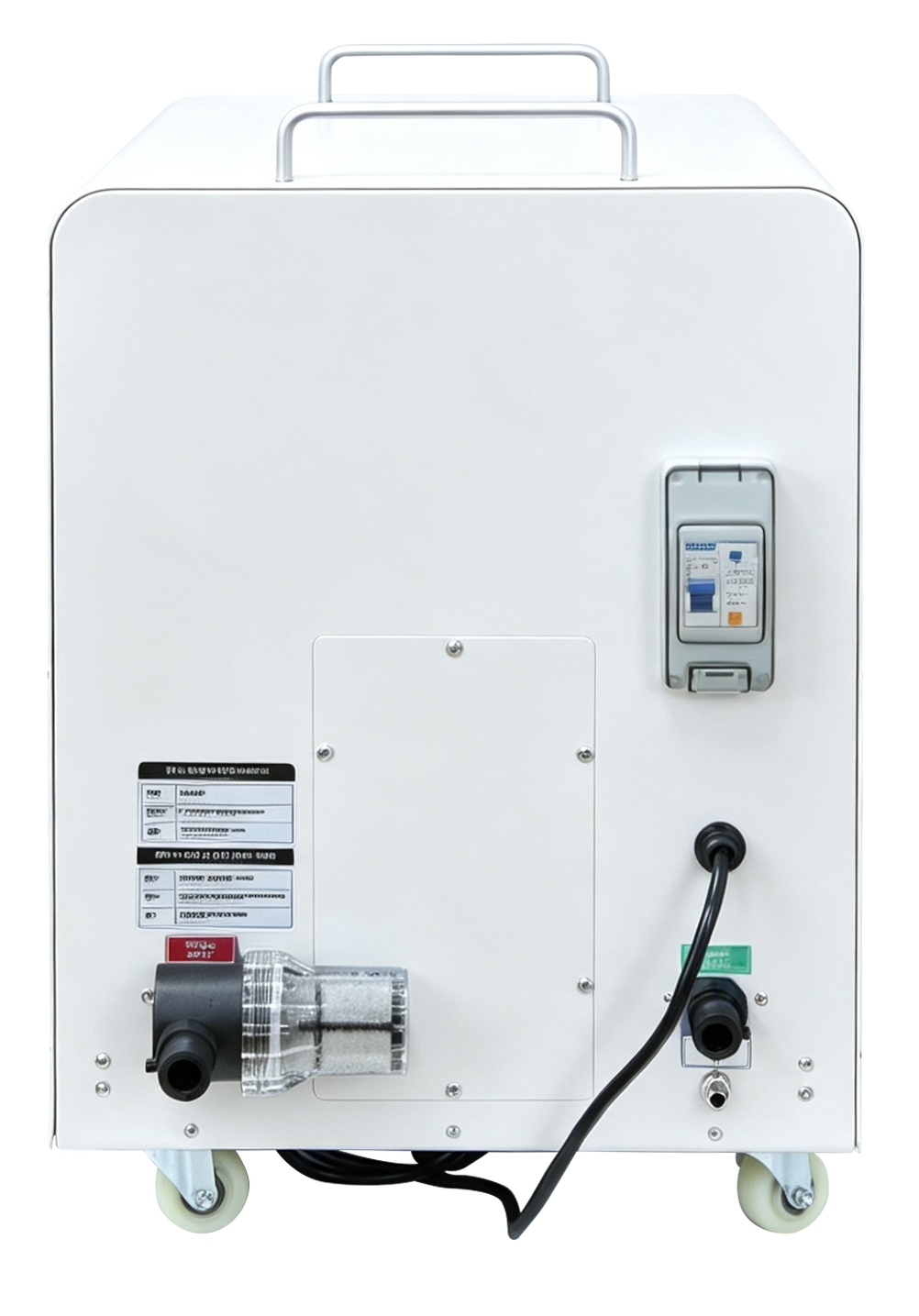
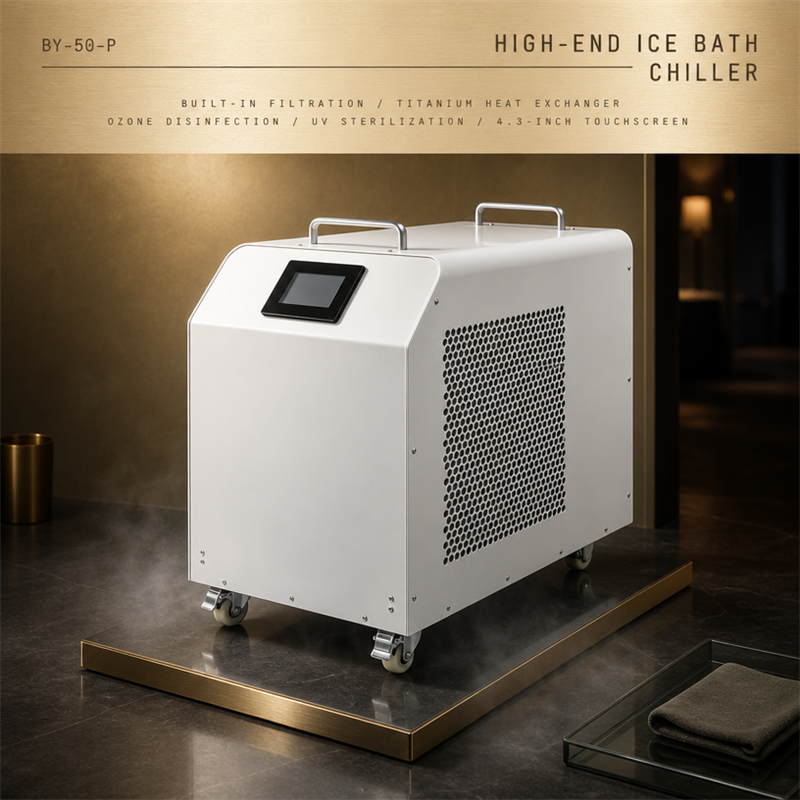
Proper facility design requires selecting commercial-grade cold plunge equipment that maintains consistent temperatures and meets health standards. Your equipment should feature reliable temperature control, UV and ozone sterilization systems, and intuitive user interfaces for staff monitoring. Facility design must account for plumbing infrastructure, electrical requirements, and space allocation that allows safe entry and exit without crowding. Professional installation ensures compliance with local regulations and maximizes equipment longevity.
The cold plunge pool itself demands thoughtful spatial planning within your facility design. Dimensions should accommodate multiple users comfortably without creating dangerous congestion. Depth should range between three to five feet to allow safe standing and controlled immersion. Surrounding decking area must provide adequate space for staff supervision, emergency response access, and guest movement. Quality facility design prevents accidents while enhancing the overall guest experience through confidence and safety visibility.
Integration with Overall Wellness Spaces
Excellent facility design positions the cold plunge as part of a holistic wellness journey. Proximity to warm recovery areas, sauna spaces, and relaxation zones creates natural flow that enhances guest experience. Your facility design should encourage guests to experience contrast therapy by sequencing cold plunge with heat exposure, maximizing wellness benefits. Thoughtful transitions between temperature zones, supported by proper ventilation and humidity control, demonstrate advanced facility design thinking and elevate overall guest experience satisfaction.
Optimizing Guest Experience Through Service Excellence
Staff Training and Guest Interaction
Your facility design means little without trained staff who enhance guest experience through knowledge and attentiveness. Staff should understand cold plunge physiology, safety protocols, and individual health considerations. Training programs ensure staff recognize contraindications like cardiovascular conditions or recent injuries, protecting both guests and facility reputation. Friendly, knowledgeable staff create a welcoming guest experience that transforms cold plunge participation from intimidating to empowering.
Staff presence during cold plunge sessions directly improves guest experience confidence and safety outcomes. Trained attendants can guide breathing, encourage appropriate duration, and monitor for stress signals that suggest early exit is needed. This personalized attention demonstrates genuine care for guest wellness beyond facility design metrics. Regular staff training updates on new wellness research keep your facility competitive and guest experience offerings current and credible.
Customization and Progressive Programming
Guest experience improves dramatically when cold plunge offerings accommodate different fitness levels and preferences. Facility design should support varied temperature options, allowing less acclimated guests to start at higher temperatures before progressing to deeper cold. Your programming might include beginner sessions with extended instruction, intermediate sessions combining cold plunge with other modalities, and advanced wellness protocols for experienced users. This tiered approach ensures every guest feels the cold plunge experience fits their current capabilities.
Progressive cold plunge programs enhance guest experience by creating achievement milestones. Tracking guest progress, celebrating improvements in cold tolerance, and recognizing consistent participation builds community and loyalty. Your facility design should include features like progress tracking systems or wellness journals that document guest achievements. These elements transform cold plunge from a single experience into an ongoing wellness journey that keeps guests returning regularly.
FAQ
What temperature is ideal for a cold plunge guest experience?
Most guests experience optimal wellness benefits in the 50 to 60 degree Fahrenheit range, though progressive programs may start new participants closer to 65 degrees. The ideal temperature balances physiological benefits with psychological comfort, preventing guests from experiencing excessive shock that diminishes the positive guest experience. Your facility design should support temperature flexibility so different guest segments feel appropriately challenged yet safe.
How does facility design impact cold plunge safety for guests?
Proper facility design includes anti-slip surfaces, adequate lighting, handrails, and staff visibility stations that reduce injury risk and improve guest experience confidence. Well-designed facilities feature emergency response protocols, first aid accessibility, and clear signage explaining safe practices. These design elements protect guests while demonstrating professionalism that enhances overall guest experience perception and encourages regular participation.
How often should guests experience a cold plunge weekly?
Most guests benefit from one to three cold plunge sessions weekly, though individual tolerance varies based on fitness level and health status. Your facility design and staff guidance should help guests determine appropriate frequency for their situation. Monitoring guest response and adjusting recommendations based on individual wellness progress creates a personalized guest experience that yields sustainable benefits and high satisfaction rates.
 EN