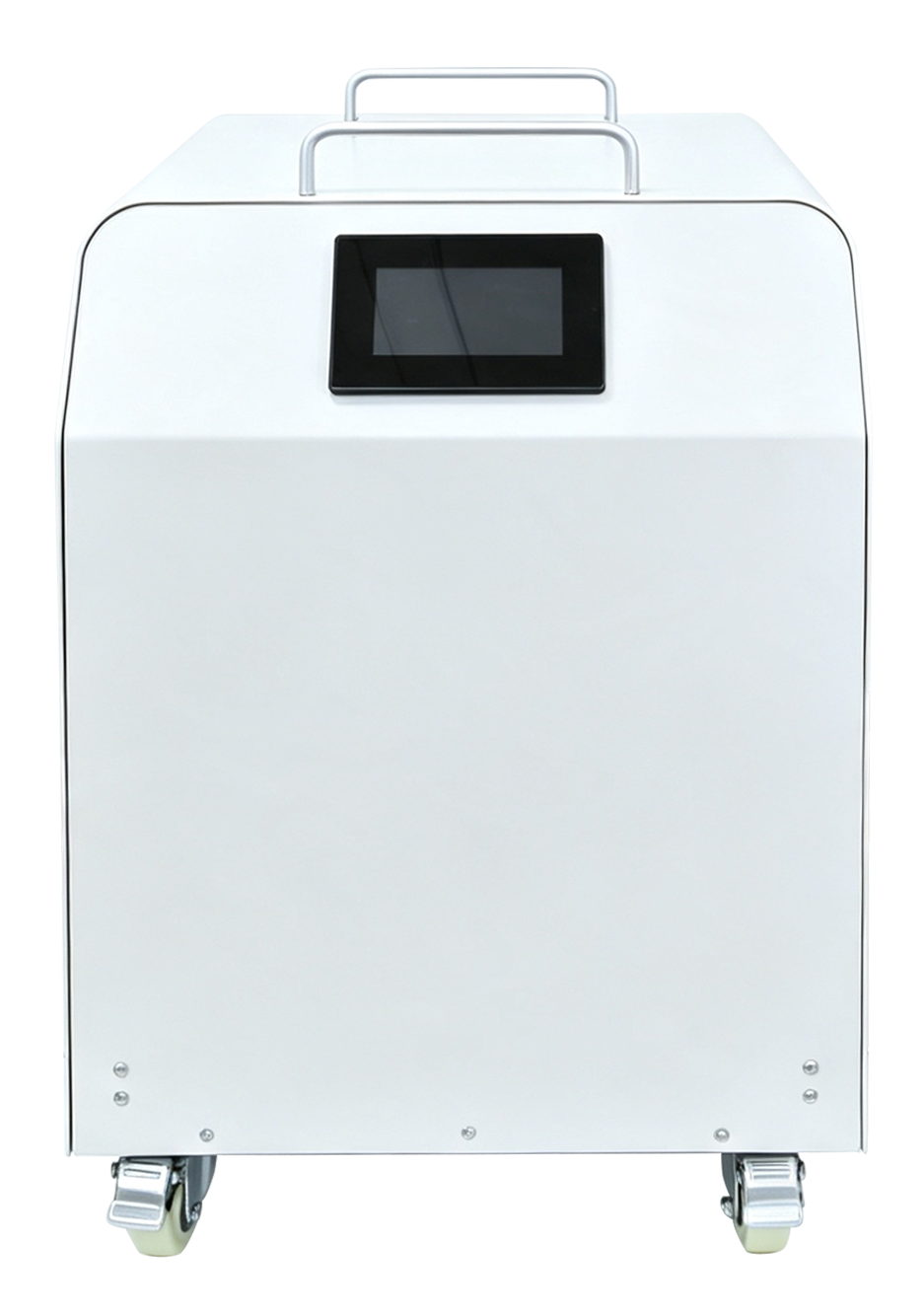
A cold plunge chiller is a significant investment in your wellness infrastructure, whether installed in a commercial recovery facility, athletic training center, or luxury home spa. Like any precision cooling equipment, it requires systematic maintenance to perform reliably, maintain water quality, and extend equipment lifespan. Without a structured maintenance checklist, issues can develop silently—degraded cooling efficiency, microbial growth, corrosion, or mechanical wear—that ultimately compromise both performance and safety. Establishing a comprehensive maintenance checklist ensures your system remains in peak operating condition year-round.

Creating an effective maintenance checklist starts with understanding the core components and systems that support your cold plunge chiller's operation. The routine care schedule must address refrigeration circuits, water circulation pathways, filtration systems, temperature controls, and sterilization features. This guide walks you through building a maintenance checklist that covers daily inspections, weekly tasks, monthly deep-cleaning protocols, and seasonal servicing. By following this structured approach, you'll catch minor issues early, avoid costly emergency repairs, and ensure users always experience optimal water temperature, clarity, and hygiene standards.
Daily and Weekly Operation Inspection
Visual System Checks During Operation
Daily operation checks form the foundation of effective routine care for your cold plunge chiller. Begin each session by inspecting the display panel and control interface for error codes or alert messages. Check that the chiller reaches your target temperature within the expected timeframe—typically 15 to 30 minutes depending on water volume and ambient conditions. Listen for unusual sounds from the compressor or pump that might indicate mechanical strain or vibration issues. Verify that water circulates smoothly without air bubbles or turbulence disruptions, which can reduce cooling efficiency and create uncomfortable user experiences.
Weekly Water Quality and Flow Assessment
Weekly maintenance checklist tasks focus on water condition and circulation consistency. Test water temperature at multiple points in the basin to confirm even temperature distribution across the plunge area. Observe water clarity and color—cloudiness, discoloration, or visible debris suggests the filtration system needs attention or the water requires partial replacement. Check that the pump produces consistent flow rate without pressure fluctuations. Inspect accessible hoses and connections for minor leaks, moisture accumulation around fittings, or corrosion development. These weekly observations inform whether immediate corrective action is needed or if routine care can proceed on schedule.
Monthly Maintenance Tasks and System Servicing
Filter Replacement and Water Chemistry Balance
Monthly maintenance checklist protocols include comprehensive filter assessment and replacement cycles. Most cold plunge chillers use multi-stage filtration systems—pre-filters for debris, activated carbon for chlorine or odor removal, and fine-mesh cartridges for particle capture. Check filter pressure differential gauges or flow-rate indicators; if pressure rises significantly or flow diminishes, replace the filter cartridge regardless of elapsed time. After replacement, run the system for 5 to 10 minutes to prime the new filter before users enter the water. Test water chemistry using appropriate test strips or digital meters: pH should remain between 7.0 and 7.8, and disinfectant levels (chlorine or alternative sanitizers) should stay within manufacturer specifications. Routine care requires adjusting chemical dosing based on water volume, usage frequency, and ambient temperature to maintain consistent sterilization and user comfort.
Cooler Coil and Heat Exchanger Cleaning
Monthly operation maintenance must include inspection and cleaning of internal cooling components. The evaporator coil and refrigerant lines accumulate mineral deposits, algae biofilm, and sediment over time, reducing heat transfer efficiency and system performance. Consult your specific cold plunge chiller manual for safe access procedures—some models allow external inspection through sight glasses, while others require partial disassembly. Use soft brushes, non-corrosive cleaning agents, and distilled water to gently remove deposits without damaging aluminum or copper surfaces. Never use harsh chemicals or high-pressure washers on internal components. After cleaning, restart the system and verify that the chiller reaches target temperature within normal timeframes. If cooling efficiency remains degraded despite cleaning, refrigerant levels may need professional adjustment.
Seasonal Servicing and Long-Term Equipment Protection
Comprehensive System Flush and Sterilization Protocol
Quarterly seasonal maintenance checklist tasks include full-system water drainage, internal line flushing, and deep sterilization cycles. Drain the chiller completely and flush all water pathways with distilled water to remove accumulated minerals, rust particles, and biofilm residue. Refill the system and run a sanitization cycle using your chiller's built-in UV sterilization, ozone generation, or chemical disinfection features—most modern cold plunge chillers offer multiple sterilization options. Allow the system to run unoccupied for the manufacturer's recommended cycle duration, typically 2 to 4 hours, to ensure thorough disinfection of circulation lines, pump chambers, and basin surfaces. This seasonal deep-cleaning prevents pathogenic growth and maintains water clarity and safety standards essential for user health.
Mechanical and Electrical Component Assessment
Seasonal operation reviews should include mechanical and electrical system inspections performed by users or trained technicians. Check the compressor mounting for vibration isolation or loose fasteners that could affect noise levels or performance. Inspect power supply connections and control wiring for corrosion, moisture intrusion, or fraying insulation, particularly in humid environments. Verify that refrigerant pressure gauges and thermometer displays function accurately by comparing readings to actual water temperature and compressor sound patterns. Test emergency shut-off switches and safety alerts to ensure they respond correctly to abnormal conditions. Document all findings in a maintenance log to track recurring issues and plan preventive interventions. Professional servicing every 12 to 24 months—depending on usage frequency and environmental conditions—ensures complex refrigeration systems remain calibrated within manufacturer specifications and warranty compliance remains valid.
FAQ
How often should I replace filters in my cold plunge chiller maintenance checklist?
Filter replacement frequency depends on water quality, usage volume, and filter type. Most routine care schedules include changing pre-filters monthly and fine-mesh cartridges every 2 to 3 months. However, if your cold plunge chiller serves high-traffic facilities or the water supply contains excessive sediment, filters may need replacement more frequently. Monitor pressure gauges on your specific model—when differential pressure reaches the manufacturer's threshold, replacement is necessary regardless of elapsed time. Activated carbon filters typically last 3 to 4 months before losing chlorine removal effectiveness, so consider staggered replacement schedules for different filter stages.
What water chemistry parameters should be included in my maintenance checklist?
Your maintenance checklist for routine care should track pH level (7.0 to 7.8 range), disinfectant concentration (chlorine, bromine, or alternative sanitizer levels), alkalinity, calcium hardness, and temperature stability. Weekly testing using appropriate test strips or digital meters ensures your cold plunge chiller maintains safe water conditions and prevents microbial contamination. Different facilities may have varying requirements based on local health codes and equipment specifications, so consult your chiller's manual for precise parameter ranges. Imbalanced chemistry accelerates corrosion, reduces sterilization effectiveness, and creates user discomfort, making chemical monitoring essential to your operation maintenance routine.
Can I perform all maintenance tasks myself, or do I need professional servicing?
Basic maintenance checklist tasks—visual inspections, filter replacement, water testing, and external cleaning—can be performed by trained facility staff following manufacturer guidelines. However, refrigeration system servicing, compressor maintenance, refrigerant handling, and complex electrical diagnostics require certified HVAC technicians to maintain warranty coverage and ensure safety. Your maintenance checklist should designate routine care tasks for in-house staff and schedule professional operation inspections annually or semi-annually depending on your cold plunge chiller's design and usage patterns. Professional technicians can recalibrate sensors, recharge refrigerant if needed, and identify wear patterns that predict future component failure, preventing costly emergency shutdowns and extending equipment lifespan.
 EN