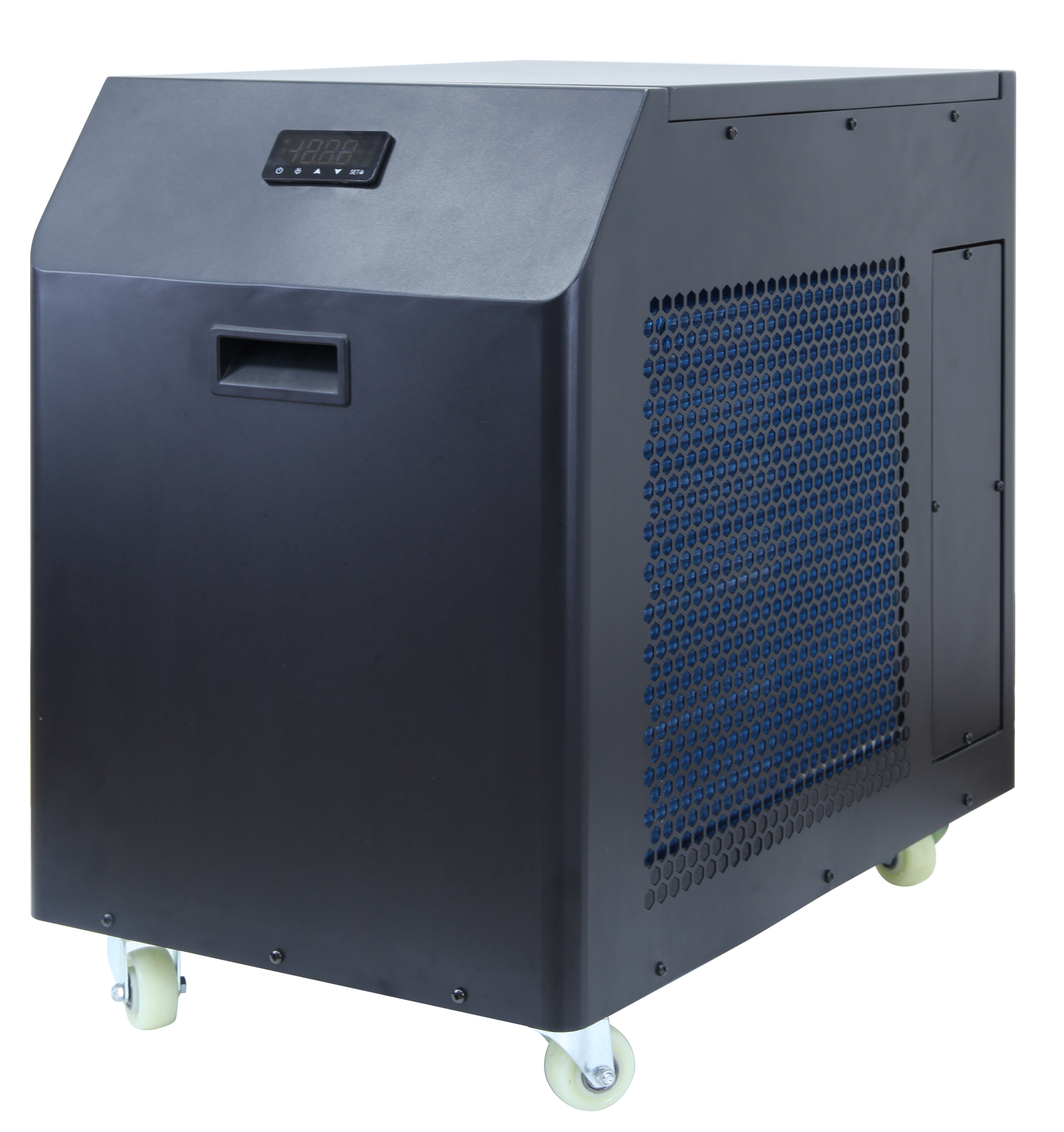
Choosing the right cooling solution for contrast therapy requires understanding how your cold plunge chiller system is configured. Two primary approaches exist: integrated setups that combine all components into one unit, and separate systems where the chiller operates independently from the plunge vessel. Each approach offers distinct advantages depending on your facility layout, budget constraints, and long-term operational goals. This comparison will help you evaluate which system design aligns best with your recovery protocols and spatial requirements.
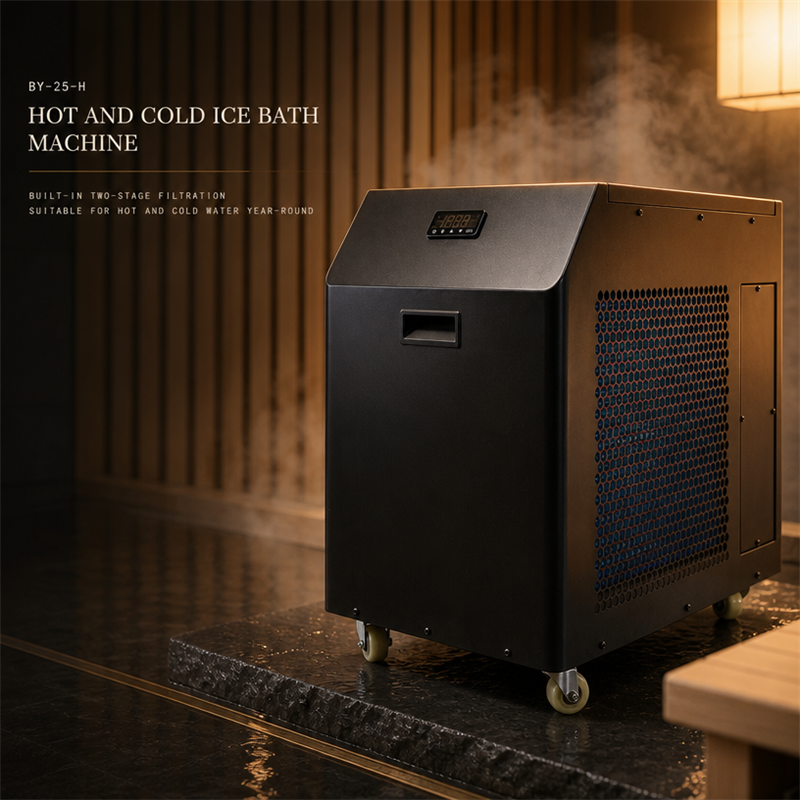
Understanding the differences between these configurations enables you to make an informed decision that optimizes your recovery space. The comparison between integrated and separate cold plunge chiller systems goes beyond mere aesthetics; it encompasses functionality, maintenance accessibility, scalability, and total cost of ownership. Whether you operate a professional recovery center or maintain an at-home wellness setup, grasping these system design distinctions will ensure your chosen solution delivers consistent performance while fitting seamlessly into your existing infrastructure.
Integrated Cold Plunge Chiller Systems
Design and Installation Advantages
Integrated systems package the cold plunge chiller, pump, filtration, and water tank into a single consolidated unit. This system design simplifies installation significantly; you receive one delivered product that requires minimal setup and assembly. Integrated configurations occupy a defined footprint, making space planning straightforward for facilities with limited room. The sealed design reduces contamination risks because all components work within a closed, purpose-built environment. For comparison purposes, integrated cold plunge chiller solutions typically arrive pre-configured, requiring only water fill and electrical connection before operation begins.
Operational Benefits and Maintenance
Integrated systems streamline maintenance routines because all mechanical components exist within one housing. Troubleshooting becomes more straightforward since technicians address the entire system as a unified entity rather than investigating separate components. The integration of cooling, circulation, and filtration means fewer connection points where leaks or operational failures might occur. For users prioritizing convenience, an integrated cold plunge chiller eliminates the complexity of coordinating between multiple manufacturers or managing separate warranties. Regular cleaning and chemical balance adjustments remain centralized, reducing operational complexity and enhancing user experience across different facility types.
Separate Cold Plunge Chiller Systems
Flexibility and Scalability
Separate system designs allow independent selection of your plunge vessel and chiller components, enabling customization based on specific facility needs. This approach supports scalability; facilities can upgrade or replace individual components without replacing the entire system. The comparison between separate configurations reveals significant flexibility in vessel size, material composition, and chiller capacity selection. A separate cold plunge chiller can serve multiple plunge vessels if properly sized, making this system design ideal for expanding recovery programs. Organizations valuing adaptability find that separate systems accommodate future modifications, additional vessels, or upgraded cooling technology without complete reinstallation.
Installation Complexity and Control
Separate systems demand more sophisticated installation planning because you must coordinate water line routing, electrical positioning, and component placement independently. This system design requires qualified technicians to ensure proper plumbing connections, electrical safety compliance, and circulation optimization. However, this complexity grants precise control over your recovery environment; you position the cold plunge chiller in optimal locations for noise management or heat dissipation. Advanced facilities benefit from this integration flexibility, positioning chillers remotely while maintaining ideal user experience in the plunge area. The comparison demonstrates that while separate systems require greater planning sophistication, they reward thoughtful installation with superior operational flexibility and customization possibilities.
System Design Comparison and Selection Criteria
Space Utilization and Aesthetic Considerations
Integrated cold plunge chiller units present a compact profile suitable for facilities where space represents a premium constraint. The unified design integrates all mechanical components visually, creating a professional appearance in wellness centers, recovery studios, or luxury home environments. Separate systems allow strategic placement where aesthetic priorities differ from functional optimization; the cold plunge chiller can operate remotely while your plunge vessel remains the focal point of the recovery space. This system design flexibility supports interior design goals while maintaining operational efficiency. The comparison reveals that aesthetic harmony with existing facility design influences long-term user satisfaction and facility perception.
Cost Implications and Total Ownership Analysis
Initial acquisition costs for integrated cold plunge chiller systems typically reflect convenience premiums; all-in-one configurations command higher upfront prices than separately assembled equivalents. However, the comparison of total ownership costs must include installation labor, component compatibility assurance, and future modification expenses. Separate systems may offer lower entry costs but require professional installation expertise that adds labor expenses. Over extended timeframes, an integrated cold plunge chiller often demonstrates lower total cost of ownership through reduced maintenance complexity, simplified troubleshooting, and consolidated warranty management. The system design you select should reflect not only initial budget but five-year operational and maintenance projections. Facilities prioritizing predictable expenses typically favor integrated solutions, while growth-focused organizations may justify separate system investments for long-term scalability advantages.
FAQ
What size cold plunge chiller do I need for my setup?
Chiller sizing depends on your water volume, desired temperature drop speed, and ambient conditions. For integrated systems, manufacturers provide pre-calculated sizing recommendations. For separate setups, multiply your vessel volume by the required temperature change to determine appropriate cold plunge chiller capacity. Professional technicians can perform detailed load calculations accounting for facility-specific factors like usage frequency and environmental temperature.
Can I upgrade components in a separate system design?
Yes, separate system architecture enables component upgrades without replacing the entire configuration. You can upgrade your cold plunge chiller independently, add circulation improvements, or enhance filtration without affecting other elements. Integrated systems typically require full replacement if major components require upgrading, making separate designs preferable for facilities anticipating technological advances or performance expansions over time.
Which system design requires less maintenance overall?
Integrated cold plunge chiller systems generally demand less maintenance because all components work as a unified system with coordinated operation. Separate configurations require independent maintenance protocols for each component, increasing overall complexity. However, both require regular water quality monitoring, filter changes, and seasonal system checks. Choosing integration prioritizes maintenance simplicity, while separate designs prioritize customization flexibility despite additional maintenance coordination requirements.
 EN