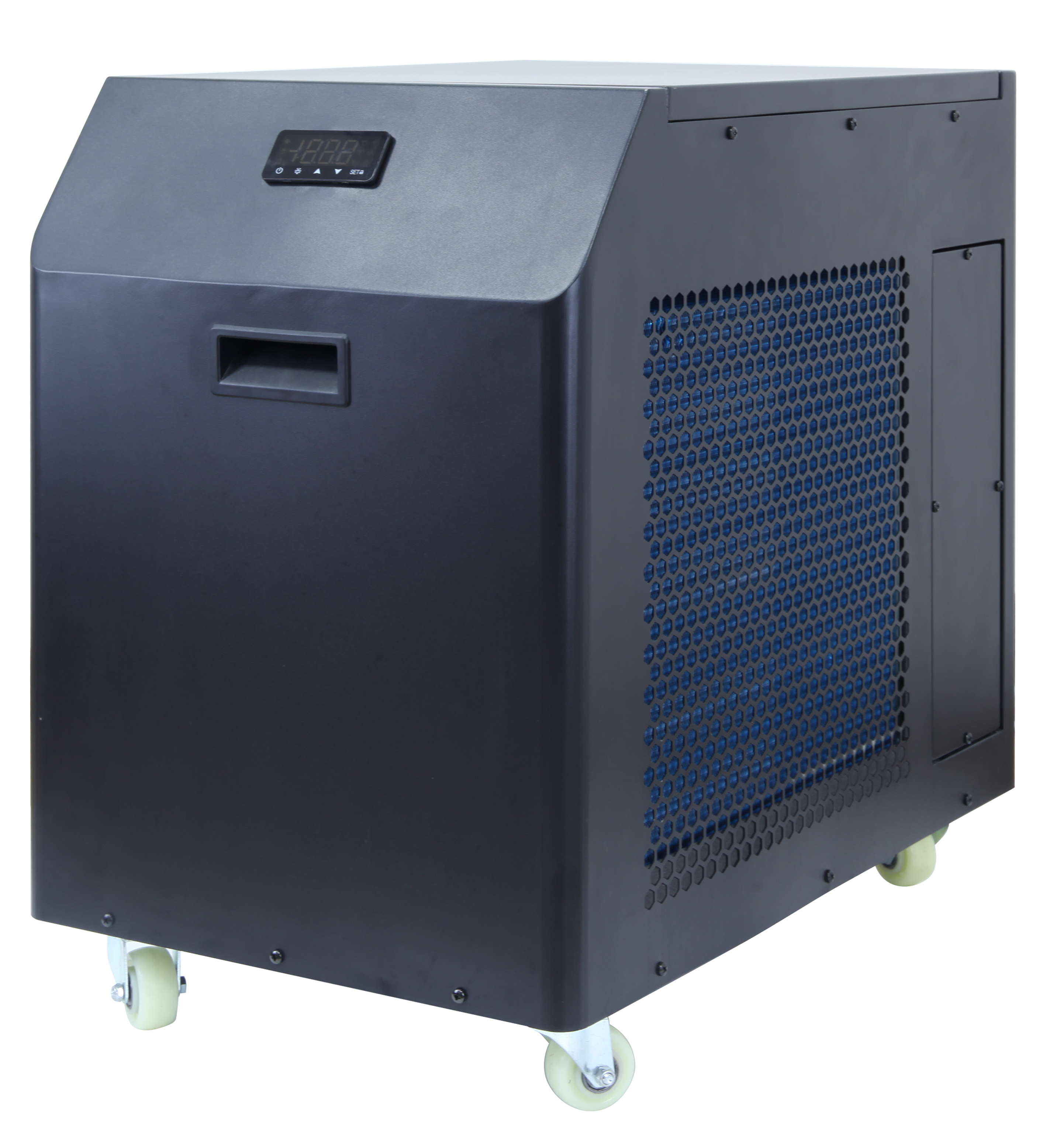
Selecting the right ice bath solution requires understanding how your specific facility needs align with available options. Whether you operate a boutique wellness studio or manage a large fitness complex, the cooling and recovery infrastructure you choose directly impacts operational efficiency, member satisfaction, and long-term profitability. This guide walks you through the critical evaluation process that distinguishes the right solution from generic alternatives.
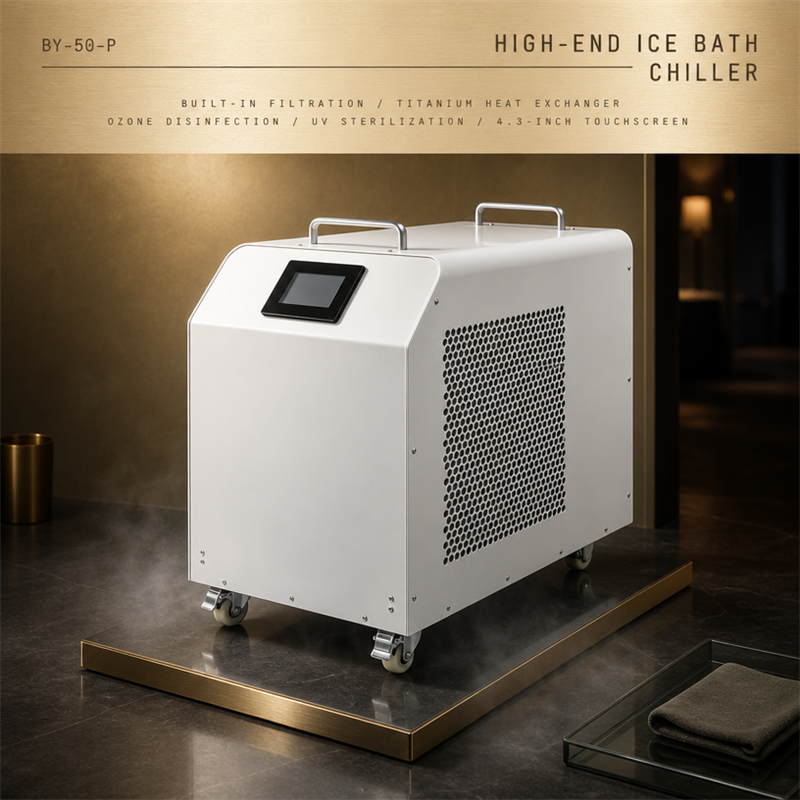
Facilities today face genuine complexity when evaluating ice bath systems. The market includes portable units, installed commercial systems, and hybrid approaches, each with distinct cost structures, space requirements, and operational demands. A comparison framework grounded in facility size, member volume, and commercial use patterns eliminates confusion and ensures your investment aligns with real operational needs rather than aspirational scenarios.
Understanding Facility Size as a Core Comparison Factor
Boutique Facility Requirements and Constraints
Boutique facilities typically serve 50 to 300 active members in compact locations with limited mechanical infrastructure. Space constraints often mean that dedicated ice bath zones occupy 100 to 300 square feet, while electrical service may be limited to standard commercial circuits. Your comparison of available solutions must prioritize compact footprints, energy efficiency, and aesthetic integration with existing wellness environments. Boutique operators cannot absorb the operational overhead of complex multi-tank systems or heavy maintenance protocols.
For boutique settings, the ice bath solution must deliver reliable performance during peak usage windows, typically 6 to 8 hours daily, without requiring constant technical intervention. Member experience expectations in boutique facilities emphasize personalized service and premium perception, meaning the equipment itself becomes part of the brand narrative. Your comparison should weigh quiet operation, visual appeal, and ease of use alongside temperature stability and durability metrics.
Large Facility Operational Demands
Large facilities including hotel spa departments, multi-purpose athletic centers, and premium resort complexes serve 500 to 2,000 daily visitors across extended operating hours, often 12 to 16 hours per day. These environments demand multiple ice bath stations, redundant cooling capacity, and sophisticated monitoring systems. Your comparison framework must account for facility size implications including centralized chiller infrastructure, distributed circulation systems, backup power considerations, and professional-grade maintenance protocols.
Large facilities typically have dedicated mechanical rooms, three-phase electrical service, and trained facilities teams capable of managing complex systems. The ice bath solution comparison for large environments emphasizes throughput capacity, energy optimization across multiple stations, integrated monitoring dashboards, and vendor support responsiveness. Commercial use in these settings often includes corporate partnerships, membership packages tied to ice bath access, and revenue-generating premium experiences.
Key Comparison Factors for Commercial Use Assessment
Temperature Control and Performance Standards
Effective commercial use of ice bath facilities requires precise temperature management typically targeting 41 to 59 degrees Fahrenheit depending on therapeutic protocol and user preference. Your comparison must evaluate how consistently each solution maintains target temperatures under real usage conditions, including rapid immersion cycles, high ambient loads, and extended operating periods. This directly impacts member satisfaction, liability protection, and competitive positioning relative to other recovery venues.
Commercial-grade ice bath systems must recover from warm water introduction within 8 to 15 minutes to support sequential usage patterns during peak times. Temperature stability also protects equipment integrity and extends component life. When comparing solutions, verify actual recovery specifications under load rather than idle conditions, as this reveals whether the system matches your facility size and member traffic patterns.
Water Treatment and Sanitation Integration
Commercial use environments demand integrated water treatment preventing bacterial growth, chemical contamination, and operational downtime. Your comparison framework should evaluate whether the ice bath solution includes UV sterilization, ozone treatment, or advanced filtration as standard features versus optional add-ons. Facilities using shared immersion tanks across dozens of daily users face genuine health and liability exposure without robust water management, making this comparison element non-negotiable for commercial applications.
Large facilities often require automated sanitization cycles running during non-operating hours, while boutique locations may prefer simpler treatment systems requiring less technical oversight. The cost of treatment chemicals, frequency of full water changes, and equipment maintenance requirements vary significantly and directly impact operational budgets. Your comparison should quantify annual water treatment costs as part of total cost of ownership analysis.
Energy Consumption and Operating Efficiency
Commercial ice bath systems represent significant ongoing energy expenses, particularly in facilities operating 12 to 16 hours daily. Your comparison must examine compressor type, insulation specifications, circulation pump efficiency, and control logic to understand realistic annual utility costs. A system optimized for boutique usage patterns may prove prohibitively expensive when deployed in large facility settings, while commercial-grade systems often waste energy in low-demand boutique environments.
Modern ice bath solutions increasingly employ variable-speed compressors, smart thermostat controls, and advanced insulation materials reducing energy demand by 20 to 35 percent compared to older designs. For facility size comparisons, calculate energy costs per member session and per operating hour to understand true commercial viability. This metric directly influences facility profitability and sustainability credentials increasingly important to premium wellness markets.
Practical Comparison Workflow for Your Specific Facility
Defining Your Usage Profile and Capacity Needs
Begin your ice bath solution comparison by documenting current and projected member volume, peak usage windows, and desired immersion capacity. Facilities planning for commercial use should track how many simultaneous users need access during peak periods, typical session duration, and frequency distribution across operating hours. Boutique facilities with five peak morning sessions of six members each face different requirements than resort facilities with continuous demand across 15 operating hours.
Your facility size documentation should include current member base, projected growth over three to five years, and seasonal variation patterns. This data informs comparison decisions around single versus multiple ice bath installations, tank volume selection, and chiller capacity specifications. Underestimating capacity needs forces expensive upgrades or compromised member experience, while oversizing creates wasted energy and maintenance expense.
Evaluating Installation and Infrastructure Compatibility
Commercial ice bath installations must align with existing mechanical infrastructure, electrical service capacity, drainage requirements, and facility layout constraints. Your comparison should include facility walk-through documentation identifying mechanical room availability, electrical panel capacity, water supply characteristics, and flooring load ratings. Boutique locations often require compact, portable solutions minimizing infrastructure demands, while large facilities benefit from integrated centralized systems serving multiple zones.
Installation complexity and timeline directly impact operational disruption and total project cost beyond equipment purchase price. Solutions requiring minimal electrical upgrades and existing drainage connections prove more cost-effective for boutique retrofit scenarios, while new construction in large facilities may justify sophisticated integrated approaches optimizing efficiency. Your comparison framework should include installation labor estimates, infrastructure upgrade costs, and facility downtime during implementation.
Vendor Support and Maintenance Capability Assessment
Commercial ice bath system reliability depends on responsive vendor support, local service availability, and spare parts access. Your comparison should evaluate vendor response time commitments, service coverage geography, technician training depth, and preventive maintenance protocols. Large facilities operating revenue-generating wellness programs cannot tolerate extended equipment downtime, making vendor reliability a critical comparison parameter. Boutique facilities may accept slightly longer service windows in exchange for cost savings with reputable vendors demonstrating strong track records.
Request references from existing facilities similar in facility size and commercial use profile to validate vendor performance claims. Ask specifically about average response times during peak seasons, typical repair resolution timeframes, and spare parts availability. This due diligence transforms comparison discussions from marketing presentations into evidence-based vendor selection, protecting your facility investment.
FAQ
What size ice bath capacity works best for boutique wellness facilities?
Boutique facilities typically require single or dual ice bath stations with 200 to 400-liter capacity, supporting 4 to 8 sequential sessions hourly during peak periods. For commercial use in boutique settings, this capacity balances member access with energy efficiency and space constraints. Verify that equipment specifications support your peak session frequency and recovery time needs rather than oversizing for theoretical maximum usage.
How does facility size influence the total cost comparison of ice bath solutions?
Large facilities benefit from economies of scale with centralized commercial chiller infrastructure serving multiple ice bath stations, reducing per-unit capital and operating costs. Boutique installations typically face higher per-session costs due to equipment sizing inefficiency and installation overhead distribution across lower usage volumes. Your comparison should calculate cost per daily member session across five-year periods to understand true commercial viability and payback timelines for each facility size category.
Can smaller boutique facilities expand to larger commercial ice bath operations over time?
Yes, modular ice bath solutions designed for phased expansion allow boutique facilities to add capacity as member demand grows. However, comparison analysis should verify that initial equipment choices don't create future incompatibilities or inefficiencies when scaling. Selecting scalable commercial-grade infrastructure from the start often proves more cost-effective than replacing undersized systems when facility size expansion occurs.
 EN