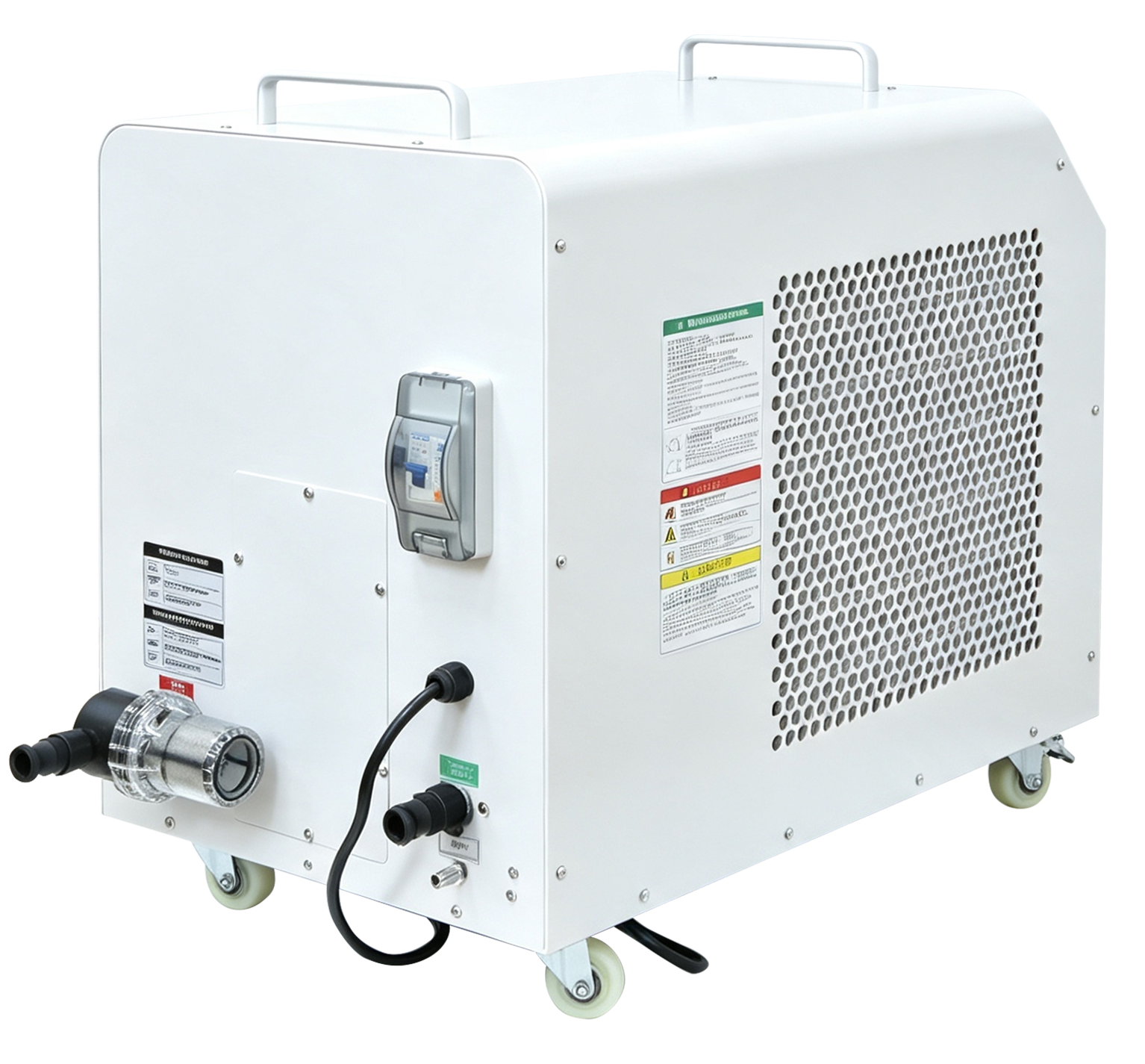
Selecting the right ice bath chiller for your gym requires understanding multiple technical and operational factors that directly impact athlete recovery, facility efficiency, and long-term investment value. Gym owners and fitness managers face increasing pressure to offer premium recovery solutions that attract high-performance athletes and serious fitness enthusiasts. An ice bath chiller serves as the backbone of modern cold therapy programs, but the market offers diverse options with varying capabilities, energy efficiency, and reliability profiles. Understanding how to evaluate and compare these systems ensures you invest in equipment that meets your facility's specific demands without overpaying for unnecessary features or settling for inadequate performance.
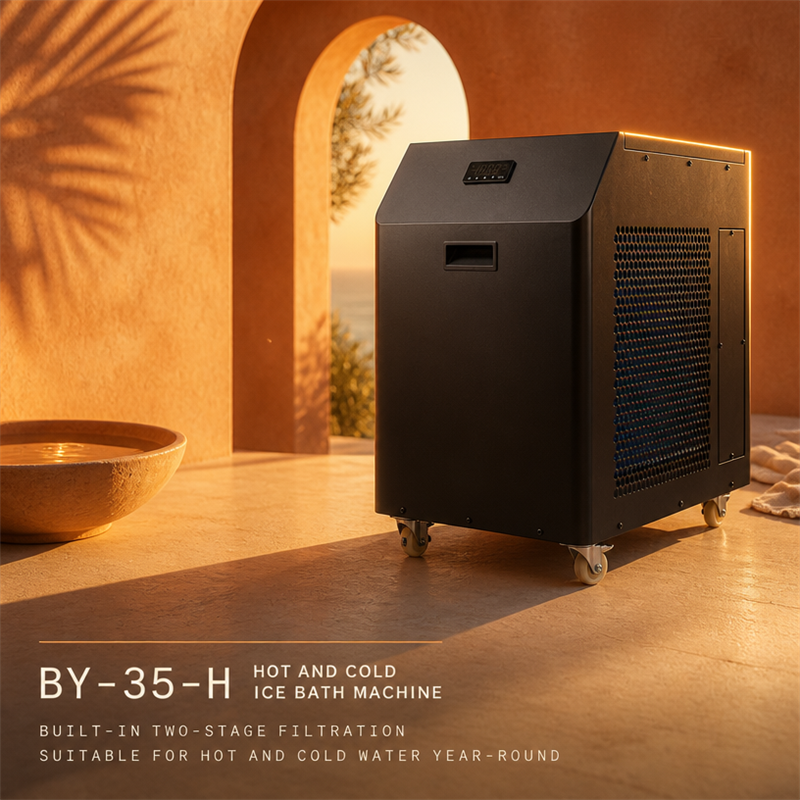
Compare cooling, temperature control, construction, maintenance, and installation needs. Match equipment capacity to facility size and recovery goals to avoid overspending or inadequate performance during peak gym operations.
Cooling Capacity and Temperature Control Specifications
Evaluating BTU Output and Chiller Power
Cooling capacity, measured in British Thermal Units per hour (BTU/h), represents the fundamental performance metric for any gym ice bath chiller. A chiller with insufficient capacity will struggle to reach target temperatures during peak usage or fail to maintain consistency across multiple back-to-back sessions. Conversely, oversized commercial equipment wastes energy and increases operational costs unnecessarily. To determine your gym's actual cooling demand, multiply the volume of your ice bath tank in gallons by the desired temperature drop in degrees Fahrenheit, then factor in ambient room temperature and expected usage frequency. Most commercial gym applications require chillers rated between 8,000 and 35,000 BTU/h, depending on tank size and usage intensity. Compare multiple comparison options within this range to identify the sweet spot for your facility's specific recovery program demands.
Temperature Precision and Stability Features
Professional-grade ice bath chiller systems must maintain water temperature within a narrow tolerance band, typically ±0.5 to ±1 degree Fahrenheit. Temperature fluctuations create inconsistent recovery experiences for athletes and undermine the physiological benefits of cold immersion therapy. Advanced commercial equipment incorporates digital temperature controllers with real-time monitoring displays, allowing gym staff to verify conditions instantly and adjust settings with precision. Some gym-focused comparison models include programmable temperature profiles that automatically adjust cooling intensity based on time of day or scheduled recovery sessions. During your comparison, verify that the chiller offers both rapid cooling capability to reach target temperatures quickly and stable maintenance mode that minimizes energy waste while keeping water perfectly chilled throughout the day.
Commercial Equipment Design and Practical Integration
Tank Size Compatibility and Space Requirements
The physical footprint and plumbing integration of your ice bath chiller directly impact gym floor layout, traffic flow, and member safety. Commercial equipment for gyms should fit within your designated recovery zone without creating bottlenecks or safety hazards. Evaluate whether the chiller connects via standard plumbing connections to your existing water supply or requires specialized installation. Some comparison-worthy models feature modular designs that allow flexible placement, while others demand fixed installation in utility areas. Measure your available space carefully and verify that the chiller's dimensions, including clearance for maintenance access, align with your gym's layout. Additionally, confirm that the chiller operates quietly enough not to disturb adjacent fitness areas, as loud mechanical noise creates a poor member experience and staff frustration during peak hours.
Durability and Material Construction Quality
Gym environments expose equipment to constant humidity, chlorine vapors from pools, splashing water, and vibration from intense activity. High-quality ice bath chiller systems designed for commercial equipment applications feature corrosion-resistant components, reinforced stainless steel housings, and sealed electrical systems that withstand harsh conditions for many years. During comparison, inspect the construction materials and ask manufacturers about their testing protocols for humidity resistance and water ingress prevention. Request information about component warranties, particularly for the compressor and cooling coils, as these represent the most expensive replacement items. Facilities reporting longevity issues typically selected chillers with standard industrial construction rather than purpose-built commercial fitness equipment designed specifically for gym environments. Investing in robust construction pays dividends through reduced downtime and maintenance costs over the chiller's 10-year operational lifespan.
Energy Efficiency and Operational Cost Analysis
Compressor Technology and Power Consumption Metrics
Modern ice bath chiller systems employ various compressor technologies that directly affect electricity consumption and operating expenses. Reciprocating compressors offer affordable upfront costs but higher energy consumption during extended operation. Scroll compressors provide better efficiency profiles and quieter operation, representing a more intelligent choice for commercial equipment in fitness settings. Rotary compressors deliver the highest efficiency ratings and lowest noise levels, justifying their premium price through reduced utility bills over time. During your comparison, request the chiller's Energy Efficiency Ratio (EER) and Coefficient of Performance (COP) specifications, which indicate how many units of cooling energy the system produces per unit of electrical energy consumed. A chiller with 20 percent better efficiency might add $2,000 to your initial investment but save $400 annually in electricity costs, delivering payback in just five years while providing superior reliability.
Seasonal and Partial Load Efficiency Considerations
Gym usage patterns vary throughout the year, with higher member participation during winter months and lighter demand during summer. Your ice bath chiller should maintain reasonable efficiency even when operating at partial capacity rather than full power. Variable-speed compressors and advanced control systems ensure that commercial equipment doesn't waste electricity during slower periods. Compare the chiller's performance ratings across different ambient temperatures and load conditions, as this reveals its real-world efficiency throughout the year. Facilities in warmer climates or those experiencing significant seasonal fluctuation should prioritize systems with robust efficiency at partial loads. Additionally, consider whether the chiller includes sleep mode or scheduling functions that reduce energy consumption during off-hours or scheduled facility closures.
Maintenance Requirements and Support Infrastructure
Routine Maintenance Tasks and Scheduled Service Intervals
Preventive maintenance directly correlates with long-term reliability and total cost of ownership for any gym's commercial equipment. Quality ice bath chiller systems require periodic tasks such as evaporator and condenser coil cleaning, refrigerant level checks, filter replacement, and electrical system inspection. During your comparison, request detailed maintenance schedules and clarify which tasks gym staff can perform versus those requiring professional technicians. Some manufacturers offer modular designs with easily accessible components, while others demand complete disassembly for routine service. Budget additional annual costs for professional maintenance, typically ranging from $800 to $2,000 depending on the chiller model and local service rates. Facilities neglecting scheduled maintenance often experience compressor failures, reduced cooling capacity, and expensive emergency repairs that disrupt member recovery programs and damage facility reputation.
Manufacturer Support and Parts Availability
When selecting an ice bath chiller for your gym, evaluate the manufacturer's reputation for customer support, spare parts availability, and technical documentation quality. Reputable manufacturers maintain regional service networks, stock common replacement components, and provide clear troubleshooting guides for gym operators. Request references from other fitness facilities using the same commercial equipment model, and contact those managers directly regarding their support experiences. Verify that the chiller includes comprehensive documentation covering installation, operation, programming, and emergency procedures. Additionally, confirm that the manufacturer offers extended warranty options and remote diagnostic capabilities that reduce downtime when technical issues arise. Inferior or discontinued equipment lines sometimes disappear from manufacturer support networks, leaving gym owners stranded with unrepairable systems and expensive replacement requirements.
FAQ
What cooling capacity do most gyms require for ice bath chiller systems?
Most commercial equipment for gym applications operates effectively with ice bath chiller capacity between 10,000 and 25,000 BTU/h, depending on tank volume, usage frequency, and ambient temperature. Small boutique gyms may function adequately with 8,000-12,000 BTU/h units, while large commercial fitness centers typically require 20,000-35,000 BTU/h systems. Calculate your specific needs by multiplying tank gallons by desired temperature drop and usage hours, then add 20 percent capacity margin to ensure consistent performance during peak demand periods.
How does temperature control precision impact athlete recovery outcomes?
Temperature stability within ±1 degree Fahrenheit ensures consistent physiological responses to cold immersion therapy, including optimized blood flow reduction, inflammation response, and recovery benefits. Fluctuating temperatures create unpredictable results that undermine confidence in your gym's recovery program and reduce member satisfaction. Professional-grade ice bath chiller systems maintain precise control through advanced sensors and proportional cooling mechanisms, whereas budget alternatives may fluctuate by ±3-5 degrees, producing unreliable recovery benefits and member complaints.
What should I budget for annual maintenance and operational costs of an ice bath chiller?
Annual operating expenses for commercial equipment ice bath chillers typically range from $2,000 to $5,000, including electricity costs (usually $1,200-$3,000 annually), professional maintenance services ($800-$1,500), and routine component replacement. High-efficiency models in temperate climates may operate toward the lower end of this range, while oversized chillers in extreme climates may exceed upper estimates. During your comparison, request projected electricity consumption and request quotes for maintenance services from local technicians to build accurate long-term financial projections.
 EN