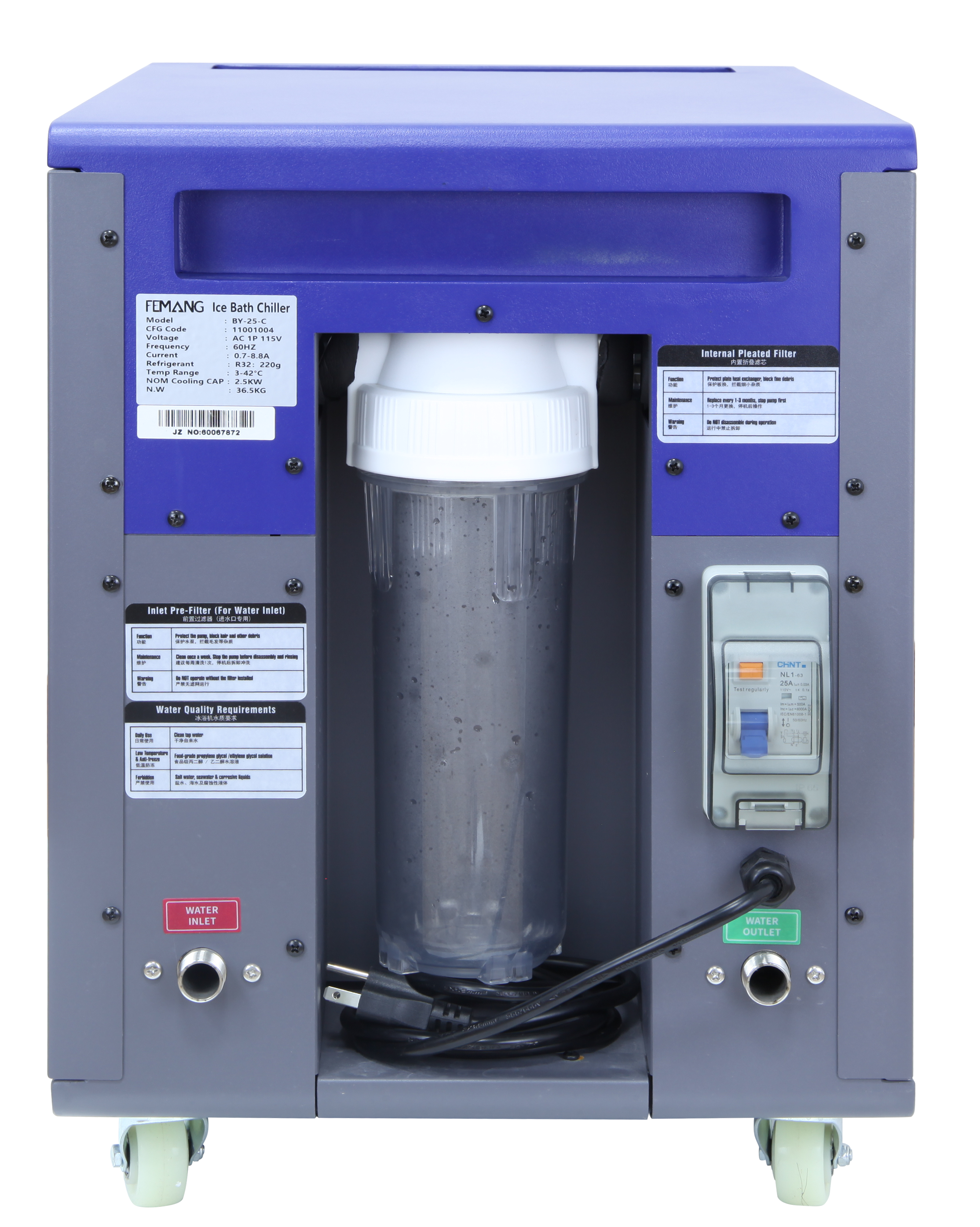
Selecting an ice bath chiller requires evaluating its performance in the intended environment. Indoor and outdoor installations have different temperature control, durability, and operational requirements. Compare technical specifications, installation needs, maintenance, and long-term reliability rather than purchase price alone.
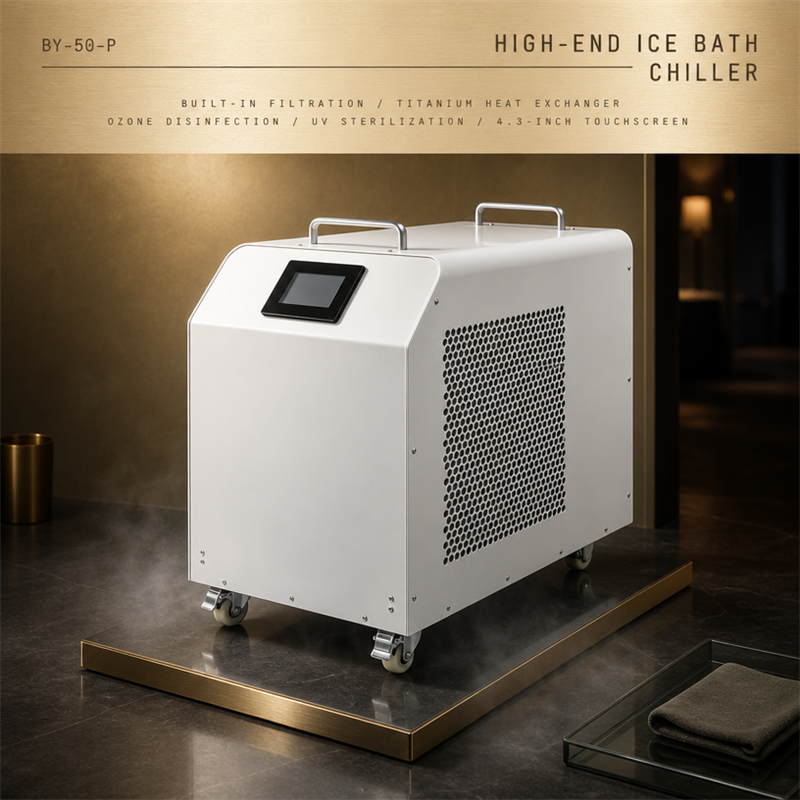
Indoor and outdoor environments create different operating demands. Outdoor installations face weather and seasonal temperature changes, requiring weather-resistant construction. Indoor facilities offer more stable conditions but may have space and electrical limitations. Compare these factors alongside performance to select suitable equipment.
Understanding Ice Bath Chiller Categories and Application Contexts
Core Distinctions Between Indoor Use and Outdoor Use Systems
Indoor ice bath chillers prioritize quiet operation, compact design, and aesthetic integration in spas, hotels, and wellness facilities. Stable ambient temperatures simplify maintenance and support precise water temperature control.
Outdoor ice bath chillers need durable housings, corrosion-resistant parts, sealed electrical connections, and refrigeration systems suited to rain, UV exposure, humidity, and temperature changes. These requirements can increase equipment and operating costs.
Key Performance Indicators That Drive Comparison Decisions
When evaluating an ice bath chiller, cooling capacity emerges as a primary comparison metric that determines how quickly the system reaches target temperatures and maintains consistent thermal performance. Measured in BTU per hour or kilowatts, this specification directly correlates with user satisfaction, recovery effectiveness, and operational efficiency. Rapid temperature descent benefits athletes, wellness clients, and medical applications where recovery time optimization drives value delivery. The comparison of cooling capacity must account for ambient conditions; indoor use systems operating in climate-controlled environments can achieve higher efficiency ratings than equivalent outdoor use units facing temperature-dependent performance degradation.
Temperature precision and stability represent critical performance factors where comparison reveals significant operational differences between systems. High-quality ice bath chiller models maintain water temperature within narrow tolerances, typically plus or minus one degree Fahrenheit, supporting consistent user experience and therapeutic efficacy. This precision requirement becomes more demanding in outdoor use scenarios where ambient temperature swings and weather conditions create environmental stresses that challenge temperature regulation circuits. Indoor use installations enjoy relative simplicity in maintaining precision, while outdoor use systems must employ advanced sensing, rapid-response heating elements, and sophisticated control algorithms to compensate for environmental variables.
Environmental Installation Factors and Comparison Methodology
Structural and Infrastructure Requirements Across Settings
The comparison process must include detailed assessment of installation infrastructure needs, which diverge significantly between indoor use and outdoor use environments. Indoor use deployments require electrical circuits capable of supporting compressor loads, adequate drainage systems, and climate-controlled spaces that maintain ambient temperatures within manufacturer specifications. Many facilities possess existing infrastructure that supports indoor use installation with minimal modifications, reducing implementation complexity and associated costs. The structural footprint of indoor use systems can be minimized through careful placement planning, often utilizing basement areas, mechanical rooms, or dedicated wellness spaces.
Outdoor use ice bath chiller installations demand substantially more infrastructure preparation, including proper drainage, protective enclosures or shelter systems, electrical weatherproofing, and foundation preparation to ensure stable equipment placement. Outdoor use sites must include UV protection measures, such as pergolas or specialized covers, that shield equipment from direct sunlight while maintaining adequate ventilation for heat dissipation. Comparison analysis must account for these infrastructure costs as genuine components of total project investment; outdoor use systems frequently require custom site preparation that adds significant expense beyond the equipment purchase price. Proper site assessment before comparison and purchase prevents costly mistakes and ensures successful long-term operation.
Maintenance Access and Operational Accessibility Factors
Service accessibility represents a practical comparison dimension where indoor use and outdoor use environments present distinct advantages and challenges. Indoor use installations typically offer easier technician access, controlled work environments, and straightforward maintenance scheduling that minimizes disruption to facility operations. Weather-protected indoor use locations allow routine servicing, filter replacement, and system inspections to proceed comfortably regardless of seasonal conditions. The ability to perform preventive maintenance consistently supports optimal ice bath chiller performance and extends equipment lifespan through timely intervention before minor issues escalate.
Outdoor use systems require specialized weatherproof service protocols, seasonal maintenance adjustments, and potentially more frequent intervention due to environmental contamination and exposure-related stress. Comparison evaluation should include manufacturer support availability, regional technician networks, and warranty coverage specific to outdoor use scenarios. Systems deployed in outdoor use applications must incorporate accessible component layouts, sealed connections that resist environmental intrusion, and design features that facilitate efficient maintenance despite weather exposure challenges. These accessibility considerations directly influence long-term total cost of ownership and operational reliability when comparing available ice bath chiller solutions.
Durability, Warranty Coverage, and Economic Comparison Metrics
Material Specifications and Equipment Longevity in Different Environments
Material selection represents a critical comparison factor where specifications dramatically differ between indoor use and outdoor use ice bath chiller systems. Indoor use equipment commonly utilizes aluminum, standard stainless steel, and conventional polymeric components that perform reliably within climate-controlled environments without accelerated degradation. These materials balance cost-effectiveness with performance, as indoor use protection from weather exposure and consistent ambient conditions reduce material stress and corrosion factors. Comparison shopping reveals that indoor use systems typically offer more economical material specifications without compromising reliability or lifespan expectations.
Outdoor use ice bath chiller solutions require premium material specifications including marine-grade stainless steel, UV-resistant polymers, and specialized coatings that resist corrosion and environmental degradation. These enhanced materials command price premiums justified by extended operational life and reduced maintenance frequency in outdoor use settings. Comparison analysis must weigh initial material cost differentials against expected service lifespan; outdoor use systems with superior material specifications often deliver better economic value through reduced replacement frequency and lower cumulative maintenance expenses. Long-term cost analysis becomes essential when comparing outdoor use versus indoor use options, as material durability directly influences five-to-ten-year total cost ownership calculations.
Warranty Terms and Comparison of Coverage Implications
Warranty coverage structures reveal important comparison distinctions that reflect manufacturer confidence in equipment reliability across different deployment environments. Indoor use ice bath chiller systems typically include comprehensive warranties covering components, refrigeration circuits, and performance guarantees extending three to five years, as manufacturers recognize the favorable conditions and predictable stress levels these installations experience. These generous warranty terms reflect reduced failure risk in climate-controlled environments and manufacturer experience with proven indoor use reliability. The ice bath chiller coverage comparison should prioritize manufacturer reputation for honoring warranty claims and providing responsive customer support.
Outdoor use systems frequently feature differentiated warranty structures that exclude weather-related damage, limit coverage duration to two to three years, or impose specific maintenance requirements to maintain validity. Comparison reveals that manufacturers impose these limitations recognizing the elevated environmental stress and potential failure risk outdoor use applications present. When comparing outdoor use ice bath chiller options, carefully evaluate warranty exclusions, maintenance obligations, and coverage details; seemingly attractive warranty terms may contain hidden limitations that reduce actual protection. Requesting detailed warranty documentation during the comparison phase prevents misunderstandings and ensures you select solutions with appropriate risk coverage for your specific deployment environment.
FAQ
What specific features matter most when comparing ice bath chiller systems for outdoor use?
Outdoor use ice bath chiller comparison should prioritize weatherproof construction, corrosion-resistant materials, robust electrical connections, and efficient heat dissipation design that functions across temperature extremes. Evaluate UV protection features, drainage systems designed for outdoor conditions, and manufacturer support experience with outdoor use deployments. Environmental durability and reliable performance under variable weather conditions directly determine long-term satisfaction and cost-effectiveness in outdoor use installations.
How does indoor use installation differ in terms of technical requirements and comparison priorities?
Indoor use ice bath chiller comparison emphasizes space efficiency, noise levels, aesthetic integration, and compatibility with existing facility electrical infrastructure. Since indoor use environments provide climate control and weather protection, comparison can focus on performance optimization, precision temperature regulation, and operational features rather than weatherproofing or durability against environmental stress. Indoor use systems generally offer simpler installation, easier maintenance access, and more economical material specifications compared to outdoor use alternatives.
What economic factors should influence my ice bath chiller comparison and final selection decision?
Comprehensive ice bath chiller comparison must evaluate initial purchase price alongside installation costs, maintenance expenses, energy consumption, and expected operational lifespan to calculate realistic total cost of ownership. Outdoor use systems typically involve higher infrastructure preparation costs but may justify premium pricing through extended durability and reduced maintenance frequency. Comparison of warranty terms, financing options, and manufacturer support availability further influences economic decision-making. Consider anticipated usage intensity, facility resources for maintenance, and replacement cost implications when balancing short-term investment against long-term operational expenses.
 EN