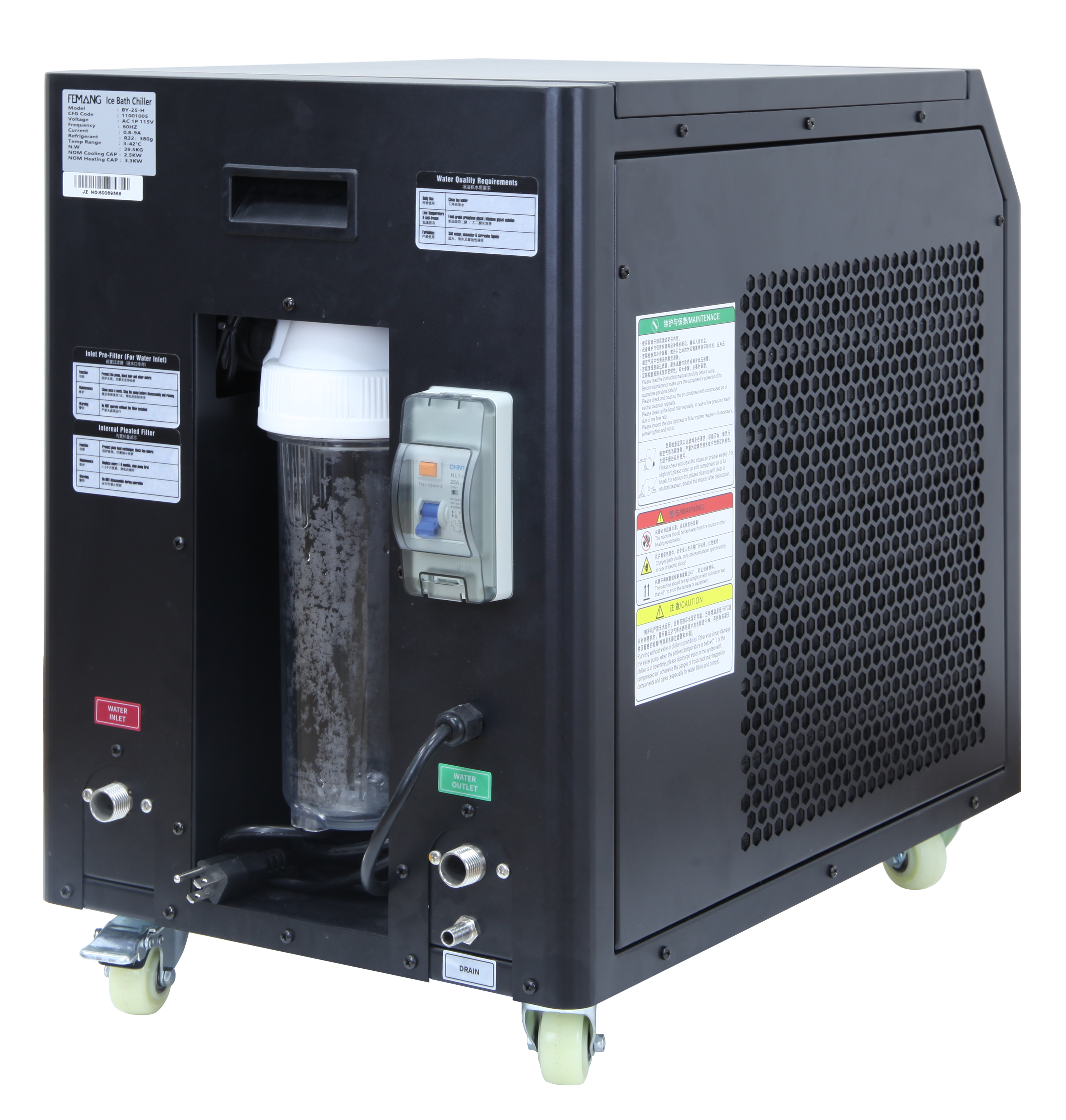
Selecting the right Cold Therapy Machine is a critical investment decision for wellness businesses looking to expand their service offerings and enhance client outcomes. Whether you operate a spa, recovery clinic, athletic facility, or wellness center, the quality and features of your cold therapy equipment directly impact client satisfaction, operational efficiency, and your competitive position in the market. A thorough comparison of available options ensures you invest in equipment that aligns with your facility's size, budget, clinical goals, and long-term growth plans.
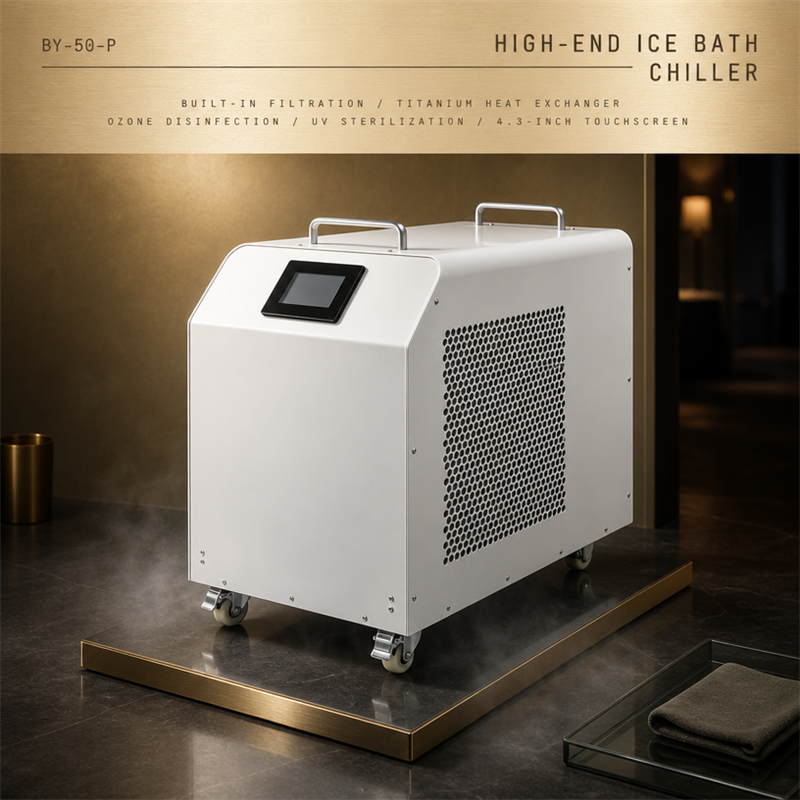
Cold therapy has become mainstream in wellness businesses because it delivers measurable benefits for muscle recovery, inflammation reduction, and athlete performance optimization. When conducting a comparison of cold therapy equipment, you must evaluate multiple dimensions beyond surface specifications. Understanding how to assess capacity, temperature control precision, user safety features, maintenance requirements, and total cost of ownership helps you avoid costly mistakes and select equipment that delivers consistent value to your clients over many years.
Understanding Cold Therapy Machine Capacity and Specifications
Sizing for Your Facility and Client Volume
The first step in any comparison process is determining the appropriate capacity for your wellness business. Cold therapy equipment ranges from small personal units suitable for 1–2 simultaneous users to large commercial systems handling multiple clients daily. Your facility's client volume, session duration, and operational hours directly determine the capacity you need. A busy athletic facility or spa may require industrial-scale equipment capable of maintaining optimal temperatures throughout extended operating schedules, while a smaller boutique wellness center might function perfectly with mid-sized systems.
Temperature maintenance is equally critical when comparing cold therapy options. Commercial systems must achieve and sustain consistent temperatures, typically ranging from 45 to 60 degrees Fahrenheit, regardless of ambient conditions or usage frequency. Superior insulation, reliable compressor systems, and precision temperature sensors distinguish professional-grade equipment from consumer-grade alternatives. During your comparison evaluation, verify that each machine option includes digital temperature controls, real-time monitoring displays, and automated alert systems that notify staff of temperature deviations before they compromise client safety or therapeutic effectiveness.
Advanced Features and Safety Considerations
Modern cold therapy machines increasingly incorporate sterilization technology as a standard feature in professional models. UV and ozone sterilization systems eliminate bacteria, viruses, and other pathogens from water, reducing infection risk and enhancing client confidence in your facility. When conducting your comparison, prioritize equipment with integrated sterilization capabilities rather than treating these as optional upgrades. This investment protects client health, reduces liability exposure, and differentiates your wellness business from competitors using outdated systems.
Ergonomic design and user accessibility represent another crucial comparison factor. Professional cold therapy machines should feature easy entry and exit points, handrails, non-slip surfaces, and adjustable seating options to accommodate clients of varying physical capabilities. Safety features such as automatic shutdown protocols, emergency stop buttons, and temperature limit safeguards protect both clients and your staff from injury. Evaluate how intuitive the machine interface is for your team; unnecessarily complex controls increase training time and operational errors.
Operational Costs and Long-Term Value Assessment
Energy Efficiency and Running Expenses
A comprehensive comparison must account for the total cost of ownership, not merely the initial purchase price. Energy consumption represents a significant ongoing expense for cold therapy equipment. Commercial-grade systems with high-efficiency compressors and superior insulation consume substantially less electricity than lower-quality alternatives, translating to lower monthly utility bills. Request detailed energy consumption specifications from manufacturers and calculate projected annual electricity costs based on your facility's expected usage patterns.
Maintenance requirements vary considerably across cold therapy machine options. Simpler systems may require only basic cleaning and filter replacement, while advanced commercial models demand more sophisticated servicing. During your comparison process, inquire about warranty coverage, availability of replacement parts, and the cost and frequency of professional maintenance services. Machines with readily available parts and local service support provide greater reliability and minimize downtime, ultimately protecting your revenue stream and client satisfaction.
Scalability and Future Growth Potential
When selecting cold therapy equipment for your wellness business, consider your facility's growth trajectory. You may start with a single machine but plan to expand services as demand increases. Some manufacturers offer modular systems or compatible upgrades, allowing you to scale your cold therapy capabilities without replacing existing equipment. This scalability becomes financially important if your business plans to double or triple service offerings within three to five years. During your comparison analysis, ask manufacturers about expansion options and future compatibility rather than limiting your evaluation only to your current immediate needs.
Integration with your existing facility infrastructure deserves attention during the comparison phase. Consider electrical requirements, plumbing connections, drainage systems, and available space for installation. Some cold therapy machines require dedicated power lines or specific water filtration systems that add installation costs. Understanding these technical requirements before purchase prevents budget overruns and installation delays that could disrupt your wellness business operations or postpone service launch timelines.
Client Experience and Competitive Differentiation
Therapeutic Effectiveness and User Comfort
The ultimate measure of any cold therapy machine comparison centers on how effectively the equipment delivers therapeutic results that clients can feel and perceive. Machines with superior temperature stability, rapid cooling capability, and precise control produce more consistent outcomes and higher client satisfaction. Clients investing in cold therapy sessions expect measurable relief from muscle soreness, faster recovery times, and improved performance metrics. Equipment that fails to deliver these outcomes quickly becomes a liability rather than an asset, regardless of how impressive the specifications appear on paper.
User comfort directly influences client retention and word-of-mouth referrals for your wellness business. Cold therapy machines with adjustable temperature settings, spacious interiors, convenient entry points, and entertainment options create more positive user experiences. Some modern systems include audio systems, smartphone connectivity, or customizable color lighting that enhance the therapeutic ambiance. When conducting your comparison, consider how client feedback and satisfaction metrics should weigh against purely technical specifications.
Marketing and Positioning Advantages
Premium cold therapy equipment becomes a marketing asset that attracts clients seeking advanced wellness solutions. Your comparison process should identify machines that offer features you can highlight in promotional materials and client communications. State-of-the-art sterilization technology, cutting-edge temperature control systems, or unique therapeutic capabilities differentiate your wellness business from competitors. The equipment you select through careful comparison directly influences how you can position your facility in the market and the premium pricing you can justify to health-conscious clients willing to invest in superior recovery solutions.
FAQ
What are the key differences between personal and commercial cold therapy machines?
Personal cold therapy machines are designed for single-user applications, typically in home settings, and prioritize affordability and compact size. Commercial cold therapy machines are engineered for high-volume daily usage, multiple clients, superior temperature stability, advanced safety features, sterilization systems, and durability under intensive operational demands. Commercial systems cost significantly more but deliver the consistency and reliability required for professional wellness businesses handling dozens of clients weekly.
How often should wellness businesses conduct a new comparison for equipment upgrades?
Technology advances rapidly in the cold therapy industry, with new features and efficiency improvements emerging continuously. A wellness business should revisit equipment comparisons every three to five years, particularly if existing machines show performance decline, increasing maintenance costs, or if client demand suggests expanded capacity. Technology advances may offer significant energy savings, improved sterilization capabilities, or enhanced user experiences that justify equipment replacement or supplementation decisions.
Can a comparison help identify the best cold therapy machine for mixed-use facilities?
Yes, systematic comparison is essential for mixed-use facilities offering diverse wellness services. These facilities need cold therapy equipment that accommodates various client types—athletes, post-surgical patients, general wellness seekers—with flexible temperature settings and configurable session durations. A thorough comparison identifies machines offering the versatility and control necessary for mixed-use applications while maintaining safety and efficacy across different therapeutic protocols and client populations.
 EN