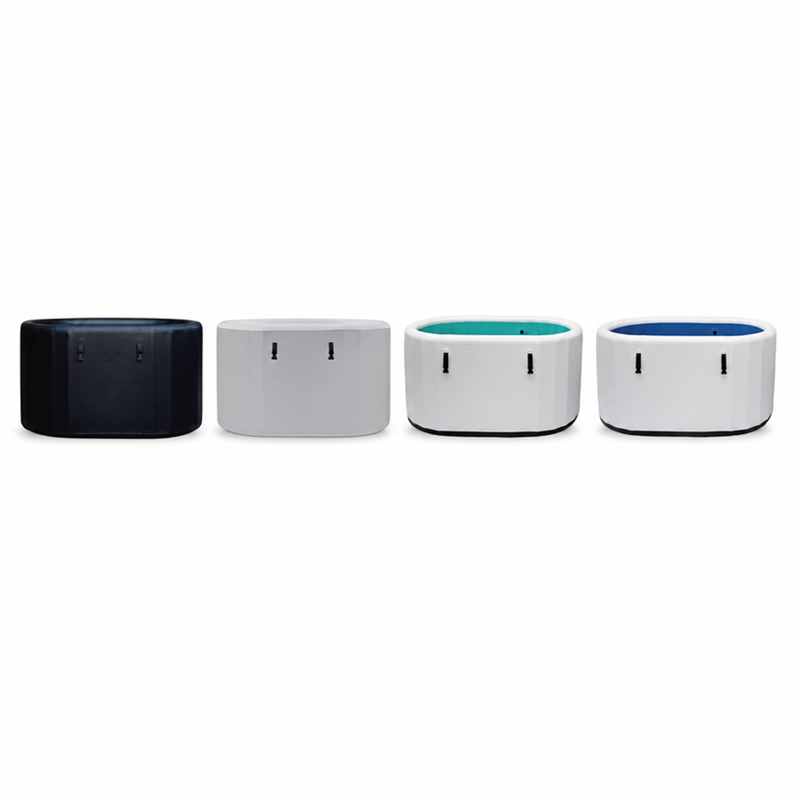
Selecting the right cold plunge tub requires understanding the unique needs of different customer groups within your facility or business. A cold plunge tub that excels for elite athletes may not be the ideal choice for general wellness members or rehabilitation clients. This guide walks you through the comparison process, helping you evaluate cold plunge tub options based on the specific demographics and use cases you serve. By aligning product features with customer expectations, you maximize satisfaction, ensure safety compliance, and optimize your investment return.
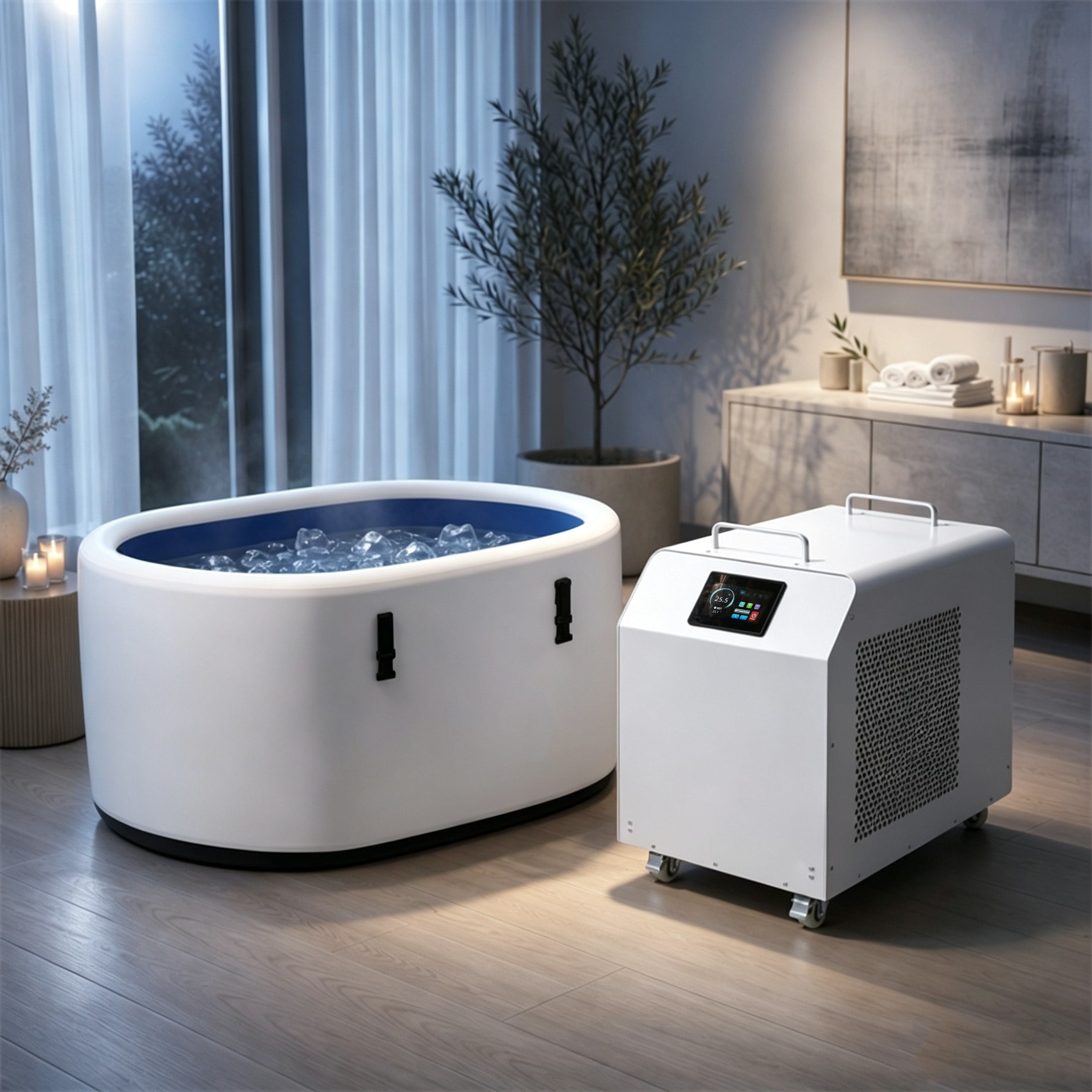
The market offers numerous cold plunge tub designs, temperature ranges, and capacity options. Without a structured comparison framework, facility managers risk purchasing equipment that underperforms for key customer groups or fails to generate expected revenue. This article provides a practical methodology for evaluating cold plunge tub solutions across athlete populations, general fitness members, and medical or wellness professionals, ensuring your selection aligns with both immediate and long-term business objectives.
Understanding Your Customer Groups and Their Needs
Athletic and Performance-Focused Users
Elite athletes and competitive fitness enthusiasts represent a distinct customer segment with exacting demands for cold plunge tub functionality. This group prioritizes precise temperature control, rapid cooling capabilities, and immersion depth sufficient for full-body recovery protocols. Athletes often follow established ice bath protocols, such as those used by professional sports teams, and expect the cold plunge tub to deliver consistent temperatures between 39 and 50 degrees Fahrenheit. They value data logging, Bluetooth connectivity for workout tracking integration, and premium build quality that withstands daily use in high-performance environments.
General Wellness and Fitness Center Members
Broader fitness facility audiences include recreational athletes, gym members seeking recovery tools, and wellness enthusiasts interested in biohacking and general health optimization. This customer groups demographic spans ages, fitness levels, and experience with cold therapy. They appreciate user-friendly controls, safety features such as automatic shutoff timers and temperature guards, and ergonomic design that accommodates varied body sizes. General wellness users typically engage with cold plunge tub sessions less frequently than elite athletes and may prioritize aesthetic appeal and ease of cleaning over advanced performance metrics.
Evaluating Cold Plunge Tub Specification and Performance Factors
Temperature Precision and Response Time
Temperature stability stands as a critical comparison criterion across customer groups. Athletic users demand accuracy within one degree Fahrenheit, while general wellness members often accept broader tolerance ranges. Evaluate how quickly a cold plunge tub reaches target temperature from ambient conditions, as faster cooling appeals to high-turnover facilities serving multiple customer groups. Refrigeration system type, chiller power rating, and insulation quality all influence thermal performance. Compare cold plunge tub models by measuring their ability to recover to set point after a user exits, which directly impacts scheduling efficiency and member satisfaction.
Size, Capacity, and Ergonomic Considerations
A cold plunge tub designed for single-person athletic recovery may frustrate couples or larger users, while an oversized model wastes energy cooling unused volume. Assess the immersion depth your customer groups require, whether full-body, torso-level, or partial leg immersion. Compare seat height, handrail placement, entry and exit design, and whether the cold plunge tub accommodates users with mobility limitations. For facilities serving diverse populations, tubs offering flexible configurations or multiple size options better serve varied customer groups than single-purpose designs. Document the selection criteria specific to each user demographic to guide your comparison process.
Durability, Maintenance, and Total Cost of Ownership
Direct comparison of cold plunge tub prices overlooks operational expenses that accumulate over months and years. Premium units featuring corrosion-resistant materials, sealed mechanical components, and modular replaceable parts often deliver lower lifetime costs than budget alternatives requiring frequent repairs. Evaluate warranty terms, parts availability, and manufacturer support for your chosen cold plunge tub model. Consider water treatment requirements, filter replacement frequency, and surface maintenance protocols that vary widely between customer groups' usage patterns. High-frequency facilities serving competitive customer groups may justify higher upfront investment in robust equipment, while lower-volume settings might prioritize affordability.
Practical Comparison Framework Across Customer Groups
Segmented Evaluation Matrix for Selection
Build a side-by-side comparison of leading cold plunge tub options, scoring each model against weighted criteria reflecting your customer groups' priorities. For athlete-focused customer groups, weight temperature precision, recovery tracking features, and durability at 60 percent combined. For general wellness customer groups, emphasize safety features, ease of use, and aesthetic design at 60 percent. Create a selection matrix documenting specifications like chilling capacity, size dimensions, electrical requirements, and warranty terms for each cold plunge tub model under consideration. This comparison approach removes bias and ensures objective evaluation aligned with your business strategy.
Pilot Testing and Customer Feedback Integration
Before committing to large-scale purchases, arrange hands-on demonstrations with shortlisted cold plunge tub options. Invite representatives from each customer groups segment to test units, noting comfort, perceived temperature accuracy, and overall satisfaction. Gather specific feedback on control interface intuitiveness, water temperature consistency during repeated use, and any pain points in access or exit. This comparison process reduces selection risk by incorporating direct user input, which proves especially valuable when serving diverse customer groups with competing priorities. Document findings systematically to inform final purchasing decisions and future selection processes.
FAQ
What are the main differences between cold plunge tub models for different customer groups?
Customer groups vary in their cold plunge tub requirements based on usage frequency and experience level. Elite athletes demand precise temperature control and advanced features, while general wellness customer groups prioritize ease of use and safety. High-turnover facilities need robust equipment with fast temperature recovery, whereas low-volume settings may prioritize initial cost. Comparison across models should weight these customer groups' distinct priorities rather than applying one-size-fits-all selection criteria.
How do I compare cold plunge tub options when serving multiple customer groups?
Create a segmented evaluation matrix that weights selection criteria differently for each customer groups demographic. Assign higher importance to temperature precision and tracking features for athlete customer groups, while emphasizing safety controls and aesthetic design for general wellness customer groups. This comparison methodology ensures your cold plunge tub selection accommodates diverse user needs rather than optimizing for a single segment, ultimately improving member retention across all customer groups.
What total cost factors should guide my cold plunge tub comparison and selection?
Beyond purchase price, compare operational expenses including energy consumption, water treatment, filter replacements, and maintenance labor across cold plunge tub models. Premium units often deliver lower lifetime costs despite higher initial investment, especially for high-turnover facilities with demanding customer groups. Compare warranty coverage, manufacturer support responsiveness, and parts availability to understand full financial impact over the equipment's lifespan, which guides more informed selection between cold plunge tub options.
 EN