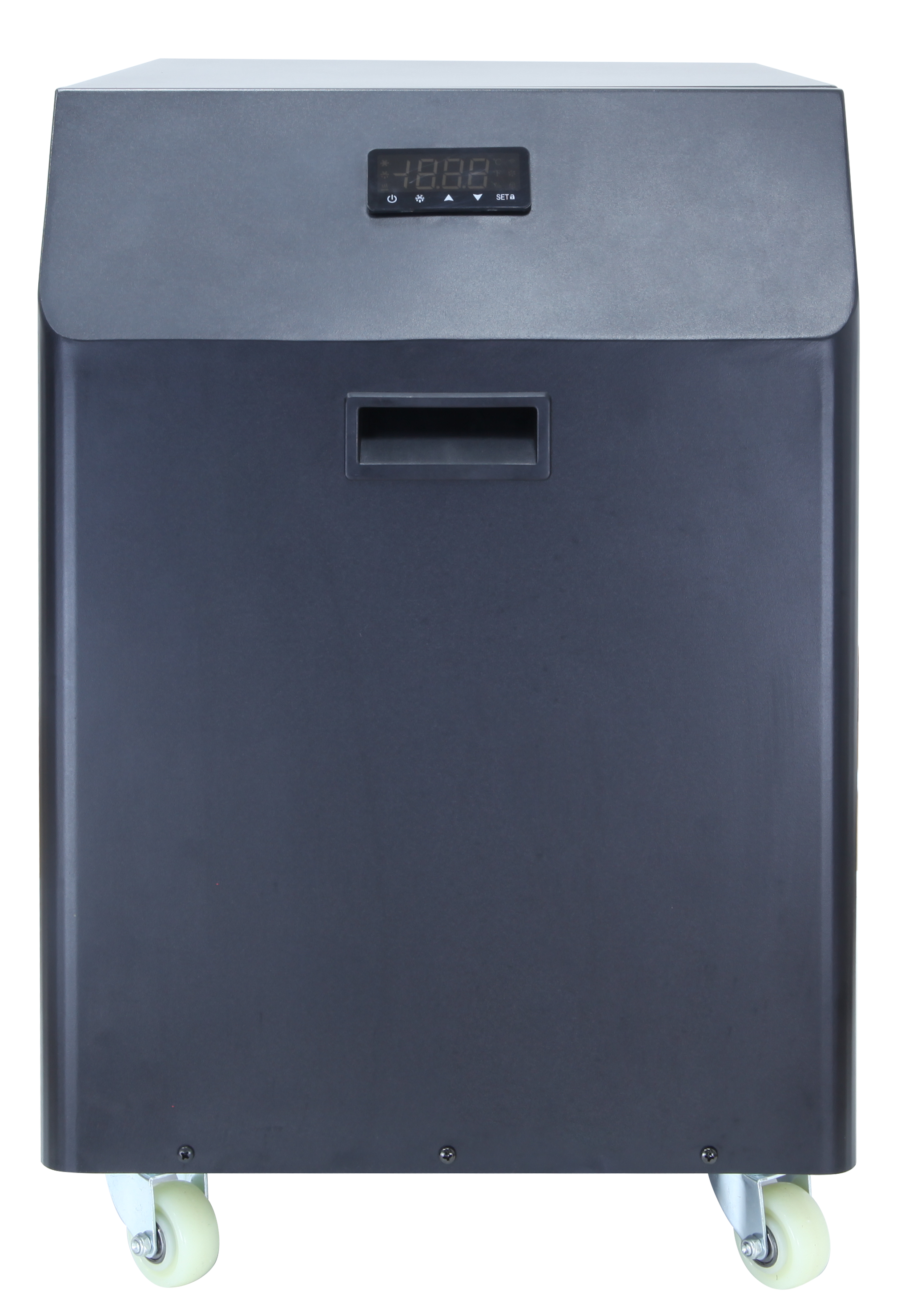
Selecting the right cold plunge supplier is a critical decision for businesses operating in wellness, hospitality, sports recovery, and corporate health sectors. The B2B sourcing process requires careful evaluation of multiple factors beyond simple price comparison, including equipment specifications, reliability, customer support, and long-term partnership potential. Understanding how to conduct a thorough supplier comparison ensures your organization acquires equipment that meets operational demands while delivering consistent return on investment.
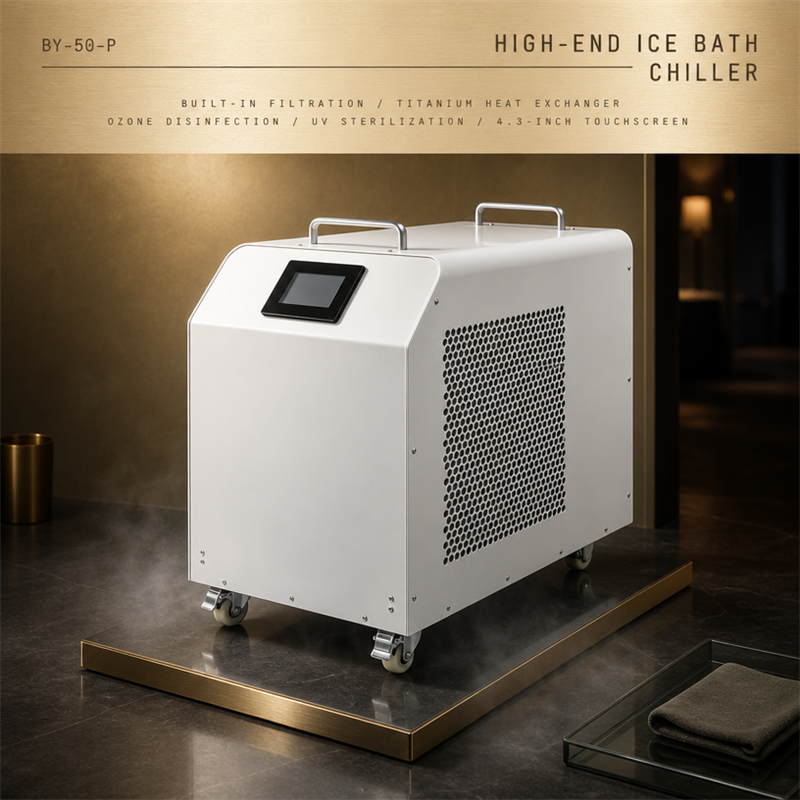
B2B sourcing for cold plunge equipment demands a structured approach that balances technical specifications with supplier reliability and cost efficiency. The decision impacts not only your immediate operational capability but also your facility's reputation, maintenance costs, and member satisfaction levels. This guide walks through the essential elements of supplier comparison, helping decision-makers identify the most suitable cold plunge partner for their specific business context and scalability needs.
Understanding Your Cold Plunge Requirements and Usage Patterns
Defining Operational Specifications and Capacity Needs
Before evaluating suppliers, establish clear requirements for your cold plunge investment. Determine the tank size, temperature control precision, water capacity, and daily usage volume your facility will support. High-traffic wellness centers may require commercial-grade units with rapid recovery times, while boutique recovery studios might prioritize compact models with advanced cooling efficiency. Documenting these specifications prevents scope creep during the sourcing process and allows suppliers to provide accurate quotes and implementation timelines.
Consider the physical space constraints, electrical infrastructure, and drainage requirements at your facility. Some cold plunge models demand specialized installation, including dedicated circuits or enhanced cooling systems. Understanding these technical demands early enables B2B suppliers to confirm feasibility and identify potential integration challenges before commitment. This upfront clarity accelerates the supplier comparison process and reduces post-purchase complications.
Identifying Industry-Specific Performance Standards
Different business verticals have distinct cold plunge performance expectations. Sports recovery facilities prioritize rapid temperature cycling and precise thermal control, while spa and hospitality environments emphasize durability, aesthetic appeal, and low operational noise. Clarify which performance metrics matter most to your business model, then use these criteria to evaluate supplier capabilities. A supplier comparison that ignores industry-specific standards often leads to misaligned equipment choices and operational frustration.
Evaluating Supplier Reliability and Service Capabilities
Assessing Quality Standards and Equipment Certifications
Reliable cold plunge suppliers maintain industry certifications, safety compliance records, and transparent quality control processes. During your supplier comparison, request documentation of compliance with international standards, warranty terms, and maintenance protocol requirements. Suppliers offering third-party certifications and detailed technical documentation demonstrate commitment to operational excellence and risk mitigation. This transparency directly impacts your facility's operational continuity and liability profile.
Inquire about the materials used in construction, filtration systems, sterilization capabilities, and durability testing protocols. High-quality cold plunge equipment incorporates UV or ozone sterilization to minimize bacterial growth and maintenance demands. Suppliers who openly discuss these technical advantages and provide independent testing results tend to offer more reliable long-term partnerships. B2B sourcing decisions should prioritize transparency and technical depth over vague marketing claims.
Evaluating Post-Sale Support and Training Infrastructure
Superior cold plunge suppliers provide comprehensive training, maintenance support, and troubleshooting assistance beyond the initial installation. Assess the availability of technical support channels, response time commitments, and spare parts inventory. Suppliers offering preventive maintenance programs, staff training modules, and remote diagnostic capabilities significantly reduce operational downtime and extend equipment lifespan. These services represent hidden value in your total cost of ownership calculation during supplier comparison activities.
Request references from existing clients and inquire about their experience with supplier responsiveness and problem resolution. A supplier's reputation for reliable post-sale support often matters more than initial equipment price, particularly for mission-critical wellness infrastructure. Document the service level agreements proposed by each supplier, including response times, warranty coverage details, and availability of loaner equipment during repairs.
Comparing Costs, Financing, and Long-Term Value Propositions
Conducting Total Cost of Ownership Analysis
Price represents only one dimension of supplier comparison for B2B cold plunge sourcing. Calculate total cost of ownership by incorporating equipment purchase price, installation fees, operational expenses, maintenance costs, and anticipated replacement timelines. Energy efficiency ratings significantly impact monthly operating budgets, especially for facilities running units daily across extended hours. Suppliers providing detailed energy consumption data and efficiency benchmarks enable more accurate financial modeling and business case development.
Request itemized quotes that clearly separate equipment costs, shipping, installation labor, and any additional charges. This granular breakdown prevents surprise expenses and facilitates accurate budget forecasting. Some suppliers offer financing options, lease-to-own arrangements, or volume discounts that may improve cash flow management. Including these financial flexibility options in your supplier comparison ensures you evaluate true acquisition costs rather than surface prices alone.
Assessing Scalability and Future Growth Accommodation
Effective B2B sourcing considers not only current needs but also anticipated facility expansion and usage growth. Identify suppliers capable of supporting multi-unit deployments, providing consistent product updates, and accommodating future volume increases. A supplier comparison that prioritizes partners with scalable infrastructure and demonstrated experience serving growing clients positions your business for seamless expansion without vendor switching costs or integration complications.
Discuss warranty terms, upgrade pathways, and replacement schedules with potential suppliers. Understanding their product roadmap and commitment to technological advancement ensures your equipment remains competitive throughout its operational lifespan. Suppliers demonstrating ongoing innovation and product improvement tend to provide better long-term value than static equipment offerings, particularly in the rapidly evolving cold plunge and recovery technology sector.
Implementing Your Supplier Comparison Decision Framework
Creating Evaluation Matrices and Weighted Scoring Systems
Develop a structured evaluation matrix that scores each supplier across critical dimensions including equipment specifications, reliability metrics, service capabilities, pricing, and company stability. Assign weighted importance levels to each criterion based on your facility's priorities and operational requirements. This systematic cold plunge sourcing approach reduces bias, creates accountability in decision-making, and provides documented rationale for stakeholder approval. Quantifying the supplier comparison process ensures all relevant factors receive appropriate consideration.
Request proposals from at least three qualified suppliers to establish meaningful comparison baselines. Each proposal should address your documented requirements, include detailed specifications, and clearly outline service terms and support commitments. Conducting face-to-face meetings or virtual demonstrations with finalist suppliers provides valuable insights into their professionalism, technical expertise, and partnership orientation beyond written documentation.
Validating References and Making Final Selection
Contact existing customers of shortlisted suppliers to validate claims and gather practical insights about real-world performance. Ask about installation experience, ongoing reliability, support responsiveness, and overall satisfaction with their B2B partnership. Reference conversations often reveal operational considerations not apparent in formal supplier comparison documentation. This due diligence step significantly reduces post-purchase regret and strengthens confidence in your final selection.
Document your final selection rationale, including specific strengths of the chosen supplier relative to evaluated alternatives. This documentation supports future accountability discussions and provides valuable context if operational issues arise. Establishing clear communication channels and expectations immediately following supplier selection sets the foundation for a productive, long-term partnership that delivers sustained value to your organization.
FAQ
What are the most important criteria when comparing cold plunge suppliers for B2B purposes?
When conducting supplier comparison for B2B cold plunge purchasing, prioritize equipment specifications, temperature control precision, reliability certifications, post-sale support availability, total cost of ownership, and scalability potential. Each business context differs, but technical capability, service responsiveness, and financial terms consistently rank among the most decisive factors. Developing weighted criteria tailored to your facility's specific operational priorities ensures your comparison process aligns with actual business needs rather than generic industry standards.
How should B2B buyers evaluate the true cost of cold plunge equipment beyond the purchase price?
Total cost of ownership for cold plunge equipment encompasses purchase price, installation expenses, energy consumption, maintenance requirements, spare parts availability, and anticipated replacement timelines. Energy-efficient models may command higher initial investment but deliver significant savings across their operational lifespan. Request suppliers provide energy consumption ratings, maintenance schedules, and warranty terms to develop accurate financial projections. This comprehensive costing approach prevents underestimated budgets and identifies which suppliers offer genuine long-term value.
What should B2B buyers expect regarding supplier support and training for cold plunge equipment?
Quality cold plunge suppliers provide staff training, installation support, comprehensive documentation, ongoing technical assistance, and preventive maintenance programs. Expect clear communication channels, documented response time commitments, and readily available spare parts. Suppliers offering remote diagnostic capabilities and troubleshooting support significantly reduce downtime and operational disruption. Your supplier comparison should thoroughly assess support infrastructure, as reliable post-sale service often determines whether equipment delivers expected performance and longevity in your operational environment.
 EN