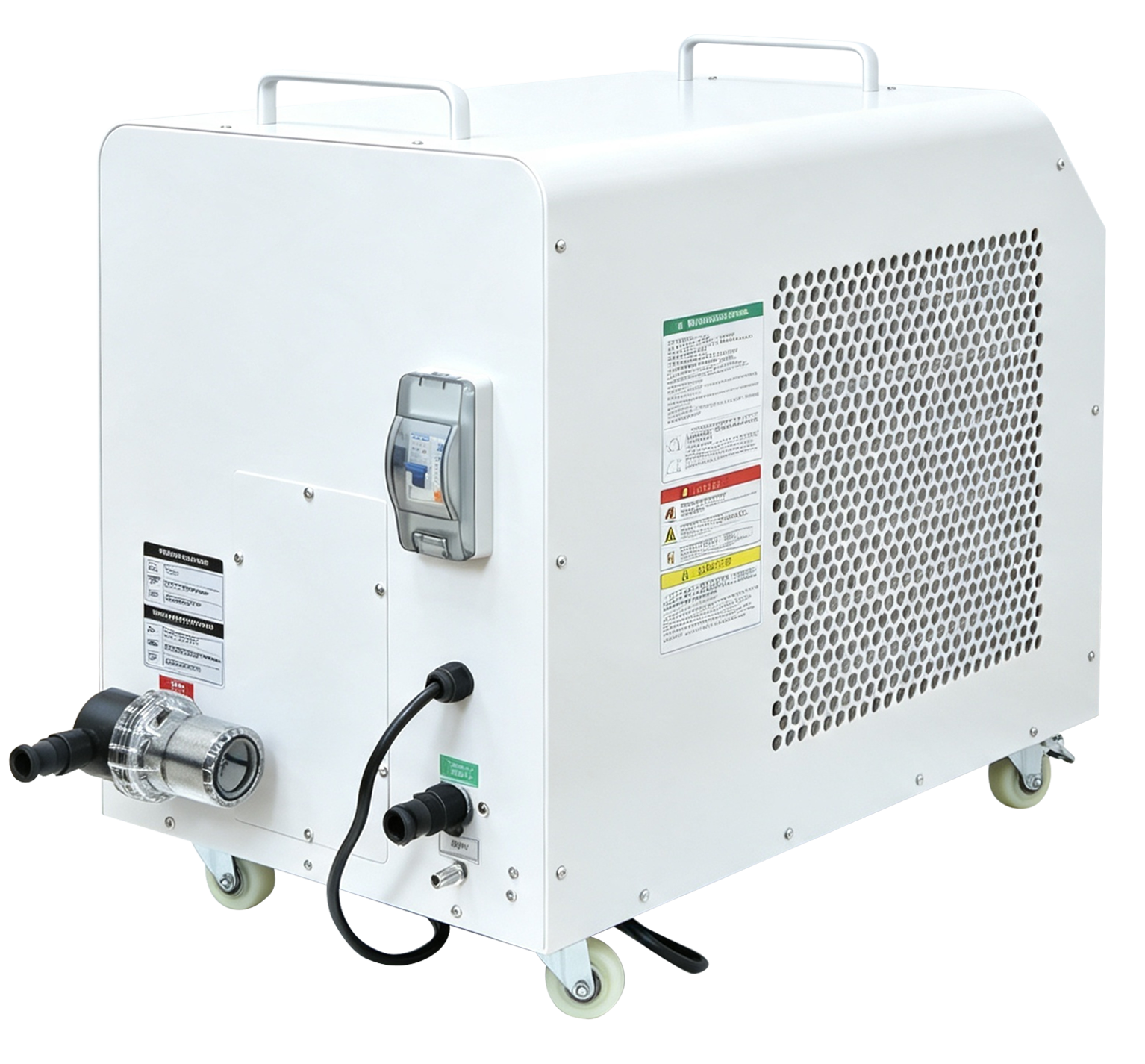
Developing a successful private label program requires careful evaluation of cold plunge products before committing to production volumes. Many brands rush into partnerships without conducting thorough sample evaluation, only to discover quality issues, design misalignments, or performance gaps after manufacturing begins. Comparing cold plunge samples systematically helps you identify the right OEM partner and ensure your private label offering meets customer expectations from day one.
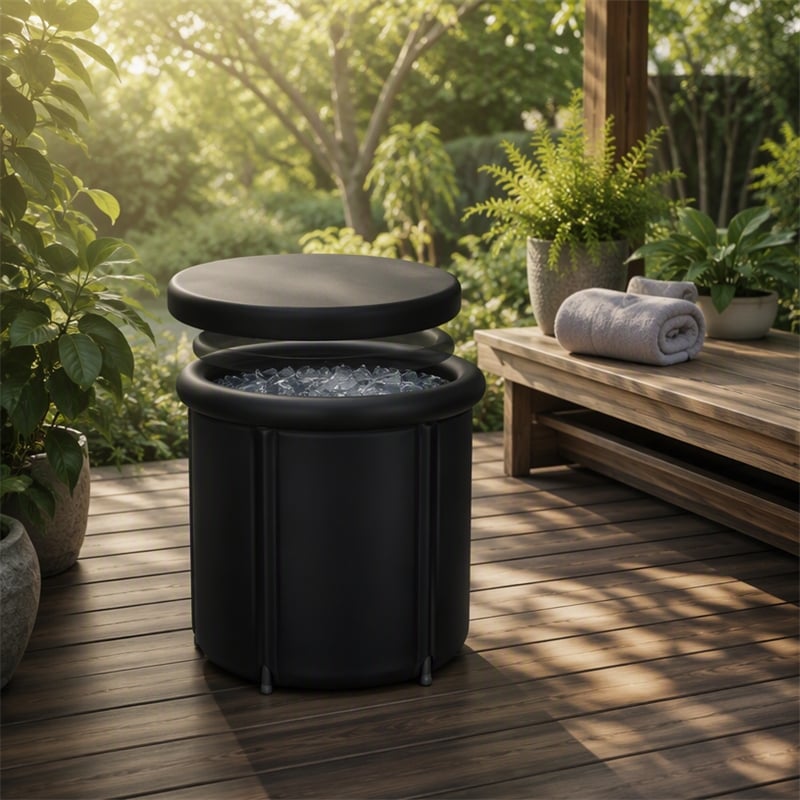
The sample evaluation process is where private label success is determined. Whether you are testing prototypes from multiple OEM suppliers or validating specifications from a single manufacturer, structured comparison ensures you make informed decisions backed by data rather than intuition. This guide walks you through the essential criteria, testing protocols, and decision frameworks needed to select the best cold plunge sample for your brand.
Understanding Sample Evaluation Fundamentals
Why Sample Evaluation Matters for Private Label Programs
Sample evaluation is the foundation of private label quality assurance. Before placing a large production order, you must verify that the cold plunge sample meets your specifications, safety standards, durability expectations, and brand positioning. OEM partners often provide samples that showcase their manufacturing capabilities, but your job is to look beyond the surface and assess whether the product will perform reliably in real-world customer scenarios.
Quality issues detected during sample evaluation are far less expensive to address than defects discovered after full production runs. A compromised temperature retention system, weak structural integrity, or inadequate insulation can damage your brand reputation and trigger costly returns. By investing time in thorough sample comparison, you protect your brand equity and ensure consistent customer satisfaction across your private label product line.
Setting Clear Evaluation Criteria Before Testing
Effective sample evaluation begins with defining your non-negotiable standards. Establish criteria for thermal performance, material durability, user interface quality, aesthetic finish, safety certifications, and operational noise levels. Your OEM partner should understand these requirements before sending samples, ensuring both parties are aligned on what constitutes an acceptable cold plunge product. Written specifications prevent misunderstandings and provide objective benchmarks for comparing different samples side by side.
Core Technical Assessment for Cold Plunge Samples
Temperature Performance and Thermal Management
Temperature retention is the most critical performance metric for any cold plunge product. Test each sample by filling it with water at a target temperature and measuring how quickly it cools over a standard timeframe, typically two to four hours. Compare samples from different OEM manufacturers to identify which maintains temperature stability more effectively. Poor insulation or inadequate cooling systems will frustrate customers and generate negative reviews, so this assessment directly impacts your private label reputation.
Beyond retention, evaluate the cold plunge cooling mechanism itself. Does it respond quickly to temperature adjustments? Is the control system intuitive? Does the sample maintain consistent water temperature across different ambient conditions? These operational details matter because customers expect reliable, predictable performance. During sample evaluation, use your cold plunge under various conditions to understand real-world behavior before committing to mass production with your chosen OEM.
Material Quality and Structural Integrity
Examine the construction materials of each cold plunge sample closely. Look for signs of uneven sealing, weak joints, or brittle plastic components that might crack under stress. Fill the sample with water and leave it overnight to check for leaks, which would be catastrophic in a private label product. Run your hands along all surfaces to verify smooth finishes and identify any rough edges or manufacturing defects that compromise durability or user safety.
Different OEM suppliers may use varying material grades and assembly methods, and these differences directly affect longevity. A cold plunge that withstands five years of regular use outperforms one that deteriorates after eighteen months. During sample evaluation, assess whether materials can resist UV exposure, chemical contact, temperature cycling, and physical wear. These durability factors determine whether your private label offering becomes a trusted customer asset or a regrettable purchase.
Safety Certifications and Compliance Documentation
Request full certification documentation for every cold plunge sample you evaluate. Verify that the OEM has obtained necessary electrical safety approvals, water quality standards, and any relevant regulatory certifications for your target market. Missing certifications are a red flag that indicates either incomplete product development or a supplier cutting corners to reduce costs. Your private label brand assumes liability for non-compliance, so rigorous sample evaluation of certification status is mandatory.
Practical Comparison Framework for Private Label Decision-Making
Running Side-by-Side Comparative Tests
Create a controlled testing environment where you can compare cold plunge samples under identical conditions. Place multiple samples in the same room, fill them with the same water source at identical temperatures, and monitor them simultaneously. Document temperature readings, operational noise, cycle times, and any performance anomalies at regular intervals. This side-by-side approach reveals which OEM partner delivers superior performance and which sample best aligns with your private label vision.
During this phase, involve key stakeholders from your team. Have designers evaluate aesthetics, engineers assess technical performance, and customer service representatives consider usability and customer support implications. Diverse perspectives during sample evaluation prevent tunnel vision and ensure you select a cold plunge that works well across all aspects of your private label business. A consensus-based sample evaluation process also builds internal confidence in your OEM partner choice.
Assessing Customization and Branding Flexibility
Beyond core functionality, evaluate how easily your cold plunge samples accommodate private label customization. Can the OEM modify colors, logos, or control panel designs without compromising performance? Does your sample showcase branding clarity and visual appeal that aligns with your target market? Your private label success depends partly on standing out visually while maintaining technical superiority, so sample evaluation must include aesthetic and customization feasibility assessment.
Ask your OEM partner detailed questions about the sample. What tooling costs would new colors or features incur? How flexible are minimum order quantities? Can they accommodate packaging changes or regional regulatory variations? These discussions during sample evaluation reveal whether your OEM can truly support your private label growth trajectory or whether they prefer one-size-fits-all production. A responsive OEM transforms sample evaluation into the beginning of a productive long-term partnership.
Cost Structure and Production Viability
Sample evaluation should include transparent pricing discussions with your OEM. Understand the per-unit cost structure, tooling fees, minimum order quantities, and payment terms associated with scaling the cold plunge sample into production. Compare total landed costs across multiple OEM options to ensure your private label economics remain profitable and competitive. A technically superior sample that becomes prohibitively expensive loses its value if your margins evaporate.
FAQ
What specific tests should I run on cold plunge samples before committing to a private label order?
Critical sample evaluation tests include temperature retention over time, leak detection under full load, structural integrity assessments, electrical safety verification, and noise level measurements. Additionally, run the cold plunge through multiple heating and cooling cycles to identify any performance degradation. Ask your OEM to provide certification documentation confirming compliance with relevant standards, and conduct extended use testing over at least one week to simulate real customer experience before finalizing your private label decision.
How many different OEM samples should I evaluate for my private label program?
Industry best practice recommends evaluating samples from at least two to three different OEM manufacturers during your private label assessment phase. This comparative approach reveals genuine performance differences and prevents overcommitting to a single supplier based on limited information. Multiple sample evaluation options also provide negotiating leverage with your chosen OEM, as suppliers know you have alternatives and may offer more favorable terms for your private label partnership.
What red flags during sample evaluation indicate an unreliable OEM partner?
Red flags include missing or incomplete certification documentation, reluctance to provide detailed technical specifications, inability to accommodate customization requests, inconsistent sample quality, delayed sample delivery, and vague answers about production capabilities. If a cold plunge sample shows obvious construction defects, leaks, or poor material quality, that directly reflects OEM manufacturing standards. Sample evaluation should reveal whether your OEM takes quality seriously or cuts corners, so trust your instincts and avoid partners who treat sample evaluation as an inconvenience rather than an investment in your private label success.
 EN