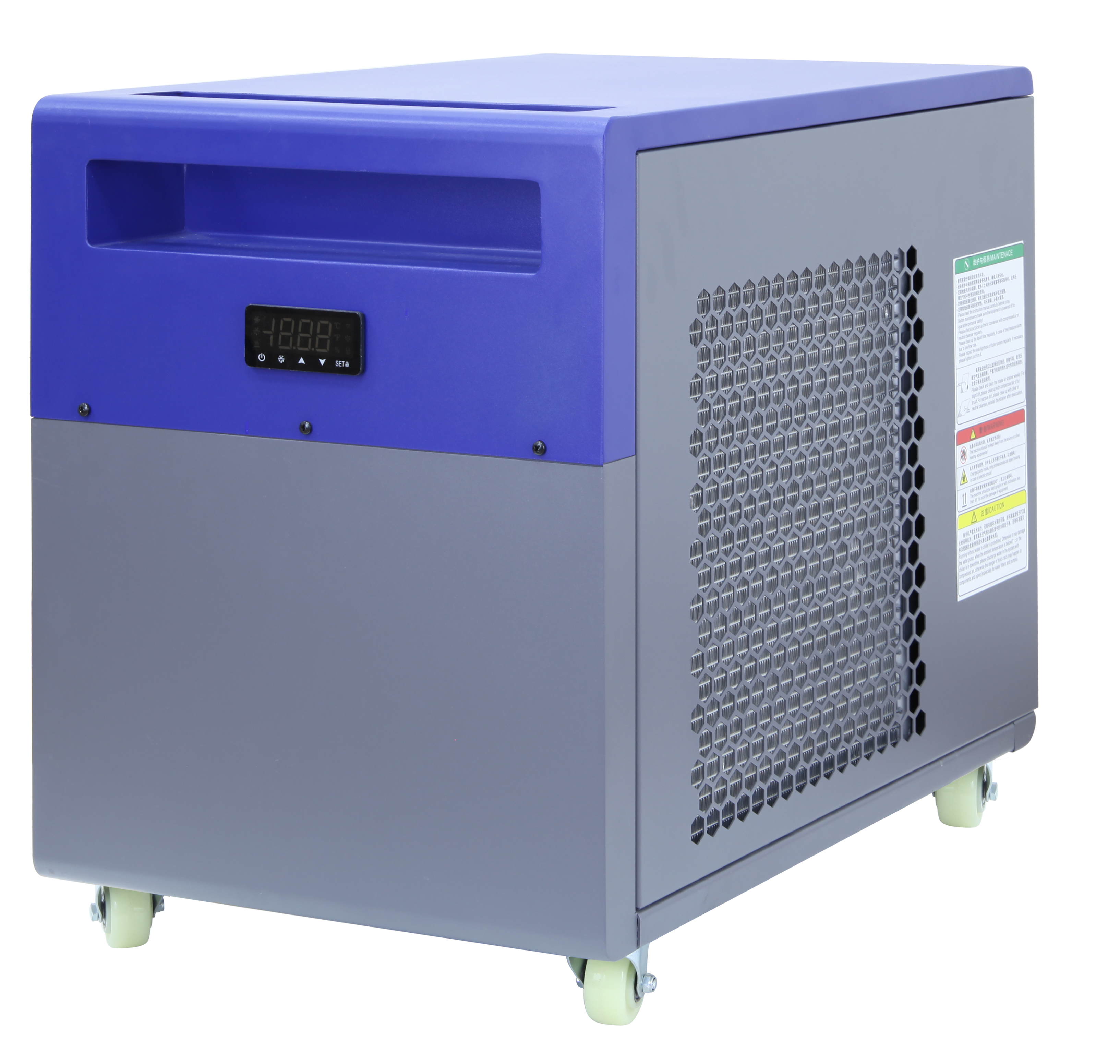
Selecting the right cold plunge equipment is a critical investment decision for wellness businesses. Whether you operate a luxury spa, a boutique fitness studio, or a comprehensive recovery center, the equipment you choose directly impacts client satisfaction, operational efficiency, and long-term profitability. The market offers diverse cold plunge systems with varying specifications, price points, and features designed for different operational scales and business models. Understanding how to properly compare these options ensures you invest in equipment that aligns with your specific business goals, client demographics, and facility constraints.
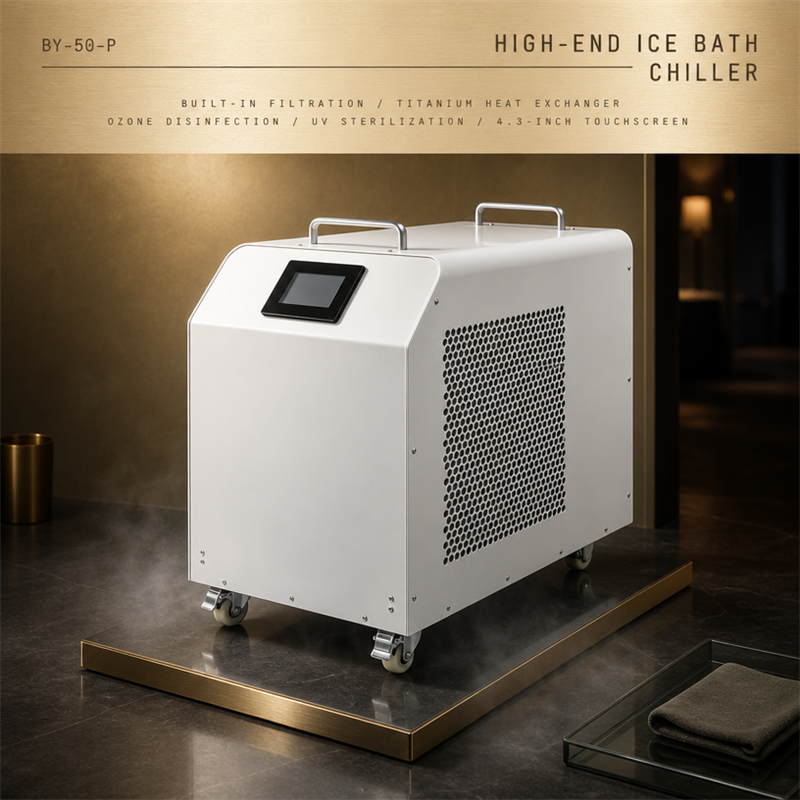
A thorough comparison of cold plunge systems requires evaluating multiple dimensions beyond surface specifications. Business model considerations significantly influence which equipment features matter most. A high-end spa with premium membership pricing needs different capabilities than a boutique fitness studio or a corporate wellness program. This comprehensive guide walks through the essential comparison framework, helping you identify the key selection criteria that directly impact your return on investment and client retention rates.
Understanding Your Business Model Requirements
Defining Operational Scale and Client Volume
Your business model fundamentally shapes the cold plunge equipment specifications you need. High-volume fitness centers requiring multiple daily sessions need systems with rapid recovery times and consistent temperature control. Luxury wellness retreats prioritize premium features, aesthetic design, and enhanced user experience over pure throughput capacity. A corporate wellness program with scheduled group sessions operates under completely different demands than a day spa offering individual appointments. Mapping your expected client volume, session duration, and weekly operational hours directly informs the equipment capacity, power requirements, and maintenance demands you should target during the comparison process.
Identifying Revenue Models and Pricing Strategy
Your business model's revenue structure influences equipment investment feasibility and expected ROI timelines. Membership-based businesses integrate cold plunge access into monthly fees, requiring reliable, low-maintenance systems that minimize unexpected downtime. Pay-per-session models allow higher equipment costs if the premium experience justifies increased pricing. Franchise operations or multi-location businesses need standardized, scalable equipment that maintains consistent client experience across facilities. Understanding whether you operate a primary revenue generator or a complementary wellness service shapes realistic equipment budgets and durability expectations during your selection process.
Critical Technical Specifications for Comparison
Temperature Control and Recovery Performance
Temperature precision directly impacts both client safety and experience quality when you compare cold plunge systems. Commercial-grade equipment should maintain stable temperatures within one-degree Fahrenheit, preventing dangerous fluctuations that compromise therapeutic benefits. Recovery speed—how quickly the system returns to target temperature after client immersion—determines maximum daily client capacity. Systems with advanced cooling technology achieve faster recovery, supporting higher-volume operations without extended downtime between sessions. Evaluate whether the comparison includes specifications for cooling rate per hour and actual recovery times under peak usage conditions, not just theoretical maximum capacity.
Water Filtration and Sanitation Features
Sanitation standards vary significantly across cold plunge equipment options, directly affecting operational complexity and regulatory compliance. Premium systems incorporate UV-sterilization, ozone treatment, and multi-stage filtration that reduce manual maintenance and chemical dependency. Basic comparison models may require frequent water changes, chemical testing, and extended cleaning protocols. Health code compliance varies by jurisdiction, making sanitation capability critical for comparison. Equipment featuring automated sanitation cycles reduces staff labor, improves client confidence, and minimizes liability risks associated with water quality issues. When conducting your business model comparison, prioritize systems aligned with your local health department requirements and desired service level.
Financial and Operational Fit Analysis
Capital Investment and Installation Considerations
The selection process must include detailed cost analysis beyond initial purchase price. Commercial cold plunge equipment ranges from forty thousand to over two hundred thousand dollars depending on capacity, features, and cooling technology. Installation requirements vary significantly—some systems require dedicated electrical circuits, plumbing modifications, or reinforced flooring. Your business model comparison should account for total installation costs, necessary facility modifications, and timeline implications for deployment. Premium equipment with advanced features typically justifies higher initial investment through reduced operational costs and enhanced client experience that supports premium pricing strategies.
Operating Costs and Maintenance Requirements
Long-term profitability depends heavily on operational efficiency, making this critical for any equipment comparison. Water consumption varies dramatically between models, impacting utility costs and environmental footprint. Energy efficiency ratings determine monthly electricity expenses, which accumulate significantly over multi-year operating periods. Maintenance complexity and required staff training influence labor costs and operational disruptions. Premium systems with automated sanitation reduce daily maintenance labor but require specialized technical service. When comparing options within your business model framework, calculate estimated five-year total cost of ownership including energy, water, maintenance, and potential repair expenses to make informed investment decisions.
Vendor Support and Equipment Reliability
Warranty Coverage and Technical Support Services
Equipment reliability directly impacts client satisfaction and operational revenue stability, making warranty and support crucial comparison factors. Comprehensive warranties covering compressors, refrigeration systems, and control electronics provide protection against costly failures. Response time for technical support becomes critical for high-volume operations where downtime directly reduces revenue. Evaluate whether vendors provide on-site service, parts availability, and technical training as part of your selection process. Business models supporting premium pricing typically justify equipment investments from vendors offering superior support infrastructure and rapid response capabilities for service emergencies.
Scalability and Future Expansion Capability
Your business model may require future expansion or additional cold plunge installations across new locations. Equipment comparison should include whether systems integrate easily into larger facility ecosystems and whether vendors support multi-unit deployments. Standardized equipment across locations simplifies staff training, maintenance protocols, and spare parts management for franchise or multi-facility operations. Modular designs allow phased upgrades without complete system replacement as your business grows. Planning for future scalability during initial equipment comparison prevents costly replacements and ensures consistent client experience as your wellness business expands and evolves.
FAQ
How do I determine the right cold plunge capacity for my business model?
Capacity selection depends on your expected client volume and session frequency. Calculate weekly client sessions and average immersion duration, then multiply by recommended water exchange rates. A boutique fitness studio with ten daily sessions needs different capacity than a day spa with five sessions daily. Consult with vendors about realistic throughput for your specific business model and compare actual case studies from similar operations. Oversizing equipment increases costs unnecessarily, while undersizing limits revenue potential and client satisfaction.
What sanitation features should I prioritize when comparing cold plunge systems?
Automatic sanitation features like UV and ozone treatment minimize daily maintenance and reduce labor costs significantly. Your comparison should prioritize systems that reduce chemical dependency and manual testing frequency. High-end business models justify premium systems with continuous filtration and advanced sterilization. Mid-market operations often balance automated features with manual protocols to optimize cost efficiency. Review local health code requirements during your selection process, as regulations vary by jurisdiction and directly influence necessary sanitation capabilities.
How should total cost of ownership factor into my equipment selection comparison?
Compare equipment across five-year operating periods rather than just initial purchase price. Calculate energy consumption costs, water usage, maintenance labor, and potential repairs to determine realistic total investment. Premium equipment typically reduces per-client operational costs through efficiency gains that offset higher initial investment. Your business model's revenue potential should justify the selected equipment tier. Model different scenarios with cost assumptions to identify the investment level that maximizes long-term profitability while meeting client experience expectations.
 EN