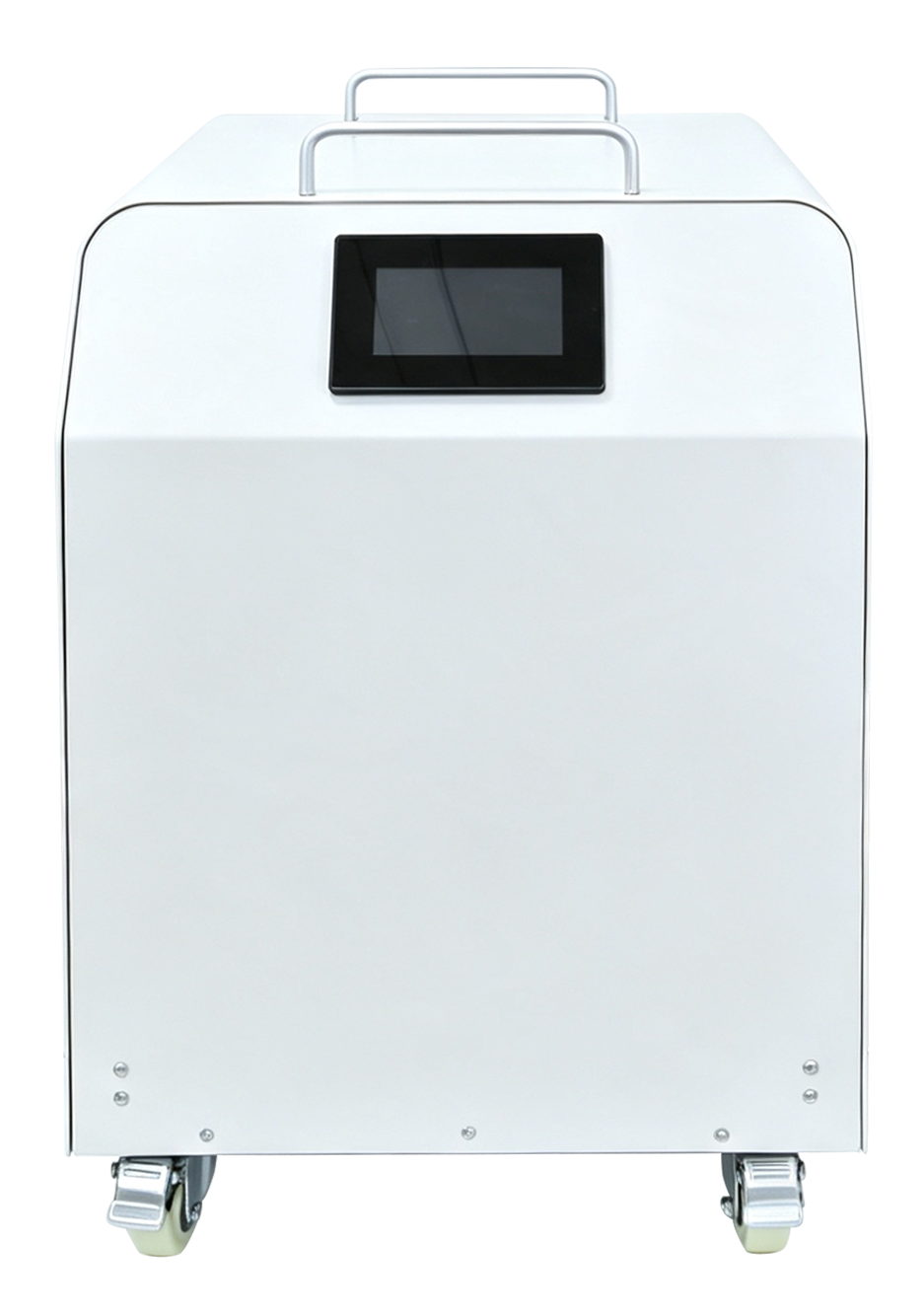
Selecting the right cold plunge chiller for your facility requires careful evaluation of multiple technical and operational factors. Whether you operate a recovery center, fitness facility, or wellness spa, the daily operation of your cold plunge system directly impacts member satisfaction, equipment longevity, and overall cost efficiency. A thorough comparison process helps you identify which chiller system aligns with your specific needs, budget constraints, and performance expectations.
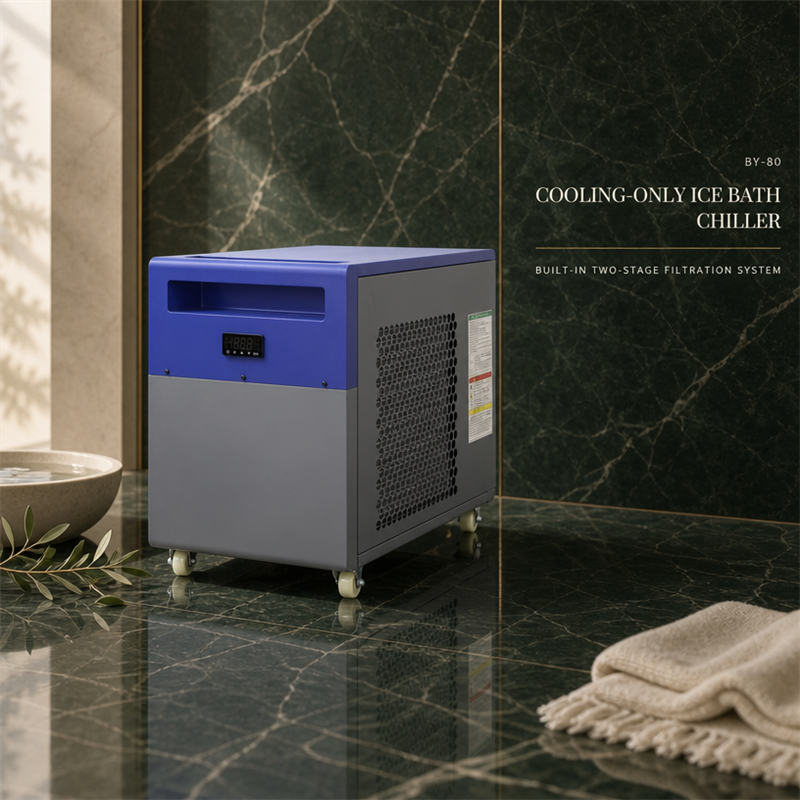
The comparison process involves assessing cooling capacity, temperature control precision, energy consumption, build quality, and service accessibility. Each cold plunge chiller system on the market serves different operational contexts and user volumes. Understanding the core technical specifications and operational characteristics ensures you invest in equipment that performs reliably during daily operation without unexpected downtime or performance degradation over time.
Key Performance Metrics for Cold Plunge Chiller Evaluation
Cooling Capacity and Temperature Control
Cooling capacity, typically measured in BTU or kilowatt ratings, determines how quickly a cold plunge chiller can reach target temperatures and maintain them during daily operation. A system rated for 2 to 5 horsepower handles different plunge volumes and usage patterns. Evaluate whether the chiller achieves your desired temperature range—most cold plunge systems operate between 45°F and 65°F—with precise thermostat control to prevent temperature fluctuations that compromise therapeutic benefits.
Temperature stability during daily operation matters significantly for user experience and equipment stress. Systems with digital controllers and automatic shut-off features reduce energy waste and protect the compressor from overworking. When comparing cold plunge chiller models, request specification sheets detailing temperature rise time, holding accuracy, and thermal consistency across extended usage periods. This information reveals which systems maintain reliability under continuous daily operation without performance drift.
Energy Efficiency and Operating Costs
Energy consumption directly impacts your operational budget and environmental footprint. Cold plunge chiller systems with high-efficiency compressors, quality insulation, and optimized refrigerant circuits consume significantly less electricity than older or poorly designed models. Compare the kilowatt-hour rating for each system during daily operation at full capacity and at partial load conditions, since most facilities don't run at maximum continuously.
Calculate estimated monthly electricity costs by multiplying the system's power draw by your local utility rates. A more expensive upfront investment in a highly efficient cold plunge chiller often pays for itself within 2 to 3 years through reduced energy bills. Premium models featuring inverter-driven compressors or variable-capacity cooling modulation adapt power consumption to actual demand, delivering superior efficiency during daily operation compared to fixed-speed alternatives.
Durability, Maintenance, and Long-Term Reliability
Build Quality and Component Standards
Durability during daily operation depends on component quality, corrosion resistance, and construction standards. Examine whether the cold plunge chiller frame uses stainless steel or epoxy-coated materials to withstand moisture, chlorine, and aggressive cleaning environments. Industrial-grade compressors, corrosion-resistant coils, and high-quality pumps extend equipment lifespan and reduce unplanned maintenance incidents during daily operation.
Request information about the manufacturer's quality certifications, testing protocols, and warranty terms. Systems that undergo rigorous factory testing before shipment and include comprehensive warranties signal manufacturing reliability. Compare the warranty duration—commercial-grade cold plunge chiller systems often include 2 to 5-year coverage on critical components—and verify whether local service technicians are available to support your facility if repairs become necessary.
Maintenance Requirements and Service Support
Regular maintenance schedules directly influence equipment reliability during daily operation. Simpler systems with accessible filter housings, drain valves, and component layouts require less technician time and lower service costs. Evaluate the cold plunge chiller's preventive maintenance checklist, which typically includes filter changes, refrigerant inspections, and pump servicing every 3 to 6 months depending on usage volume.
Service network accessibility matters significantly for facilities operating daily. Confirm whether the cold plunge chiller manufacturer maintains regional service centers or authorized technician networks in your area. Systems with readily available replacement parts, clear technical documentation, and responsive customer support minimize downtime and maintain operational reliability. Some manufacturers offer on-site technician training programs that help facility staff identify minor issues before they escalate into costly repairs during daily operation.
Practical Comparison Framework for Decision-Making
Matching System Capacity to Your Facility's Usage Profile
Different facilities require different cold plunge chiller specifications based on member count, session frequency, and daily operation patterns. A recovery center with 50 to 100 daily users needs more powerful cooling capacity than a boutique wellness studio with 10 to 15 users. Calculate your facility's peak cooling demand by estimating simultaneous plunge sessions and average water temperature rise during daily operation, then select a system rated 20 to 30 percent above baseline requirements to maintain performance consistency.
Undersized cold plunge chiller systems struggle during peak hours, failing to recover water temperature quickly between sessions. Oversized systems waste energy and capital investment. Request a detailed capacity analysis from manufacturers based on your specific usage projections. Some facilities benefit from modular systems that allow future expansion if daily operation grows, while others prioritize a single large-capacity cold plunge chiller for simplicity and reliability.
Budget Alignment and Total Cost of Ownership
Initial purchase price represents only part of the total cost of ownership for a cold plunge chiller. Calculate expected expenses across the system's operational lifespan, including installation, energy consumption, maintenance labor, replacement parts, and eventual disposal. Premium cold plunge chiller systems cost more upfront but often deliver lower operating costs and higher reliability during daily operation, reducing the total cost of ownership over 5 to 10 years.
Develop a spreadsheet comparing 3 to 4 leading models across these dimensions to identify the system offering optimal value for your situation. Factor in financing options, available rebates for energy-efficient equipment, and any local utility incentive programs that subsidize cold plunge chiller installation costs. Consultation with facility managers who operate similar systems provides valuable real-world perspective on which cold plunge chiller comparison factors matter most for reliable daily operation.
FAQ
What is the average lifespan of a commercial cold plunge chiller with proper maintenance?
A well-maintained cold plunge chiller typically operates reliably for 10 to 15 years with consistent daily operation. Quality construction, regular preventive maintenance, and prompt repairs when issues emerge extend equipment life significantly. Facilities that neglect maintenance or operate systems beyond rated capacity may experience failures within 5 to 7 years. Following the manufacturer's maintenance schedule and addressing minor issues immediately preserves your cold plunge chiller's reliability and performance.
How often should I service a cold plunge chiller used daily?
Daily operation facilities should schedule professional cold plunge chiller servicing every 6 months during peak seasons and annually during slower periods. Basic maintenance tasks—filter cleaning, water quality checks, visual inspections—should occur monthly or as recommended by the manufacturer. High-usage facilities might require quarterly deep cleaning and refrigerant system inspections to maintain reliability and prevent thermal efficiency decline during daily operation.
What factors most impact cold plunge chiller performance during continuous daily operation?
Water quality, ambient temperature, system load cycles, and maintenance consistency most significantly influence cold plunge chiller performance during daily operation. Chlorinated or salt-treated water requires regular filter maintenance to prevent buildup that reduces cooling efficiency. Facilities in hot climates may need additional cooling capacity than those in temperate regions. Balanced daily operation without sustained overload preserves compressor longevity and maintains consistent temperature control throughout the equipment's service life.
 EN