Creating a unified wellness environment that combines a cold plunge with a sauna represents one of the most effective approaches to modern health and recovery. Whether you're designing a commercial wellness facility, luxury spa, or private home wellness space, integrating these two contrasting therapies creates a powerful synergy that enhances the therapeutic benefits of each. The cold plunge and sauna work together through a principle known as contrast therapy, which alternates between extreme temperatures to stimulate circulation, reduce inflammation, and accelerate recovery.
The integration of a cold plunge and sauna in a single wellness space requires thoughtful planning, proper equipment selection, and strategic facility design. Understanding how these two modalities complement each other, and how to physically arrange them within your space, ensures users experience maximum therapeutic benefit while maintaining safety and comfort. This guide walks through the essential steps, design considerations, and practical strategies for successfully combining these wellness elements.
Understanding Contrast Therapy and Its Benefits
The Science Behind Alternating Temperatures
Contrast therapy leverages the body's natural response to temperature extremes. When users alternate between sauna heat and cold plunge immersion, their cardiovascular system responds dynamically. The sauna causes blood vessels to dilate and body temperature to rise, while the cold plunge triggers vasoconstriction and promotes parasympathetic nervous system activation. This repeated cycle strengthens vascular function, enhances blood flow, and optimizes oxygen delivery to muscles and tissues.
The physiological benefits of combining a cold plunge with sauna sessions include reduced muscle soreness, accelerated recovery after exercise, improved circulation, and decreased inflammation. Athletes, fitness enthusiasts, and wellness seekers increasingly recognize that contrast therapy produces superior results compared to using either modality alone. For facility operators, offering this integrated experience positions your wellness space as a premium health solution.
Recovery and Performance Enhancement
People use contrast therapy specifically for its recovery advantages. After intense training or physical exertion, alternating between a sauna and cold plunge stimulates lymphatic drainage and reduces delayed-onset muscle soreness. The temperature contrast activates mitochondrial function at the cellular level, improving energy production and nutrient absorption. This makes cold plunge and sauna combinations particularly valuable in sports recovery facilities, rehabilitation centers, and performance-focused wellness environments.
Facility Design and Layout Strategies
Spatial Planning and Equipment Placement
Effective facility design places the sauna and cold plunge in close proximity while maintaining safe, logical flow. Ideally, users transition directly from the sauna to the cold plunge without traveling through unconditioned spaces. This design minimizes temperature fluctuation, preserves the physiological benefits of contrast therapy, and enhances user experience. The recommended layout includes a preparation area, the sauna chamber, a brief transition zone, and the cold plunge pool immediately adjacent.
Facility design must also account for proper ventilation, electrical requirements, water systems, and drainage infrastructure. The sauna requires adequate air circulation and temperature controls, while the cold plunge demands reliable cooling systems and filtration. Consulting with specialists in wellness facility design ensures these systems integrate seamlessly. Space constraints vary, but even compact installations can successfully combine both modalities through vertical stacking or efficient spatial arrangement.
Infrastructure and Technical Considerations
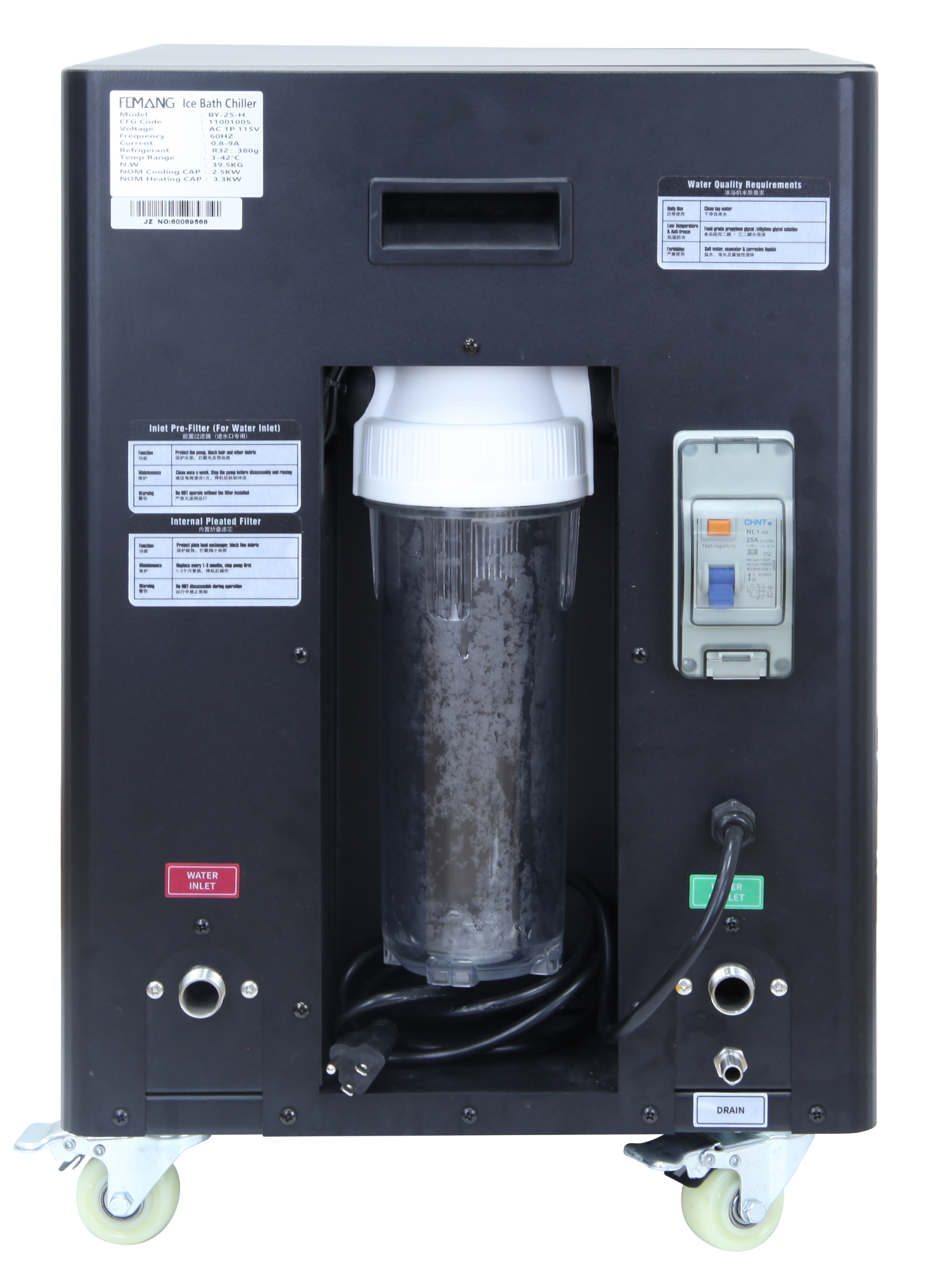
Installing a cold plunge requires dedicated cooling and filtration technology. Modern cold plunge systems use advanced chillers that maintain precise water temperatures between 40 and 60 degrees Fahrenheit. Your facility design must accommodate equipment space, electrical connections, and water supply lines. The sauna similarly demands proper electrical service, humidity management, and ventilation ducts. Both systems benefit from quality insulation to minimize energy waste and maintain consistent performance year-round.
Water quality management is critical when designing a combined wellness facility. Cold plunge water requires continuous filtration, circulation, and occasional treatment to prevent bacterial growth and maintain hygiene standards. Sauna humidity must be controlled to prevent structural damage and mold formation. Facility design should allocate space for mechanical rooms, equipment maintenance access, and future upgrades. Professional installation by contractors experienced in wellness facility design reduces costly mistakes and ensures compliance with local building codes and health regulations.
Operational Management and User Experience
Session Protocols and Safety Guidelines
A well-designed wellness space establishes clear session protocols that guide users through safe contrast therapy sequences. Typically, the recommended protocol begins with a sauna session lasting 10 to 20 minutes, followed by a 1 to 3 minute cold plunge immersion, then rest and recovery time. This cycle repeats two to three times per session. Facility staff must educate users on proper technique, duration, and frequency to prevent overexertion or temperature shock. Safety signage, staff training, and user orientation significantly impact the success of your integrated wellness space.
Age, health status, and fitness level all influence how individuals respond to contrast therapy. Your facility design should include comfortable spaces for rest between cycles, where users can cool down gradually and rehydrate. First-time users benefit from shorter, gentler sessions and professional guidance. Establishing clear guidelines about medical contraindications, pregnancy, heart conditions, and other health concerns protects user safety and reduces liability. Staff availability and emergency procedures form essential components of responsible facility operation.
Maintenance and Long-Term Performance
Operating a combined cold plunge and sauna facility demands consistent maintenance schedules. Cold plunge water systems require regular filter changes, chemical balance verification, and equipment inspections. Sauna facilities need wood maintenance, heating element checks, and ventilation system cleaning. Proper facility design includes scheduled downtime for deep cleaning and preventive maintenance. Documenting maintenance activities, equipment performance, and user feedback helps optimize long-term facility performance and prevents unexpected failures that disrupt user experience.
Energy efficiency becomes increasingly important when operating both a sauna and cold plunge continuously. Modern facility design incorporates insulation, automated controls, and energy-efficient equipment to minimize operational costs. Smart monitoring systems alert staff to equipment issues before they become expensive problems. Investing in quality facility design and equipment upfront reduces long-term operational expenses and extends the lifespan of your wellness installation.
FAQ
Can beginners safely use a combined cold plunge and sauna facility?
Yes, beginners can safely experience contrast therapy when facilities provide proper guidance and gradual introduction protocols. First-time users should start with shorter sauna sessions, warmer cold plunge temperatures, and longer rest periods between cycles. Clear safety instructions, staff supervision, and realistic expectations ensure positive experiences. Facilities should offer orientation sessions and adjust protocols based on individual health status and fitness level.
What is the ideal temperature range for cold plunge and sauna contrast therapy?
Effective contrast therapy typically uses a sauna temperature between 160 and 200 degrees Fahrenheit and a cold plunge temperature between 40 and 60 degrees Fahrenheit. This temperature differential creates optimal physiological stimulus without excessive shock. Individual preferences and health conditions may require adjustments within these ranges. Facility operators should maintain consistent water and air temperatures and provide temperature displays for user awareness.
How much space is required to successfully combine a cold plunge and sauna facility?
Compact wellness spaces can accommodate both a cold plunge and sauna in approximately 200 to 300 square feet. This includes the sauna chamber, cold plunge pool, transition areas, and mechanical equipment space. Premium facilities may allocate 500 to 1000 square feet to include comfortable lounges, changing areas, and multiple session zones. Facility design depends on your target users, expected capacity, and available infrastructure. Professional design consultation helps maximize benefits within your specific space constraints.
 EN