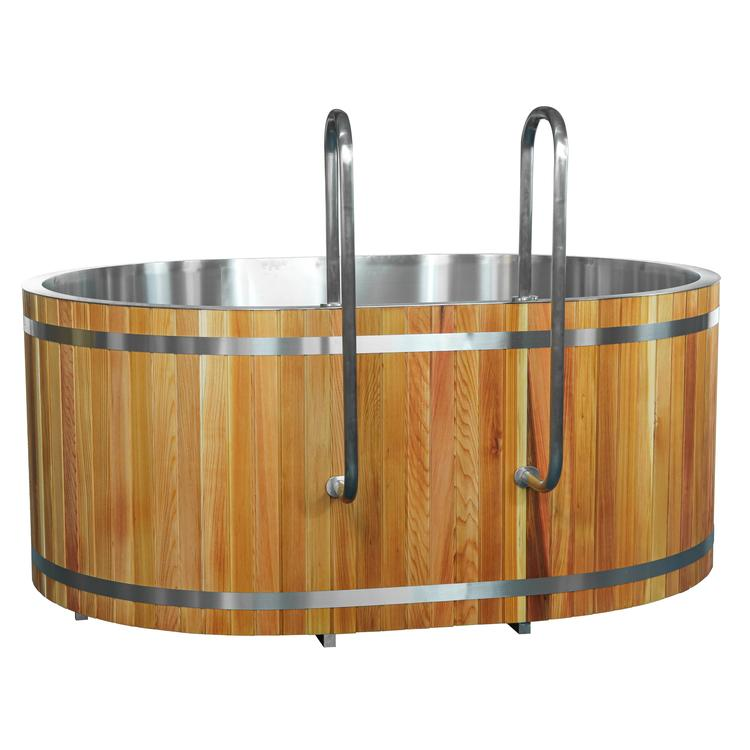
Selecting the right stainless steel bathtub for a multi-site wellness brand requires strategic thinking beyond basic aesthetics. When you operate multiple facilities, procurement decisions compound across locations, affecting operational budgets, maintenance protocols, guest experience consistency, and brand reputation. The durability, hygiene standards, and performance characteristics of your bathtub selection directly influence member satisfaction, staff efficiency, and long-term facility costs.
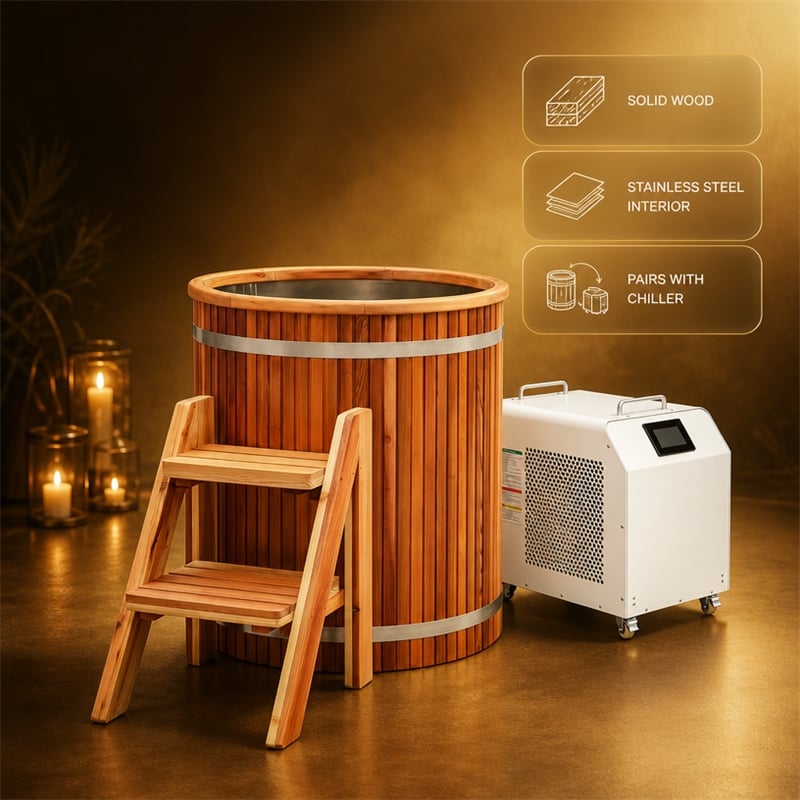
A wellness brand's multi-site environment demands bathtub solutions that scale efficiently while maintaining consistent quality across all locations. This procurement decision intersects facility design, guest safety, regulatory compliance, and financial planning. Understanding how to evaluate stainless steel bathtub options ensures your brand projects professionalism, invests wisely, and builds guest confidence in your wellness offerings.
Understanding Material Quality and Durability Standards
304 and 316 Stainless Steel Grades
Not all stainless steel bathtubs perform equally in high-traffic wellness environments. The grade of stainless steel directly determines corrosion resistance, longevity, and maintenance requirements across your multi-site locations. Grade 304 stainless steel offers excellent corrosion resistance for most wellness applications and represents the industry standard for bathtub construction. Grade 316 stainless steel provides superior chlorine and salt resistance, making it ideal for facilities with advanced water treatment systems or coastal locations.
Your procurement team must verify that bathtub specifications clearly identify the stainless steel grade used. This transparency ensures consistent quality across all multi-site installations and protects your long-term investment. Facilities receiving lower-grade materials risk premature deterioration, increased maintenance costs, and guest complaints about surface discoloration or pitting.
Thickness and Construction Methods
The thickness of stainless steel walls significantly impacts durability and sound dampening in wellness environments. Bathtubs constructed from 1.2 mm to 1.5 mm stainless steel provide superior strength compared to thinner alternatives, reducing noise during water filling and reducing dent risk from normal facility use. Welding quality directly affects both aesthetics and longevity—seamless or fully welded construction prevents water infiltration and eliminates corrosion starting points that compromise multi-site consistency.
When evaluating procurement options, request documentation about welding methods and surface finishing standards. Polished, brushed, and textured finishes offer different maintenance profiles; brushed finishes typically hide fingerprints and water spots better than mirror polishes, reducing cleaning labor across your multi-site locations.
Assessing Functional Requirements for Multi-Site Deployment
Capacity, Drainage, and Accessibility Features
A wellness brand operating multiple facilities must standardize bathtub dimensions and functionality to streamline staff training, maintenance protocols, and guest experience. Stainless steel bathtub selections should accommodate your target user base—whether therapeutic soaking, hydrotherapy, or cold immersion applications define your wellness offerings. Drainage systems require equal attention; commercial-grade drains with proper slope and trap sizing prevent standing water and bacterial growth that undermine hygiene standards across your multi-site network.
Accessibility features directly support inclusivity and regulatory compliance in wellness facilities. Grab bars, non-slip surfaces, and appropriate tub height reduce guest injury risk and demonstrate brand commitment to safety. Your multi-site procurement strategy should specify these accessibility requirements uniformly to ensure every location meets the same welcoming standards.
Water Treatment System Compatibility
Different stainless steel bathtub designs interact differently with various water treatment approaches—chlorine systems, ozone generators, saltwater alternatives, or mineral infusions. Your procurement process must align bathtub specifications with your existing or planned water treatment infrastructure across multi-site locations. Some stainless steel finishes prove more resistant to specific chemical treatments than others, and incompatibility can accelerate corrosion or create maintenance headaches.
Consult with your water treatment specialists during procurement to confirm that selected stainless steel bathtub models perform reliably under your specific chemical environment. Standardizing this across your wellness brand prevents guest experience inconsistencies and reduces troubleshooting complexity when facilities report quality issues.
Optimizing Procurement Strategy and Total Cost of Ownership
Vendor Evaluation and Supply Chain Reliability
A multi-site wellness brand's procurement process should prioritize vendor reliability, lead times, and after-sales support. Stainless steel bathtub suppliers serving hospitality and wellness sectors must demonstrate consistent quality, offer competitive volume pricing, and provide timely delivery across your facility locations. Request references from other multi-site operators and verify that vendors maintain sufficient inventory to support simultaneous installations or emergency replacements.
Your procurement team should establish clear specifications, performance standards, and warranty terms in vendor contracts. These contracts should address defect liability, shipping responsibilities, installation support, and spare parts availability—critical factors that protect your wellness brand's reputation and operational continuity across multiple sites.
Lifecycle Costs and Maintenance Planning
The lowest initial price rarely represents the best procurement decision for multi-site wellness operations. Total cost of ownership includes material expense, installation labor, routine maintenance supplies, repair frequency, and replacement timeline. Premium stainless steel bathtub options may cost more upfront but demonstrate superior durability, lower maintenance requirements, and extended service life that justify the investment across your multi-site network.
Develop standardized maintenance protocols and supply procurement schedules across all locations. Document typical replacement cycles, cleaning requirements, and drain maintenance procedures. This operational standardization reduces staff confusion, prevents quality inconsistencies, and enables your procurement team to negotiate bulk supply contracts for recurring maintenance materials, delivering cost savings over multi-site deployment timelines.
FAQ
What stainless steel grade should a multi-site wellness brand prioritize for bathtubs?
Grade 304 stainless steel represents the industry standard for wellness facility bathtubs, offering excellent corrosion resistance and cost-effectiveness across multi-site applications. Grade 316 provides enhanced chlorine and salt resistance and proves worthwhile for facilities in challenging environments, coastal regions, or those using aggressive water treatment systems. Your procurement decision should weigh your specific water chemistry, climate conditions, and budget constraints across your multi-site locations.
How does stainless steel bathtub thickness affect multi-site facility performance?
Thicker stainless steel (1.2 mm to 1.5 mm) provides superior durability, reduces audible noise during filling, resists denting from daily use, and maintains aesthetics longer across high-traffic wellness sites. Thinner materials save initial procurement costs but require more frequent maintenance, show damage more visibly, and may disappoint guests accustomed to premium facility standards. For multi-site wellness brands, standardizing on thicker construction protects consistent guest experience and reduces long-term facility costs.
What procurement factors ensure consistent bathtub quality across multiple wellness sites?
Standardize bathtub specifications, dimensions, drainage systems, and material grades across your multi-site locations through detailed procurement contracts with qualified vendors. Require clear documentation of construction methods, welding standards, and finish specifications. Establish performance testing requirements, conduct quality inspections upon delivery, and maintain spare parts inventory to address unexpected issues promptly. Regular audits of installed bathtubs across facilities ensure consistency and identify emerging maintenance patterns that inform future procurement decisions.
 EN