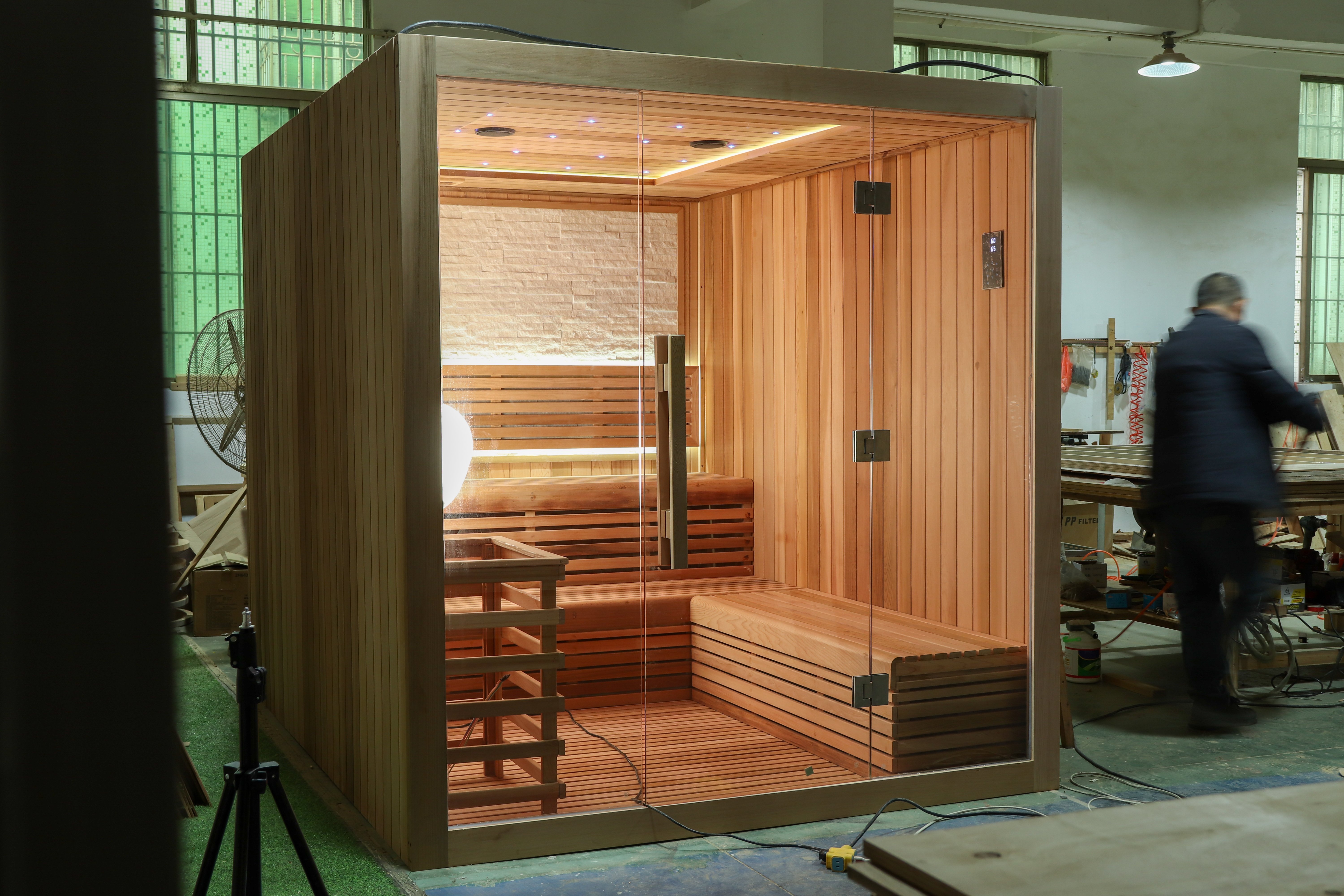
Selecting the right sauna rooms for a commercial spa requires careful planning and a clear understanding of your facility's needs, guest expectations, and operational goals. The decision extends far beyond simply purchasing equipment; it involves evaluating space constraints, energy efficiency, materials, and the overall guest experience you want to deliver. A well-chosen sauna setup can become one of your spa's signature offerings, driving repeat visits and enhancing your reputation in a competitive wellness market.

For any commercial spa owner or manager, the buyer guide process starts with understanding what makes sauna rooms effective in a professional setting. Unlike residential installations, commercial sauna rooms must handle higher traffic volumes, maintain consistent performance, and deliver measurable value to justify their investment. This guide walks you through the essential selection factors that separate a good decision from a costly mistake.
Understanding Your Commercial Spa's Sauna Needs
Assessing Guest Demographics and Usage Patterns
Your target clientele directly influences which sauna rooms will succeed in your facility. Luxury spas attract guests seeking premium materials and quiet, intimate spaces, while destination wellness resorts may require larger, multi-person sauna rooms that encourage social relaxation. Consider the age range, health consciousness level, and spending habits of your typical guest. Busy professionals may prefer quick 15-to-20-minute sessions, whereas wellness-focused visitors often spend 30 to 45 minutes in the sauna. Understanding these usage patterns helps you determine whether you need multiple smaller units, one large capacity sauna, or a combination approach for your commercial spa.
Defining Space and Layout Requirements
The physical space available in your commercial spa dictates which sauna room configurations are viable. Measure ceiling height, floor dimensions, and door clearances carefully. Remember that sauna rooms require adequate ventilation space, electrical connections, and drainage pathways that add to the footprint. A cramped installation compromises safety, reduces guest comfort, and may violate building codes. If your spa has limited square footage, consider compact sauna units designed for commercial settings. If you have generous space, you might install side-by-side sauna rooms or create themed wellness zones that include traditional saunas alongside steam rooms or relaxation areas.
Key Selection Criteria for Sauna Rooms
Material Quality and Durability
The construction materials of your sauna rooms directly impact longevity, maintenance costs, and guest satisfaction. Premium sauna rooms typically feature high-grade softwoods like spruce, hemlock, or cedar for their naturally superior heat retention and resistance to humidity damage. Commercial-grade sauna rooms must withstand constant temperature fluctuations and high moisture levels without warping, cracking, or deteriorating. Stainless steel or aluminum interior fixtures, quality glass doors, and reinforced benches signal durability. Avoid overly cost-reduced models with thin wood panels or plastic components; these fail quickly under commercial usage and damage your spa's reputation. When evaluating materials for your buyer guide, prioritize proven commercial sauna brands known for longevity and warranty support.
Heating System and Energy Efficiency
The heating mechanism defines performance, operating costs, and reliability of your sauna rooms. Electric heaters are the most common choice for commercial spas, offering consistent heat control, easy installation, and lower maintenance than wood-burning alternatives. Modern sauna rooms feature programmable thermostats that maintain optimal temperatures between 160 and 200 degrees Fahrenheit, balancing guest comfort with energy efficiency. Inquire about heat recovery systems or insulation upgrades that reduce energy consumption—particularly important for a commercial spa running multiple sessions daily. Calculate the long-term cost of operation, not just the initial purchase price. A higher-efficiency sauna room saves thousands in utility bills over its ten-to-fifteen-year lifespan.
Safety Features and Regulatory Compliance
Commercial sauna rooms must meet building codes, fire safety standards, and accessibility regulations specific to your region. Essential safety features include emergency exit mechanisms, proper ventilation systems, non-slip flooring, and temperature limiting devices that prevent overheating. Sauna rooms intended for public use require regular maintenance logs, posted safety instructions, and certified installation. Working with a reputable supplier ensures your sauna rooms include necessary certifications and come with documentation for compliance. Never cut corners on safety; a single incident can result in liability claims and reputation damage to your commercial spa.
Optimizing the Guest Experience
Aesthetics and Brand Alignment
Your sauna rooms are visual and sensory anchors of your commercial spa's brand identity. The interior design, lighting, music integration, and ambient temperature all contribute to the guest experience. Modern sauna rooms offer chromotherapy lighting, sound systems, and custom wood selections that align with your spa's wellness philosophy. Consider whether your brand emphasizes minimalist Scandinavian design, luxurious finishes, or nature-inspired aesthetics. Sauna rooms that reflect your spa's visual language create a cohesive, memorable experience that encourages guests to recommend your facility to others.
Capacity and Occupancy Management
Selecting the right capacity for your sauna rooms balances revenue potential with comfort and safety. A four-to-six-person sauna room generates higher throughput than a two-person private unit, but guests may prefer intimate settings. Many commercial spas benefit from mixed offerings: private sauna rooms for couples or individuals, and larger units for group bookings or membership communities. Calculate expected daily usage, pricing per session, and peak demand hours to determine the optimal capacity mix. This buyer guide principle ensures your sauna room investment aligns with your revenue model and guest preferences.
FAQ
What size sauna rooms work best for a commercial spa?
The ideal size depends on your target market and space constraints. Most commercial spas benefit from a mix: private sauna rooms accommodating two to four guests for couples and individuals, plus a larger six-to-eight-person unit for group bookings. Ensure adequate ventilation and cooling zones outside the sauna rooms to manage high traffic safely.
How often should commercial sauna rooms require maintenance?
Commercial sauna rooms need daily cleaning, weekly deep sanitization, and professional inspections quarterly. Heating elements, ventilation systems, and wood surfaces should be checked regularly. Proper maintenance schedules keep your sauna rooms hygienic, safe, and operating at peak performance, protecting your investment and your guests.
Can sauna rooms improve the profitability of my commercial spa?
Yes, well-chosen sauna rooms enhance profitability by differentiating your commercial spa, supporting premium pricing, increasing session length, and driving membership growth. Guests perceive sauna offerings as high-value amenities, making them willing to pay more for spa packages. Additionally, sauna rooms require minimal ongoing staffing compared to treatment services, improving your spa's operational margins.
 EN