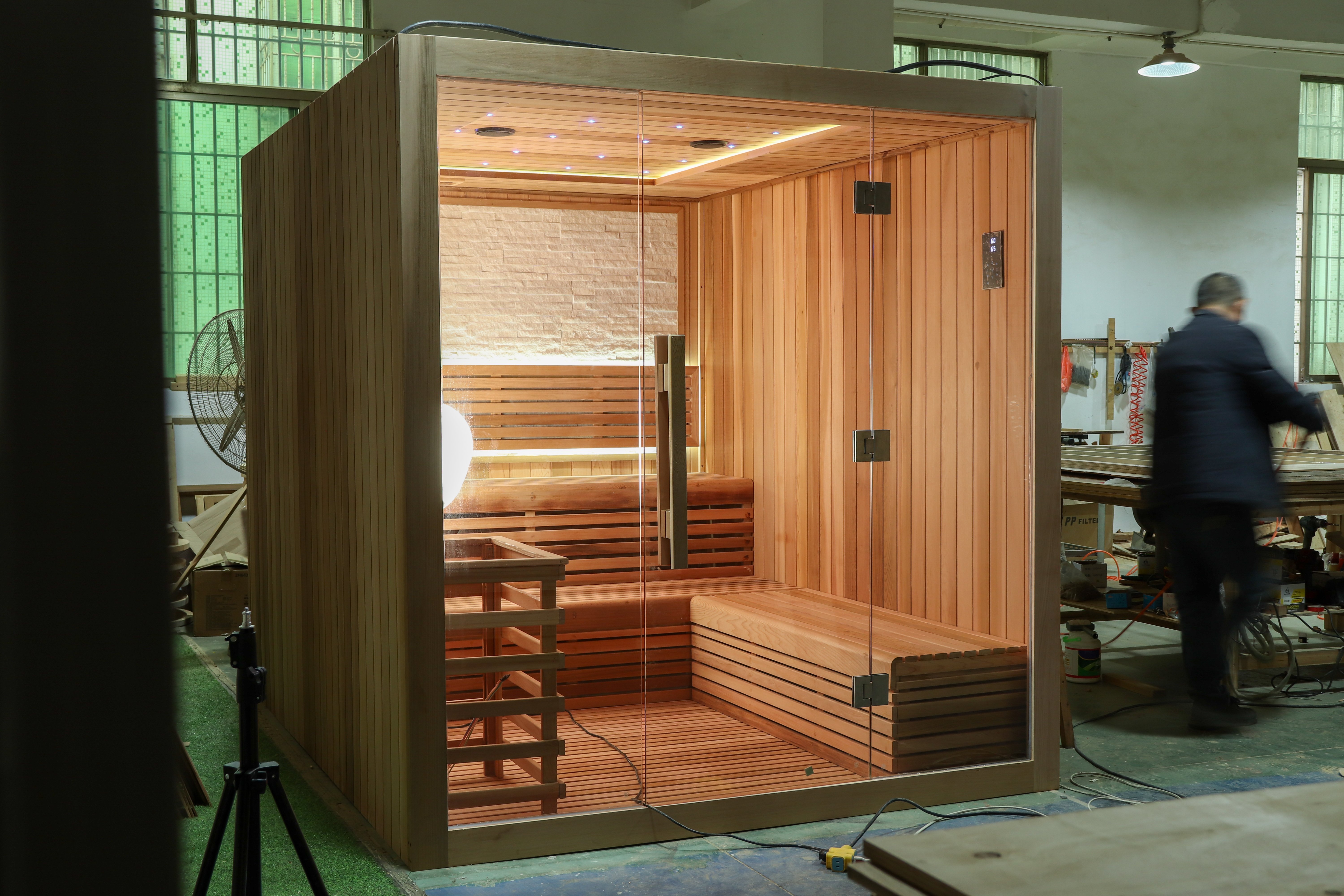
Selecting the right sauna for your recovery center is a critical decision that directly impacts member satisfaction, operational efficiency, and long-term profitability. Whether you operate a fitness facility, wellness spa, or athletic recovery center, the sauna you choose must balance quality construction, therapeutic effectiveness, energy efficiency, and user experience. The wrong selection can lead to frequent maintenance issues, poor member retention, and wasted capital investment. This guide walks you through the essential factors to evaluate when choosing a sauna for commercial use in your recovery center environment.
A recovery center's sauna serves as a cornerstone amenity for members seeking post-workout recovery, muscle relaxation, and wellness benefits. The selection process requires understanding both the technical specifications and the practical operational demands of commercial environments. Unlike residential saunas, commercial-grade equipment must handle frequent use, accommodate multiple users daily, comply with building codes, and maintain consistent performance under intensive conditions. This comprehensive approach ensures your recovery center investment delivers measurable value and supports your competitive positioning in the wellness market.
Understanding Your Recovery Center's Sauna Needs
Capacity and Space Requirements
The first step in selection for your recovery center is determining the appropriate capacity based on your facility's size, member base, and usage patterns. A recovery center serving active athletes requires different sauna capacity than one focused on general wellness clients. You should calculate peak usage hours, estimate simultaneous user demand, and plan for growth over the next three to five years. Most commercial recovery centers benefit from sauna options accommodating four to eight persons, allowing efficient member throughput during peak times. Space constraints within your facility will also influence whether you choose a modular unit, a built-in installation, or multiple smaller saunas distributed across your recovery center layout.
Member Demographics and Experience Level
Understanding your recovery center's member base shapes the sauna type and features that will generate the highest satisfaction and utilization rates. Younger athletes accustomed to intensive sauna experiences may prefer traditional high-temperature models reaching 180–200°F, while diverse demographic groups often benefit from infrared options offering gentler therapeutic heat. Consider whether your recovery center members include elderly clients, rehabilitation patients, or individuals with heat sensitivity, as this influences temperature control requirements and safety feature prioritization. The sauna you select should align with your recovery center's positioning and member wellness goals, whether that's athletic performance recovery, medical rehabilitation, or holistic wellness promotion.
Types of Sauna Systems for Commercial Use
Traditional Finnish Saunas
Traditional saunas remain the gold standard in commercial recovery centers, delivering authentic high-heat therapy through wood-burning or electric stoves that heat rocks to extreme temperatures. When selecting a traditional sauna for commercial use, prioritize stainless steel construction for durability, superior insulation for energy efficiency, and commercial-grade heaters rated for continuous operation. Traditional saunas typically operate between 160–200°F with low humidity, creating the classic sauna experience that many members expect. For recovery centers, a traditional sauna installation demonstrates commitment to therapeutic quality and often becomes a signature member amenity. The wood-fired aesthetic also enhances recovery center ambiance, though electric models offer more reliable temperature consistency and easier maintenance in busy commercial environments.
Infrared Sauna Solutions
Infrared saunas represent an increasingly popular selection for recovery centers seeking energy-efficient alternatives that operate at lower temperatures around 120–150°F while delivering deep tissue penetration benefits. These systems use infrared heaters to warm the body directly rather than heating surrounding air, reducing operational costs while potentially broadening your recovery center's appeal to temperature-sensitive members. Infrared sauna selection for commercial use involves evaluating heater quality, carbon versus ceramic panel durability, and controls sophistication. Many recovery centers successfully operate both traditional and infrared options to serve diverse member preferences and therapeutic needs. The lower operating temperature also reduces strain on HVAC systems and building infrastructure within your recovery center facility.
Critical Specifications and Commercial Performance Factors
Material Durability and Construction Quality
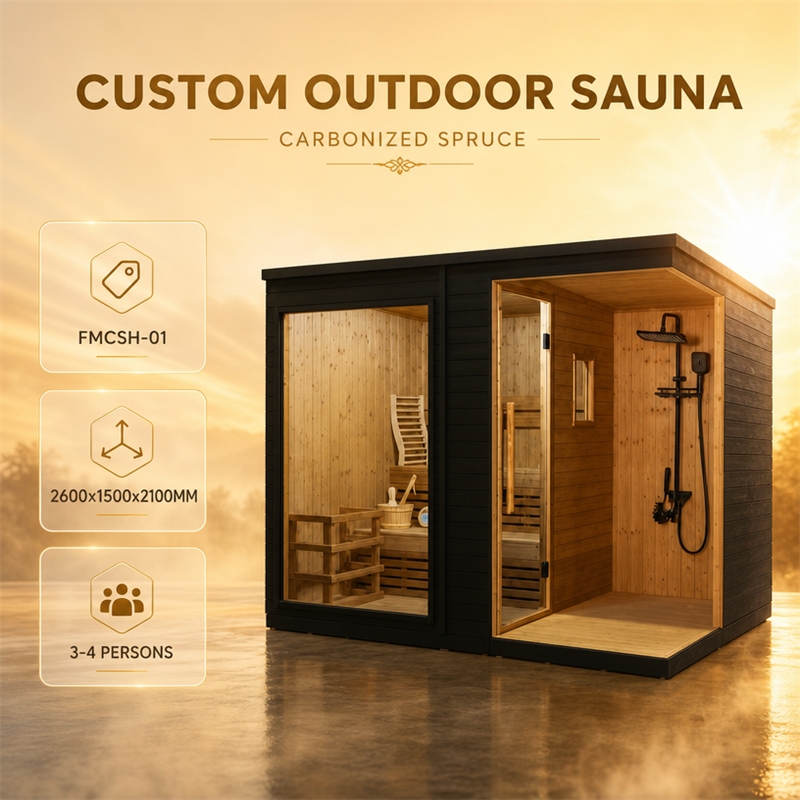
When evaluating sauna options for your recovery center, construction quality determines equipment lifespan and maintenance frequency. Commercial-grade sauna installations require superior wood conditioning, stainless steel fixtures resistant to corrosion, and heaters engineered for intensive daily use. Avoid budget models with untreated wood or low-grade materials that deteriorate rapidly under commercial conditions. Carbonized wood offers superior water resistance and longevity compared to standard timber, making it ideal for recovery centers in humid climates or high-traffic environments. Verify that your sauna selection includes proper ventilation systems, drainage provisions, and hygienic flooring that withstands constant moisture exposure typical of busy recovery center operations.
Energy Efficiency and Operating Costs
Operating expenses significantly impact your recovery center's profitability, making energy efficiency a crucial selection criteria for sauna equipment. Modern commercial saunas incorporate advanced insulation, programmable temperature controls, and energy-recovery systems that reduce electricity consumption substantially compared to older models. Calculate the annual operating cost differences between sauna types during your selection process, as efficient equipment often recovers its premium purchase price within three to five years. Look for recovery center sauna systems with standby modes, timer functions that prevent unnecessary heating, and insulation ratings that maintain temperature stability with minimal heater activation.
Safety Features and Compliance Standards
Your recovery center's sauna selection must meet local building codes, electrical standards, and safety regulations protecting members and reducing liability exposure. Commercial-grade equipment should include emergency shut-off controls, temperature limiters preventing excessive heat buildup, adequate ventilation preventing harmful gas accumulation, and non-slip surfaces reducing fall risk. Verify that your sauna selection includes certified electrical components, proper grounding systems, and construction that complies with local health department standards for commercial wellness facilities. Many recovery centers benefit from installing clear safety signage, providing member orientation on proper sauna use, and establishing maintenance protocols ensuring continued safe operation.
Implementation and Operational Considerations
Installation Requirements and Site Preparation
Before finalizing your recovery center sauna selection, conduct thorough site assessment addressing electrical capacity, structural support, ventilation infrastructure, and utility connections. Some commercial saunas require dedicated circuits delivering 200+ amps, substantial foundation reinforcement, and professional HVAC integration that impacts total installation cost. Prefabricated modular sauna designs often simplify recovery center installations, while custom-built options maximize space utilization but require longer planning timelines. Coordinate with your facility's maintenance team and building management to confirm that your recovery center infrastructure supports the selected sauna's electrical, plumbing, and environmental requirements without compromising system reliability.
Maintenance Planning and Member Training
Successful sauna operation in your recovery center depends on establishing consistent maintenance routines and educating members about proper usage practices. Your selection should include accessible stove components, removable rock baskets simplifying cleaning, and drainage systems preventing water accumulation and bacterial growth. Create member guidelines addressing appropriate session duration, hydration importance, and contraindications for certain health conditions common in recovery center populations. Establish a maintenance log tracking heater performance, temperature consistency, and any repairs, ensuring your sauna selection continues delivering reliable member experiences throughout its operational lifespan.
FAQ
What size sauna works best for a mid-sized recovery center?
Most mid-sized recovery centers serving 500–1500 active members benefit from a four to six-person sauna capacity, allowing efficient member access during peak hours without requiring excessive installation space. If your recovery center experiences extreme peak-time congestion, consider installing two smaller units rather than one large sauna, providing operational flexibility and reducing downtime impact if maintenance becomes necessary. Your specific choice depends on your facility layout, member demographics, and usage patterns observed during initial needs assessment for your recovery center.
How do I decide between traditional and infrared sauna selection for commercial use?
Your selection between traditional and infrared saunas should reflect your recovery center's member preferences, energy budget, and wellness positioning. Traditional saunas offer authentic high-heat therapy preferred by experienced sauna users and athletes, while infrared options provide energy-efficient performance and broader appeal to temperature-sensitive populations. Many recovery centers successfully operate both types, allowing members to choose their preferred experience and maximizing sauna utilization throughout your recovery center facility.
What budget should I allocate for commercial sauna installation at my recovery center?
Quality commercial sauna installations typically range from $8,000 to $25,000 depending on size, materials, and site requirements specific to your recovery center. Budget an additional 20–30% for site preparation, electrical upgrades, ventilation installation, and professional assembly ensuring proper commercial-grade performance. Although substantial, this investment typically delivers positive ROI through improved member retention, premium service differentiation, and healthy operational margins within your recovery center business model over a five to ten-year horizon.
 EN