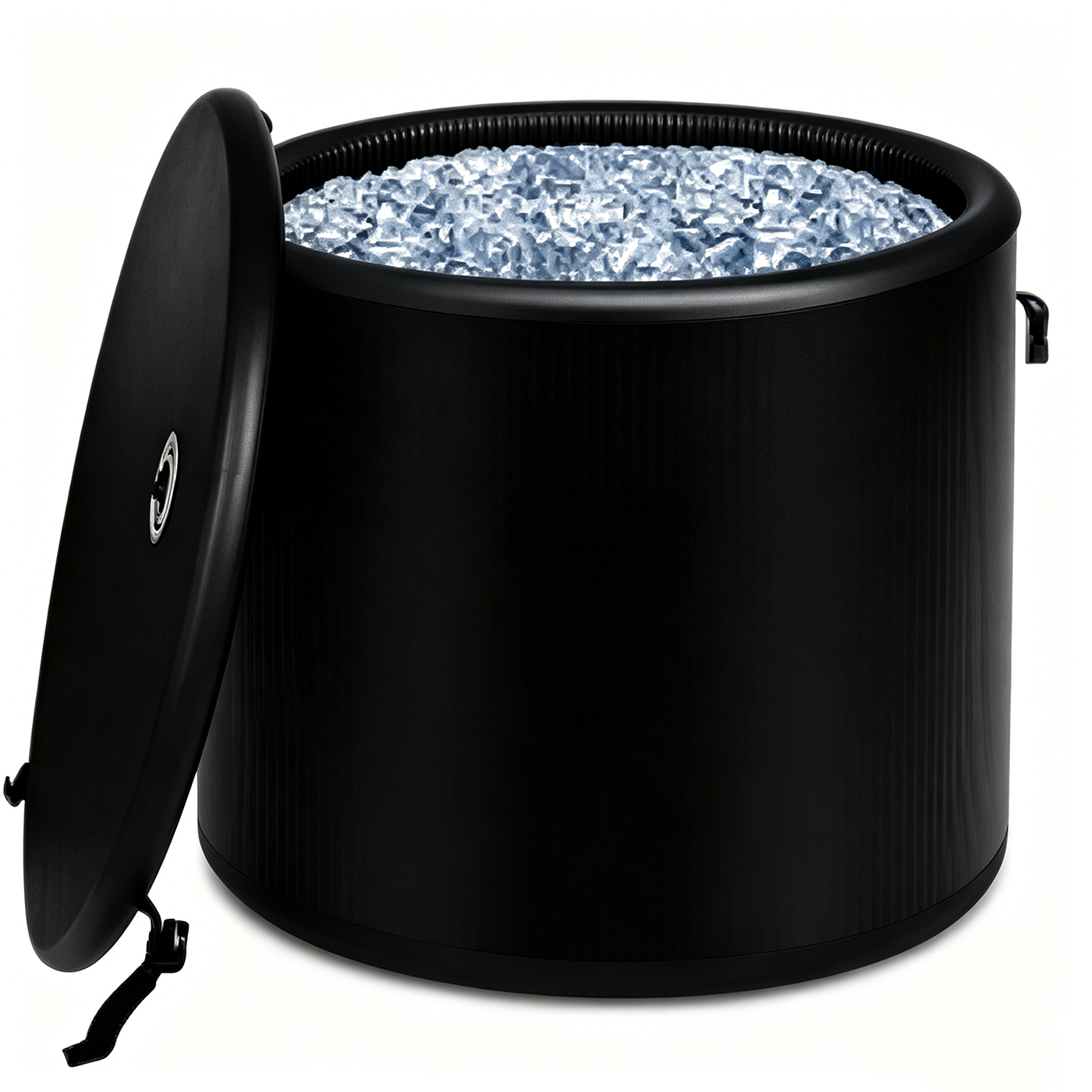
Selecting the right ice bath tub for a sports recovery center requires careful evaluation of multiple factors that directly impact athlete performance, facility efficiency, and long-term operational costs. An ice bath tub is not simply a cold container—it is a specialized piece of equipment designed to accelerate muscle recovery, reduce inflammation, and prepare athletes for peak performance. The decision to invest in specific ice bath tubs will influence how effectively your recovery center serves its clients and competes within the growing sports recovery market.
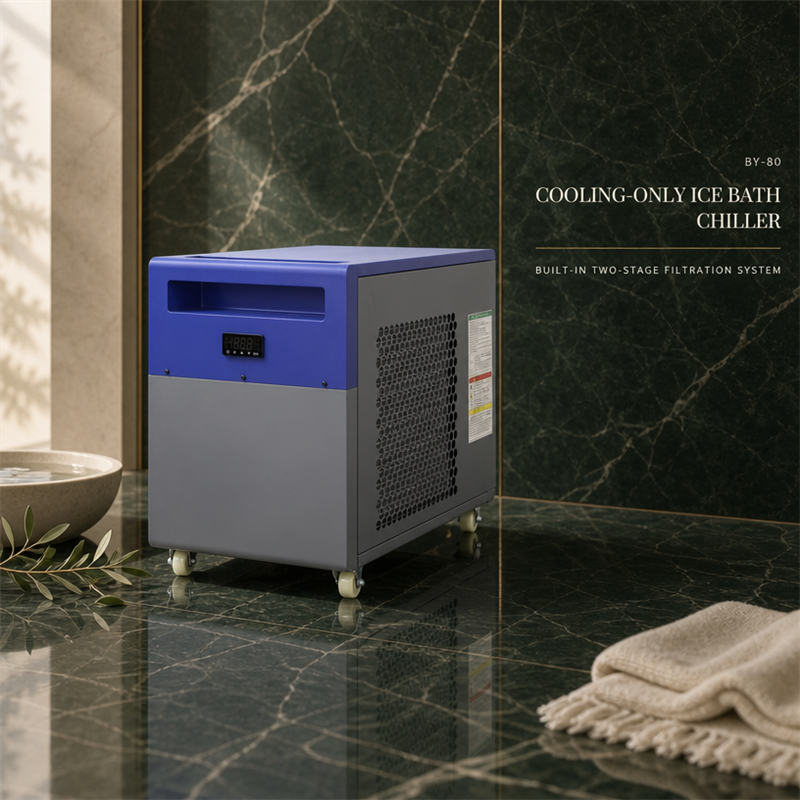
The process of choosing an ice bath tub involves understanding your recovery center's specific needs, athlete volume, budget constraints, and technical specifications. Whether you operate a small training facility or a comprehensive sports recovery center, the right ice bath tub selection will ensure consistent water temperatures, reliable performance, and client satisfaction. This guide walks you through the critical factors that should inform your decision-making process.
Understanding Your Recovery Center's Requirements
Assess Your Athlete Volume and Usage Patterns
Start by estimating daily athlete volume and usage frequency. A center serving 20–30 athletes weekly differs from one handling 100+ daily. High-volume facilities need larger or multiple tubs to reduce waiting and maintain water temperature. Review peak hours and session duration when choosing unit capacity.
Define Your Budget and Operational Constraints
Ice bath tub pricing varies significantly based on capacity, chiller power, insulation quality, and advanced features. Budget considerations extend beyond the initial purchase price to include installation costs, electrical requirements, ongoing maintenance, and energy consumption. Many recovery centers allocate 15–25% of their equipment budget to cold therapy solutions. Establishing a realistic budget range early will narrow your options and prevent decision paralysis when evaluating competing features and specifications.
Key Technical Specifications for Ice Bath Tub Selection
Cooling Power and Temperature Control Precision
The cooling capacity of an ice bath tub determines how quickly it reaches target temperatures and maintains them during peak usage. Premium ice bath tubs feature powerful chillers that cool water to 32–50 degrees Fahrenheit within 20–40 minutes, depending on water volume and ambient conditions. Look for models with precise digital temperature controls that allow adjustments within 1–2 degree increments, ensuring consistency across multiple sessions. A high-performance ice bath tub should recover to your target temperature within 15–20 minutes between athlete sessions, even during high-volume periods.
Water Capacity and Athlete Comfort
Capacity directly impacts both comfort and operational efficiency. Standard ice bath tubs range from 300 to 800 liters, with larger models accommodating full-body immersion for multiple athletes. A sports recovery center should prioritize an ice bath tub large enough for athletes to submerge up to their shoulders or neck, typically requiring at least 400–600 liters for single-athlete use. Larger recovery centers benefit from spacious designs that allow simultaneous use by 2–3 athletes or sequential use without requiring extended cool-down periods between sessions.
Durability and Material Quality
Quality materials determine an ice bath tub's lifespan and maintenance requirements. Premium models feature marine-grade acrylic, high-density polyethylene, or fiberglass construction that resists cracks, discoloration, and degradation from constant water circulation and temperature cycling. The best ice bath tubs include stainless steel fittings, reinforced drain systems, and multi-layer insulation that reduces energy consumption while maintaining stable water temperatures. Recovery centers should expect a quality ice bath tub to operate reliably for 7–10 years with minimal maintenance when properly installed and cared for.
Advanced Features and Operational Benefits
Automated Control Systems and Monitoring
Smart controls monitor temperature, session time, and equipment performance. Digital interfaces support remote adjustments, timers, and maintenance alerts. Some models also record recovery sessions through mobile apps, reducing staff workload and supporting consistent procedures.
Drainage, Filtration, and Sanitation Features
An effective ice bath tub must include efficient drainage systems, water filtration, and sanitation capabilities to meet health and safety standards. Look for models with accessible drain plugs, sediment traps, and optional circulation filters that remove debris and maintain water clarity. Some recovery centers prefer systems with integrated UV sterilization or ozone treatment that reduce bacterial growth without harsh chemicals. Regular maintenance protocols for your ice bath tub should include weekly draining, filter cleaning, and monthly deep sanitation to protect athlete health and extend equipment lifespan.
Noise Level and Installation Flexibility
Compressor noise from chiller systems can range from 45 to 75 decibels depending on the model. A sports recovery center located near client waiting areas or offices benefits from quieter ice bath tub systems that operate below 60 decibels. Installation flexibility includes options for indoor placement, outdoor setups, and configurations that accommodate existing facility layouts. Premium ice bath tubs offer modular designs, adjustable feet for uneven floors, and optional sound dampening enclosures that integrate seamlessly into various recovery center environments.
Comparing Energy Efficiency and Operating Costs
Power Consumption and Energy Efficiency Ratings
Energy consumption significantly impacts the total cost of ownership for an ice bath tub. Standard models consume 3–7 kW per hour during active cooling cycles, translating to $30–60 monthly for typical recovery center usage patterns. High-efficiency ice bath tubs use advanced insulation and variable-speed compressors to reduce energy consumption by 20–30% compared to basic models. Over a 7–10 year lifespan, energy-efficient systems can save recovery centers thousands of dollars while reducing their environmental footprint. When evaluating ice bath tub options, request energy consumption specifications and calculate projected monthly utility costs based on your facility's usage patterns.
Long-Term Maintenance and Support Requirements
Quality ice bath tub manufacturers provide comprehensive support, including warranty coverage, replacement parts availability, and technical troubleshooting. Premium systems typically include 2–5 year warranties covering compressor, chiller components, and structural integrity. Recovery centers should verify that replacement parts remain available for at least 7–10 years and that manufacturer support staff are responsive and knowledgeable. Choosing an ice bath tub from established manufacturers with strong customer service networks ensures your recovery center can quickly resolve any technical issues that affect athlete sessions.
Implementation and Staff Training Considerations
Installation Requirements and Site Preparation
Professional installation of an ice bath tub typically requires 4–8 hours and involves electrical connections, water supply lines, drainage systems, and safety testing. Most recovery centers require 20-amp or 30-amp dedicated electrical circuits, depending on the ice bath tub's power requirements. The area should include adequate ventilation for the chiller unit, access for maintenance, and proper flooring to handle water spillage. Before purchasing, consult with qualified installers about your facility's infrastructure and any modifications needed to accommodate your chosen ice bath tub.
Staff Training and Protocol Development
Staff need training in operation, safety, and maintenance. They should understand temperature settings, session timing, emergencies, and basic troubleshooting. Develop written guidelines covering usage, contraindications, and maintenance schedules to support safe operation across shifts.
FAQ
What is the ideal water temperature for an ice bath tub in a sports recovery center?
Most sports recovery centers operate ice bath tubs at 32–50 degrees Fahrenheit, with 50–58 degrees being suitable for beginners and injured athletes. Elite athletes often use colder temperatures around 35–40 degrees Fahrenheit for 10–15 minute sessions to maximize inflammation reduction. The optimal temperature depends on the athlete's experience with cold therapy, health status, and specific recovery goals. Your recovery center staff should adjust temperatures based on individual athlete feedback and any recommendations from sports medicine professionals.
How many ice bath tubs does a recovery center need?
A sports recovery center serving 30–50 athletes daily typically requires one large-capacity ice bath tub or two medium-sized units to accommodate demand without excessive wait times. High-volume facilities with 100+ daily users benefit from 3–5 dedicated units distributed across multiple rooms to allow simultaneous sessions and reduce operational bottlenecks. Consider your peak usage hours, average session duration, and recovery tub temperature recovery time when determining the optimal number of units for your recovery center.
What is the typical cost of quality ice bath tubs for commercial recovery centers?
Quality ice bath tubs for sports recovery centers range from $3,000 to $12,000 per unit depending on capacity, chiller power, and advanced features. Entry-level models start around $3,000–$5,000, mid-range professional systems cost $5,000–$8,000, and premium models with smart controls and high efficiency exceed $8,000–$12,000. When evaluating cost, factor in installation, electrical upgrades, maintenance expenses, and energy consumption over the ice bath tub's expected 7–10 year lifespan to calculate true cost of ownership.
 EN