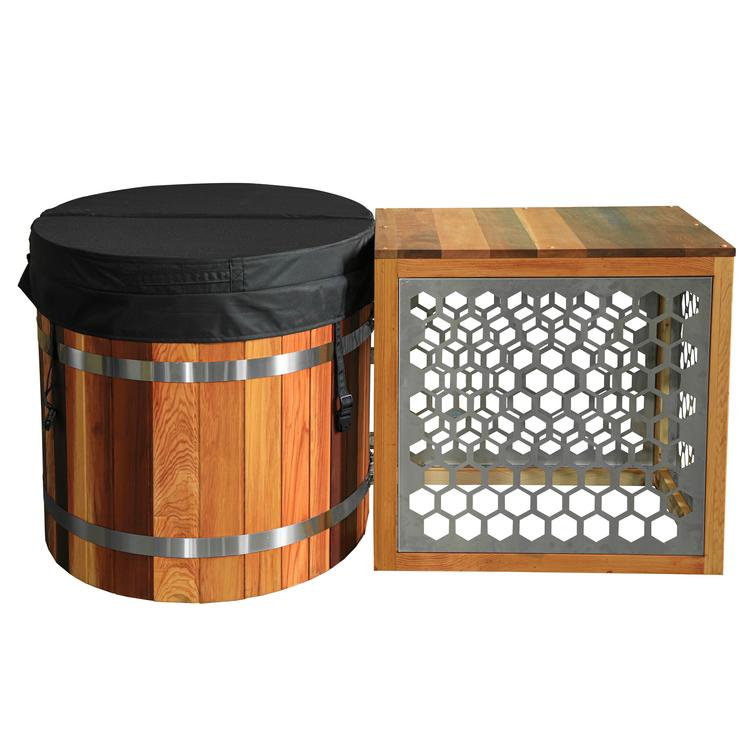
Selecting the right stainless steel bathtub for a wellness project requires careful consideration of material quality, design specifications, and functional requirements. Whether you are designing a spa facility, a luxury residential retreat, or a therapeutic wellness center, the bathtub serves as a cornerstone investment that directly impacts user experience and operational longevity. Understanding the key factors that define a superior stainless steel bathtub ensures that your wellness project delivers both performance and lasting value.
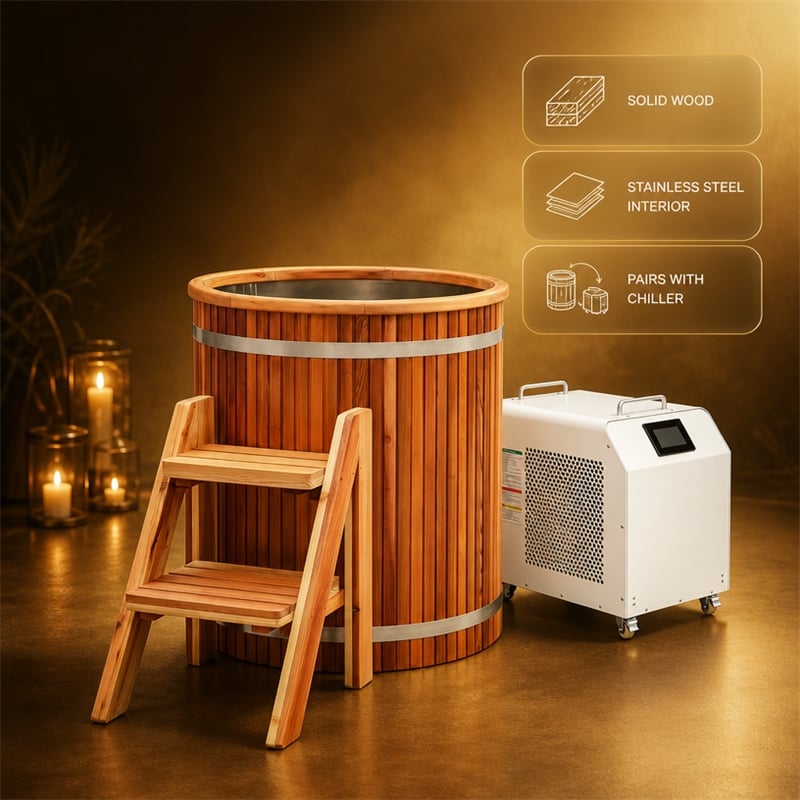
A well-executed wellness project depends on equipment that balances aesthetic appeal with reliable functionality. The buyer guide for selecting a stainless steel bathtub addresses material grades, thermal properties, maintenance demands, and integration with existing facilities. This selection process is not simply about cost or appearance; it reflects your commitment to user safety, comfort, and the long-term viability of your wellness initiative.
Material Grade and Construction Quality
Understanding Stainless Steel Grades
The grade of stainless steel directly affects corrosion resistance, durability, and maintenance requirements. Grade 304 stainless steel is the industry standard for wellness and hospitality applications, offering excellent resistance to chlorine, saltwater, and chemical exposure common in therapeutic environments. Grade 316 stainless steel provides enhanced resistance and is preferred in coastal or highly corrosive settings, though it carries a higher cost. When evaluating a stainless steel bathtub, always verify the exact grade specification from the manufacturer, as this single factor determines long-term performance and warranty coverage.
Thickness and Structural Integrity
Wall thickness directly correlates with durability and thermal retention. A quality stainless steel bathtub typically features walls between 1.2 and 2.0 millimeters, providing structural rigidity without unnecessary weight. Thinner materials may flex under water load, creating stress points and potential failure zones over time. For a wellness project that will see frequent use, thicker construction minimizes noise, vibration, and the need for costly repairs. Inspect weld seams carefully; they should be smooth, continuous, and reinforced to prevent leakage and stress fractures.
Thermal Performance and Design Considerations
Heat Retention Properties
Stainless steel conducts heat efficiently, which is both an advantage and a challenge for wellness applications. While this thermal conductivity allows rapid heating, it also means water cools faster than in alternative materials. A buyer guide for selection should address insulation options, such as exterior cladding or foam wrapping, that maintain water temperature during extended use. Some designs incorporate internal thermal breaks or jackets to slow heat loss, directly improving user comfort and reducing energy consumption in your wellness project.
Ergonomic and Aesthetic Design
The shape, depth, and entry design of a stainless steel bathtub significantly impact user experience. Wellness facilities benefit from designs that support proper posture, minimize strain on joints, and offer intuitive access. Depth typically ranges from 600 to 1000 millimeters; deeper tubs provide immersion comfort while shallower designs improve safety for elderly or mobility-limited users. Curved interiors reduce sharp angles, and sloped seating areas accommodate various body types. Aesthetic finishes—brushed, mirror-polished, or textured—should align with your wellness project's design vision while maintaining slip-resistance where needed.
Practical Selection and Installation Factors
Drainage, Plumbing Integration, and Maintenance
A superior stainless steel bathtub incorporates well-engineered drainage and plumbing connections that simplify installation and reduce maintenance burdens. Verify that overflow ports are properly sealed and accessible for cleaning, as mineral deposits and biofilm accumulation are common in wellness settings. Sloped floor designs ensure complete drainage without pooling, which prevents stagnant water and bacterial growth. When executing your wellness project selection process, coordinate plumbing specifications with your facility's water treatment system, as this integration impacts both functionality and long-term operational costs.
Warranty, Support, and Buyer Guide Resources
Reputable manufacturers of stainless steel bathtubs provide comprehensive warranties that reflect confidence in their product quality. A strong buyer guide should include clarification on what defects and issues the warranty covers, typical coverage periods, and the process for claims or replacement. Beyond the warranty, confirm that the manufacturer offers technical support, replacement parts availability, and detailed maintenance documentation. For a wellness project investment, these support elements protect your long-term operational continuity and reduce unexpected downtime or repair expenses. Request references from other facilities using the same bathtub model to validate real-world performance and user satisfaction.
FAQ
What grade of stainless steel is best for a wellness project bathtub?
Grade 304 stainless steel is the recommended standard for most wellness applications due to its excellent corrosion resistance and cost-effectiveness. Grade 316 offers superior protection in harsh chemical or coastal environments but at increased expense. Always confirm the exact grade specification when making your selection for your wellness project.
How thick should the stainless steel walls be for durability?
Wall thickness between 1.2 and 2.0 millimeters is ideal for a quality stainless steel bathtub. Thicker walls provide better structural integrity, improved thermal retention, and reduced noise, all of which enhance the user experience in a wellness project setting.
How do I maintain a stainless steel bathtub in a wellness facility?
Regular cleaning with pH-neutral or mild stainless steel-specific cleaners prevents buildup and maintains finish quality. Avoid abrasive scrubbers that can scratch the surface. Ensure proper drainage and water treatment to prevent mineral deposits. A buyer guide should include manufacturer-recommended maintenance protocols specific to your stainless steel bathtub model.
 EN