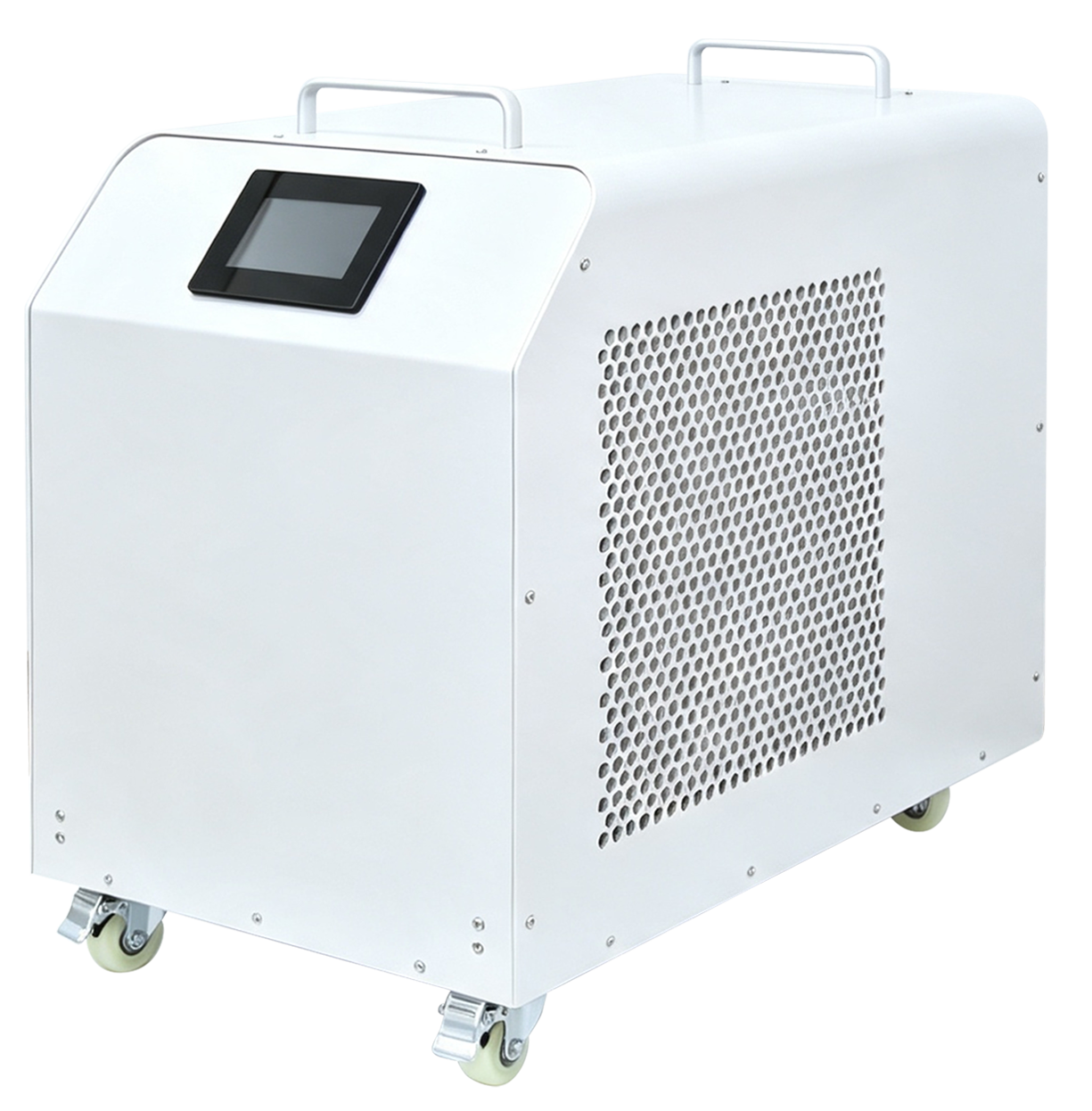
Selecting the right cold therapy machine for a recovery facility requires careful consideration of your facility's operational demands, patient volume, and therapeutic goals. A cold therapy machine serves as a cornerstone investment in modern rehabilitation and athletic recovery programs, directly impacting patient outcomes and facility reputation. Whether you operate a sports medicine clinic, wellness center, or multi-facility resort, the decision process demands understanding key technical specifications, capacity requirements, and long-term operational efficiency.
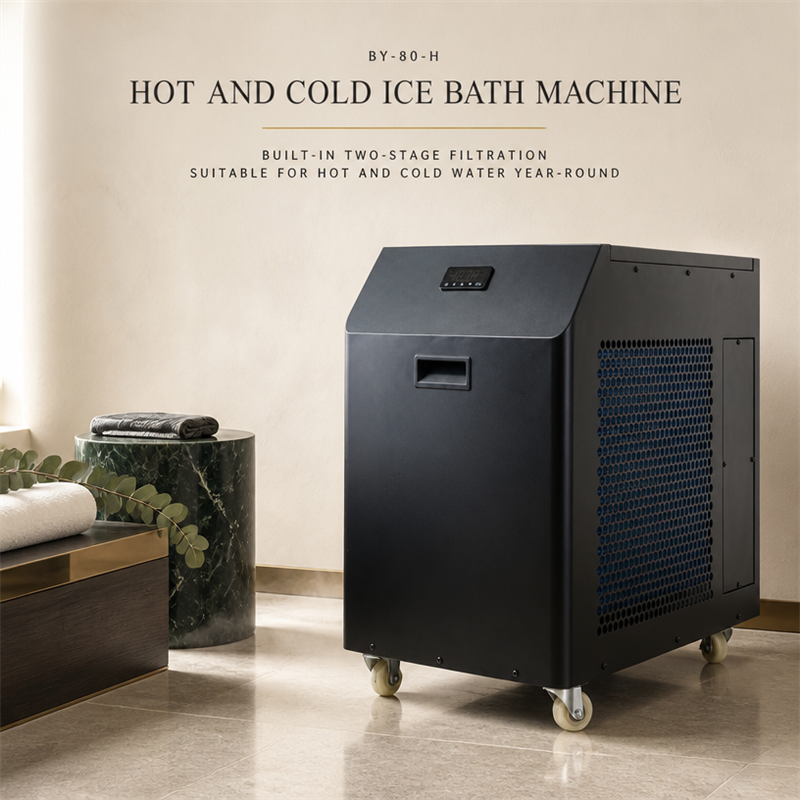
The recovery facility landscape has evolved significantly over the past decade, with cold therapy becoming increasingly integral to injury prevention and rehabilitation protocols. Cold water immersion and localized cold therapy have demonstrated measurable benefits in reducing inflammation, accelerating muscle recovery, and supporting athletic performance. Choosing the appropriate cold therapy machine involves evaluating multiple dimensions including temperature precision, capacity, durability, maintenance requirements, and integration with your facility's existing recovery infrastructure.
Assessing Your Facility's Capacity and Usage Requirements
Determining Patient Volume and Session Frequency
Understanding your recovery facility's daily patient load is the foundational step in the selection process. A cold therapy machine must handle the volume of users without compromising water quality, temperature stability, or maintenance cycles. Facilities serving 20–50 patients daily require fundamentally different equipment specifications than smaller clinics treating 5–10 patients per session. Calculate peak usage hours, estimate concurrent users, and project growth over the next three to five years to ensure your cold therapy machine investment scales appropriately with demand.
Evaluating Treatment Modalities and Clinical Protocols
Different recovery programs demand different cold therapy capabilities. Full-body immersion protocols require larger tub volumes and different temperature management compared to localized application systems. Your recovery facility may need flexibility to support multiple therapeutic approaches—whole-body ice baths for athletic teams, localized cold therapy for targeted injury treatment, and contrast therapy combining hot and cold cycles. Identify which modalities your clinic prioritizes and ensure the cold therapy machine platform can accommodate your intended clinical applications without requiring extensive workarounds or additional equipment purchases.
Technical Specifications and Performance Standards
Temperature Control, Precision, and Consistency
A reliable cold therapy machine must maintain precise temperature ranges without fluctuation during extended use cycles. Advanced systems offer programmable temperature settings, typically ranging from 50–60 degrees Fahrenheit for whole-body immersion, with accuracy maintained to within one degree. Temperature consistency matters significantly in recovery protocols—variations cause discomfort, reduce therapeutic efficacy, and compromise patient compliance. Look for cold therapy machines featuring dual-zone temperature control, allowing simultaneous treatment at different temperatures or sequential temperature adjustments throughout a session. Digital controls with real-time monitoring provide transparency and support clinical documentation requirements in professional recovery settings.
Chilling Capacity, Tank Size, and Water Circulation
Chilling power directly correlates with recovery time between patient sessions and ability to maintain temperature under peak usage. Tank capacity affects both physical footprint and operational flexibility—larger recovery facilities benefit from multi-tub configurations or high-volume single systems, while space-constrained clinics may prefer compact units. Water circulation systems prevent temperature stratification and distribute therapeutic benefits evenly. Your cold therapy machine selection should account for filtration quality, water turnover rates, and chemical treatment systems that balance sanitation with patient safety and comfort. Consider whether your recovery facility can accommodate the equipment's physical dimensions and infrastructure requirements including electrical connections, drainage systems, and ambient space for equipment servicing.
Durability, Maintenance, and Total Cost of Ownership
Build Quality, Materials, and Expected Service Life
A cold therapy machine represents substantial capital investment—choosing durable construction ensures maximum return on investment and minimizes emergency downtime. Commercial-grade materials, including reinforced tanks, high-efficiency compressors, and corrosion-resistant components, typically extend service life to 8–12 years with proper maintenance. Stainless steel and advanced polymer construction withstand continuous operation, chemical exposure, and the corrosive effects of mineral-rich water. Evaluate manufacturer warranties, replacement part availability, and design accessibility for routine maintenance. Your recovery facility should prioritize cold therapy machines from manufacturers with established service networks and documented reliability records in commercial environments similar to your operation.
Operational Costs and Maintenance Requirements
Beyond purchase price, factor energy consumption, water treatment chemicals, and scheduled maintenance into long-term financial projections. Modern cold therapy machines employ variable-speed compressors and insulation technology reducing energy usage by 20–40% compared to older systems. Water treatment protocols, filtration cartridge replacement cycles, and professional maintenance visits contribute to annual operating costs. Some recovery facilities benefit from service agreements bundling routine maintenance, emergency repairs, and performance monitoring into predictable monthly fees. Compare total cost of ownership over five-year periods, accounting for your facility's operational volume, local utility rates, and staff capacity for equipment management. Energy-efficient cold therapy machine models may carry higher upfront costs but deliver substantial savings over the equipment lifecycle.
Integration with Facility Operations and Patient Experience
Space Requirements, Installation Considerations, and Workflow Optimization
A cold therapy machine's physical footprint and installation complexity significantly impact facility operations and patient flow. Assess available space, verify electrical and plumbing infrastructure compatibility, and confirm installation feasibility before purchase commitment. Multi-tub configurations enable parallel patient sessions, improving clinic throughput and reducing wait times in busy recovery facilities. Some cold therapy machines feature modular designs allowing flexible placement within facility layouts, while others require permanent installation with dedicated utilities. Coordinate installation timelines with operations teams to minimize disruption, and ensure adequate space for equipment access, maintenance activities, and emergency servicing.
User Interface and Patient Comfort Features
Patient experience directly influences therapeutic compliance and recovery outcomes. A cold therapy machine with intuitive controls, clear temperature displays, and comfortable access points supports consistent usage and positive patient feedback. Digital timers, programmable session durations, and automated startup sequences reduce staff training requirements and minimize operational errors. Consider whether your recovery facility's staff can operate the system efficiently with minimal training, and whether design features support patients with mobility limitations or accessibility needs. Audio-visual alerts, emergency stop mechanisms, and comprehensive safety features demonstrate professional-grade design appropriate for recovery facility environments serving diverse patient populations.
FAQ
What size cold therapy machine does a recovery facility typically need?
The appropriate size depends on daily patient volume, available space, and treatment protocols. Facilities handling 20–50 daily patients typically benefit from large-capacity immersion systems or multi-tub configurations, while smaller clinics may use compact localized therapy units. Consult with manufacturer representatives regarding your specific facility capacity to ensure the cold therapy machine meets current and projected future demands without excessive waste or underutilization.
How often requires maintenance for commercial cold therapy machines?
Commercial cold therapy machines require routine maintenance every 1–3 months depending on usage intensity and water quality. Monthly inspections, quarterly filter replacements, and annual professional servicing represent standard protocols for high-use recovery facilities. Develop preventive maintenance schedules with your equipment supplier to maximize reliability and extend equipment lifespan, avoiding emergency repairs that disrupt patient care.
Can multiple treatment modalities share a single cold therapy machine?
Advanced cold therapy machines offer flexibility supporting whole-body immersion, localized therapy, and contrast temperature treatments through adjustable settings and multi-zone capabilities. Verify your specific equipment supports your facility's intended clinical applications, as some systems specialize in single-modality operation while others provide comprehensive therapeutic flexibility. Confirming modality compatibility during the selection process prevents costly limitations after implementation.
 EN